Michael Sholeh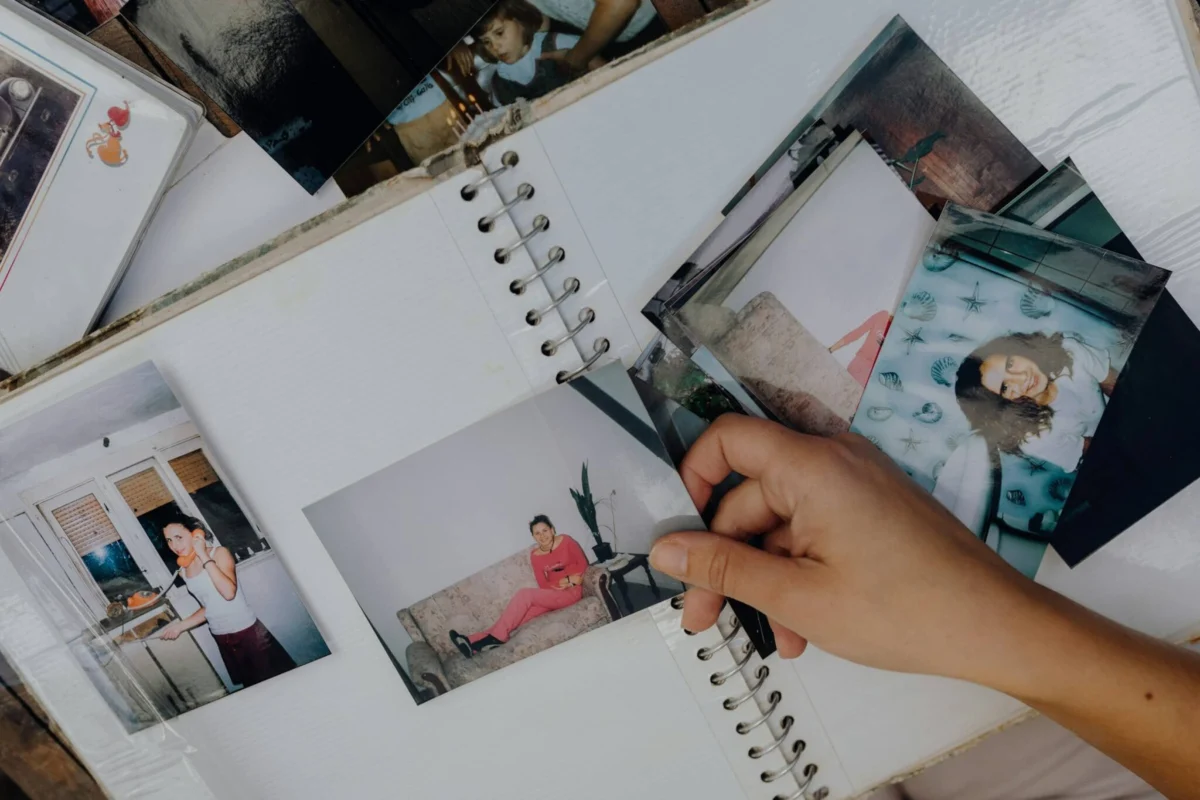
The passing of a family matriarch often leaves behind a complex tapestry of grief, logistical hurdles, and the daunting task of managing a lifetime of accumulated possessions. For Joe Darago, Executive Director of the international non-profit The Hope Effect, the recent death of his aunt, Elizabeth "Liz" Darago, served as a profound case study in how intentional end-of-life planning can significantly mitigate the emotional and administrative burden on surviving relatives. As the family pastor and a long-time advocate for family-centric values, Darago’s experience highlights a growing national conversation regarding "death cleaning," estate transparency, and the preservation of legacy in an era of material abundance.
The narrative of the Darago family is rooted in Northeast Ohio, where Joe was raised in a household of six children. Central to his upbringing were his father’s two sisters, Aunt Marilyn and Aunt Liz. Neither had children of their own, leading them to invest their emotional and temporal resources into their nieces and nephews. This consistent presence established a deep familial bond that persisted even as the younger generation relocated across state lines. However, as the aunts aged, the family was forced to confront the inevitable reality of mortality and the physical remnants of a multi-generational history.
The Chronology of Transition and Preparation
Approximately one decade ago, both Aunt Marilyn and Aunt Liz began experiencing significant health challenges. In a strategic move to ensure mutual support and financial efficiency, the two sisters consolidated their households. While this move solved immediate caregiving needs, it created a concentrated repository of family artifacts. The home became a museum of the Darago lineage, containing documents from their great-grandfather, furniture from their grandmother’s estate, and inventory from a long-defunct family business stored in a musty basement.
The turning point occurred roughly one year prior to Aunt Liz’s passing. Recognizing the progression of her health issues, she initiated a series of intentional actions designed to streamline the transition for her heirs. This period of "active preparation" shifted the family dynamic from one of passive waiting to one of purposeful legacy management. When Liz passed away, the resulting funeral service in Ohio was characterized not by the stress of unresolved logistics, but by a focus on her character and the impact she had on her community.
Pillar I: Legal and Financial Infrastructure through Trusts
The first significant step taken by Elizabeth Darago was the formalization of her estate through a legal trust. In the United States, an estimated 67% of adults do not have a will or any form of estate plan, according to data from Caring.com’s 2024 Wealth and Estate Planning Study. By failing to plan, many families are forced into probate—a court-supervised process that can take months or years and consume 3% to 7% of the estate’s value in legal fees.
Aunt Liz’s estate was not insignificant; it included two residential properties, multiple retirement accounts, life insurance policies, and a specialized coin collection. By working with a professional to establish a trust and appoint an executor, she removed the potential for intra-family conflict.
"Money has a way of straining even the closest families," Darago noted in his analysis of the situation. The clarity provided by the trust allowed his sister, who served as the executor, to bypass the "headaches" of financial ambiguity. This structural foresight ensured that the family could focus on the psychological aspects of mourning rather than the mechanics of asset distribution. Financial experts suggest that a well-structured trust is one of the most effective ways to preserve family harmony during the "Great Wealth Transfer," an era in which an estimated $68 trillion is expected to pass from older generations to younger ones over the next two decades.
Pillar II: The "Swedish Death Cleaning" Phenomenon
The second area of preparation involved the physical environment. In recent years, the concept of Döstädning, or "Swedish Death Cleaning," has gained international traction. The practice involves the proactive decluttering of one’s home as one approaches the end of life, ensuring that the burden of sorting through "junk" does not fall on grieving loved ones.
While the Darago family home remained full of history, Liz spent her final year simplifying where possible. She began labeling files, clearing out closets, and designating items for donation. This process serves a dual purpose: it reduces the physical labor required by the survivors and provides the individual with a sense of agency over their final footprint.

Sociological data suggests that "sentimental clutter" is one of the most difficult challenges for heirs. When an object’s history is unknown, survivors often feel a sense of "survivor’s guilt" at the prospect of discarding it. By pre-sorting these items, Liz effectively gave her family "permission" to let go of the non-essential while identifying the truly significant.
Pillar III: Transparent Communication and the Family Historian
Perhaps the most impactful element of Liz’s preparation was her willingness to engage in difficult conversations. The "Death Positive" movement, which encourages open discussion about mortality, posits that avoiding the topic of death only increases the trauma when it occurs.
Liz initiated specific dialogues regarding her expectations. She assigned roles to various family members, including the care of her pets and the continuation of specific holiday traditions. Most notably, she designated Joe Darago as the family historian. To facilitate this role, she began "curating" the family’s history—setting aside old photographs, handwritten letters, and explanatory notes that detailed why certain heirlooms were significant.
"She was our family cloud," Darago explained, referring to her role as the repository of genealogical data and oral history. By talking about death openly, she transformed a taboo subject into a collaborative project. This transparency eliminated the "guessing game" that often haunts families after a death, providing a clear roadmap for the preservation of the family’s narrative.
Expert Analysis: The Psychological Benefits of Preparation
From a psychological perspective, the actions taken by Elizabeth Darago provided her family with what clinicians call "anticipatory grief management." By resolving the logistical and material aspects of her passing while she was still alive, she allowed her family to enter the grieving process with a lower "cognitive load."
When survivors are overwhelmed by the "administrative tasks of death"—such as searching for passwords, locating deeds, or arguing over sentimental items—the natural process of mourning is often delayed or complicated. In contrast, the Darago family was able to use the funeral service as a genuine celebration of Liz’s life. The testimonies shared during the service focused on her presence, her encouragement, and her emotional impact, rather than the stress of her estate.
Broader Implications for the "Silver Tsunami"
The experience of the Darago family reflects a broader societal need. As the "Silver Tsunami"—the aging of the Baby Boomer generation—continues, the demand for estate planning and end-of-life transparency is reaching a critical point. Experts in geriatric care and estate law recommend three primary steps for families looking to replicate the success of the Darago model:
- Initiating the Conversation Early: Families are encouraged to discuss wills, powers of attorney, and healthcare proxies long before a crisis occurs. Approaching these topics with compassion rather than clinical coldness can make them more palatable.
- Preserving the Story, Not Just the Stuff: Objects are often proxies for memories. By documenting the stories behind heirlooms—such as writing names and dates on the back of old photographs—the "keeper" of the history ensures that the value of the item is transferred along with the object itself.
- Expressing Gratitude in Real-Time: One of the most significant takeaways from Darago’s experience was the realization that beautiful sentiments shared at a funeral should ideally be shared while the recipient is still alive.
Conclusion
The legacy of Elizabeth Darago serves as a testament to the idea that minimalism and intentionality are not just lifestyle choices for the young, but essential tools for the end of life. Her proactive approach to her trust, her possessions, and her family’s history allowed her loved ones to say goodbye with a sense of peace and clarity.
Joe Darago’s professional life at The Hope Effect is dedicated to the idea that every child deserves a family. His personal experience with his aunt reinforces the corollary: that every family deserves a graceful way to honor its elders. As society continues to navigate the complexities of aging and loss, the "Darago Model" of intentional preparation offers a compassionate blueprint for turning a time of sorrow into a period of meaningful legacy. By being brave enough to start the conversation and wise enough to simplify the material, individuals can leave behind a gift that far outweighs any financial inheritance: the gift of a clear path forward for those they love.