
 Indra Kusuma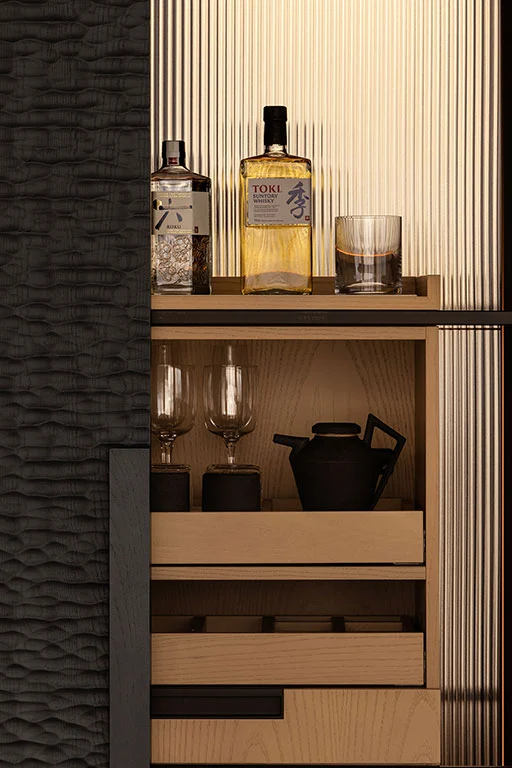
Toronto is experiencing an unprecedented urban boom, rapidly expanding its footprint across the vast lakeside plain it anchors while simultaneously reaching skyward in dense, vertical concentrations. In recent years, its population has surged, elevating it to the fourth-largest city in North America, trailing only Mexico City, New York City, and Los Angeles. This rapid demographic and economic expansion has fueled a hyper-competitive real estate market, characterized by soaring property values and intense development pressure. The city’s downtown core has, in turn, become a dynamic, at times cacophonous, tapestry of architectural ambition, where futuristic spires contort in striking geometries or stack like abstract pixels, each vying for attention. This creates a dizzying array of styles and scales, often overshadowing the few historic buildings that manage to endure. However, a nascent trend suggests a more harmonious path forward, with the most successful new developments demonstrating a commitment to building upon, rather than erasing, existing architectural legacies. The recently unveiled Nobu Residences and Hotel stands as a prime example of this integrated approach, blending cutting-edge design with a respectful nod to Toronto’s past.
Toronto’s Dynamic Urban Landscape: A City Reshaping Itself
The narrative of Toronto’s growth is one of relentless momentum. Statistics Canada data reveals that the Greater Toronto Area (GTA) consistently leads Canadian cities in population growth, driven by a robust economy, diverse job opportunities, and significant immigration. This expansion has solidified Toronto’s position as a global financial hub, a burgeoning technology center, and a cultural mosaic. The influx of residents, coupled with limited developable land, has inevitably pushed real estate prices to unprecedented highs. According to the Toronto Regional Real Estate Board (TRREB), average home prices in the GTA have seen consistent year-over-year increases, making it one of the most expensive markets in North America. This economic dynamism, while a testament to the city’s vitality, also presents significant challenges, including infrastructure strain, affordability crises, and the imperative to manage urban density sustainably.
The architectural response to this growth has been varied. For decades, Toronto’s skyline has been defined by a mix of functionalist towers and more recently, by a wave of expressive, often standalone, high-rises. This era of "signature architecture" aimed to distinguish individual projects, but sometimes resulted in a lack of cohesive urban fabric. As the city matures, there’s a growing recognition among urban planners and developers of the need for developments that contribute to, rather than detract from, the city’s existing character. The conversation is shifting towards adaptive reuse, contextual design, and the integration of public spaces that foster community.
Architectural Preservation and the Pilkington Glass Legacy
Amidst the clamor of new construction, the importance of architectural heritage has gained renewed focus. Many rapidly developing cities struggle with the dilemma of progress versus preservation. Toronto, with its relatively young history compared to European capitals, still possesses valuable architectural landmarks that tell the story of its evolution. The Pilkington Glass building, located at 15 Mercer Street, was one such landmark. Erected in 1961, it was a distinctive example of mid-century modern architecture, renowned for its striking facade composed entirely of glass bricks. This unique material choice not only provided an iconic aesthetic but also spoke to the innovation in construction and materials science of its era. For decades, the building served as a silent testament to a particular moment in Toronto’s commercial and architectural history.
The decision to incorporate this iconic façade into a new, massive development was a pivotal one, setting a precedent for how future projects might approach urban infill. Rather than demolishing the structure to make way for a completely new vision, the developers and architects embraced the challenge of integrating the past into the future. This approach aligns with a broader movement in urban planning that champions adaptive reuse as a sustainable and culturally responsible strategy, allowing cities to evolve without erasing their foundational narratives. It acknowledges that a city’s identity is not solely defined by its newest achievements but also by the layers of history embedded within its streetscapes.
The Vision and Genesis of Nobu Toronto
The Nobu Residences and Hotel project, a collaboration between Nobu Hospitality, Madison Group, and Westdale Properties, was conceived as more than just a luxury development; it was envisioned as a landmark that would epitomize sophisticated urban living and hospitality while paying homage to its specific location. The selection of Teeple Architects, a firm known for its innovative and context-sensitive designs, signaled a commitment to this vision. The initial plans for the complex began to take shape in the mid-2010s, with groundbreaking occurring in 2018, signifying a multi-year construction endeavor to bring this ambitious concept to fruition.
Teeple Architects approached the site with a dual mandate: to create a contemporary, vertically integrated "city within a city" and to respectfully preserve the Pilkington Glass building’s iconic facade. The glass bricks, a defining feature of the original structure, were not merely saved but were thoughtfully reincorporated as the skin of the new development’s base. This act of preservation serves as a visual anchor, grounding the towering new structures in the site’s history. As the design ascends, the complex transforms into two distinct 45-story towers. These towers are characterized by their angled window bays, which optimize natural light and offer dynamic city views, and gently sculpted facade fins that add a rhythmic elegance and reduce solar gain, showcasing a blend of aesthetic and functional design.
Stephen Teeple, founder of Teeple Architects, might have articulated the firm’s philosophy on this project by emphasizing the importance of creating structures that are both forward-looking and deeply rooted in their environment. "Our aim was not to simply build over history but to weave it into the very fabric of the new development," one could infer Teeple stating. "The Pilkington facade offered a unique opportunity to create a dialogue between Toronto’s past industrial elegance and its future as a global metropolis. The angled window bays and sculpted fins are designed to capture the dynamic spirit of the city while providing residents and guests with optimal living conditions and breathtaking vistas." This sentiment reflects a growing trend in urban architecture towards designs that are not just aesthetically pleasing but also thoughtfully integrated into their urban context and historical narrative.
A City Within a City: Amenities and Experiential Design
The Nobu Residences and Hotel complex truly embodies the concept of a "city within a city," offering a comprehensive ecosystem of luxury living, dining, and leisure. Rising from the preserved historical foundation, the lower levels house a sprawling 15,000-square-foot Nobu restaurant, a significant culinary anchor for the development, alongside curated retail spaces designed to enhance the vibrant street-level experience. Above these public-facing elements, the towers transition into 660 meticulously designed residential units, catering to a diverse clientele seeking high-end urban living. Perched at the apex of luxury, 36 exclusive "villas in the sky" guestrooms offer unparalleled hotel experiences, blending residential comfort with world-class hospitality services.
A central design marvel within the complex is the two-story amenities podium, strategically carved through by a near temple-like circular void. This architectural feature is more than just a visual statement; it’s a functional element designed to enhance the human experience within the building. Alessandro Munge, founding principal of Studio Munge, the multidisciplinary practice responsible for the comprehensive interior outfitting, eloquently describes its impact: "The dramatic opening between the 9th and 10th floors allows daylight to cascade deep into the interior spaces below. From the gym that encircles it, guests can observe natural light, rainfall, and snowfall descending, while upper-level rooms look down into this illuminated core." This thoughtful integration of natural elements provides a unifying, calming counterpoint to the relentless pace and often chaotic energy of the streets beyond, fostering a sense of tranquility within the urban environment.
This amenities podium, with its unique void, is a testament to experiential design, transforming a functional space into a contemplative one. It reflects a deeper understanding of urban dwellers’ needs—a desire for connection to nature, even amidst high-rise living. The residential component, managed by Madison Group and Westdale Properties, offers a blend of exclusivity and convenience. A spokesperson for Madison Group might emphasize, "Our collaboration with Nobu and Teeple Architects has allowed us to create a residential offering that is truly unique in Toronto. The seamless integration of luxury amenities, world-class dining, and thoughtfully designed living spaces provides residents with an unparalleled lifestyle experience right in the heart of the city." This holistic approach ensures that residents and guests alike have access to a curated lifestyle without needing to leave the comfort of their towers.
Studio Munge’s Interior Narrative: Japanese Serenity Meets Canadian Soul
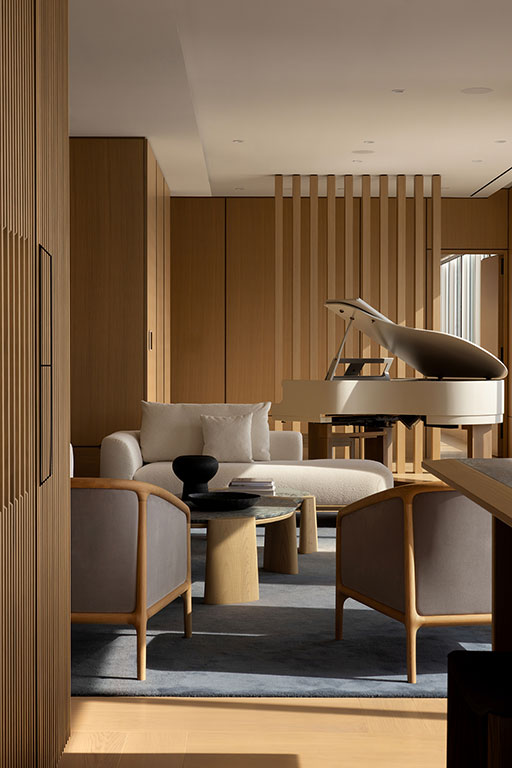
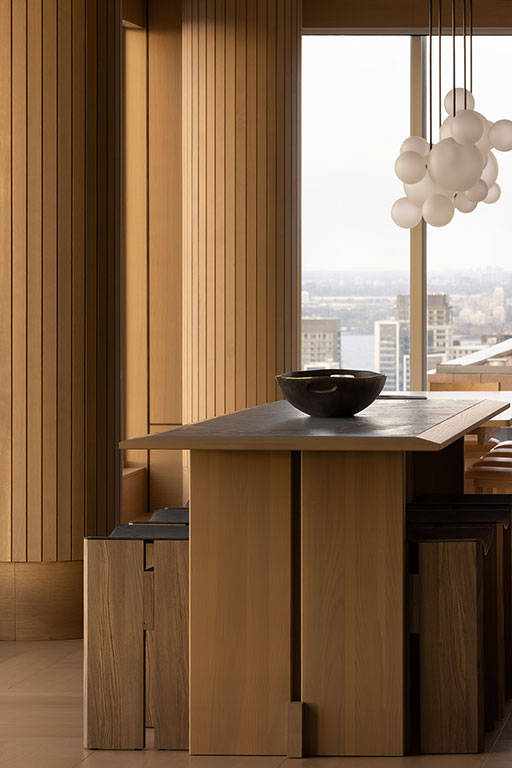
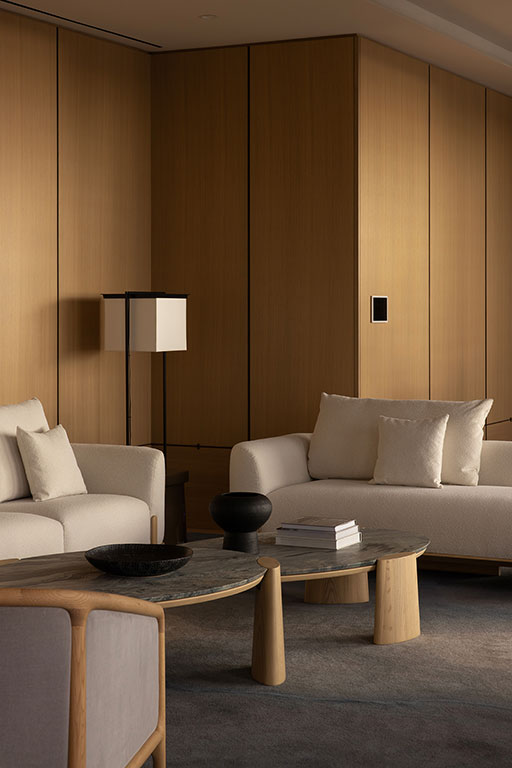
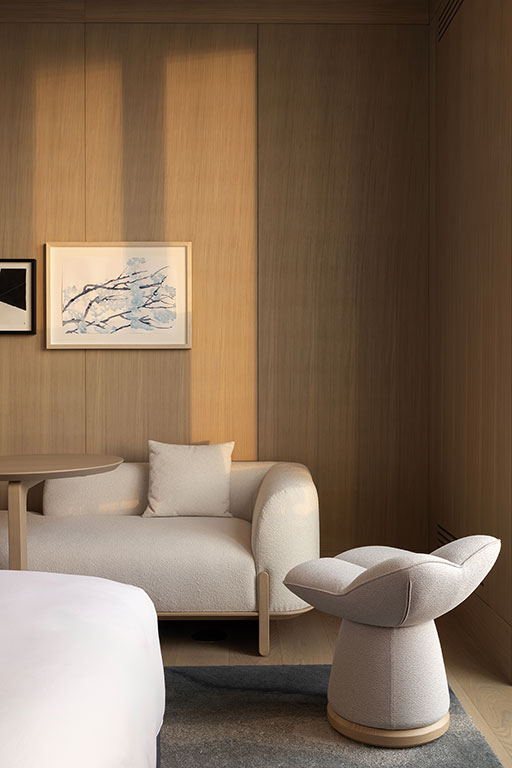
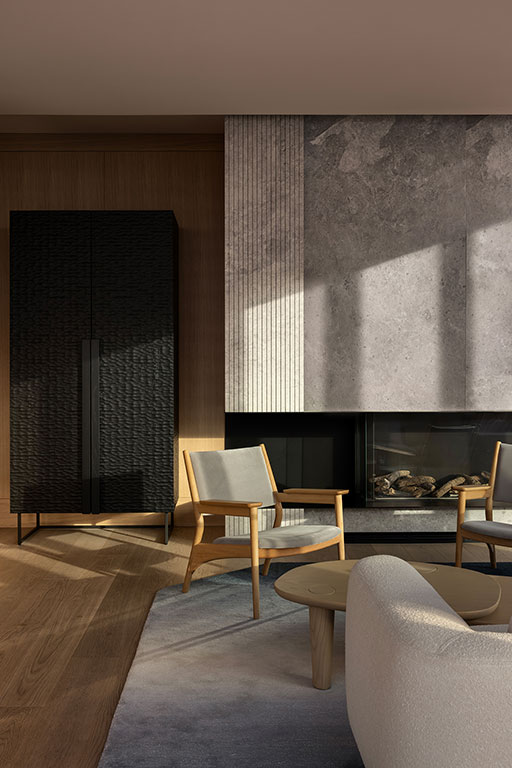
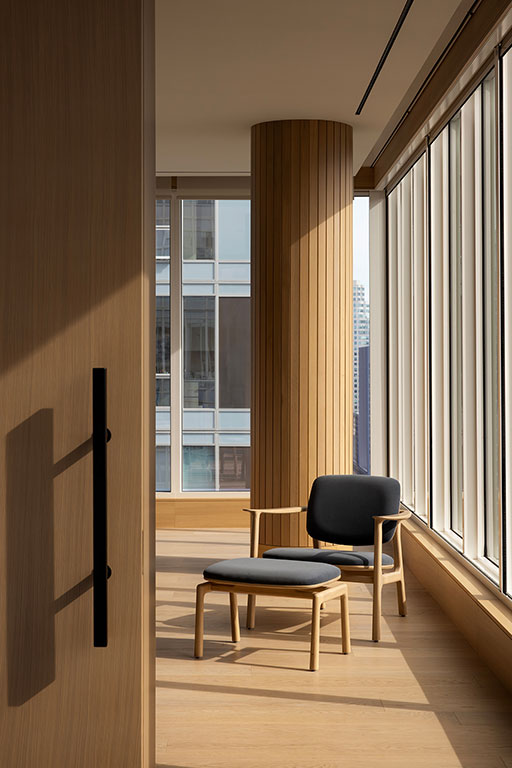
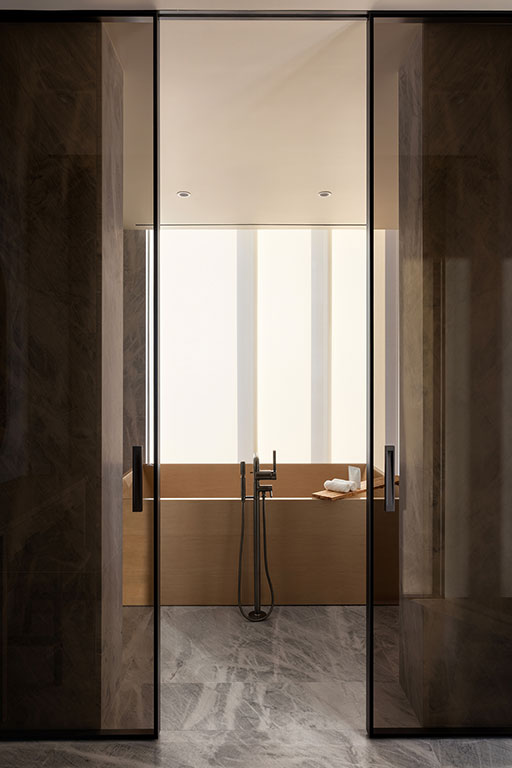
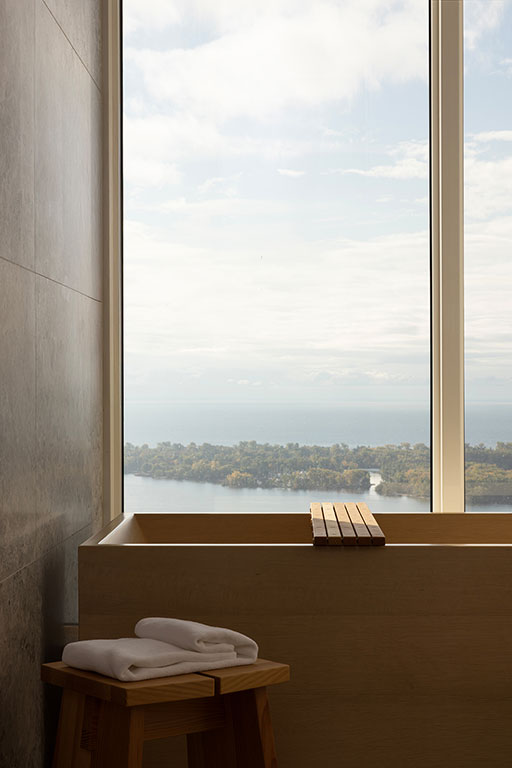
Studio Munge, with its roots in both Miami and Toronto, brought its philosophy of crafting immersive experiences to the interiors of Nobu Toronto. The firm’s mandate was to translate Nobu Hospitality’s distinct brand identity—rooted in Japanese aesthetics and culinary excellence—into a sophisticated urban retreat, while subtly acknowledging its Canadian context. This careful balance is evident throughout the diverse accommodations, which, though exclusive and limited in number, range widely in size and features. Despite this variety, a consistent set of priorities defines each space: bed orientations are strategically placed to frame breathtaking city or lake views; walk-in closets offer ample storage; generous living areas provide comfort and flexibility; and window-side soaking tubs invite moments of serene indulgence. These elements, particularly the traditional wooden accents and minimalist forms, subtly reference Nobu Hospitality’s Japanese origins, creating a sense of understated elegance.
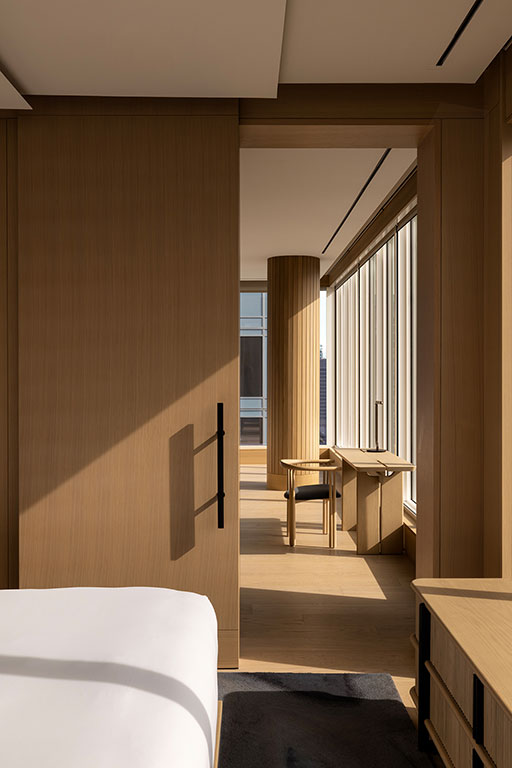
The cultural cue of Japanese ryokans—traditional inns known for their calming, restorative qualities, often featuring tatami-matted rooms and a deep connection to nature—served as a thoughtful point of departure for the interior finishes and furnishings. This deliberate choice offers a profound counterbalance to the frenetic energy of the city outside. As Alessandro Munge further explains, "Rather than interpreting the hotel through a conventional luxury lens, this cue was complemented by subtle Canadian influences." This fusion creates a unique design language that is both universally appealing and locally resonant. In the grand lobby, for instance, nods to the local Canadian landscape are abstracted and rendered through traditional Japanese metalwork, creating an intricate visual narrative that speaks to both cultures.
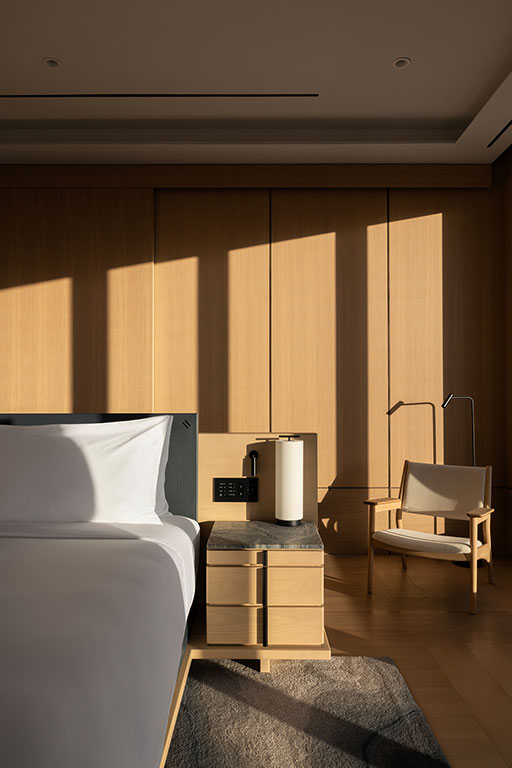
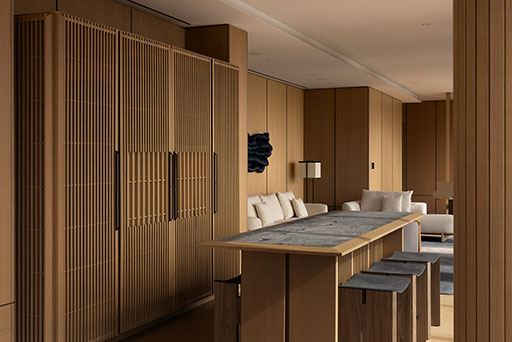
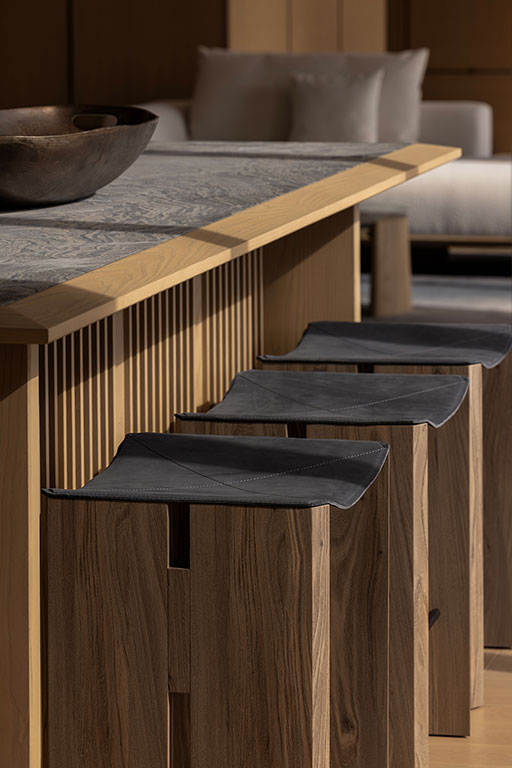
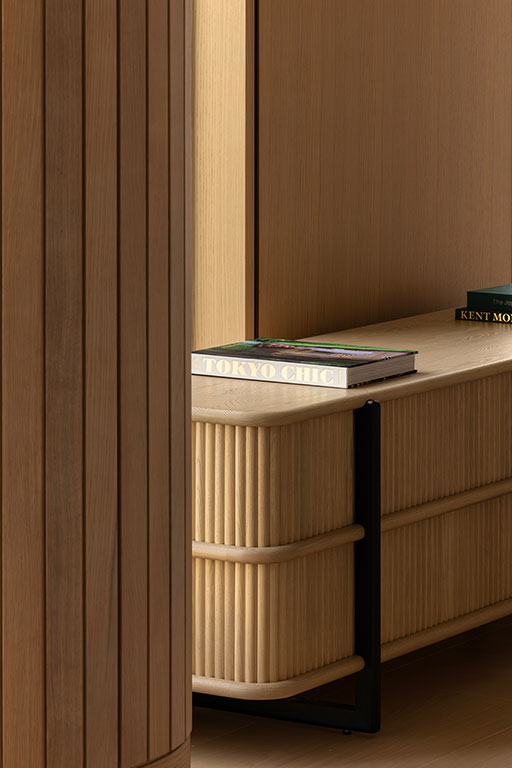
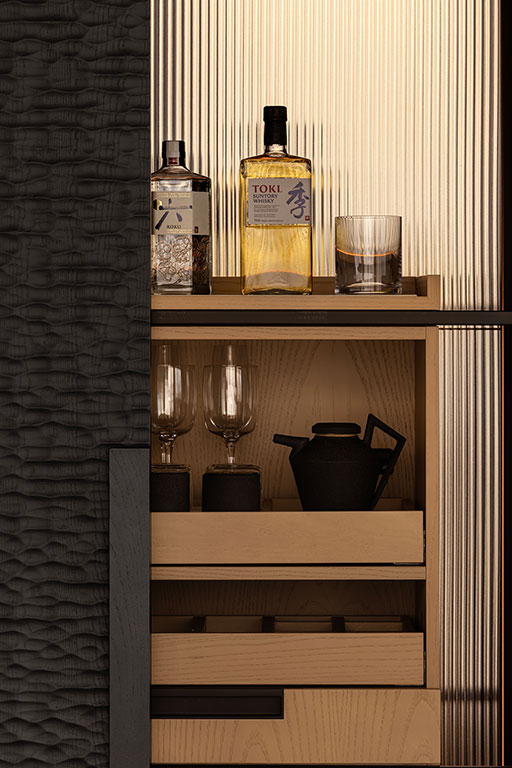
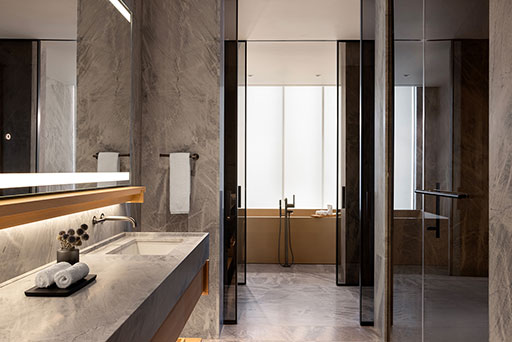
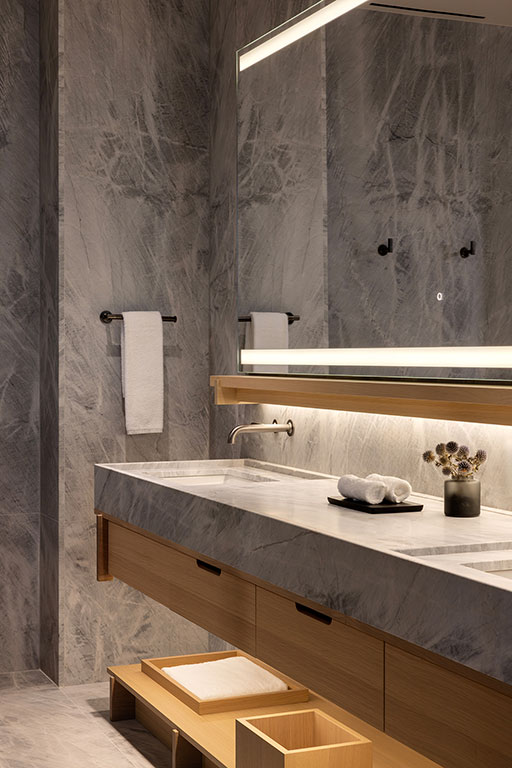
The guestrooms themselves are a study in tranquility. Soft blue spectrums, carefully chosen by Munge and his team, suggest serenity, subtly referencing the vastness of the sky and the calming presence of water—Lake Ontario, though often obscured by the thicket of nearby towers, remains a significant natural element in Toronto’s identity. This palette evokes a sense of escape, providing a peaceful sanctuary above the bustling city. Framing this serene color scheme is a meticulously restrained material selection: Tundra Grey stone with a leathery finish adds textural depth and understated luxury; rift-cut white oak provides warmth and a natural touch; hand-dyed indigo textiles introduce subtle patterns and a rich, traditional Japanese sensibility; and handcrafted Kawara tiles contribute an authentic, artisanal quality. These materials, chosen for their inherent beauty and tactile appeal, work in harmony to create spaces that are both sophisticated and deeply comforting.
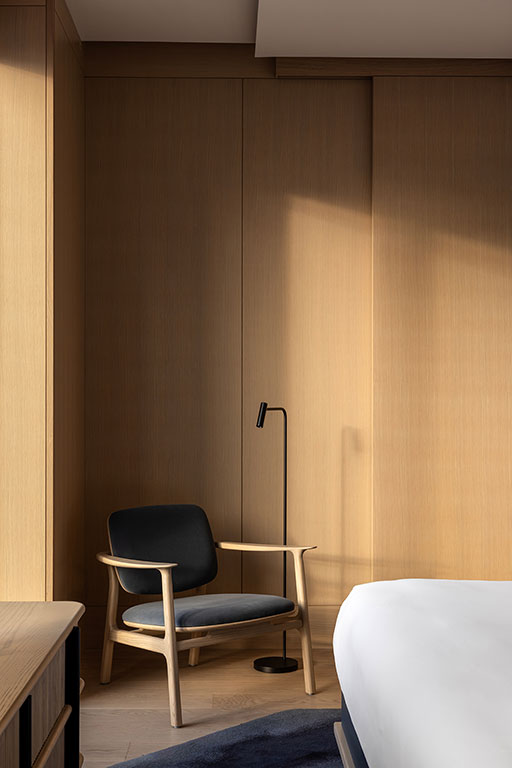
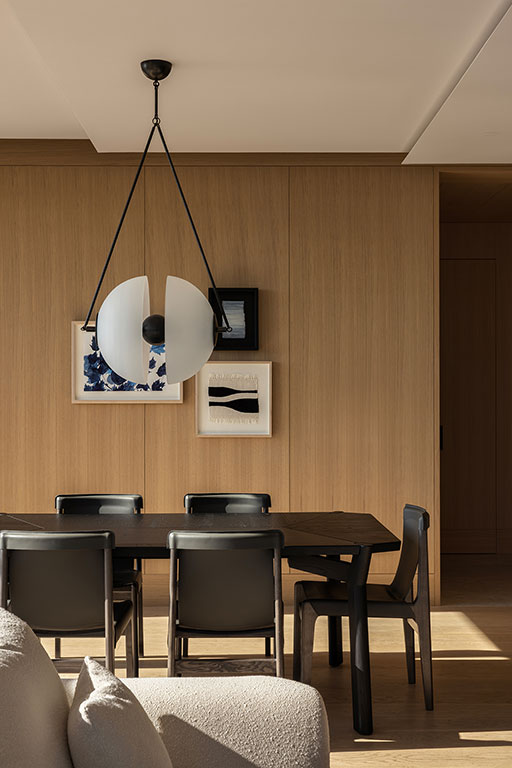
The final layer of luxury is a carefully curated suite of furnishings sourced from leading international brands and designers. The presence of pieces from B&B Italia, Gallotti & Radice, Henge, Piet Boon, Christophe Delcourt, The Rug Company, Apparatus, Giopato & Coombes, Holly Hunt, Karimoku Case Study, and Carl Hansen & Søn underscores the project’s commitment to exceptional quality and timeless design. Each piece is selected not only for its aesthetic appeal but also for its contribution to the overall ambiance of sophisticated comfort and refined elegance, ensuring that every detail contributes to the immersive, high-end experience that Nobu Toronto aims to deliver.
Broader Implications and Future Outlook
The Nobu Residences and Hotel project stands as a significant case study for Toronto’s future urban development. It demonstrates that rapid vertical growth need not come at the expense of historical memory or thoughtful design. By meticulously integrating the Pilkington Glass building’s facade, Teeple Architects and Studio Munge have set a new benchmark for adaptive reuse and contextual integration in a city grappling with intense development pressure. This approach could inspire other developers to look beyond mere demolition and consider how existing structures can be revitalized and woven into new narratives, contributing to a more layered and historically rich urban fabric.
Furthermore, Nobu Toronto’s entry into the market underscores the city’s growing stature as a global luxury destination. The demand for high-end residences and five-star hotel experiences reflects Toronto’s increasing appeal to international investors, high-net-worth individuals, and discerning travelers. The average nightly rate of $2,700 for accommodations at the Nobu Hotel positions it firmly within the ultra-luxury segment, signaling confidence in Toronto’s capacity to command such prices. This influx of luxury developments contributes to the city’s economic vitality, creating jobs in construction, hospitality, and related service industries, while also enhancing Toronto’s global brand as a sophisticated, dynamic metropolis.
However, the implications extend beyond luxury and preservation. The project’s emphasis on natural light, calming interiors, and connection to natural elements, even in a high-density setting, also points towards evolving expectations for urban living. There is a growing recognition that mental well-being and a sense of tranquility are crucial, even for those living at the heart of a bustling city. Designs that proactively address these needs, through features like the circular void allowing natural light and weather elements to permeate interior spaces, represent a forward-thinking approach to urban planning that considers the holistic experience of its inhabitants.
In conclusion, the Nobu Residences and Hotel is more than just a new addition to Toronto’s skyline. It is a testament to the city’s evolving identity, a sophisticated response to its rapid growth, and a potential blueprint for future development that harmoniously blends architectural innovation with heritage preservation. As Toronto continues its remarkable transformation, projects like Nobu will play a crucial role in shaping its character, ensuring that its ascent as a global city is marked not just by sheer scale, but by thoughtful design, cultural depth, and an unwavering commitment to quality.







