 Hanik Kholidah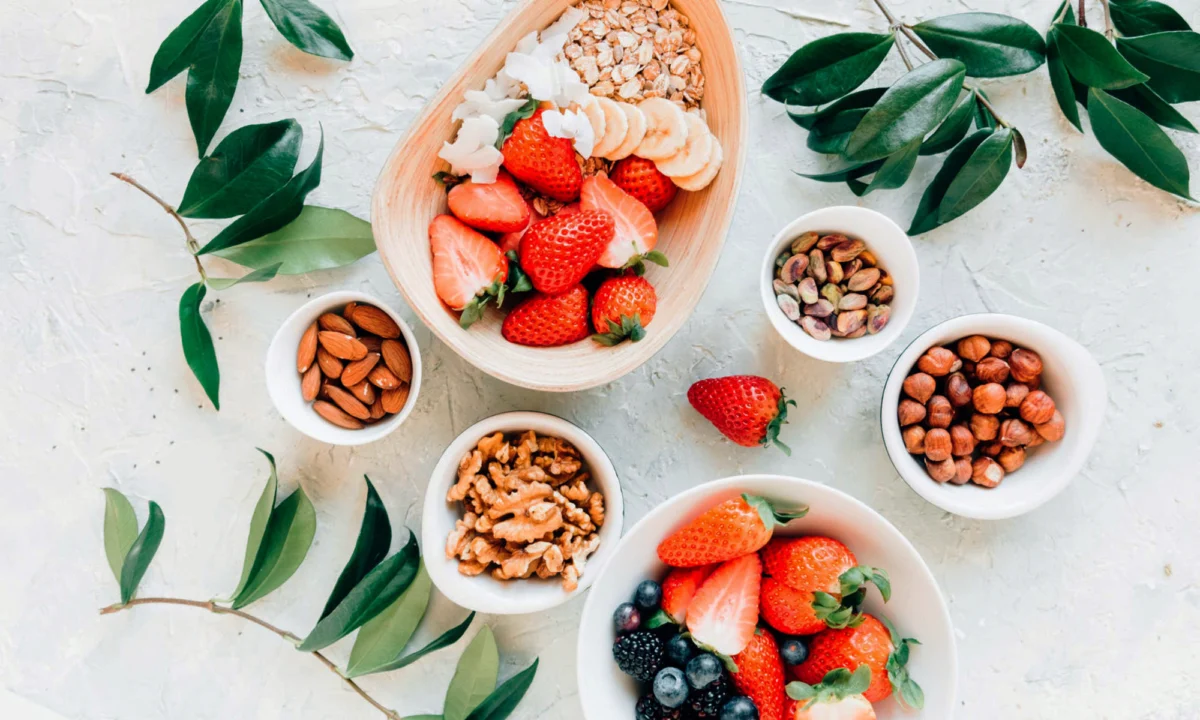
For millions of individuals worldwide, the onset of menstruation brings a familiar and debilitating disruption to daily life. Often managed with a combination of heating pads, over-the-counter analgesics, and rest, dysmenorrhea—commonly known as menstrual cramps—remains one of the most pervasive gynecological complaints. While modern medicine offers various pharmaceutical interventions, researchers and nutritionists continually explore holistic, food-based approaches to complement traditional care. A recent clinical study suggests that a surprisingly accessible dietary addition, the common garden strawberry, may hold promise for mitigating monthly discomfort.
The Clinical Investigation: Methodology and Scope
Published in the journal Frontiers in Nutrition, a novel clinical trial conducted by researchers at the University of Huelva in Spain investigated the relationship between the daily consumption of fresh strawberries and the intensity of menstrual pain. The research team sought to determine whether the bioactive compounds found in the fruit could provide a measurable physiological benefit to individuals suffering from regular cramping.
The study enrolled 64 female participants ranging in age from 18 to 35 years old. All participants shared a documented history of primary dysmenorrhea, meaning they experienced recurring, painful menstrual cramps not caused by an underlying pelvic pathology such as endometriosis or uterine fibroids.
To conduct the trial, researchers divided the cohort into two distinct groups using a randomized assignment method. One group was instructed to continue their standard, habitual diet without modifications. The second group was assigned to incorporate 250 grams—equivalent to approximately one and a half cups—of fresh strawberries into their daily dietary routine for a continuous duration of one month.
Chronology of Observation and Pain Assessment
The experimental timeline was structured to monitor both immediate and sustained responses to the dietary intervention. Participants were evaluated across three primary milestones:
- Baseline Assessment: Prior to the introduction of the dietary change, individuals recorded their baseline menstrual pain levels using standardized scoring metrics.
- One-Month Evaluation: At the conclusion of the 30-day intervention period, participants reported their pain levels during their subsequent menstrual cycle.
- Two-Month Follow-Up: A final assessment was conducted one month after the strawberry intervention had concluded, allowing researchers to observe whether any reported benefits persisted after the dietary routine was stopped.
To establish clinical relevance, the researchers set a strict a priori benchmark. For the results to be deemed significant, the strawberry-consuming group needed to demonstrate at least a one-point greater reduction in reported pain scores compared to the control group on standard visual analog scales.

Biochemical Rationale: Polyphenols and Inflammation
The scientific rationale behind utilizing strawberries as an experimental therapeutic agent lies in their rich phytochemical profile. Strawberries are packed with bioactive plant compounds known as polyphenols, particularly anthocyanins, which are responsible for the fruit’s vibrant red pigmentation. Anthocyanins, along with various other flavonoids present in the berry, are well-documented for their potent antioxidant and anti-inflammatory properties.
Menstrual pain is primarily driven by the overproduction and release of prostaglandins—hormone-like lipid compounds that trigger the uterine muscles to contract. While these contractions help the uterus shed its lining, excessive prostaglandin synthesis leads to localized ischemia (reduced blood flow), severe uterine cramping, and systemic inflammatory responses such as headaches, nausea, and fatigue. Because plant-based polyphenols are known to modulate inflammatory pathways and inhibit certain enzymes associated with pain signaling, researchers hypothesized that regular consumption of these compounds could help attenuate the inflammatory cascade responsible for severe dysmenorrhea.
Results and Post-Intervention Observations
Upon completion of the one-month intervention, the data revealed a statistically significant divergence between the two cohorts. Women who incorporated daily strawberries into their diets reported markedly lower menstrual pain scores compared to those in the control group. Furthermore, this reduction successfully met the researchers’ predetermined threshold for a clinically meaningful improvement.
An intriguing development emerged during the two-month follow-up assessment. Even though the participants had ceased consuming the prescribed daily portion of strawberries a full month prior, the lower pain scores persisted relative to the control group. While this sustained effect captured the attention of the research community, principal investigators urged caution in interpreting this specific finding. They noted that the lingering reduction does not definitively prove a long-term, lasting therapeutic efficacy of strawberries, pointing instead to the need for extended research to determine whether secondary lifestyle factors or cyclical variables played a role.
Methodological Limitations and Potential Biases
Despite the encouraging outcomes, the study’s authors and independent nutritional experts have emphasized several methodological limitations that preclude broad clinical recommendations at this stage.
First, the trial was relatively small, encompassing only 64 participants. In clinical research, pilot studies of this scale serve primarily to generate hypotheses and lay the groundwork for larger, more comprehensive trials.
Second, the study was unblinded. The participants were fully aware of whether they were eating strawberries or maintaining their normal diets. This lack of blinding introduces the possibility of a placebo effect, whereby individuals anticipating a health benefit psychologically perceive a reduction in pain.

Third, the trial did not directly measure biochemical markers of inflammation or circulating prostaglandin levels in the participants’ blood or urine. Consequently, while researchers theorize that anthocyanins and polyphenols are responsible for the pain reduction, the study cannot definitively establish a causal biochemical mechanism linking strawberry consumption directly to decreased uterine prostaglandin activity.
Finally, transparency disclosures reveal that the study received partial funding from a Spanish strawberry producers’ association. While independent academic oversight governed the execution and publication of the research, funding sources of this nature underscore the necessity for independent replication of the findings by researchers unaffiliated with agricultural trade groups.
Broader Implications for Dietary Management of Dysmenorrhea
The findings from the University of Huelva contribute to a growing body of literature examining the intersection of nutrition and women’s health. For decades, nutritional science has focused heavily on broad dietary patterns, such as the Mediterranean diet, for reducing systemic inflammation. Pinpointing specific, nutrient-dense whole foods like berries offers a more accessible, granular approach to dietary counseling.
Dietitians and gynecological health specialists generally agree that while strawberries are not a silver bullet or a replacement for medical treatments—such as nonsteroidal anti-inflammatory drugs (NSAIDs) or hormonal contraceptives—they can easily fit into a holistic, anti-inflammatory lifestyle. Incorporating antioxidant-rich fruits supports overall metabolic health, improves micronutrient intake, and may offer ancillary benefits for vascular and immune function.
Future Directions in Menstrual Health Research
As consumer interest in functional foods continues to rise, the scientific community is expected to expand investigations into dietary interventions for menstrual disorders. Future clinical trials in this domain will likely incorporate larger, diverse cohorts, double-blind placebo controls utilizing lookalike or taste-alike dietary supplements, and rigorous biochemical assays tracking inflammatory cytokines and hormone fluctuations throughout the menstrual cycle.
Until more definitive data becomes available, the integration of strawberries into a period routine remains a low-risk, highly nutritious option for those seeking supplementary relief. For individuals plagued by monthly discomfort, reaching for a bowl of fresh berries may offer a flavorful step forward in a personalized wellness regimen, even as science continues to map out the exact cellular pathways at play.