Reynand Holland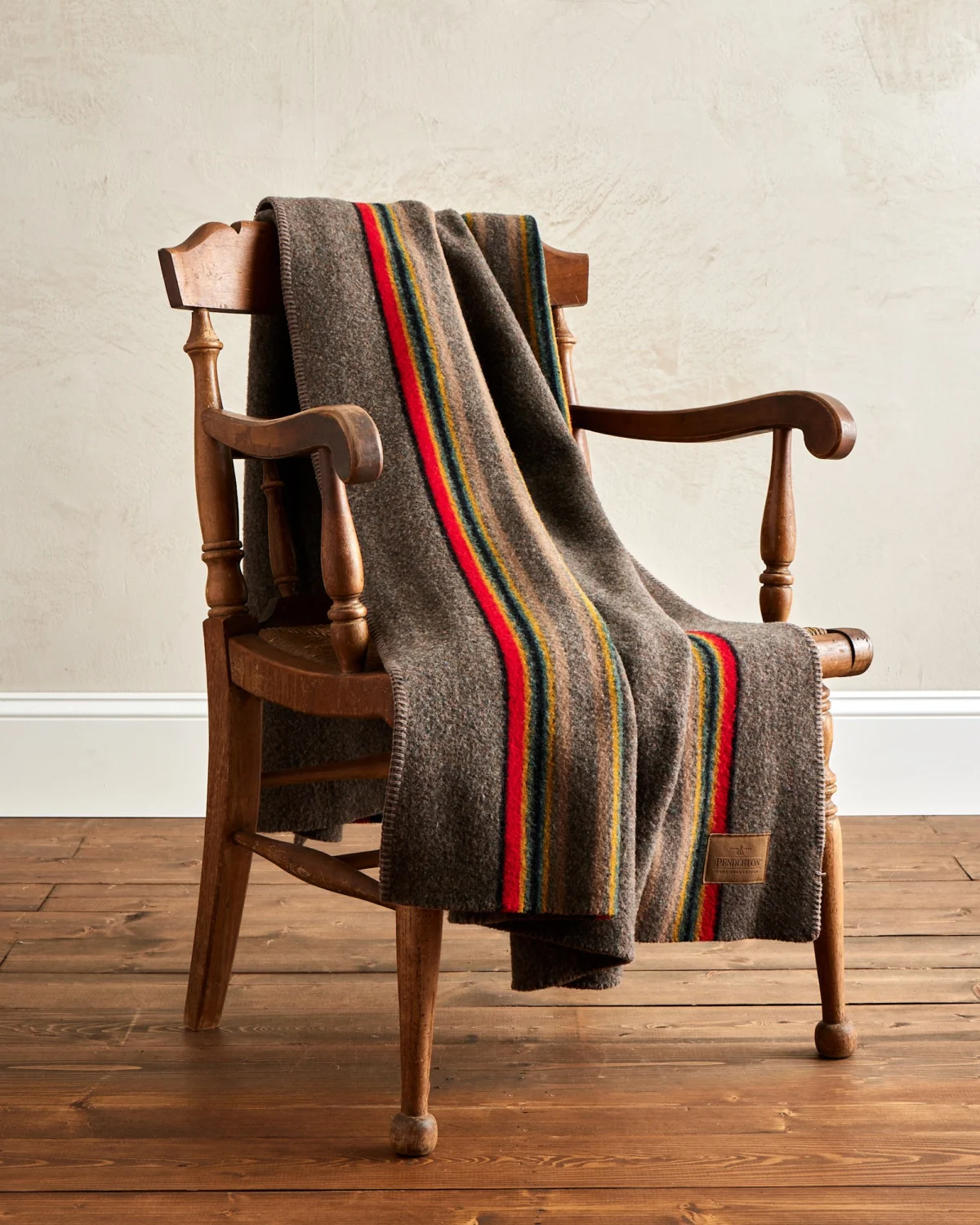
As winter’s chill descends, the allure of a cozy blanket becomes irresistible, offering solace through snowy landscapes, long holiday journeys, and intimate evenings by the fire. Beyond personal comfort, a thoughtfully chosen blanket serves as an enduring gift, particularly for those who seem to possess everything. However, the pursuit of a well-crafted, long-lasting blanket necessitates a discerning eye, focusing on materials, ethical production, and durability. This comprehensive guide delves into the criteria for selecting superior blankets and highlights brands committed to sustainability and ethical practices, making holiday shopping and personal indulgence more informed and responsible.
The Environmental and Health Imperative of Material Choice
The fabric of our comfort often carries hidden environmental and health implications. Synthetic textiles, commonly found in blankets, are frequently dyed with immuno-sensitizing azo-benzene disperse dyes. These chemicals pose a dual threat: they can trigger skin reactions upon contact and, more insidiously, can become airborne, contributing to household dust that is inhaled and ingested by family members. This underscores the importance of prioritizing natural fibers, which offer a safer and more sustainable alternative.
Natural Fibers: A Healthier, Greener Alternative
- Organic Cotton: A cornerstone of sustainable textiles, organic cotton cultivation eschews harmful pesticides and synthetic fertilizers, protecting soil health, water quality, and farmworker well-being. Its production generally requires less water compared to conventional cotton.
- Alpaca: Prized for its exceptional softness, warmth, and durability, alpaca fiber is a sustainable choice. Alpacas have a lighter environmental footprint than sheep, requiring less land and water. Their fleece is naturally hypoallergenic and water-repellent.
- Merino Wool: Known for its fine, soft fibers, merino wool offers superior temperature regulation, breathability, and odor resistance. Sustainable wool farming practices focus on animal welfare and responsible land management.
- Linen: Derived from the flax plant, linen is a highly sustainable fiber that requires minimal water and pesticides to grow. It is known for its strength, breathability, and ability to soften with age.
- Tencel™ (Lyocell): A regenerated cellulosic fiber made from wood pulp, typically eucalyptus. Tencel™ is produced in a closed-loop system that recycles water and solvents, minimizing environmental impact. It is known for its soft drape, breathability, and moisture-wicking properties.
- Hemp: An ancient fiber gaining renewed attention for its sustainability, hemp grows quickly, requires little water, and enriches the soil. It is naturally resistant to pests, reducing the need for chemical treatments. Hemp textiles are exceptionally durable and become softer with use.
Ensuring Dye and Finish Safety
Beyond the fiber itself, the dyes and finishes applied to textiles are critical considerations. Traditional dyeing processes can release toxic chemicals into waterways. To ensure that blankets are free from harmful substances, consumers should look for reputable certifications.
- Oeko-Tex: This independent testing and certification system verifies that textiles are free from harmful chemicals. The Oeko-Tex Standard 100, for example, ensures that every component of a product has been tested for harmful substances and that the product is therefore harmless for human health.
- bluesign®: The bluesign® system goes beyond chemical safety to address the entire textile production process. It aims to eliminate harmful substances right from the beginning of the manufacturing process, ensuring responsible resource use, consumer safety, and minimizing environmental impact.
The Value of Durability and Timeless Design
Investing in a high-quality blanket is an investment in longevity. Well-made blankets are designed to withstand the test of time, both in terms of material integrity and aesthetic appeal.
- Natural Odor Resistance: Wool, in particular, possesses natural odor-resistant properties, meaning it requires less frequent washing than synthetic alternatives. This not only conserves water and energy but also extends the life of the garment.
- Timeless Styles: Brands that prioritize classic designs ensure that their blankets remain stylish year after year, transcending fleeting trends. This approach encourages a more mindful consumption pattern, moving away from disposable fashion.
- Care Instructions: Adhering to specific care instructions is paramount for maximizing a blanket’s lifespan. Proper washing and drying techniques can prevent damage, shrinking, and pilling, preserving the blanket’s comfort and appearance.
The Ethical Dimension: Traceable and Fair Supply Chains
The journey of a blanket from raw material to finished product is often complex, involving multiple hands and locations. Ethical sourcing and fair labor practices are crucial components of a truly sustainable blanket.
- Artisan Craftsmanship: Many brands champion artisan craftsmanship, directly supporting communities and preserving traditional textile techniques. This not only ensures unique and beautiful products but also provides fair wages and safe working conditions for skilled craftspeople.
- Supply Chain Transparency: Consumers are increasingly demanding transparency in supply chains. Brands that openly share information about their material sourcing, manufacturing processes, and labor practices build trust and empower informed purchasing decisions.
- Certifications for Ethical Trade:
- Fair Trade USA: This certification ensures that farmers and workers receive fair wages, work in safe conditions, and have opportunities for economic advancement.
- World Fair Trade Organization (WFTO): The WFTO guarantees that a business adheres to the highest standards of social and environmental performance, accountability, and transparency.
Curated Selection of Sustainable and Ethical Blanket Brands
Understanding the nuances of sustainable and ethical blanket production is the first step. The following brands exemplify a commitment to these principles, offering a range of beautiful and responsibly made options:
1. Pendleton
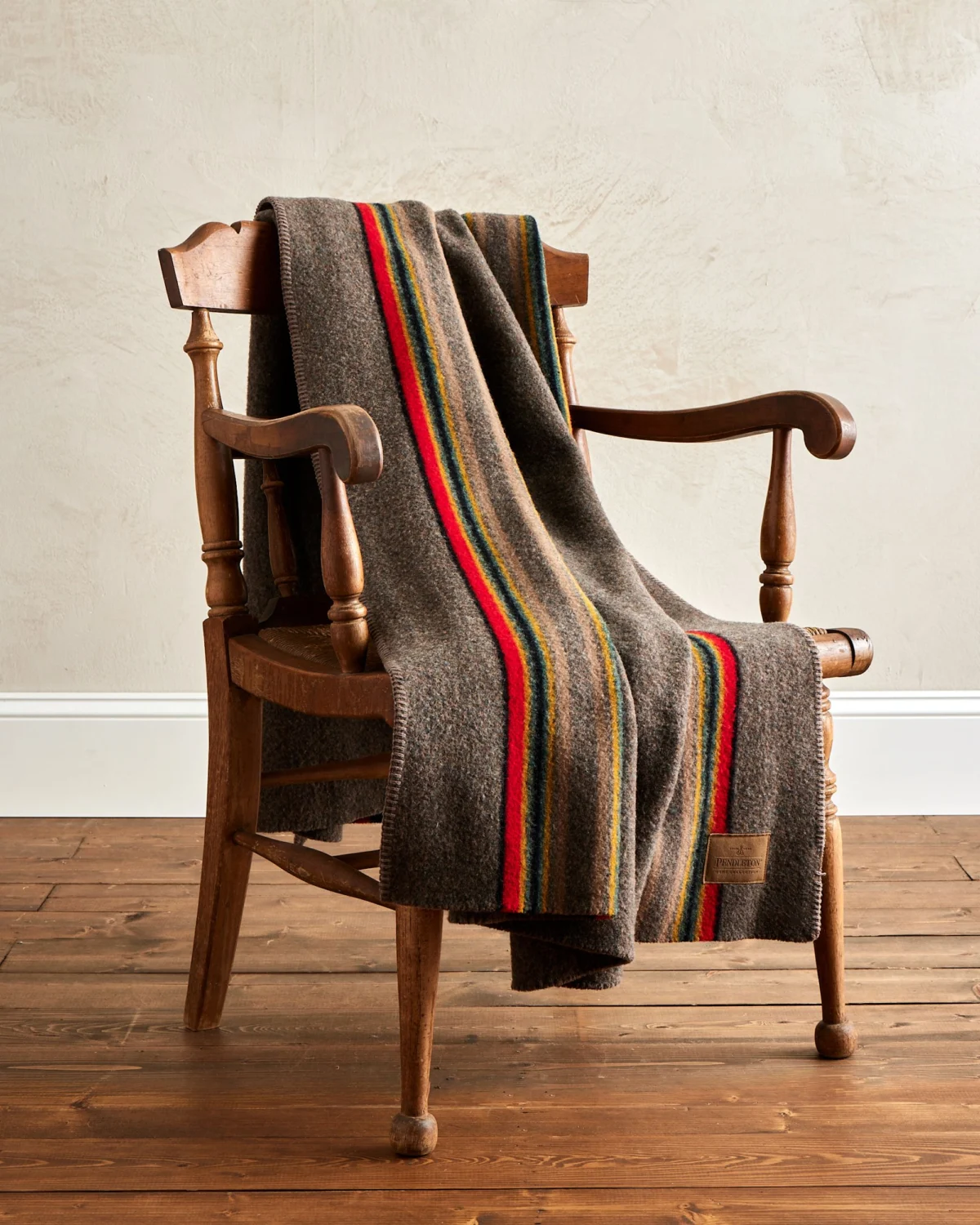
With a legacy dating back to 1909, Pendleton stands as a beacon of American woolen manufacturing. Operating two of the nation’s last remaining woolen mills, the company meticulously controls its production process, from scouring and dyeing wool to spinning, weaving, and hand-finishing. Pendleton’s blankets are Oeko-Tex certified, ensuring they are free from harmful chemicals. The brand cultivates deep-rooted relationships with local wool farmers and indigenous artists, whose iconic patterns are woven directly into the fabric on traditional looms. This dedication to heritage and quality results in blankets that are not only warm and durable but also carry significant cultural value.
- Price Range: $60 – $529
- Availability: United States
2. Minna
Minna, a certified B Corp and queer-led business based in Upstate New York, is dedicated to creating beautiful and ethically produced home goods. Their blankets, featuring striking abstract patterns and minimalist designs, are handmade in small batches using luxurious alpaca, Oeko-Tex-certified cotton, and fine merino wool. Minna fosters direct relationships with its artisan partners in Central and South America, ensuring fair compensation and transparent production. A unique aspect of their commitment is listing the name of the artisan who made each blanket on every product page, fostering a direct connection between the consumer and the maker.
- Price Range: $165 – $398
- Availability: Most countries worldwide.
3. April Notes
April Notes specializes in creating soft, earth-friendly home linens with a focus on mindful production. Their blanket collection showcases the natural beauty and breathability of linen, cotton, and merino wool. Certified free of harmful chemicals and synthetic dyes, these blankets are naturally hypoallergenic, offering supreme comfort. In an effort to minimize textile waste and overproduction, April Notes crafts each item on demand. The brand collaborates closely with a boutique atelier in Lithuania, upholding exceptional craftsmanship and ensuring fair wages and safe working environments for their artisans.
- Price Range: $149 – $180
- Availability: United States, Canada, the U.K., Australia, New Zealand, Mexico, Norway, Switzerland, Gibraltar, and all European Union countries.
4. Avocado
Avocado, a Los Angeles-based certified B Corp, is renowned for its commitment to creating cozy and sustainable bedroom essentials. Their throw blankets are crafted from a blend of premium, Oeko-Tex-certified organic cotton, alpaca wool, cashmere, merino wool, and recycled cotton. Notably, the alpaca wool throws showcase the natural hues of the fiber, eliminating the need for dyes altogether. For their other blankets, Avocado utilizes azo-free dyes, ensuring a safer product. The brand sources its wool from Northern India and maintains a rigorously audited supply chain, reinforcing its dedication to ethical and environmentally sound practices.
- Price Range: $39 – $349
- Availability: United States
5. Coyuchi
Coyuchi is synonymous with high-quality home goods designed with minimal environmental impact. Their blankets, made from organic cotton and wool sourced from India, are woven in Fair Trade-certified factories located in Turkey, Portugal, and Germany. This commitment to ethical manufacturing ensures fair labor practices and responsible production. Coyuchi offers a comprehensive blanket guide, assisting consumers in selecting the perfect addition to their home or as a thoughtful gift.
- Price Range: $58 – $478
- Availability: United States
6. Savvy Rest
Savvy Rest, a certified B Corp specializing in organic bedding, extends its commitment to sustainability to its collection of organic cotton blankets. These blankets are produced without dyes, offering a pure and natural option. Available in sizes ranging from throw to king, their cotton is grown and expertly woven into blankets within the United States, supporting domestic manufacturing and ensuring a traceable supply chain.
- Price Range: $89 – $198
- Availability: United States
7. Under the Canopy
Under the Canopy crafts its blankets with a global perspective, utilizing materials from India, Pakistan, Turkey, and China. The brand employs Oeko-Tex-certified low-impact dyes and sources fine merino wool from Argentina and organic cotton from Turkey. Their intentional designs are created with longevity in mind, ensuring that these blankets become cherished pieces for years to come.
- Price Range: $178 – $212
- Availability: United States
8. Boll & Branch
Boll & Branch, a Fair Trade Certified bedding company, places a strong emphasis on non-toxic processes to produce exceptionally safe and soft blankets. Their throws are lovingly crafted by artisans in India, Turkey, and Pakistan, utilizing traceable, Oeko-Tex-certified organic cotton and luxurious alpaca. This commitment to ethical sourcing and production ensures a product that is both beautiful and beneficial for people and the planet.
- Price Range: $149 – $699
- Availability: United States and Canada.
9. Bearaby
Bearaby is best known for its innovative weighted blankets designed to promote sleep and alleviate anxiety. However, the brand also offers wonderfully comfortable and lightweight throws. Their blankets are constructed from sustainable materials such as Tencel™ from Austria, organic cotton from India, and Oeko-Tex-certified recycled polyester, providing a range of weights and sizes to suit diverse needs.
- Price Range: $149 – $309
- Availability: United States
10. Cold Picnic
Cold Picnic transforms home goods into functional art pieces, sourcing Oeko-Tex-certified recycled cotton domestically for their creations. Their blankets are designed in Brooklyn and manufactured in the U.S. by a family-owned company, ensuring meticulous craftsmanship. Complementing this, their quilts are handcrafted by artisans in India. It is important to note that while many of their products are made from recycled cotton, some may contain polyester; consumers sensitive to synthetics should review material details carefully.
- Price Range: $130 – $560
- Availability: Worldwide.
11. Parachute
Parachute, a direct-to-consumer brand, is dedicated to producing high-quality, durable home goods with a timeless modern aesthetic. Their blankets are made from Oeko-Tex-certified materials, including cotton, alpaca wool, and linen. The brand partners with Fair Trade manufacturers in Portugal and Turkey, reinforcing its commitment to an ethical and transparent supply chain. Similar to Cold Picnic, some Parachute blankets may incorporate a small percentage of polyester, so checking material specifics is advised for those with sensitivities.
- Price Range: $99 – $289
- Availability: United States and Canada.
12. The Citizenry
The Citizenry is a Fair Trade brand that offers warm, lightweight blankets, quilts, and throws crafted from ethically sourced, Oeko-Tex-certified materials such as alpaca wool, mohair, linen, and cotton. The brand prides itself on transparency, listing all of its international partners and detailing where each blanket was handwoven and loomed on its product pages. Consumers should be aware that some blankets may contain a small amount of polyester, and it is recommended to check the material composition if this is a concern.
- Price Range: $189 – $299
- Availability: United States and Canada.
13. Made Trade
Made Trade serves as an online marketplace that rigorously vets every product to ensure genuine sustainability and transparency. The platform allows shoppers to filter by their specific values, enabling them to find blankets that are Made in the USA, handcrafted, or Fair Trade certified. Furthermore, customers can select blankets woven from preferred materials, including cotton, recycled polyester, hemp, linen, and merino and alpaca wool. To avoid synthetics, shoppers are encouraged to utilize the filter settings effectively.
- Price Range: $40 – $719
- Availability: United States, Australia, Canada, the U.K., and most European and Asian countries.
In conclusion, selecting a winter blanket extends beyond mere warmth; it is an opportunity to support ethical labor practices, environmental stewardship, and personal well-being. By prioritizing natural fibers, safe dyes, and transparent supply chains, consumers can make informed choices that contribute to a more sustainable and equitable future, one cozy blanket at a time.