Pranda Michaela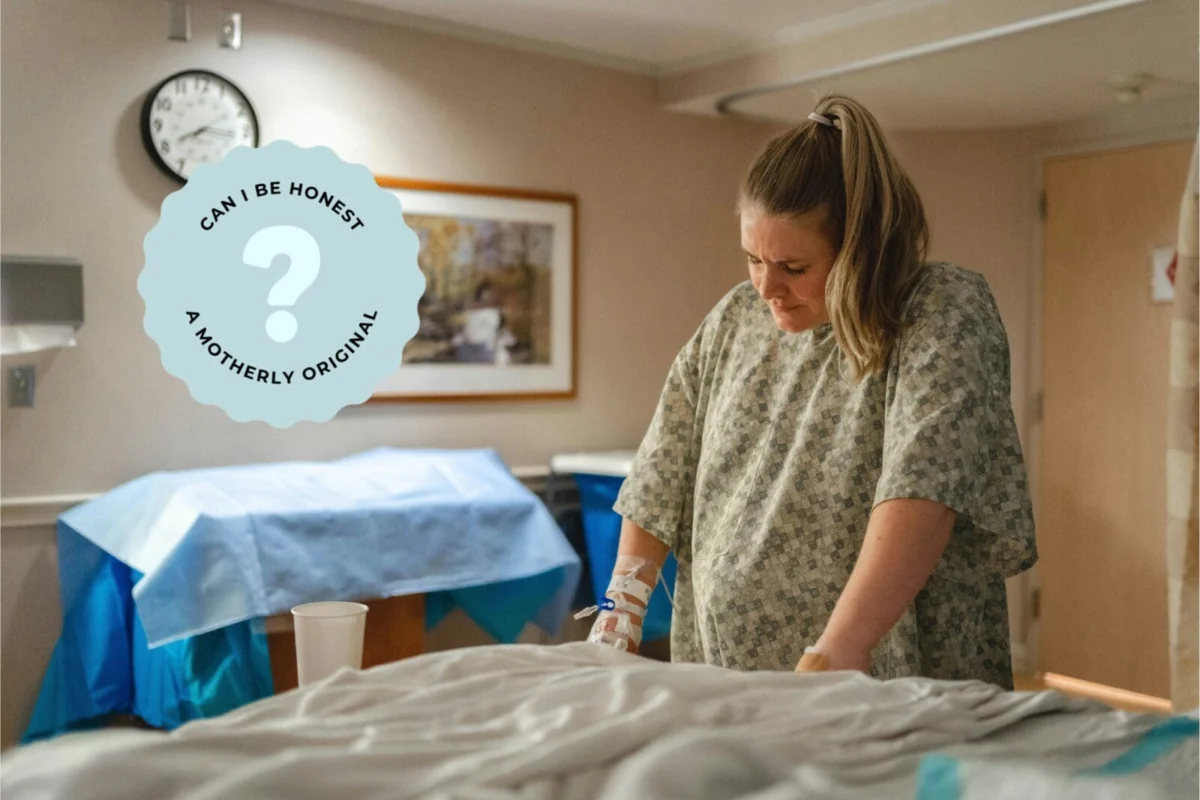
Childbirth is frequently depicted in popular media as a standardized event characterized by rhythmic abdominal contractions and a predictable progression toward delivery. However, for a significant subset of birthing individuals, the reality of labor deviates sharply from these cultural expectations. One of the most challenging and frequently misunderstood variations of the birthing process is known as back labor. Unlike traditional labor, which is primarily centered in the uterine muscles and experienced as abdominal cramping, back labor manifests as intense, often unrelenting pressure and pain in the lower lumbar region, the sacrum, and the tailbone.

Clinical data suggests that while not every instance of back pain during labor signifies a complicated presentation, the condition is often associated with the position of the fetus. Specifically, back labor is frequently linked to an occiput posterior position, wherein the fetus is oriented with its skull against the mother’s sacrum rather than the softer tissues of the anterior pelvis. This orientation forces the fetal skull—the hardest part of the infant’s anatomy—to exert direct, prolonged pressure on the maternal tailbone and nerves throughout the labor process, resulting in a significantly different pain profile than that of a standard occiput anterior delivery.

Clinical Physiology and Fetal Positioning
To understand why back labor occurs, one must look at the mechanics of fetal rotation. During the second stage of labor, a fetus typically rotates so that the back of its head faces the mother’s abdomen. This allows the smallest diameter of the head to pass through the pelvic inlet. In a posterior presentation, the fetus fails to rotate or remains in a position where the back of the head is directed toward the maternal spine.

Board-certified obstetricians and gynecologists, including Dr. Brandye Wilson-Manigat, emphasize that while fetal position is a primary driver, it is not the sole factor. The anatomy of the maternal pelvis, the size of the fetus in relation to the birth canal, and the overall efficiency of uterine contractions all play roles in whether a patient will experience back labor. Some individuals report a constant, dull ache that persists even between contractions, while others experience sharp, stabbing pain that synchronizes with uterine activity. Because the pain is localized to the back and sacral nerves, it is frequently described as more resistant to conventional coping mechanisms, such as breathing techniques or position changes, than traditional abdominal labor.

A Chronology of the Labor Experience
The psychological and physical toll of back labor often begins with a mismatch between expectation and reality. Many expectant parents prepare for labor based on educational materials that focus on the "rhythmic wave" of contractions. When back labor occurs, this rhythm can feel chaotic or disjointed.

In a typical clinical scenario, a patient may arrive at a labor and delivery unit presenting with severe, persistent back pain. Because the pain is not always exclusively tied to the intensity of uterine contractions, the clinical assessment can become complex. Medical teams may struggle to gauge the progress of cervical dilation if the patient is unable to remain still due to the intensity of the back-directed pain. Furthermore, in cases where the fetal position causes prolonged pressure, there is an increased statistical likelihood of fetal heart rate decelerations. These decelerations often prompt closer monitoring, which can, in turn, lead to increased medical interventions, such as the administration of intravenous fluids, continuous electronic fetal monitoring, or the use of labor-augmenting medications to ensure a timely delivery.

Data and Prevalence in Modern Obstetrics
While precise statistics on the prevalence of "back labor" are difficult to isolate due to the subjective nature of pain reporting, it is widely accepted that occiput posterior presentation occurs in approximately 10% to 15% of all pregnancies at the onset of labor. Most of these cases naturally rotate to an anterior position during the descent. However, when they do not, the likelihood of a longer labor, increased use of epidural anesthesia, and a higher rate of operative vaginal delivery (such as the use of forceps or vacuum extraction) increases significantly.

Recent studies published in maternal-fetal medicine journals indicate that patients experiencing persistent posterior presentation have a higher risk of third- and fourth-degree perineal lacerations, likely due to the larger diameter of the fetal head presenting against the pelvic floor. These clinical implications underscore the importance of early recognition by midwives, nurses, and obstetricians.

The Role of Maternal Advocacy and Informed Consent
One of the most pressing issues in the discourse surrounding labor and delivery is the gap in patient education. Many birthing individuals report that they were not adequately informed about the possibility of back-centered pain during their prenatal visits. This lack of preparation can lead to a sense of confusion or failure when labor does not follow the "standard" progression they were taught to expect.

Healthcare providers are increasingly being encouraged to discuss the full spectrum of labor sensations, including the possibility of non-traditional pain patterns, during prenatal appointments. Informed consent is not merely about signing forms for procedures; it is about providing the patient with an accurate mental map of the potential variations in the birth process. When a patient understands that back pain may be a mechanical result of fetal position—rather than a sign that their body is "doing it wrong"—the psychological impact can be mitigated.

Addressing the Broader Context of Maternal Care
The conversation surrounding back labor is part of a larger, systemic shift in how maternal health is managed in the United States and abroad. As reports from organizations like Gallup and various maternal health advocacy groups suggest, patients are increasingly seeking to be treated as active partners in their medical care rather than passive recipients of clinical protocols.

When a patient experiences the intensity of back labor, the response from the clinical team—ranging from the nursing staff to the anesthesiologist—can profoundly affect their birth outcome. Techniques such as the application of counter-pressure to the sacrum, the use of sterile water injections, or encouraging specific movements like lunging or kneeling can offer non-pharmacological relief for back-focused pain. When these options are presented clearly and promptly, the patient is better able to navigate the physiological stress of the event.

Implications for Future Labor Preparation
The systemic implications of these experiences are clear: maternity care must become more personalized. Medical facilities that prioritize continuous, one-on-one labor support, such as the integration of doulas or dedicated labor nurses, have shown higher rates of patient satisfaction, even when the labor itself is complex or prolonged.

Furthermore, there is a growing demand for research into preventative positioning. While it is not always possible to "turn" a baby during labor, prenatal exercises that focus on pelvic mobility and fetal positioning—often discussed within the context of Spinning Babies or other biomechanical approaches—are gaining traction. While these methods are not a panacea, they represent an effort to empower patients with tools to improve their comfort and potentially optimize fetal positioning before the onset of labor.

Conclusion: A Path Toward Better Support
The experience of back labor serves as a poignant reminder that while the physiological process of birth is universal, the lived experience is deeply individual. For those who encounter it, the pain can be isolating, especially if they feel they are the only ones having such an intense experience.

By fostering a culture of transparency in obstetrical care, where medical professionals proactively discuss the potential for various labor presentations, the medical community can help transform a potentially traumatic experience into a manageable one. Whether through better education, increased access to labor support, or a greater willingness to adapt clinical protocols to the specific needs of the birthing person, the goal remains the same: to ensure that every parent feels informed, supported, and heard, regardless of the path their labor takes. The journey of birth is rarely a straight line, but with the right knowledge and the right team, it is a journey that patients can be better equipped to navigate with dignity and strength.