Reynand Holland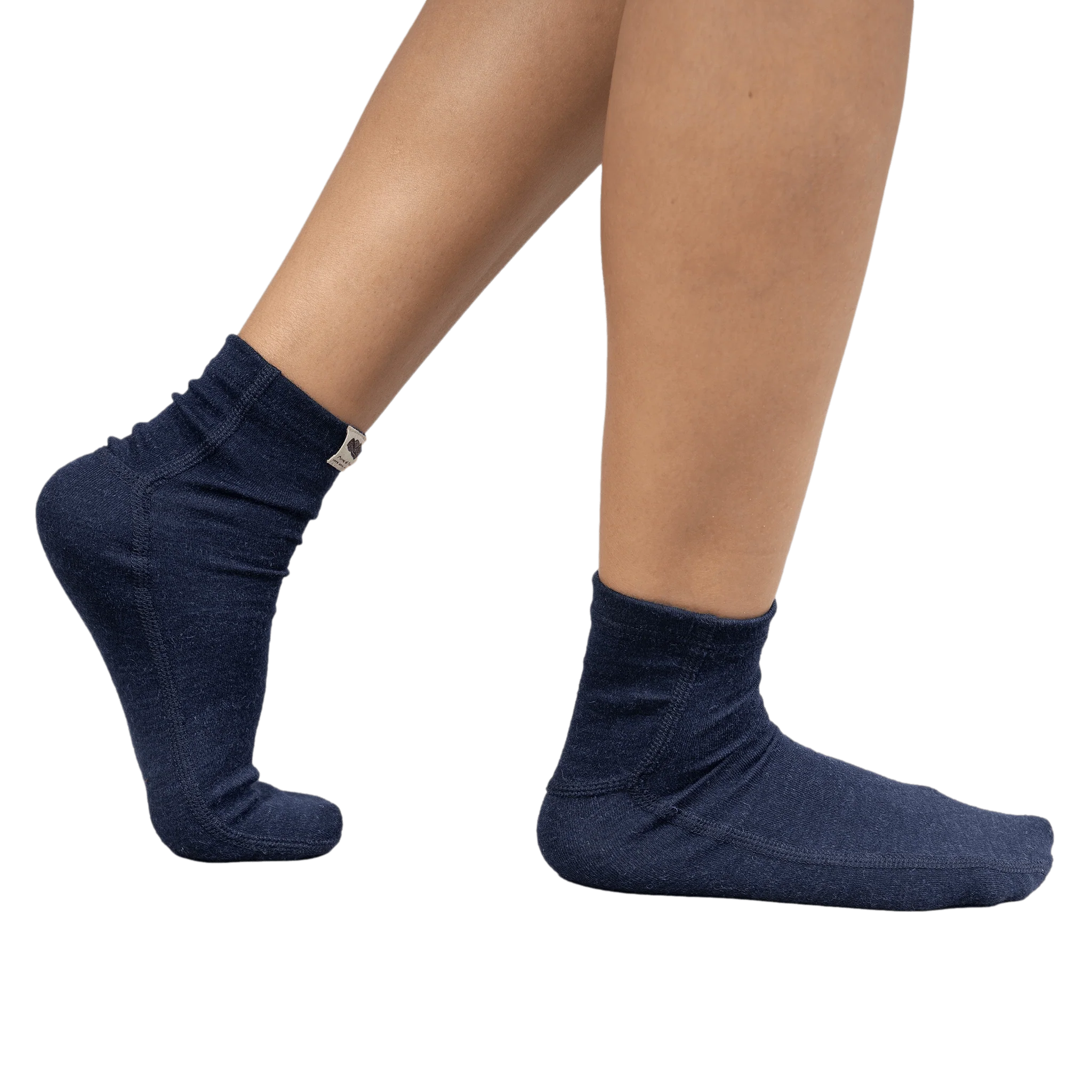
Socks, often overlooked as a mere foot covering, play a far more significant role in our daily comfort and well-being than commonly acknowledged. For many, the subtle discomfort of itchy feet when wearing synthetic, brightly colored socks is a familiar, albeit often dismissed, sensation. This seemingly minor irritation can be a direct indicator of underlying issues related to the materials and dyes used in their construction, prompting a crucial shift towards natural fibers and skin-safe colorants. The prevalence of plastic-based socks extends beyond mere odor retention; it introduces a host of potential health concerns, including skin sensitization and even carcinogenic risks, particularly when absorbed through the skin during periods of perspiration.
The alarmingly common use of azo-benzene disperse dyes on polyester, a synthetic fabric, has been identified as a significant contributor to these issues. These dyes are not only known skin sensitizers, triggering allergic reactions and dermatitis in susceptible individuals, but scientific studies, including research published in the National Center for Biotechnology Information (NCBI), have linked them to potential carcinogenic properties when absorbed through the skin. Socks, by their very nature, are in constant contact with the skin, especially during physical activity when sweat increases absorption rates. This intimate and prolonged contact elevates the risk associated with these potentially harmful chemicals.
However, the pursuit of comfort and health does not necessitate a sacrifice of personal style. The market is increasingly offering a diverse range of non-toxic sock options, encompassing both understated, undyed natural hues and vibrant, playful patterns, catering to a wide spectrum of skin sensitivities and aesthetic preferences. This evolving landscape allows consumers to make informed choices that prioritize both their health and their personal style.
The Crucial Role of Natural Materials
For individuals experiencing synthetic sensitivities or managing existing skin conditions, the adoption of socks crafted from 100% natural fibers emerges as the most beneficial strategy for foot health. The ubiquitous presence of elastane, a synthetic fiber, in most modern socks for stretch and fit, makes finding entirely synthetic-free options a rarity. Nevertheless, several brands are successfully navigating this challenge. Cottonique and Arms of Andes are notable examples that offer sock collections largely devoid of synthetic materials. For other brands, it is prudent to assume a minimal percentage of synthetics, which may not trigger irritation in the majority of wearers. However, for those with heightened sensitivities, it is advisable to note brands that disclose a synthetic content of 20% or more.
Merino and alpaca wool stand out as exceptional choices for sock construction due to their inherent properties of odor resistance and moisture-wicking capabilities. The Responsible Wool Standard (RWS) certification is a key indicator for consumers, assuring that the wool has been ethically harvested without resorting to mulesing, a painful procedure performed on sheep to prevent parasitic infections. Beyond wool, organic cotton, Tencel, linen, and bamboo viscose offer comfortable and breathable alternatives. For those not acutely sensitive to synthetics, blends incorporating recycled materials like nylon and polyester can be a viable option, provided that natural fibers constitute the majority of the blend.
Ensuring Non-Toxic Dyes and Finishes
Individuals with dye sensitivities will find a growing number of brands offering solutions. Many brands now provide an array of undyed socks, celebrating the natural colors of the fibers themselves. For dyed socks, seeking certifications such as Oeko-Tex and bluesign is paramount. These certifications serve as independent verification that the dyes and finishes employed are free from hazardous substances. Furthermore, brands that proactively publish a restricted substances list (RSL) demonstrate a commitment to rigorous chemical management and consumer safety.
Transparency and Ethical Sourcing in the Supply Chain
The ethical production of clothing, including socks, is an increasingly important consideration for conscious consumers. Transparency in a brand’s supply chain is a critical indicator of ethical manufacturing practices. Brands that readily share information about their manufacturing partners and locations offer greater assurance of fair labor and responsible production. Certifications such as Fair Trade, WRAP (Worldwide Responsible Accredited Production), and B Corp provide additional layers of verification for ethical sourcing and labor practices. These certifications often encompass aspects of worker safety, fair wages, and environmental responsibility throughout the production process.
Sustainable Packaging Practices
Even seemingly small items like socks can contribute to waste if not packaged thoughtfully. Consumers are encouraged to look for brands that utilize compostable, biodegradable, or recycled and recyclable packaging materials. Certifications from the Forest Stewardship Council (FSC) can further confirm that paper and cardboard packaging materials have been sourced from responsibly managed forests, aligning with broader environmental conservation efforts.
Spotlight on Leading Sustainable Sock Brands
1. Harvest & Mill: This U.S.-based brand distinguishes itself by crafting dye-free organic cotton socks, grown, spun, and knit domestically to minimize its supply chain footprint and support local agriculture. Committed to sustainability, Harvest & Mill repurposes or recycles all fabric scraps and utilizes compostable packaging. Our testing indicated that their dye-free socks are exceptionally cozy and breathable, with crew styles offering ample ankle coverage without constricting cuffs. Despite their substantial cotton composition, they maintain a lightweight feel. Prices range from $11-$12 for single pairs to $33-$66 for multi-packs, with availability in most countries.
2. Subset (formerly Knickey): A Brooklyn-based brand recognized for its commitment to PFAS-free products, Subset offers Fair Trade and Oeko-Tex-certified organic cotton socks. The cotton is sourced from an organic farm in India, where the entire production process, from ginning to sewing, takes place. While our tester noted the thinness of the socks, deeming them suitable for tighter-fitting shoes and a dressier aesthetic, she found the embedded elastic in the cuffs did not cause skin irritation. A point of consideration is that Subset socks contain approximately 24% synthetics. Each pair is priced at $12, and they are available in the U.S., Australia, Canada, and most European countries.
3. Paka: Holding a B Corp certification, Paka produces durable yet lightweight socks primarily from alpaca wool and Tencel. These moisture-wicking and odor-resistant socks are dyed using Oeko-Tex-certified colorants and are spun by Peruvian artisans. Their commitment to sustainability extends to biodegradable and compostable packaging. Our sensitive skin tester lauded Paka socks for their warmth and thickness, making them ideal for cold weather and long hikes. While a mild itchiness was reported after prolonged wear, it was attributed to the natural texture of alpaca wool rather than a chemical reaction. Paka socks contain up to 50% recycled synthetics. Prices range from $20-$24 for single pairs to $48-$96 for bundles, with worldwide availability.
4. Arms of Andes: Standing out as one of the few brands offering socks entirely free of synthetic materials, Arms of Andes provides 100% alpaca fiber slipper socks sourced from free-range alpacas. These Oeko-Tex-certified socks are lightweight, well-insulated, soft, and moisture-wicking. The brand fosters close collaborations with co-op farmers in the Andes, overseeing the entire design and production process. Orders are shipped in compostable packaging. Arms of Andes socks are priced between $20-$25 for single pairs and $65 for packs, available in the U.S., EU, and UK.
5. Cottonique: Specializing in 100% cotton, allergy-free apparel, Cottonique is a leading provider of completely synthetic-free socks. Their offerings are latex-free, bleach-free, and hypoallergenic, featuring covered seams to prevent irritation. Developed in consultation with dermatologists, Cottonique prioritizes the safety of sensitive skin. The brand sources its organic cotton from India, manufactures in the Philippines, and uses compostable packaging. Prices for Cottonique socks range from $16 for single pairs of thigh-highs to $16-$21 for multi-packs, with availability in most countries.
6. Boody: This Australian brand offers a diverse range of sock thicknesses suitable for various activities, from lounging to active pursuits. Boody utilizes Oeko-Tex-certified organic bamboo viscose sourced from India, alongside organic cotton and recycled nylon. The brand adheres to a strict code of conduct and collaborates with WRAP-certified facilities in China, Vietnam, and India. Prices for Boody socks range from $9.95-$17.95 for singles to $54 for bundles, available in the U.S. and Canada.
7. Kotn: A certified B Corp, Kotn cultivates enduring relationships with cotton farmers in Egypt, engaging in direct trade to ensure fair pricing. Their socks are made with organic cotton and Oeko-Tex-certified dyes, boasting a fully traceable supply chain and utilizing recycled and recyclable packaging. While some Kotn pairs contain up to 20% synthetics, our review highlighted their excellent feel, professional appearance, and ability to complement outfits. Prices range from $10-$18 for single pairs, with availability in most countries.
8. Quinn: Designed with eczema sufferers in mind, Quinn’s garments are built for durability and comfort. Their selection of organic cotton, non-toxic socks includes dye-free, lightweight, and mid-weight options. Designed in Canada, the socks are ethically produced in Oeko-Tex-certified factories in Portugal and Sri Lanka. While the cotton is GOTS-certified, its specific sourcing location is not always clear, and some pairs contain up to 20% synthetics. Our tester found both the undyed cotton ankle socks and merino wool mid-weight socks to be extremely comfortable and breathable, with the merino wool version featuring a thick heel for enhanced warmth. Prices range from $15 for singles to $75 for packs, available in most countries.
9. Cariloha: This certified B Corp creates hypoallergenic socks from bamboo viscose and organic cotton. Their Oeko-Tex and Fair Trade-certified bamboo is sourced from China, and they employ FSC-certified paper packaging. It remains unclear where Cariloha manufactures its products. Prices for single pairs range from $10-$15, with bundles priced at $30-$45. Availability is in the U.S., Australia, and Canada.
10. Dedicated: Dedicated produces Fair Trade organic cotton socks characterized by their bold patterns. Their cotton suppliers are WRAP-certified, and the specific manufacturing location for each pair is transparently listed on the product page. A notable aspect of Dedicated socks is their inclusion of up to 25% elastane. Prices range from $9-$59, with worldwide availability.
11. Darn Tough: Manufactured in Vermont at family-owned mills, Darn Tough socks are engineered for comfort and longevity. They are crafted from RWS-certified merino wool and offered in a variety of vibrant styles. Utilizing Oeko-Tex-certified materials, the brand conducts regular testing for hazardous substances in accordance with its RSL. Their commitment to sustainability is further reflected in their use of FSC-certified recycled paper, compostable bags, and vegetable-based inks. It is important to note that Darn Tough socks can contain up to 50% synthetics. Prices range from $15-$35 for singles and up to $84 for packs, available in the U.S., UK, and EU.
12. Nisolo: A certified B Corp renowned for its leather footwear, Nisolo also offers a line of attractive and comfortable socks. These socks are produced in a North Carolina family-owned mill using upcycled cotton, linen, wool, and recycled polyester. Nisolo prioritizes supply chain traceability and aims to ensure living wages for all workers. Their packaging is made from recycled materials. A significant consideration is that Nisolo socks can contain up to 70% synthetics. Prices range from $15-$20 for single pairs, with availability in the U.S., Australia, Canada, and most European countries.
13. Swedish Stockings: This brand offers knee-high and ankle socks in a variety of styles, including classic, supportive, colorful, and patterned designs. Manufactured in Italy, their socks are made with Oeko-Tex-certified materials such as bamboo viscose, organic cotton, organic wool, recycled polyester, and virgin and recycled elastane. Some Swedish Stockings socks are entirely synthetic. Prices for ankle sock bundles are $19, single knee-highs are $22-$45, and knee-high bundles range from $50-$90. They are available in most countries.
The growing awareness of the potential health impacts of conventional sock materials and dyes is driving a significant shift in consumer preferences. By prioritizing natural fibers, non-toxic dyes, and transparent, ethical production practices, consumers can not only enhance their personal comfort but also contribute to a more sustainable and healthier fashion industry. The simple act of choosing the right pair of socks can have a surprisingly far-reaching positive impact.