Cintya Tara Annisa
The global specialty coffee industry is currently grappling with a phenomenon known as aesthetic homogenization, a trend where independent cafes increasingly adopt a standardized visual identity despite their stated mission to offer an alternative to corporate chains. This development was recently highlighted in a study published in the journal City, Culture, and Society, which examined the architectural and social cues that define modern "third-wave" coffee establishments. While the study has drawn criticism from industry professionals for its methodology—specifically its classification of staff physical appearances as design elements—it has sparked a broader conversation regarding how consumers identify quality in an era where the visual markers of "premium" coffee have become ubiquitous.
The Study of Aesthetic Homogenization
The research, titled "The Aesthetic Homogenization of Independent Coffee Shops," sought to understand why businesses that position themselves as the antithesis of monolithic entities like Starbucks often end up looking remarkably similar. The researchers utilized a survey-based approach, asking participants to visualize a typical specialty cafe and identify the specific components that defined the space. The findings suggested a high degree of convergence in consumer expectations, with several recurring themes emerging as the "standard" kit for an independent coffee shop in the mid-2020s.
According to the data, 66% of respondents identified "baristas or staff with tattoos or piercings" as a primary indicator of an independent specialty cafe. This finding has been a point of contention among coffee journalists and industry veterans, who argue that human demographics and personal style choices should not be conflated with interior design or service quality. Nevertheless, the study suggests that in the public consciousness, the "look" of the personnel is inextricably linked to the brand identity of the shop.
Other prominent features identified in the study included:
- Chalkboard Signage: Used for menus or daily specials, signaling a handcrafted, non-permanent approach to business.
- Reclaimed Wood Furniture: A staple of the mid-2010s that continues to persist as a symbol of sustainability and "rustic" authenticity.
- Exposed Brick and Industrial Elements: Architectural choices that suggest a "raw" or "honest" use of urban space.
- Local Art and Indoor Greenery: Elements intended to foster a connection to the immediate community and create a "lifestyle" atmosphere.
- Latte Art: A visual confirmation of technical skill that has transitioned from a specialty niche to a baseline consumer expectation.
The Rise of "AirSpace" and Global Design Trends
The homogenization described in the study is not an isolated incident within the coffee world; it is part of a larger cultural shift that urban sociologists often refer to as "AirSpace." This term, popularized in the late 2010s, describes a geography of coffee shops, co-working spaces, and boutique hotels that share the same aesthetic regardless of their physical location. Whether in Brooklyn, Berlin, Tokyo, or Dallas, the "minimalist-industrial" aesthetic has become a global default.
This convergence is driven largely by digital platforms. Instagram and Pinterest have created a feedback loop where certain design choices—such as white tiled walls, hanging Edison bulbs, and Monstera plants—are rewarded with social media engagement. For business owners, adopting these "proven" visual cues reduces the perceived risk of failure, as these elements signal to a specific demographic of high-spending "digital nomads" and specialty enthusiasts that the shop is "for them."
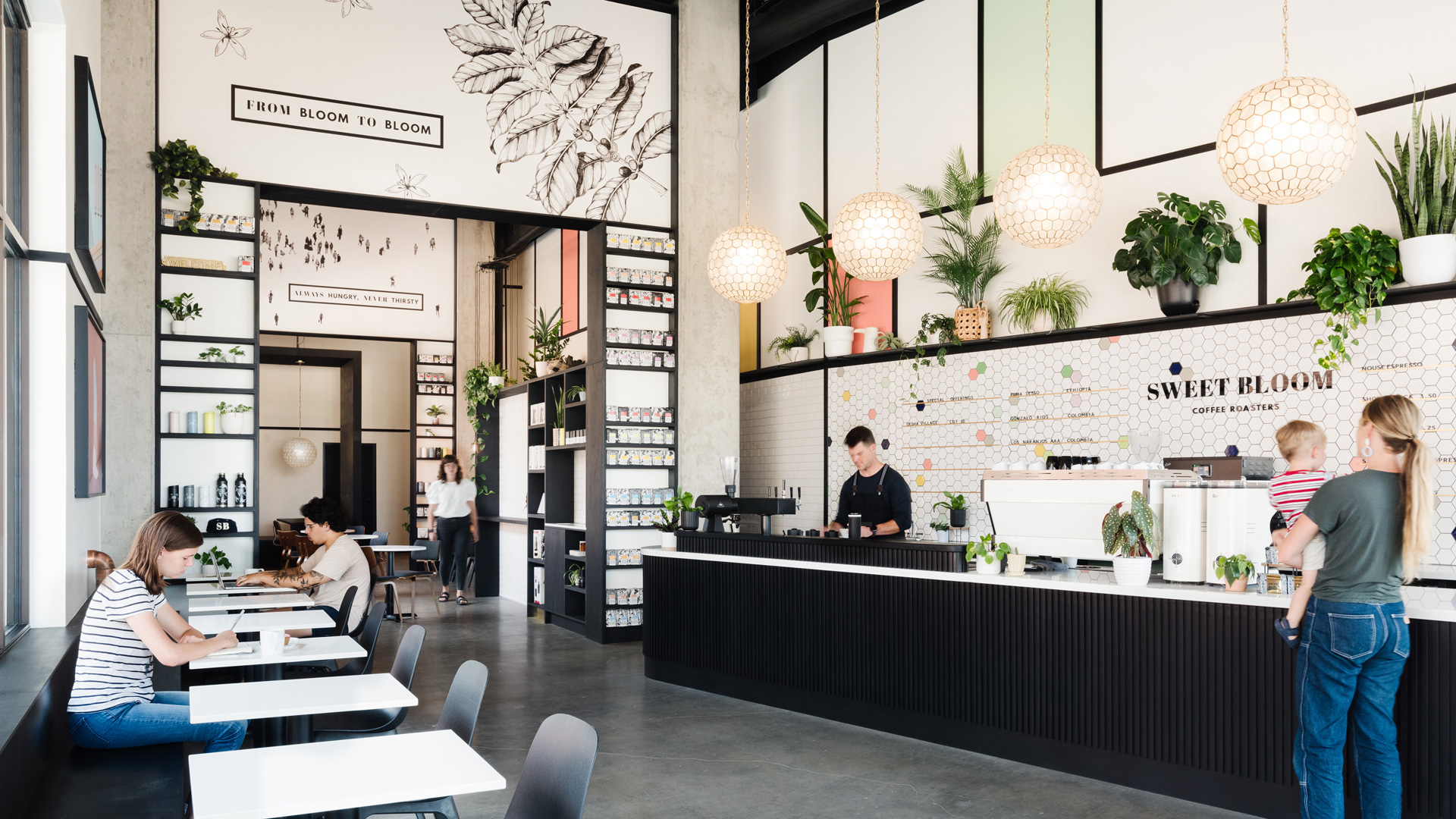
However, as the study in City, Culture, and Society suggests, this has led to a paradox. The independent coffee shop, which rose to prominence by offering a unique, localized alternative to the "cookie-cutter" consistency of Starbucks, has developed its own version of a corporate template. This has made it increasingly difficult for consumers to distinguish a truly high-quality specialty operation from a "lifestyle" cafe that merely adopts the aesthetic without the underlying commitment to coffee excellence.
Historical Context: The Evolution of Quality Cues
To understand where the industry stands in 2026, it is necessary to examine how the markers of coffee quality have shifted over the last quarter-century. In the early 2000s, the mere presence of a high-end espresso machine, such as a La Marzocco Linea Classic, was enough to signal to a connoisseur that the establishment took its craft seriously. At that time, specialty coffee was a burgeoning movement, and the equipment was a significant capital investment that separated serious practitioners from casual operators.
By the 2010s, the "tell" shifted toward brewing methods. The introduction of pour-over bars, featuring Hario V60s or Chemex brewers, became the new benchmark. This era also saw the rise of the "minimalist" aesthetic: clean white palettes, open floor plans, and a lack of traditional condiments like sugar and cream carousels. These design choices were meant to mirror the clarity and purity of the light-roasted coffees being served.
As these markers were adopted by larger chains and "second-wave" shops looking to premiumize their brand, the specialty industry moved toward more technical indicators. The focus shifted to transparency—listing the specific farm, altitude, and processing method of the beans on the menu. In the early 2020s, the availability of alternative milks, specifically high-quality oat milk, and the presence of sophisticated water filtration systems became the new points of differentiation.
Identifying Quality in 2026: Beyond the Aesthetic
In the current landscape of 2026, the "Sprudge-look"—a term coined by the industry publication Sprudge to describe the hyper-curated, Instagram-ready aesthetic of modern cafes—has become so prevalent that it no longer serves as a reliable indicator of coffee quality. Experts now argue that consumers must look for more nuanced "tells" to determine if a shop is dedicated to the highest standards of the craft.
1. Advanced Equipment and Maintenance
While the brand of the espresso machine still matters, the focus has shifted to the precision of the auxiliary equipment. The presence of gravimetric scales built into the espresso machines, high-end grinders like the Mahlkönig EK43 or the latest Mazzer models, and automated milk steaming technology (for consistency) are modern hallmarks of a high-output, high-quality shop. Furthermore, the cleanliness of the steam wands and the organization of the bar area are often better indicators of a shop’s standards than the decor.
2. Thoughtful Roaster Selection and Rotation
A quality-focused cafe in 2026 is often defined by its relationships with roasters. Rather than sticking to a single "house" brand for years, many top-tier shops now operate as multi-roaster cafes, featuring a rotating selection of seasonal beans from around the world. The presence of "guest" roasters from different countries indicates a level of engagement with the global coffee community. Additionally, the packaging of the coffee for sale—providing roast dates and detailed flavor profiles—remains a critical sign of freshness and transparency.

3. The Tea and Alternative Beverage Program
Interestingly, one of the most reliable modern indicators of a great coffee shop is the quality of its tea menu. A shop that puts effort into sourcing single-origin loose-leaf teas and preparing them at the correct temperatures typically applies that same level of obsessive detail to its coffee service. Conversely, a shop that serves high-end espresso but uses generic tea bags is often seen as prioritizing the "aesthetic" of coffee over the actual science of beverage preparation.
4. Menu Curation and Specialty Drinks
In 2026, the "specialty signature drink" has become a sophisticated art form. Moving beyond simple flavored lattes, leading cafes are now incorporating techniques from molecular gastronomy and high-end mixology. A menu that features balanced, inventive drinks using house-made shrubs, ferments, or botanical infusions suggests a kitchen-like rigor that usually extends to the espresso extraction.
The Impact of Homogenization on the Market
The ongoing homogenization of cafe design has significant economic and social implications. For independent owners, the pressure to conform to a certain look can lead to high startup costs, as reclaimed wood, custom metalwork, and high-end plants are expensive. This can contribute to the "gentrification aesthetic," where the arrival of a "Sprudge-lookin’" cafe signals a shift in neighborhood demographics and rising property values.
Furthermore, when every shop looks the same, brand loyalty becomes harder to maintain. If a consumer cannot distinguish between three different independent shops based on their environment, they may revert to choosing based on price or convenience—the very factors that benefit large corporate chains. This puts independent shops in a precarious position where they must find new ways to innovate, not just in their coffee, but in their "vibe" and community engagement.
Future Implications and the Search for Authenticity
As the industry moves forward from 2026, there is an emerging "counter-trend" toward maximalism and hyper-locality. Some new establishments are rejecting the minimalist "AirSpace" look in favor of designs that reflect the specific history of their building or the culture of their neighborhood. This "Post-Homogenization" era focuses on creating spaces that feel lived-in and unique, rather than curated for a global digital audience.
The critique of the study in City, Culture, and Society serves as a reminder that while aesthetics are important, they are not the substance of the specialty coffee movement. Tattoos, piercings, and exposed brick may be part of the current cultural zeitgeist, but they do not guarantee a well-extracted shot of espresso.
Ultimately, the responsibility of identifying quality is shifting back to the consumer. In a world where the visual cues of "premium" are easily mimicked, the true "tells" of a quality shop are found in the glass: the clarity of the brew, the sweetness of the milk, and the knowledge of the person behind the counter. The specialty coffee industry is currently in a state of reflection, questioning whether it has traded its soul for a consistent, marketable aesthetic, and seeking ways to reclaim the individuality that defined its origins.