

Managing multiple digital platforms has become an increasingly complex operational challenge for modern enterprises, independent brands, and digital creators alike. Operating across various networks simultaneously requires continuous content creation, strategic repurposing, rapid trend adaptation, and rigorous performance analytics review. For small business owners and solo entrepreneurs, these responsibilities are continuously balanced alongside core business operations. To alleviate this administrative strain, the market for social media management tools has expanded significantly, offering software designed to streamline publishing, engagement, and reporting workflows.
Understanding the Landscape of Social Media Management Software
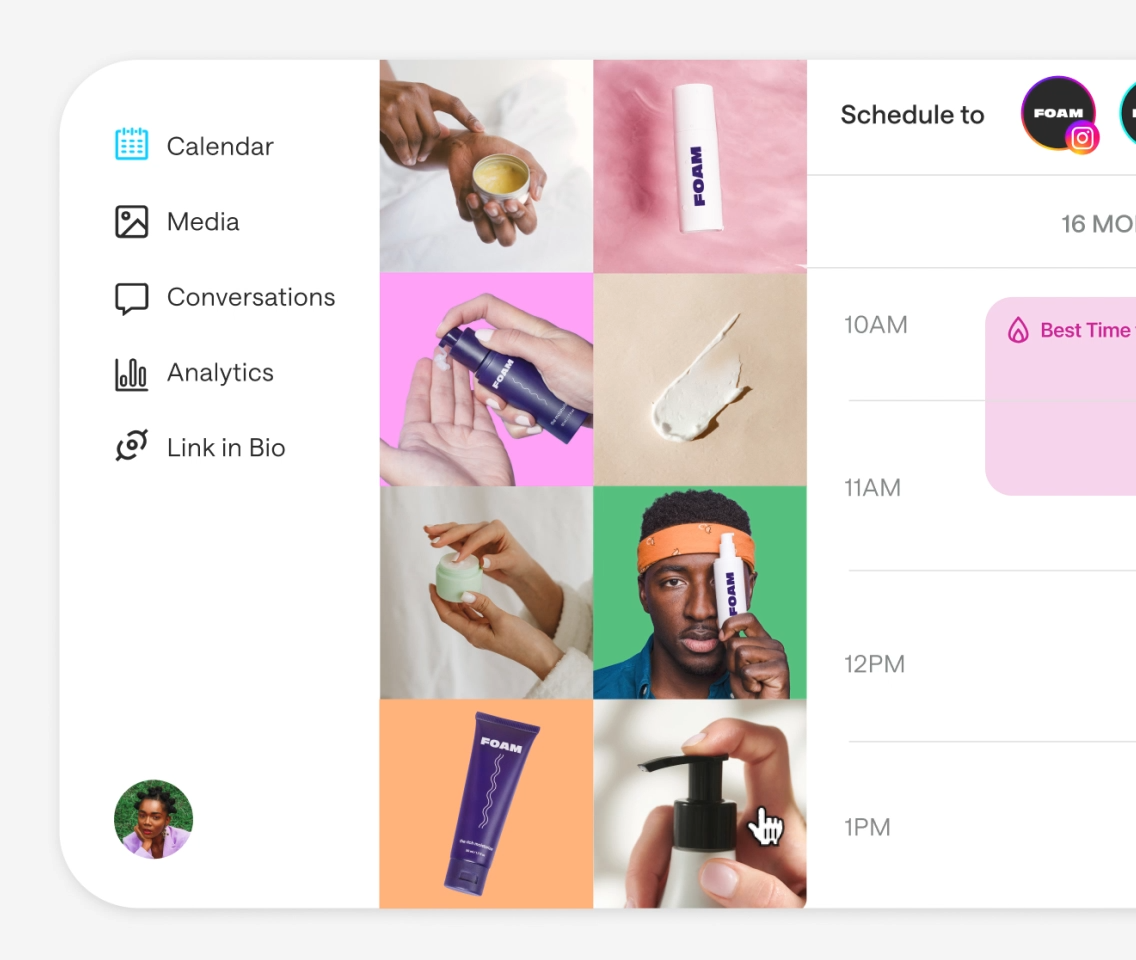
Social media management platforms function as centralized applications that allow users to plan, schedule, publish, engage with, and analyze content across multiple digital networks from a single unified dashboard. This eliminates the operational inefficiency of logging in and out of separate native applications. Contemporary software solutions typically combine cross-platform scheduling, unified community inboxes for direct messages and comments, and performance analytics.
These platforms range from free, streamlined solutions tailored for independent creators to complex enterprise suites featuring advanced social listening, customer relationship management (CRM) integration, and multi-layered governance protocols. Industry analysts note that selecting an effective management tool extends beyond reviewing a checklist of features; it requires adopting software that integrates seamlessly into daily operational routines.
To assist organizations and individuals in navigating this crowded marketplace, an evaluation of the top 11 social media management tools highlights their primary use cases, standout features, and pricing structures as of 2026.
1. Buffer: Best for Creators and Small Businesses
Buffer operates as a user-friendly social media management platform engineered specifically for creators and lean teams seeking streamlined scheduling, engagement, and reporting capabilities without a steep learning curve.
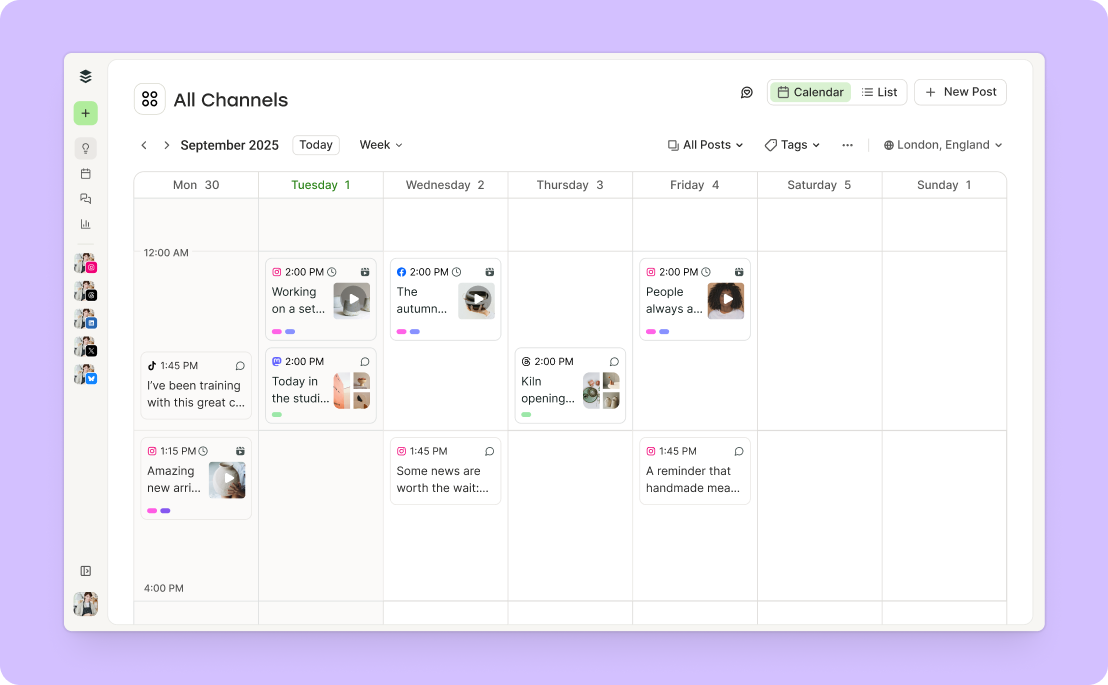
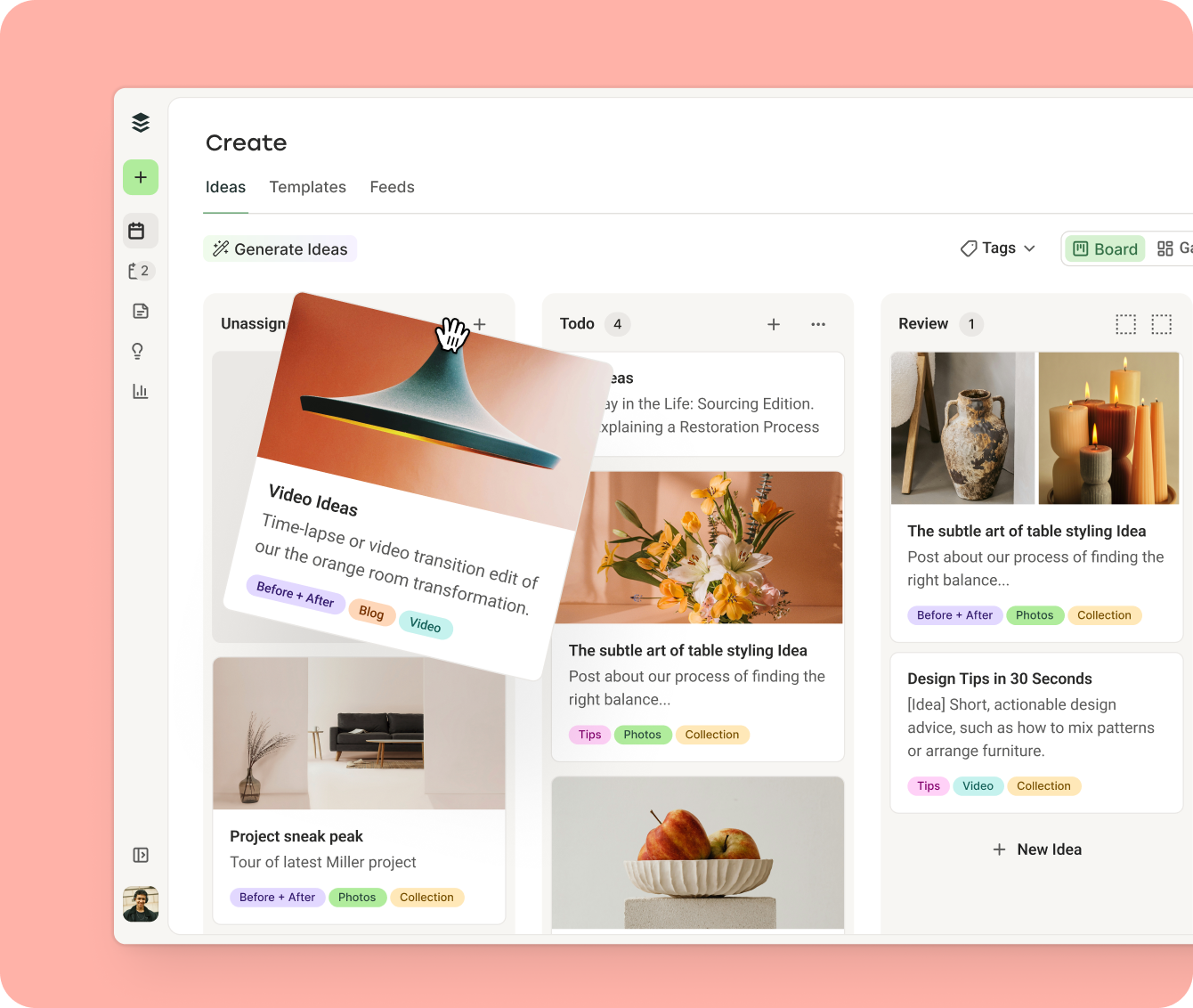
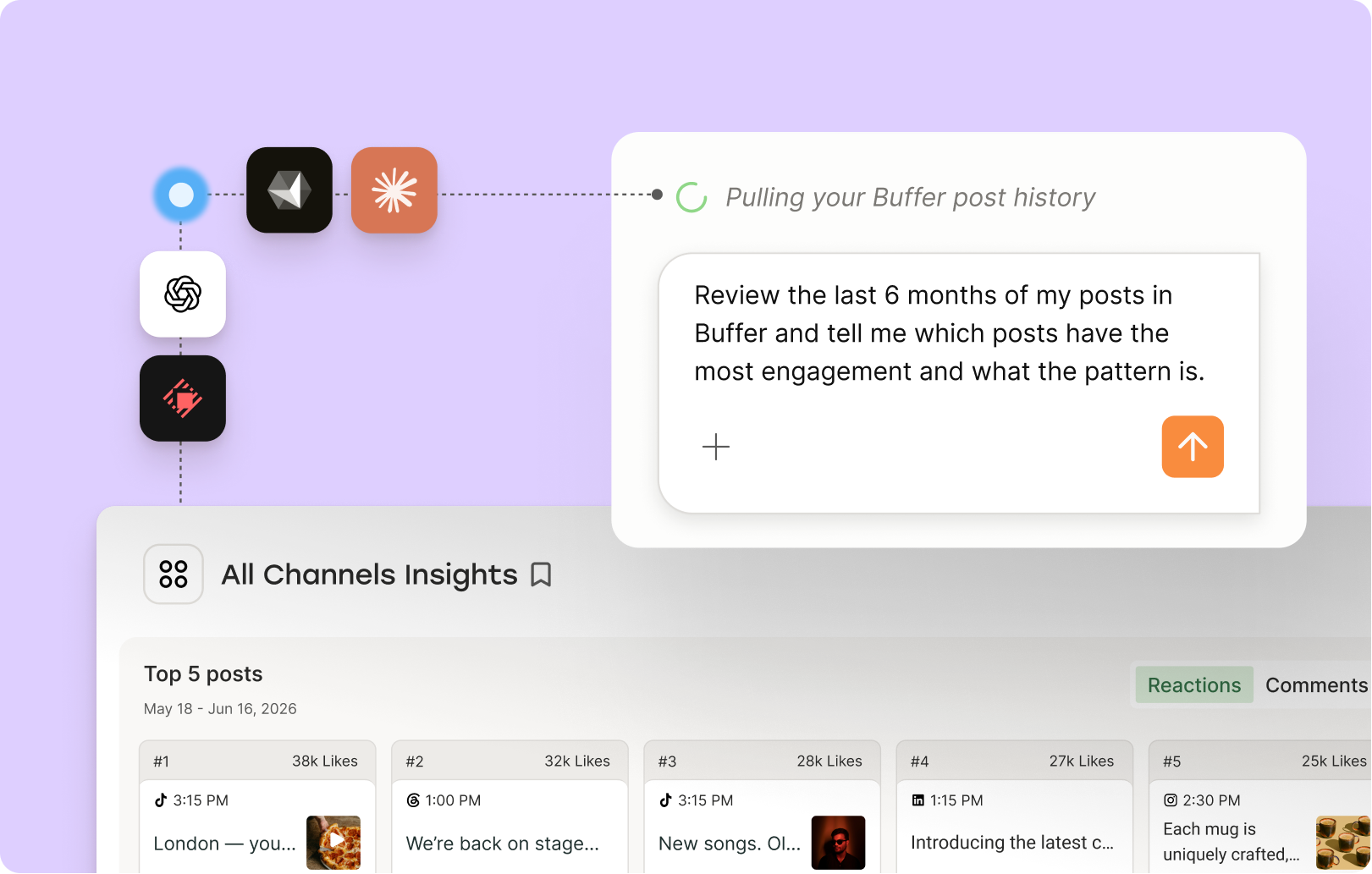
- Standout Features: Flexible drag-and-drop content calendar, smart scheduling queues, direct AI agent integrations, and a robust free tier.
- Supported Platforms: Instagram, Facebook, Threads, TikTok, LinkedIn, Pinterest, YouTube Shorts, X, Bluesky, Mastodon, Substack Notes, and Google Business Profile.
- Pricing Model: Free forever plan available for up to three channels; paid tiers utilize per-channel pricing starting at $6 per month per channel.
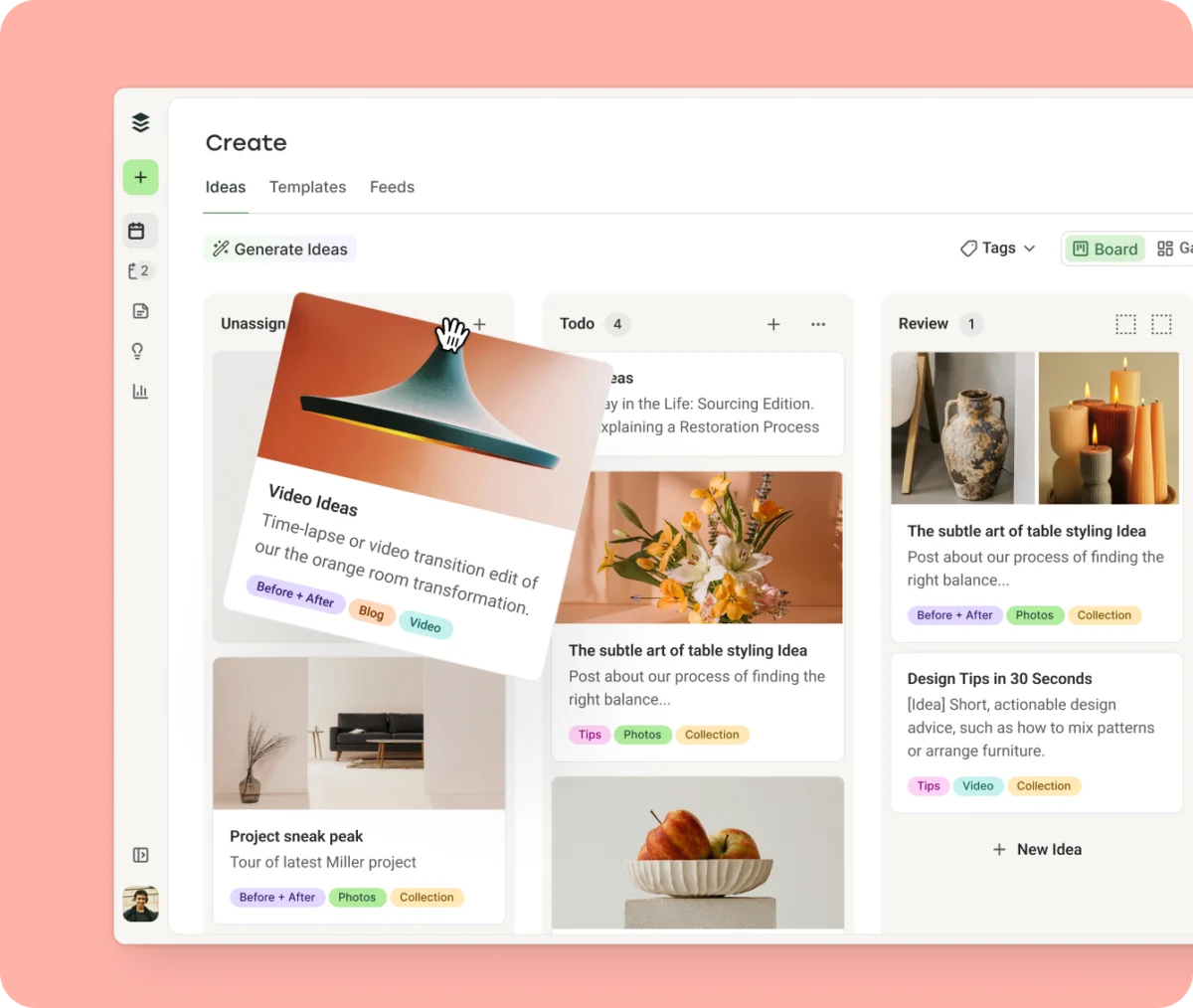
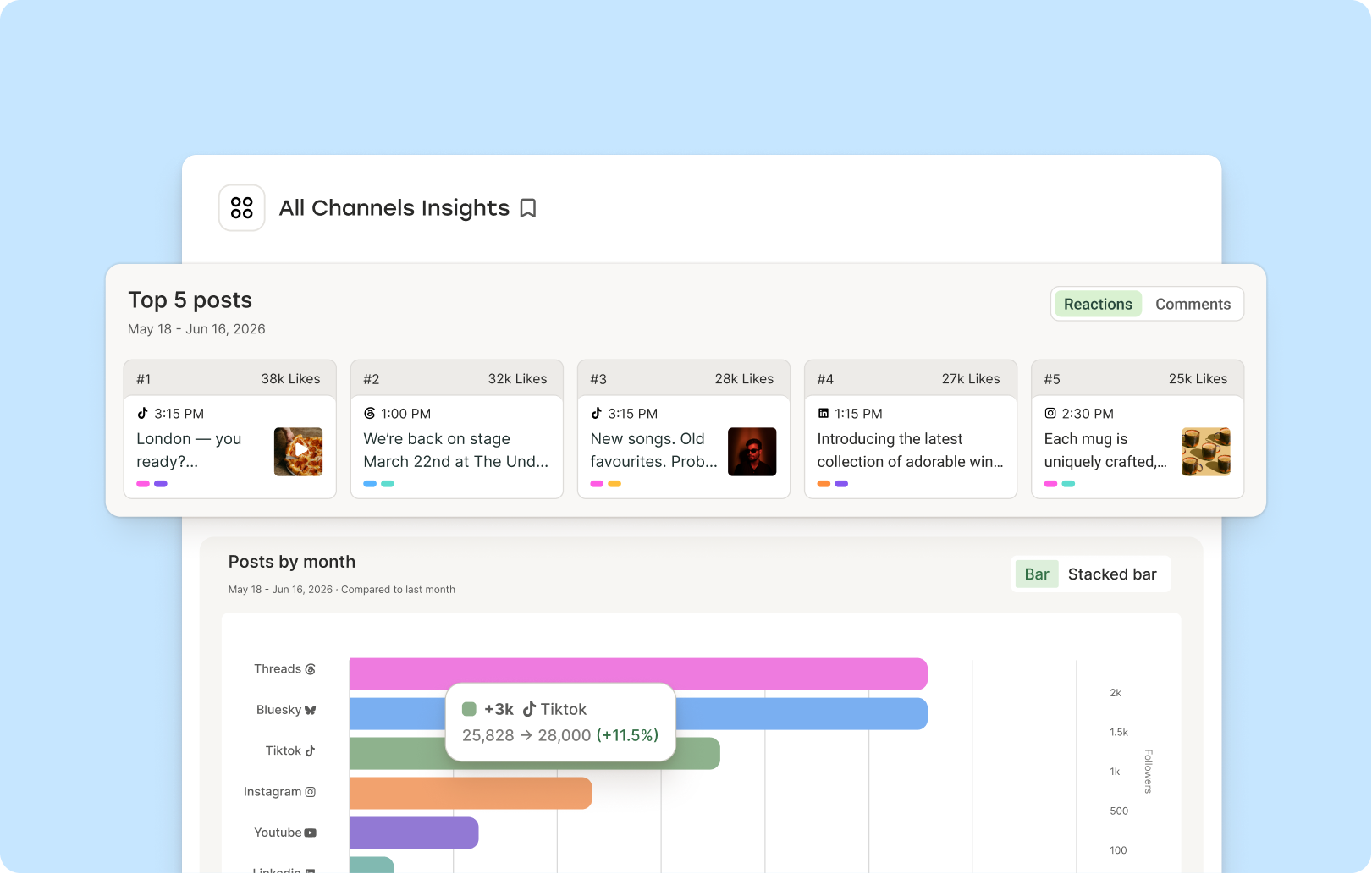
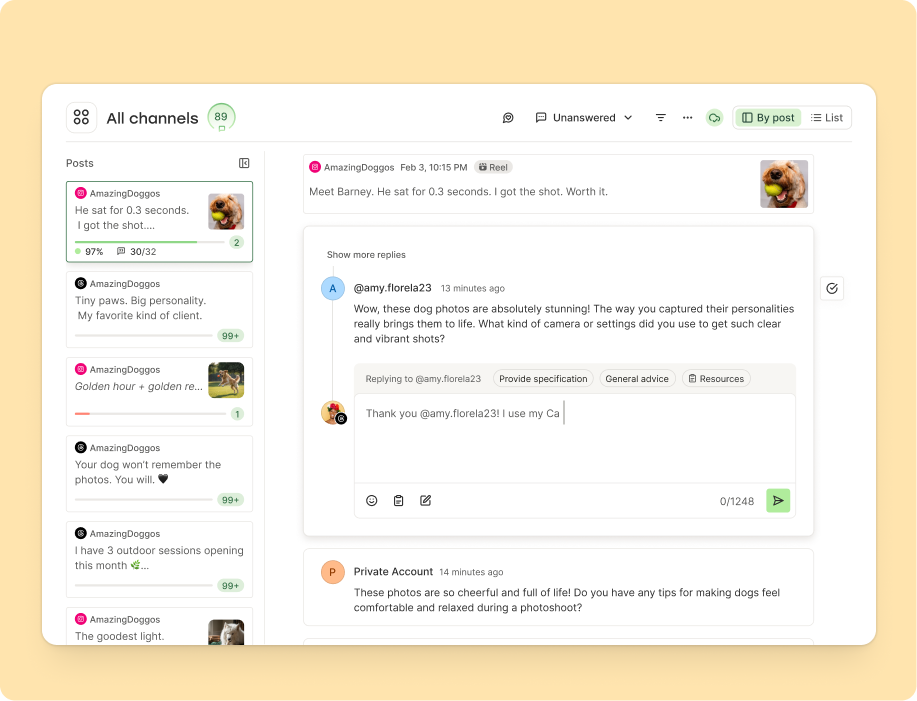
Buffer remains a preferred choice for solo operators and small businesses due to its minimalist interface and reliable performance. While it lacks heavy enterprise capabilities such as multi-layered approval workflows or deep social listening, its combination of cross-channel scheduling, idea storage spaces, and unified community inboxes provides essential utility for everyday digital publishing.
2. Hootsuite: Best for Enterprise Social Listening
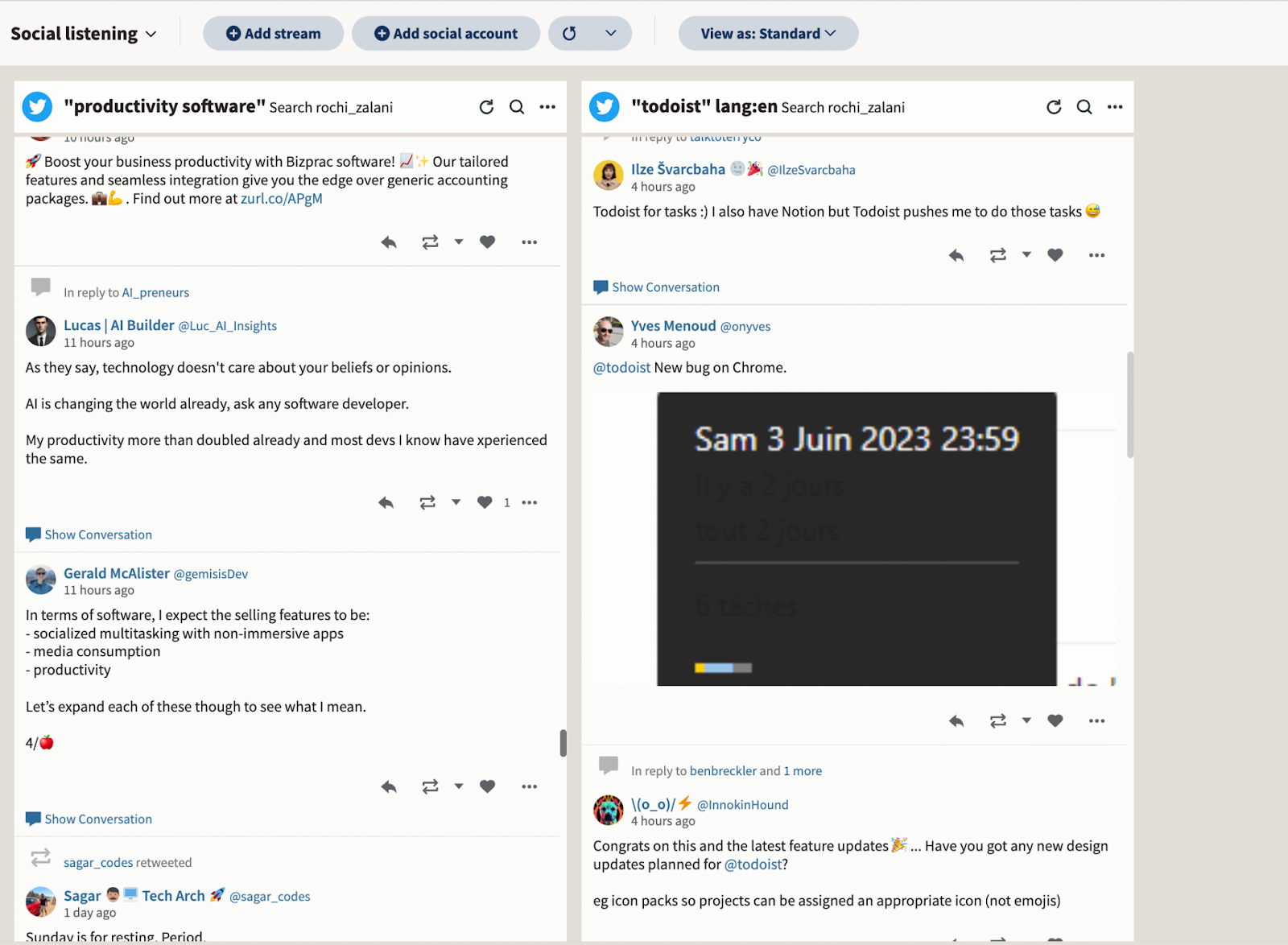
Hootsuite represents an established institutional platform tailored for larger organizations that require advanced social listening infrastructure and granular access controls.
- Standout Features: Talkwalker-powered social listening dashboards and comprehensive team permission hierarchies.
- Supported Platforms: Instagram, Facebook, LinkedIn, TikTok, YouTube, X, and Pinterest.
- Pricing Model: Starts at $99 per user per month, with no permanent free tier (30-day trial available).
Following its acquisition of consumer intelligence platform Talkwalker, Hootsuite offers robust capabilities for tracking brand mentions, industry trends, and public sentiment across global markets. Although its feature-rich dashboard presents a steeper learning curve, it remains a standard solution for technical marketing teams backed by substantial software budgets.
3. Tailwind: Best for Pinterest-Centric Strategies
Tailwind functions as a specialized marketing platform designed specifically around the algorithmic requirements of Pinterest.
- Standout Features: One-click pin design generators and automated preset-interval scheduling.
- Supported Platforms: Pinterest (primary), alongside secondary support for Instagram and Facebook.
- Pricing Model: Limited free tier available; professional plans begin at $29.99 per month.
As an official Pinterest partner, Tailwind focuses on visual content optimization and growth strategies. Its automated scheduling intervals and integrated pin-design tools make it an efficient option for e-commerce brands and bloggers heavily reliant on visual discovery engines.
4. SocialPilot: Best for Agency Client Management
SocialPilot is structured to meet the operational demands of digital agencies managing numerous client portfolios simultaneously.
- Standout Features: White-label client dashboards and shareable content approval links that require no client sign-in.
- Supported Platforms: Instagram, Facebook, LinkedIn, TikTok, YouTube, X, Pinterest, and Google Business Profile.
- Pricing Model: Starts at $30 per month for a single user, supported by a 14-day trial.
SocialPilot simplifies agency workflows by segmenting client accounts into isolated sub-dashboards and streamlining review processes through external approval links. It offers a cost-effective alternative to larger enterprise suites while maintaining essential scheduling and collaboration controls.
5. Zoho Social: Best for Existing Zoho Ecosystem Users
Zoho Social offers standard scheduling and reporting functionality, deriving its primary value from native integration with the broader Zoho software suite.
- Standout Features: Direct integration with Zoho CRM and Zoho Desk.
- Supported Platforms: Instagram, Facebook, LinkedIn, X, TikTok, YouTube, and Google Business Profile.
- Pricing Model: Free tier available for one user; paid plans start at $15 per month.
For enterprises already utilizing Zoho products for customer support and sales operations, Zoho Social bridges marketing campaigns with customer service ticketing. This integration allows support teams to address customer inquiries originating from social channels within a unified operational environment.
6. Sprout Social: Best for Combined Social, Influencer, and Advocacy Campaigns
Sprout Social is an enterprise-grade platform that consolidates traditional social media marketing with influencer discovery and employee advocacy programs.
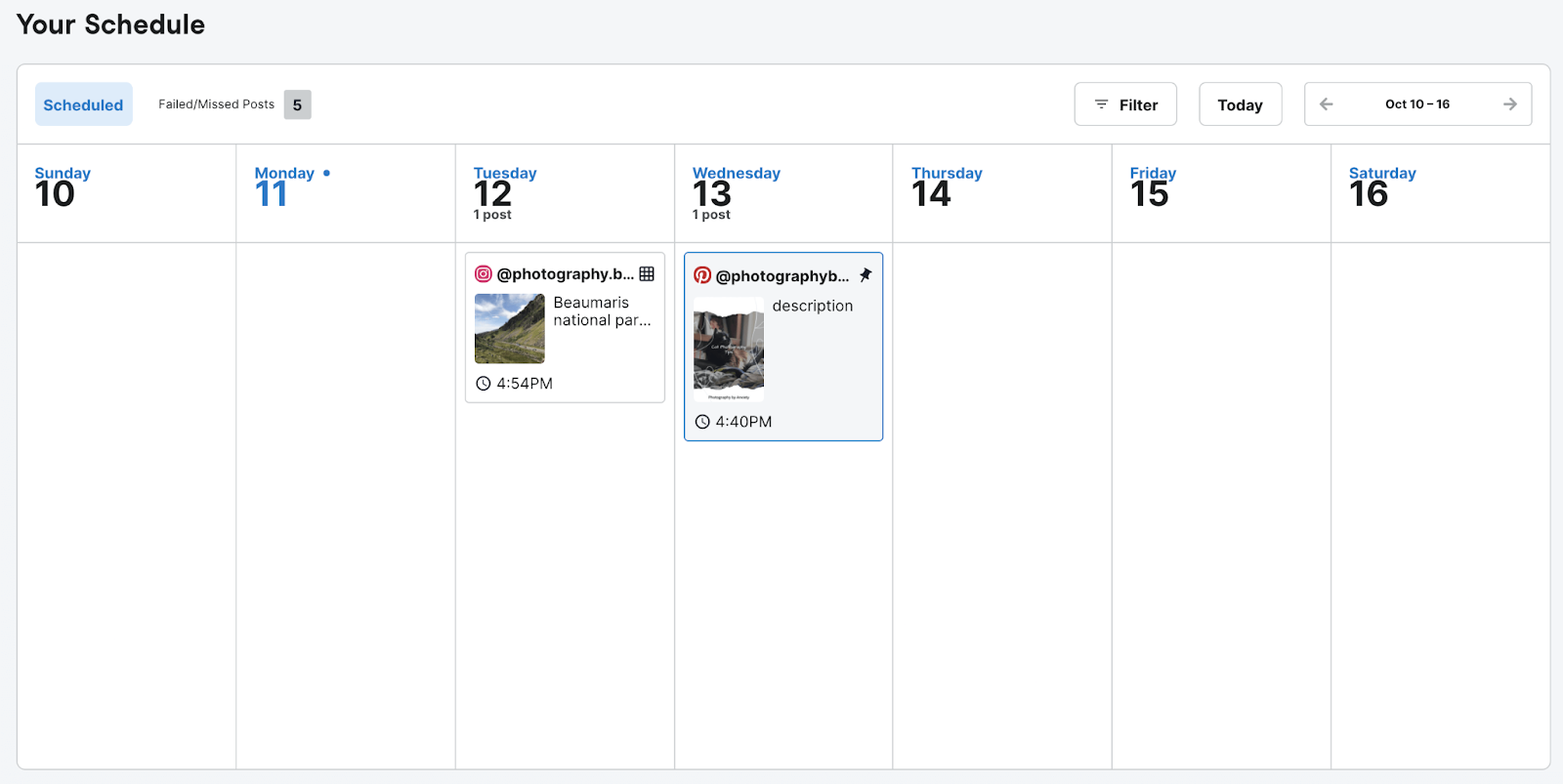
- Standout Features: Built-in employee advocacy tools and Tagger-powered influencer relationship management.
- Supported Platforms: Instagram, Facebook, LinkedIn, X, TikTok, YouTube, Pinterest, and Threads.
- Pricing Model: Starts at $99 per seat per month for basic tiers, with advanced features residing on higher plans; 30-day trial available.
Sprout Social provides polished data visualization, deep analytics, and sophisticated collaboration tools. Through its integration with Tagger Media, the platform addresses the administrative complexity of coordinating brand marketing and influencer partnerships concurrently, though its pricing model positions it firmly within the enterprise sector.
7. Oktopost: Best for B2B Buyer-Journey Tracking
Oktopost is engineered specifically for business-to-business (B2B) organizations seeking to connect social media engagement directly to revenue generation.
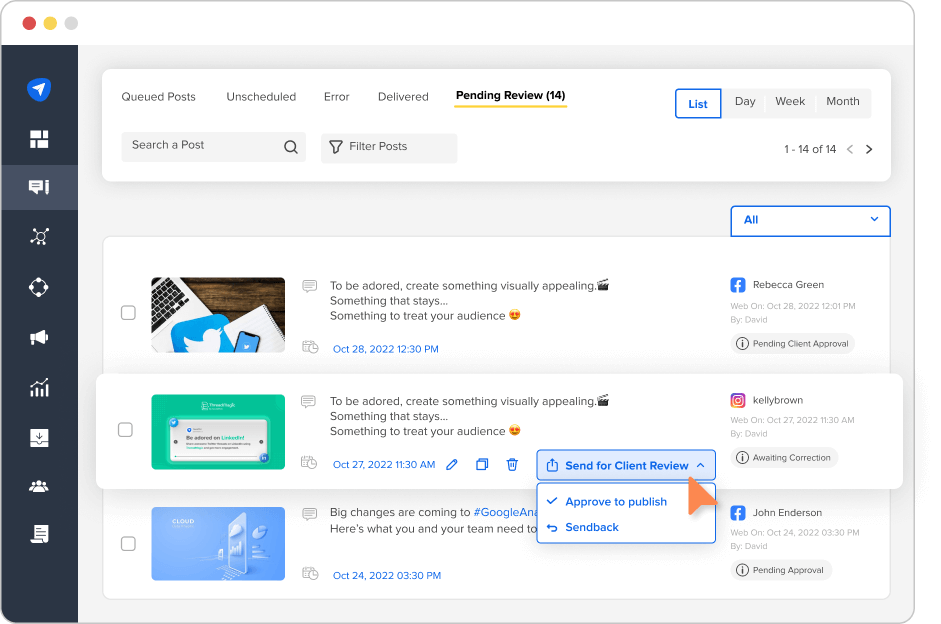
- Standout Features: Campaign-tagged publishing workflows and comprehensive buyer-journey analytics.
- Supported Platforms: LinkedIn, Facebook, Instagram, X, and YouTube.
- Pricing Model: Custom enterprise pricing (not publicly disclosed).
Unlike tools focused on follower growth or vanity metrics, Oktopost integrates UTM parameters automatically and tracks how specific social campaigns influence pipeline progression and revenue generation. This makes it an essential tool for B2B demand-generation teams.
8. Later: Best for Influencer-Driven Brand Accounts
Later evolved from an Instagram-first scheduler into a comprehensive platform focused on visual planning, analytics, and influencer marketing campaigns.
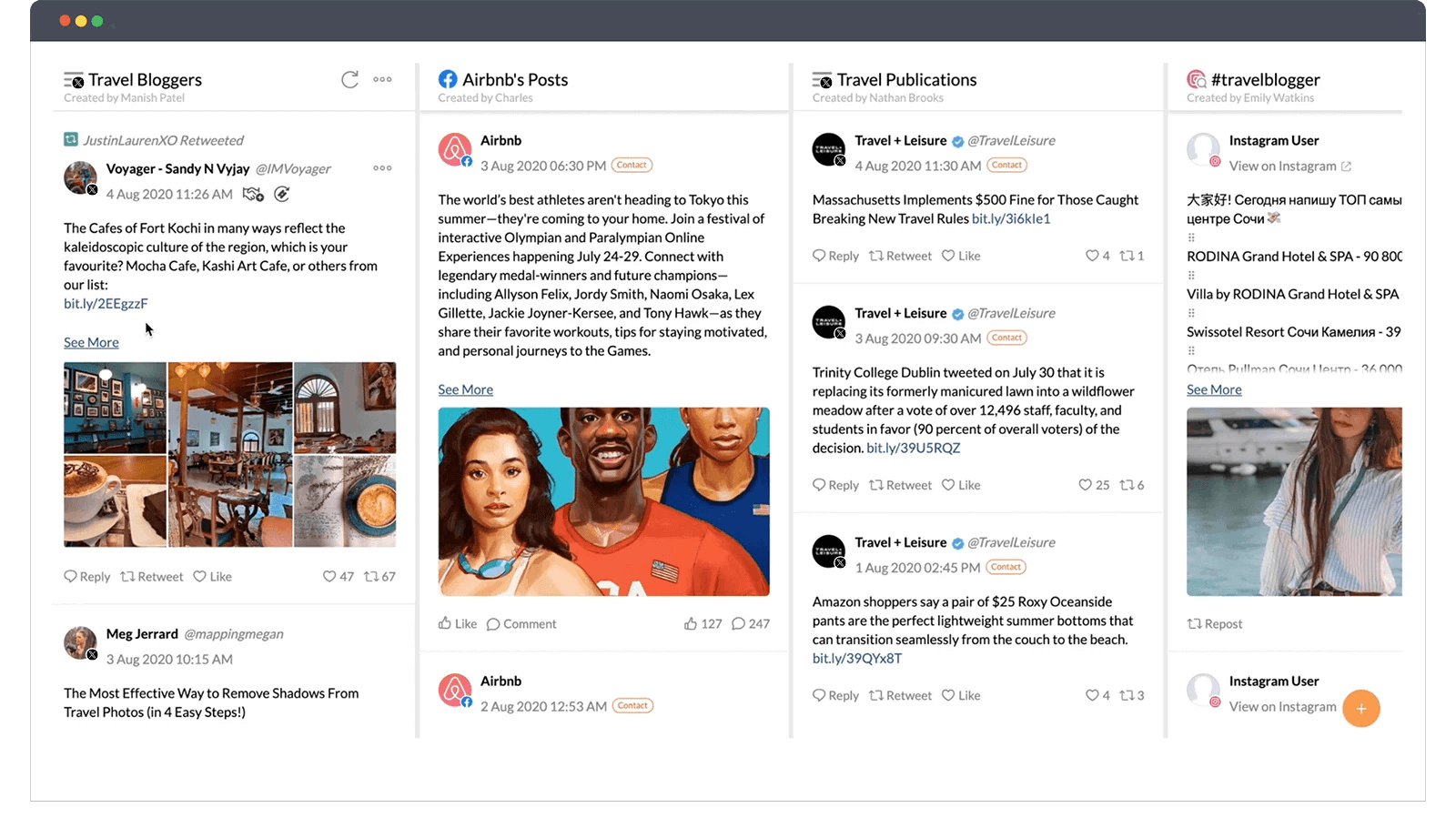
- Standout Features: Integrated creator discovery databases and campaign management tools.
- Supported Platforms: Instagram, Facebook, TikTok, LinkedIn, Pinterest, YouTube, and X.
- Pricing Model: Starts at $25 per month, restricted by posting volume caps; 14-day trial available.
Later supports brands that rely heavily on user-generated content and creator partnerships. However, users should note that entry-level tiers impose strict monthly posting limits per profile, reflecting its pivot toward broader influencer campaign management.
9. Socialinsider: Best for Advanced Analytics and Benchmarking
Socialinsider operates as a dedicated analytics engine rather than an all-in-one publishing scheduler.
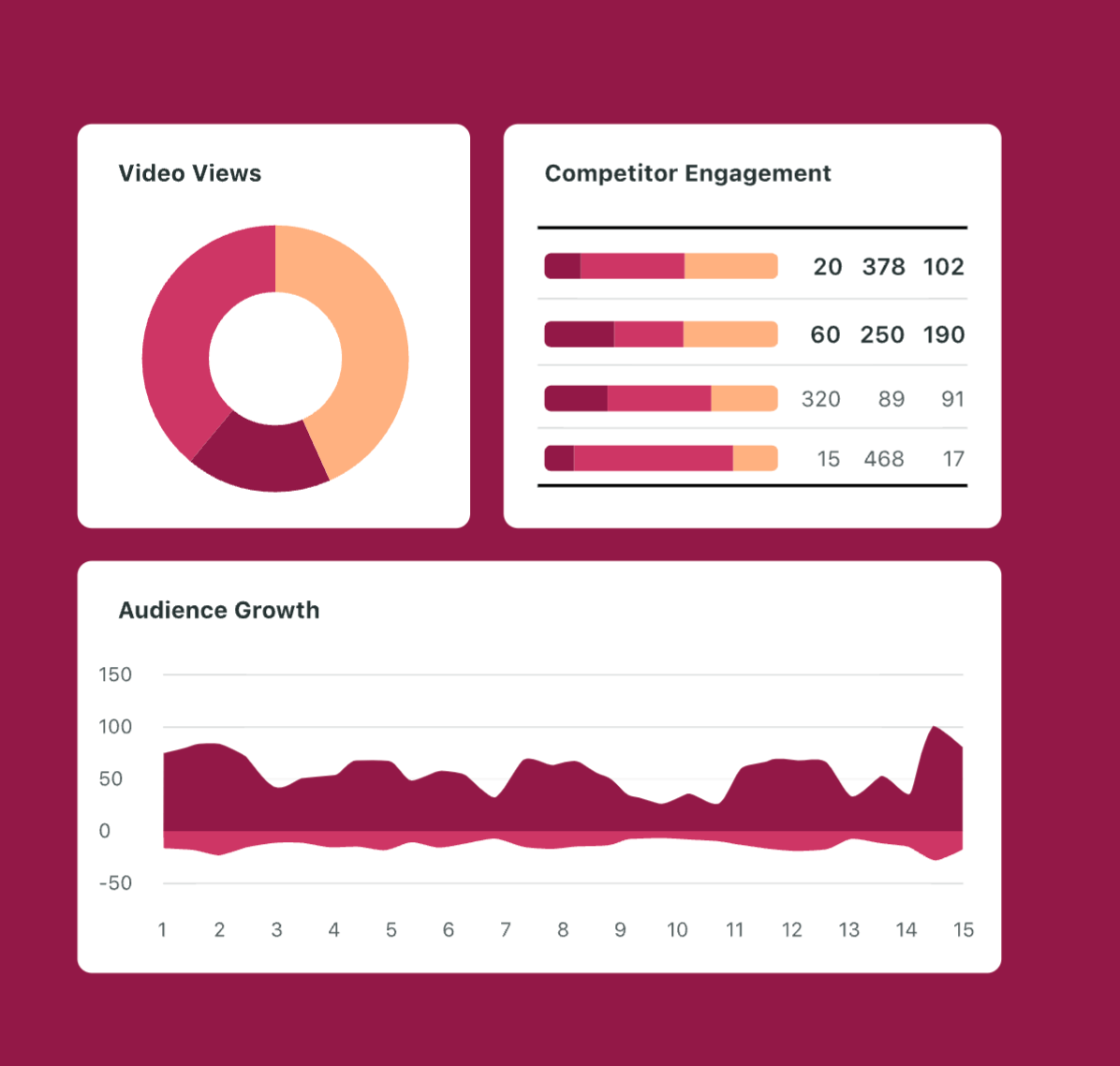
- Standout Features: Competitor key performance indicator (KPI) comparison and content-pillar categorization.
- Supported Platforms: Instagram, Facebook, LinkedIn, TikTok, YouTube, and X.
- Pricing Model: Starts at $99 per month for up to 20 accounts; 14-day trial available.
Designed for data-driven marketing teams, Socialinsider provides granular reporting on reach, engagement rates, and industry benchmarking. It is frequently paired with basic scheduling tools to deliver institutional-grade performance insights.
10. Manychat: Best for Direct Message and Comment Automation
Manychat functions as a specialized automation add-on designed to convert social media interactions into leads through automated messaging.

- Standout Features: 24/7 automated direct message (DM) and comment-triggered workflows.
- Supported Platforms: Instagram, Facebook, TikTok (beta), and WhatsApp.
- Pricing Model: Limited free tier available; paid plans start at $15 per month, scaling with contact volume.
Manychat automates conversational marketing by instantly delivering resources, links, or customer service prompts in response to specific user comments or direct messages. This capability reduces manual labor during high-volume promotional campaigns.
11. Sprinklr: Best for Complex Enterprise Governance
Sprinklr is a comprehensive customer experience management platform that incorporates enterprise-level social media governance and multi-channel monitoring.
- Standout Features: Persona-based applications and AI-driven image detection.
- Supported Platforms: All major social networks, alongside specialized messaging and review channels.
- Pricing Model: Custom enterprise pricing (not publicly disclosed).
Sprinklr meets the rigorous security, compliance, and multi-departmental governance requirements of multinational corporations. Its extensive capabilities cover social advertising, conversational commerce, and sentiment analysis, though implementation requires significant resource investment and training.
Key Evaluation Criteria for Selecting a Management Tool
Selecting an appropriate social media management tool requires a structured evaluation of organizational requirements, technical constraints, and long-term financial commitments. Industry experts recommend assessing software against five foundational criteria:
- Network Compatibility: The platform must support current priority channels while rapidly adopting emerging networks (such as Threads or Bluesky) to future-proof digital strategies.
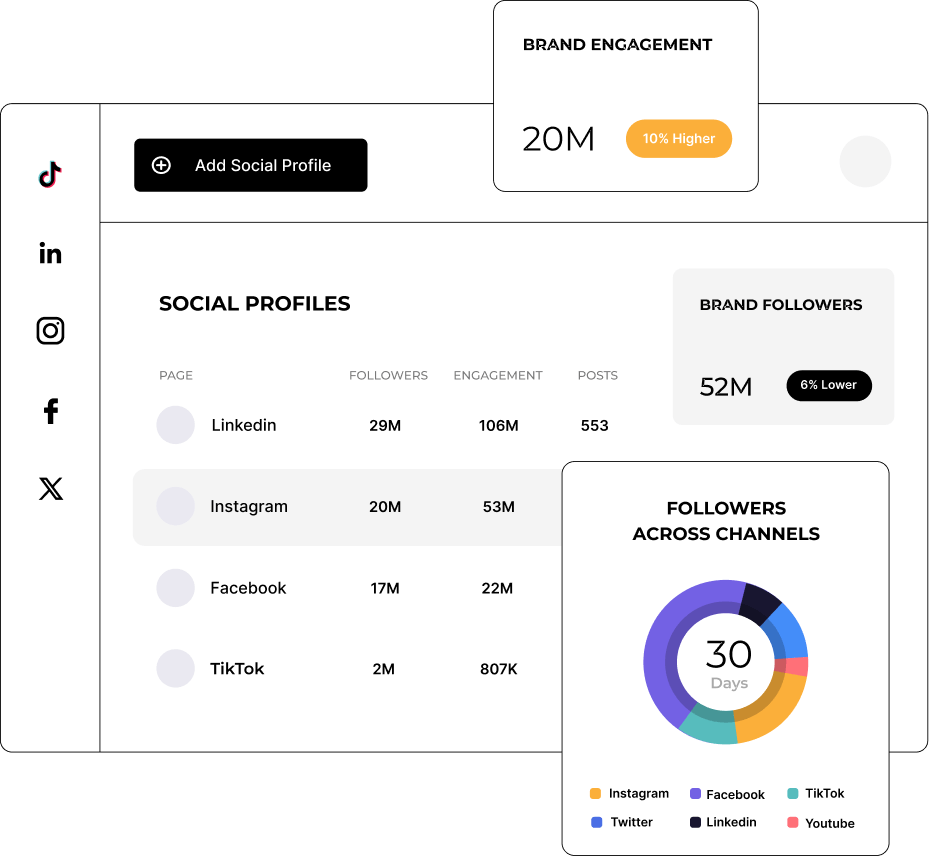
- Reporting Depth: Analytics engines should measure true engagement, conversion rates, and return on investment (ROI) rather than relying solely on vanity metrics like follower counts.
- Collaboration Infrastructure: Teams and agencies require granular user permissions, task assignment capabilities, and structured approval workflows to maintain brand safety.
- Scalable Pricing: Software costs should be evaluated based on projected growth in team size and connected profiles over a 12-month period.
- Specialized Capabilities: Unique requirements—such as integrated landing page builders, AI copywriting assistants, or CRM connectivity—should align directly with the organization’s strategic goals.
Strategic Implications and Industry Outlook
The maturation of social media management software reflects the increasing professionalization of digital communications. As algorithms evolve and audience fragmentation accelerates across new platforms, organizations can no longer rely solely on native mobile applications to maintain competitive visibility.
Choosing the correct platform ultimately depends on balancing budgetary constraints with functional requirements. While small businesses and independent creators benefit from lightweight, agile solutions like Buffer or Zoho Social, large enterprises and agencies require the rigorous governance, listening infrastructure, and CRM connectivity provided by suites like Sprout Social, Hootsuite, or Sprinklr. By systematically testing software options through available trial periods, marketing leaders can secure tools that optimize operational efficiency and drive measurable business outcomes in an increasingly digital economy.







