Ali Ikhwan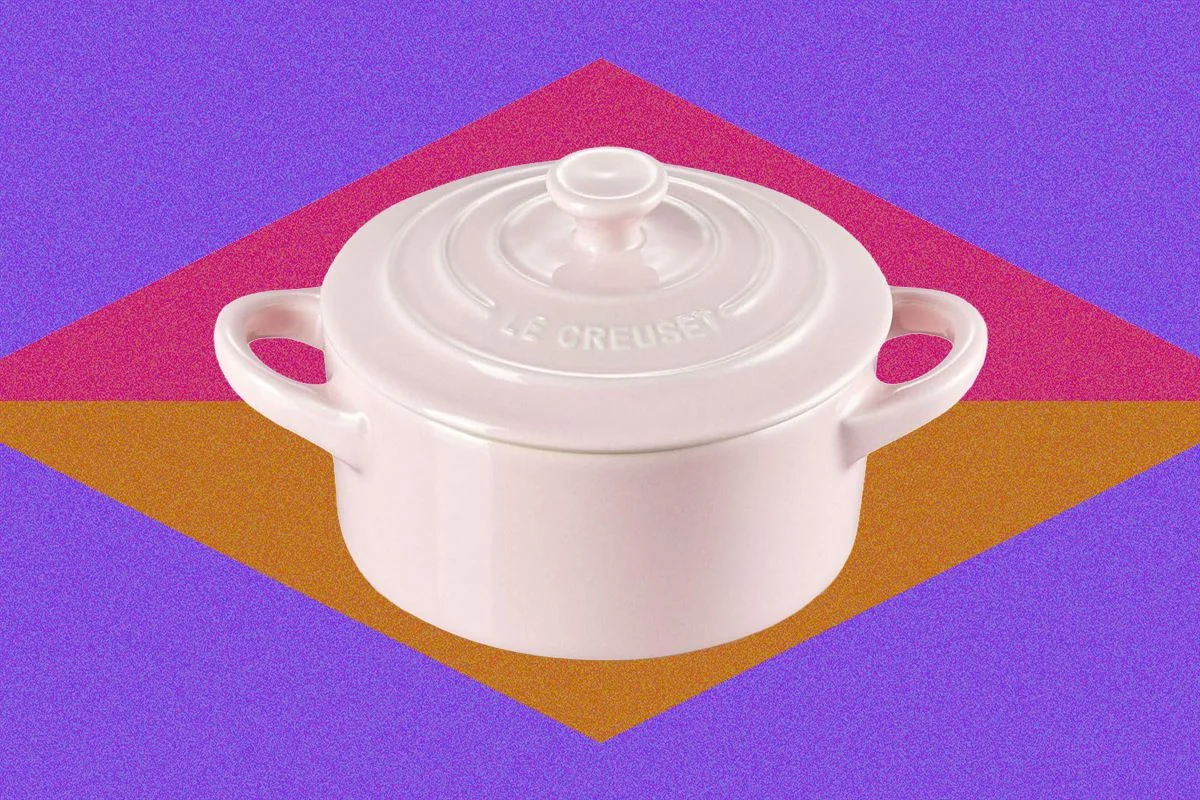
In an era defined by persistent inflationary pressures and a shifting economic landscape, the traditional value of twenty-five dollars has undergone a significant transformation. A decade ago, this sum represented a substantial amount of discretionary spending power, capable of covering essential needs or providing a high-quality gift for almost any social occasion. Today, however, that same twenty-five dollars faces a much more constrained reality. With national average gasoline prices frequently hovering near the five-dollar-per-gallon mark and the cost of a standard takeout meal for one person often exceeding the twenty-dollar threshold, consumers are forced to be more strategic and discerning in their holiday and celebratory shopping.
Recent data from the Bureau of Labor Statistics highlights that while wage growth has occurred, it has often struggled to outpace the cumulative impact of inflation on consumer goods. This divergence has created a "gift-giving gap," where the search for thoughtful, durable, and impressive presents at a lower price point has become increasingly difficult. Retail analysts suggest that the current market environment demands a shift in focus toward utility, longevity, and brand reputation to ensure that a modest budget does not result in a lackluster gift.
The Evolution of the Budget-Friendly Gift
The challenge of finding quality items under twenty-five dollars is not merely a matter of price; it is a matter of value. Market trends over the past five years indicate that consumers are moving away from "disposable" novelty items and toward curated, functional products. This shift is a direct response to the economic tightening felt by middle-income households. When budgets are strained, the psychology of gift-giving pivots from "what can I get" to "what will be used."
The following selection of items has been vetted through rigorous testing by product reviewers. These items represent a cross-section of categories—from office supplies and home goods to technology and outdoor equipment—that maintain a high standard of quality despite their accessible price points.

Curated Essentials for the Modern Workspace
The modern home office requires organization and reliability. For professionals, stationery is often a high-utility category that benefits from consistent quality. The Field Notes National Parks Series, priced at approximately fifteen dollars, exemplifies the intersection of utility and aesthetics. These notebooks, which are lightweight and durable, feature cover art inspired by United States National Parks. They serve as a practical, high-quality tool for notetakers and planners alike.
Complementing these notebooks are the Muji Ballpoint Pens. Available in a ten-pack for under twenty dollars, these pens have garnered a reputation for precision and reliability. Muji, a Japanese retailer known for its minimalist design philosophy, has positioned itself as a market leader in stationery. The consistency of the ink flow and the longevity of the tips make these pens a perennial favorite among students and professionals.
For those looking to organize their desk, the MoMA Design Store’s Colorplay Pen & Pencil Cup Holder, priced at fifteen dollars, provides a splash of color and structured storage. This acrylic accessory is designed to separate larger items like scissors and pens from smaller necessities like SIM ejection pins or paper clips, reflecting a sophisticated approach to workspace management.
Culinary Tools for the Home Chef
The home cooking trend, which surged during the global pandemic, has remained a staple of household life. Equipping a kitchen does not always require high-end, expensive appliances. For instance, the Kiwi Brand Chef’s Knife, often available for under fifteen dollars, has been a long-standing favorite among culinary experts for its ability to hold a sharp edge comparable to knives priced at a significant premium. While some might prioritize high-carbon steel, the accessibility and performance of these stainless steel blades offer immense value to amateur chefs.
Similarly, the Le Creuset Stoneware Mini Round Cocotte provides an entry point into a premium brand’s ecosystem. Priced at approximately twenty-two dollars, this 8-ounce vessel is versatile enough to function as a salt cellar, a garlic roaster, or a decorative serving bowl. It allows consumers to own a piece of high-end kitchenware without the heavy investment of a full-sized Dutch oven.

For those with a penchant for flavor, the Jacobsen Salt Co. finishing salt represents a regional success story. Harvested in Netarts Bay, Oregon, these large-flake salts provide a distinct textural crunch that elevates meat, roasted vegetables, and even desserts. At fifteen dollars, this product offers an accessible luxury that enhances everyday cooking.
Technology and Utility in Everyday Life
The intersection of technology and affordability is perhaps best represented by the Ugreen FineTrack Air Tracker Tags. Retailing for approximately twenty-four dollars for a four-pack, these devices provide functionality comparable to more expensive market leaders. They integrate seamlessly with Apple’s Find My network, offering users a reliable way to track keys, luggage, and personal gear. The presence of these lower-cost alternatives has disrupted the market for Bluetooth trackers, forcing a recalibration of pricing expectations for consumers.
For those interested in "smart" lighting, the Govee Smart LED Color-Changing Light Bulb, priced at roughly fifteen dollars, offers extensive customization through voice control via Alexa or Google Assistant. The ability to sync lighting with music via a smartphone microphone demonstrates how entry-level smart home technology has become increasingly sophisticated and affordable.
Enhancing Comfort and Personal Space
Sleep hygiene has become a major focus for wellness-conscious consumers. The Quince Mulberry Silk Beauty Sleep Mask, priced at twenty dollars, offers a luxury material at a competitive price point. By utilizing direct-to-consumer models, brands like Quince have managed to offer high-quality silk products for half the price of traditional luxury retailers.
For those who struggle with noise pollution in urban environments or while traveling, the Loop Quiet 2 earplugs are a market-leading solution. Priced at twenty-five dollars, these silicone earplugs are designed to fit flush against the ear, making them comfortable for side sleepers. The inclusion of multiple ear tip sizes ensures a personalized fit, which is critical for noise reduction efficacy.

For the outdoorsy individual, the Epiphany Outdoor Gear Collapsible Pocket Bellows is an essential tool. Priced at eighteen dollars, this telescoping device helps ignite fires by directing oxygen precisely into the base of a flame. It is an indispensable piece of gear for hikers and campers, demonstrating that the best gifts for outdoor enthusiasts are often those that solve specific, practical problems.
The Role of Niche Hobbies
Gift-giving is also an opportunity to acknowledge a recipient’s hobbies. For gardeners, the book "How to Grow Medicinal Herbs" by Vanessa Minton, priced at twenty dollars, offers a comprehensive, beginner-friendly guide to cultivation and the creation of herbal remedies. It is an example of how curated, educational content can serve as a thoughtful and lasting gift.
Additionally, the Back to the Roots Organic Mini Mushroom Growing Kit, priced at fifteen dollars, offers an interactive, educational experience. The ability to grow food, such as oyster mushrooms, on a windowsill is a unique and engaging project for both children and adults, highlighting the growing consumer interest in home-grown produce.
The Impact of Subscription Models
Finally, the "gift that keeps on giving" has moved from physical objects to digital services. A one-year digital subscription to WIRED, priced at twenty-four dollars for new subscribers, provides ongoing value through exclusive content, newsletters, and digital access. This represents a strategic shift in how consumers view value; rather than a one-time physical item, they are purchasing a year’s worth of information and engagement.
Conclusion and Economic Implications
The landscape of gifts under twenty-five dollars is broad, but it requires a discerning eye. The items listed above—ranging from functional desk accessories to high-performance outdoor gear—prove that while the purchasing power of the dollar has shifted, the ability to provide a thoughtful and useful gift has not disappeared.

The economic implications of this trend are clear: consumers are increasingly prioritizing quality, durability, and utility over sheer volume. As inflation continues to impact household budgets, the market for "affordable luxury" and "high-utility staples" will likely expand. By focusing on products that have been tested and vetted, consumers can navigate the current economic climate without sacrificing the sentiment and thoughtfulness that remain the true cornerstones of gift-giving. Whether it is a set of precise pens, a reliable piece of outdoor gear, or a digital subscription, the best gifts remain those that provide long-term value in an increasingly expensive world.