Muhammad Hendra
In an era defined by constant digital stimulation, sedentary work environments, and escalating global stress levels, the intricate relationship between physical well-being and psychological health has emerged as a critical focus of modern healthcare. Contemporary medical research increasingly confirms that the human mind and body operate in a bidirectional feedback loop: physiological states directly influence cognitive function and emotional regulation, while psychological stress frequently manifests as physical discomfort, chronic tension, and systemic fatigue. Addressing this complex dynamic requires intentional interventions designed to bridge the gap between somatic sensations and cognitive awareness. Checking in with our physical vessels serves as a foundational step in identifying emerging stressors and providing the body with the exact restorative care it requires to maintain equilibrium.
To explore this dynamic further, wellness organizations and clinical researchers have curated specialized collections of guided meditations and mindfulness techniques. These methodologies are specifically engineered to illustrate how individuals can actively strengthen their mind-body connection. By integrating structured somatic awareness into daily routines, practitioners can mitigate the deleterious health effects of chronic stress, improve autonomic nervous system regulation, and foster profound psychological resilience. Below is an examination of three primary mindfulness practices—mindful walking, evening restorative movement, and the HALT self-inquiry framework—alongside the clinical context, data, and broader health implications surrounding their integration into daily life.
Main Facts and Clinical Context of Mind-Body Medicine
The integration of mindfulness into physical health regimens is no longer viewed strictly as an alternative wellness trend; rather, it is increasingly validated by clinical research across neuroscience, psychology, and integrative medicine. Studies published in peer-reviewed journals over the past two decades indicate that regular mindfulness practices can structurally alter regions of the brain associated with emotional regulation, self-referential processing, and memory, notably the prefrontal cortex and the amygdala.
When humans experience stress—whether from a demanding professional environment, financial anxiety, or interpersonal conflict—the sympathetic nervous system triggers the classic "fight-or-flight" response. This evolutionary survival mechanism floods the body with cortisol and adrenaline, elevating heart rate, increasing blood pressure, and restricting blood flow to non-essential metabolic functions, including digestion and tissue repair. If this state remains chronic due to uninterrupted daily stressors, it can lead to long-term health complications such as cardiovascular disease, metabolic syndrome, immune dysregulation, and chronic pain disorders.
Mind-body practices counteract this physiological cascade by stimulating the parasympathetic nervous system, often referred to as the "rest-and-digest" system. By intentionally shifting focus back to physical sensations, respiration, and movement, individuals can effectively lower baseline cortisol levels, reduce systemic inflammation, and improve heart rate variability (HRV), a key indicator of cardiovascular resilience and stress adaptability.
Chronology and Evolution of Somatic Mindfulness
The systematic study and application of somatic mindfulness evolved significantly over the latter half of the 20th century, bridging ancient contemplative traditions with Western empirical science.
In 1979, Dr. Jon Kabat-Zinn founded the Stress Reduction Clinic at the University of Massachusetts Medical School, where he developed Mindfulness-Based Stress Reduction (MBSR). This pioneering eight-week clinical program formally integrated Buddhist meditation practices with modern medical science, proving that systematic body scans, yoga, and meditation could significantly alleviate chronic pain and psychological distress in patients who had failed to respond to conventional medical treatments.
Throughout the 1990s and early 2000s, advances in neuroimaging technology, such as functional magnetic resonance imaging (fMRI), allowed researchers to visually map the neurological changes occurring during meditative practices. This technological leap provided objective data supporting subjective patient reports, transforming mindfulness from a niche philosophical pursuit into a recognized clinical adjunct used in hospitals, psychological clinics, and corporate wellness programs worldwide.
In the contemporary landscape of the 2020s, the focus has shifted toward micro-interventions—accessible, everyday mindfulness techniques that individuals can seamlessly integrate into fast-paced modern schedules. Practices such as mindful walking, evening wind-down movements, and structured psycho-emotional check-ins represent the modern evolution of MBSR principles, designed to be deployed dynamically throughout a standard workday.
Supporting Data and Behavioral Research
Statistical analyses examining workplace stress and public health underline the urgent need for accessible somatic interventions. According to comprehensive data compiled by the American Psychological Association (APA), a vast majority of adults report physical symptoms of stress, including fatigue, headache, muscle tension, and gastrointestinal disturbances. Furthermore, the World Health Organization (WHO) classifies chronic occupational burnout as a legitimate occupational phenomenon, noting that unmanaged stress costs the global economy hundreds of billions of dollars annually in lost productivity, absenteeism, and direct healthcare expenditures.
Clinical trials evaluating targeted mindfulness practices offer encouraging data regarding their efficacy:
- A meta-analysis published in JAMA Internal Medicine reviewed dozens of clinical trials and concluded that mindfulness meditation programs demonstrate moderate evidence of reducing anxiety, depression, and pain, with positive effects sustained over several months.
- Research concerning mindful walking indicates that even brief bouts of deliberate, attention-focused movement can significantly improve executive cognitive function, working memory, and momentary mood compared to walking while distracted by digital devices or rumination.
- Studies examining bedtime somatic stretching and breathing exercises report marked improvements in sleep onset latency (the time it takes to fall asleep) and overall sleep efficiency among participants suffering from mild insomnia.
Three Mindfulness Practices for Mind-Body Connection
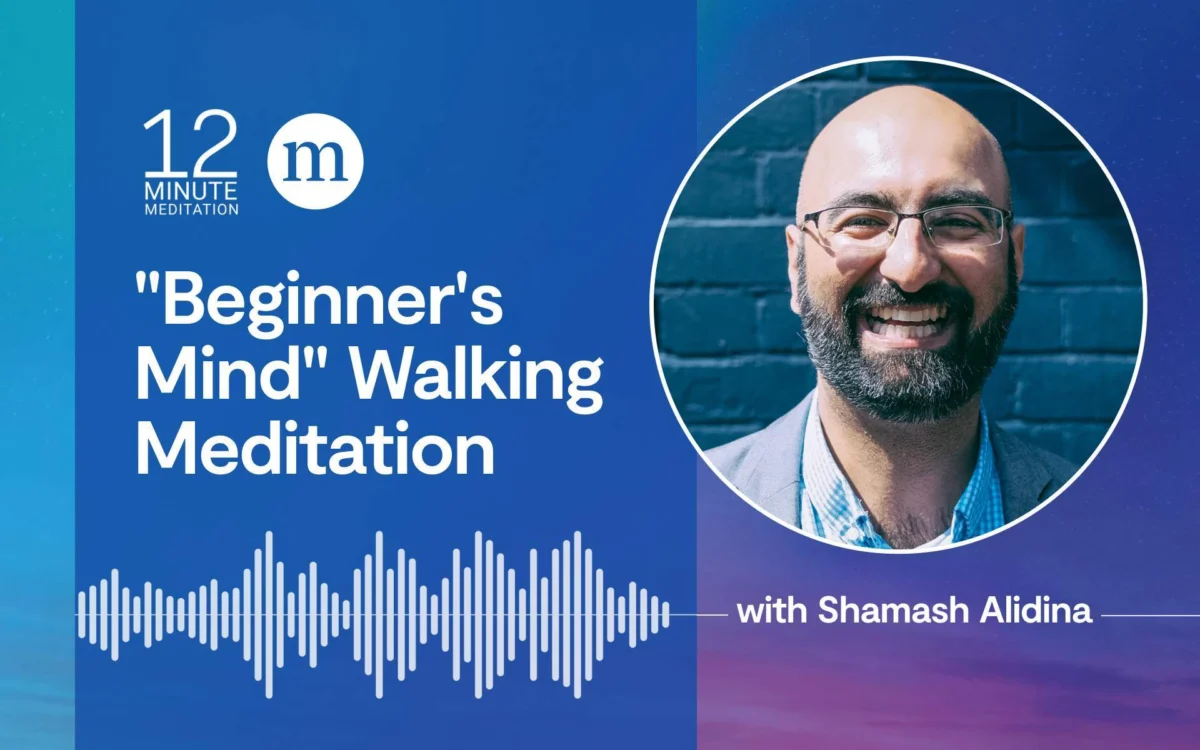
1) A Daily Mindful Walking Practice
Human mobility is frequently treated as a purely utilitarian endeavor—a mechanical transition from point A to point B. In modern urban and professional settings, these transitional windows are routinely hijacked by external stimuli. Individuals navigate city streets, transit corridors, or office hallways while wearing noise-canceling headphones, listening to podcasts, responding to text messages, or getting lost in cyclical trains of anxious thought.
This hyper-connected yet psychologically disengaged lifestyle traps individuals in a state of distracted autopilot, where the physical body moves through space largely divorced from conscious awareness. Mark Bertin, a developmental pediatrician and author specializing in mindfulness, notes the profound potential of transforming these mundane transits: “Whether moving between floors of a building, on a city street, or in the woods, it is an opportunity to guide ourselves out of the distracted autopilot we live in throughout so much of our day.”
A daily mindful walking practice requires no specialized sanctuary or altar; it asks only that the practitioner redirect their attention from internal cognitive loops to the immediate physical mechanics of ambulation. This involves noticing the tactile sensation of the soles of the feet contacting the ground, the rhythmic shifting of body weight, the movement of arm joints, and the intake of surrounding air. By anchoring awareness in the physical kinematics of walking, the brain breaks its habitual cycle of rumination, allowing the nervous system to recalibrate and reset during routine daily transitions.
2) A Gentle Practice to Wind Down Before Bed
The transition from wakefulness to sleep is a vulnerable biological threshold that is frequently compromised by modern evening habits. The proliferation of blue-light-emitting screens, late-night professional communications, and the cumulative psychological residue of the day often leave the nervous system in a state of hyper-arousal well into the evening hours. This physiological alertness directly disrupts natural circadian rhythms, inhibiting the release of melatonin and preventing deep, restorative rapid eye movement (REM) sleep.
To counteract this nocturnal friction, experts recommend incorporating a gentle, intentional winding-down practice before bed. This specific form of restorative yoga does not demand advanced flexibility, athletic conditioning, or specialized equipment. Practitioners are simply encouraged to wear comfortable, unrestrictive clothing and find a quiet floor space where they can spread out.
The practice centers on deliberate, slow-paced stretching combined with diaphragmatic breathing—techniques explicitly designed to signal safety to the autonomic nervous system. By gently elongating major muscle groups that hold tension from prolonged sitting or standing (such as the hamstrings, hip flexors, and shoulders) and pairing those stretches with extended exhalations, the body actively down-regulates. This process lowers resting heart rate, reduces blood pressure, and effectively purges the physiological tension accumulated over the course of the day, paving the way for peaceful, uninterrupted sleep.
3) The HALT Practice to Tune In to What Your Body Needs
Throughout a demanding day, individuals frequently ignore subtle somatic cues until minor imbalances escalate into acute physical exhaustion, emotional volatility, or cognitive burnout. The HALT practice—a classic, highly structured psychoeducational check-in tool—provides a rapid, systematic framework for pausing, assessing current biological and emotional states, and deploying targeted corrective action.
Rooted in behavioral psychology and adapted widely within mindfulness curricula, the acronym HALT guides practitioners through a four-step diagnostic inquiry:
- H (Hungry): The practitioner pauses to evaluate physiological nourishment. Am I genuinely hungry, or am I experiencing a drop in blood sugar that is mimicking irritability, fatigue, or distractibility?
- A (Angry or Anxious): The practitioner investigates emotional turbulence. Is there unexpressed frustration, lingering resentment, or acute anticipatory anxiety driving my current physiological state?
- L (Lonely): The practitioner evaluates social and relational well-being. Am I feeling isolated, disconnected, or unsupported in my current environment?
- T (Tired): The practitioner assesses baseline energy reserves. Am I running on cognitive fumes, and is my body demanding physical rest rather than further productivity?
Mental health experts, including mindfulness educator Christopher Willard, emphasize that identifying these specific deficits is only the first step. For each prompt uncovered during the HALT check-in, practitioners are encouraged to apply mindful, self-compassionate interventions designed to restore systemic balance. If hunger is detected, the individual can consume a nourishing snack with mindful attention; if anxiety is present, they can utilize targeted box-breathing techniques; if loneliness is identified, they can reach out to a trusted peer; and if fatigue is the culprit, they can permit themselves a brief, restorative pause.
Official Responses and Expert Perspectives
Healthcare professionals and public health advocates have increasingly endorsed the democratization of these mindfulness practices, viewing them as vital preventative medicine. Mental health organizations point out that teaching somatic awareness tools in schools, corporate offices, and community centers can drastically reduce the societal burden of stress-related mental health disorders.
Clinical psychologists note that patients who incorporate regular body-scan meditations and movement practices demonstrate superior emotional regulation compared to those who rely solely on cognitive-behavioral interventions. Because trauma, anxiety, and chronic stress are frequently stored somatically in muscle tissue and autonomic nervous system pathways, talking about stress is often insufficient; the body itself must be engaged in the healing process. Integrative medicine practitioners further argue that embedding practices like HALT and mindful walking into daily life empowers patients to take an active role in their own primary healthcare, shifting the medical paradigm away from reactive symptom management toward proactive wellness maintenance.
Broader Impact and Implications for Modern Society
The widespread adoption of mind-body connection practices carries profound implications for the future of public health, workforce productivity, and individual longevity. As global society continues to grapple with rising rates of chronic illness, burnout, and mental health crises, traditional medical models are finding that pharmaceutical interventions alone are insufficient to address lifestyle-driven maladies.
By re-establishing an active, communicative dialogue between the mind and the body, individuals can catch the early warning signs of stress long before they manifest as clinical pathology. Whether through the simple act of turning a daily commute into a mindful walking meditation, easing the transition into sleep with gentle restorative movement, or utilizing the HALT framework to pause and address basic physiological needs, these practices offer a sustainable roadmap back to health. Ultimately, investing in the mind-body connection is not merely a self-care luxury, but a fundamental biological necessity for thriving in a complex, demanding modern world.