Reynand Holland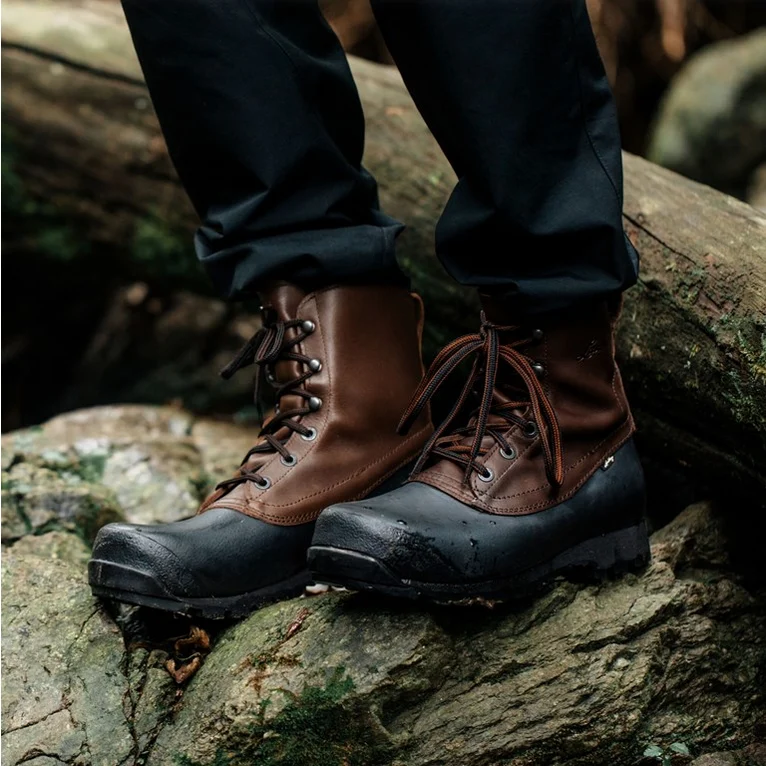
When venturing into winter’s embrace, whether it’s the crisp beauty of fresh snow or the slushy aftermath of a thaw, the footwear chosen is paramount. It’s not merely about comfort and warmth; it’s about a conscious decision to protect both personal health and the environment. Truly sustainable winter boots must offer robust weather resistance, possess the durability to withstand seasons of wear, and crucially, be free from toxic waterproof finishes, particularly per- and poly-fluoroalkyl chemicals (PFAS). These substances, often colloquially termed "forever chemicals," pose significant environmental and health risks, making their exclusion from our essential winter gear a growing imperative for environmentally and health-conscious consumers.
The pervasive use of PFAS across various industries, from fashion to household products, stems from their remarkable ability to repel water and stains without compromising breathability. In the realm of outdoor and ski gear, and especially in snow-proof winter boots, these compounds are commonly referred to as Durable Water Repellent (DWR) finishes. However, the very chemical stability that makes them effective also renders them persistent pollutants. When these chemicals flake off footwear and enter the environment, they do not degrade easily. Their robust chemical bonds mean they linger in water, snow, and soil, eventually contaminating drinking water sources. The implications extend beyond ecological damage; PFAS exposure has been linked to a range of adverse health effects in humans, including certain cancers, fertility issues, and compromised immune system function. Consequently, any brand not explicitly stating its waterproofing is PFAS-free, PFC-free, or free of fluorinated chemicals should be presumed to utilize these concerning substances.
The Growing Imperative for PFAS-Free Footwear
The scientific community and environmental watchdog groups have been increasingly vocal about the dangers of PFAS. Studies by organizations like the Environmental Protection Agency (EPA) in the United States have highlighted the widespread presence of these chemicals in the environment and in human blood. For instance, a 2021 USGS study detected PFAS in tap water across the U.S., underscoring the broad reach of these contaminants. The fashion industry, a significant contributor to PFAS usage through DWR treatments, is now facing mounting pressure to adopt safer alternatives. Consumer demand for transparency and accountability has spurred many brands to re-evaluate their material sourcing and manufacturing processes.
The transition to PFAS-free waterproofing is not without its challenges for manufacturers. Developing effective and durable alternatives requires significant investment in research and development. However, the growing body of evidence linking PFAS to adverse health outcomes, coupled with increasingly stringent regulations in some regions, is compelling the industry to innovate. Brands that proactively embrace this shift are not only mitigating potential legal and reputational risks but are also positioning themselves as leaders in sustainable and responsible manufacturing.
Criteria for Selecting Sustainable and PFAS-Free Winter Boots
When seeking winter boots that prioritize both environmental integrity and personal safety, a comprehensive evaluation of materials, supply chain transparency, and product longevity is essential. The following criteria serve as a guide for consumers making informed purchasing decisions:
Safe and Sustainable Materials
Beyond ensuring a product is PFAS-free, consumers should look for naturally water-resistant materials and certifications that guarantee ethical and environmentally sound processing.
- Naturally Water-Resistant Materials: Leather, when sourced responsibly, offers inherent water resistance. Certifications from the Leather Working Group (LWG) are crucial, indicating that the leather was processed using sustainable practices that minimize environmental impact, such as responsible water usage and chemical management.
- Recycled Content Verification: For brands utilizing recycled materials, certifications from the Global Recycled Standard (GRS) are vital. GRS verifies that the recycled content is indeed present and that the material was produced in a socially, environmentally, and chemically responsible manner.
- Chemical Management Standards: Certifications like bluesign® or adherence to restricted substances lists (RSLs) demonstrate a brand’s commitment to rigorous chemical management. These standards ensure that the chemicals used in manufacturing are minimized, monitored, and managed to reduce harm to both people and the planet.
Transparent Supply Chain Practices
A truly sustainable brand extends its commitment to ethical practices throughout its entire supply chain. This involves knowing where and how products are made, from the origin of raw materials to the final assembly.
- Ethical Labor Standards: Brands that partner with organizations like the Fair Wear Foundation are committed to improving labor conditions in garment factories. This includes ensuring fair wages, safe working environments, and the absence of forced labor.
- Factory Disclosure and Auditing: Transparency regarding factory locations and regular audits by independent bodies are strong indicators of a brand’s commitment to ethical production. Brands that openly share this information allow consumers to better understand the human element behind their purchases.
- Code of Conduct: A comprehensive code of conduct outlining a brand’s ethical and environmental expectations for its suppliers provides a framework for responsible manufacturing.
After-Market Repair and Longevity
The most sustainable product is one that lasts. Brands that prioritize longevity through thoughtful design and offer repair services contribute significantly to reducing waste and promoting a circular economy.
- Durability and Design for Longevity: High-quality construction and materials that are designed to withstand wear and tear are fundamental. Brands that emphasize this aspect often provide warranties and guidance on product care.
- Repair Services and Replacement Parts: The availability of after-market repair services, or the provision of replacement parts, can significantly extend the lifespan of winter boots. This not only saves consumers money in the long run but also reduces the environmental impact associated with manufacturing new products.
Leading the Charge: Brands Offering PFAS-Free Winter Boots
Numerous brands are now stepping up to meet the growing demand for sustainable and healthy winter footwear. These companies are not only prioritizing the elimination of PFAS but are also demonstrating a broader commitment to ethical sourcing, environmental responsibility, and product durability.
1. Keen Footwear
Keen has distinguished itself as a pioneer in the outdoor footwear industry by being the first major brand to commit to a PFAS-free approach. This commitment was not only internal but was also shared with the broader industry, encouraging a collective shift towards safer materials. Keen’s winter boots are designed for both comfort and longevity, employing PFAS-free DWR treatments for waterproofing. The brand’s dedication to sustainability is further evidenced by its use of LWG-certified tanneries for its leather and its adherence to a strict restricted substances list. Keen also prioritizes ethical manufacturing, ensuring that at least one in three pairs of shoes are produced in its own factories and auditing its Tier 1 and 2 suppliers to uphold its code of conduct. This comprehensive approach underscores their commitment to both environmental and social responsibility.
- Price Range: $115-$250
- Availability: Primarily in the U.S., with some products available internationally through partner dealers.
2. Jack Wolfskin
Jack Wolfskin is another outdoor brand that has embraced a PFAS-free philosophy, focusing on creating innovative and environmentally conscious gear. Their winter boots often feature their proprietary Texapore technology, which provides excellent water and wind resistance. A significant aspect of Jack Wolfskin’s sustainability efforts lies in its supply chain transparency. The brand lists all its supply chain partners, with a strong emphasis on those that are bluesign® approved or adhere to strict hazardous substance avoidance policies. Regular inspections by independent bodies ensure that these partners uphold safe and fair working conditions, reflecting a holistic approach to responsible manufacturing.
- Price Range: $120-$230
- Availability: Most European countries.
3. Lundhags
With a heritage dating back to 1932, the Swedish outdoor brand Lundhags is renowned for its durable and long-lasting footwear. Their commitment to sustainability is deeply ingrained in their manufacturing processes. Lundhags produces its leather boots in Europe, sourcing materials from a German tannery to ensure a shorter and more transparent supply chain. The brand offers various boot constructions, including shell, one-layer, and three-layer designs. A key feature of Lundhags’ sustainability ethos is its robust after-market repair service, available through their dedicated shoemaker, which significantly extends the lifespan of their products. Their factory working conditions are regulated under the Brav code of conduct, reinforcing their commitment to ethical labor practices.
- Price Range: $217-$597
- Availability: Most European countries.
4. Vaude
Vaude, a German company with a strong commitment to sustainability, offers winter boots that utilize a PFAS-free recycled polyester membrane for water and windproofing. They also source their leather uppers from a local tannery in Germany, emphasizing regional sourcing and reduced transportation emissions. Vaude makes it easy for consumers to verify the origin of their products, with manufacturing locations detailed on each product page. Furthermore, the brand champions product longevity through accessible repair solutions, offering both inexpensive replacement parts and a comprehensive full-service repair program. This dedication to extending product life aligns perfectly with circular economy principles.
- Price Range: $200-$263
- Availability: Canada and most European countries (currently not available in the U.S.).
5. Forsake
Forsake specializes in waterproof boots with a focus on style and durability, all while maintaining LWG-certified standards for their leather components. Their parent company upholds a strict code of conduct for all suppliers and conducts regular audits to ensure compliance with ethical and environmental standards. While Forsake excels in many areas of sustainable footwear, a point of consideration for consumers may be the sourcing of their memory foam insoles, which is not explicitly detailed.
- Price Range: $145-$160
- Availability: The U.S.
6. EcoAlf
EcoAlf stands out as a certified B-Corp, demonstrating a high level of social and environmental performance, accountability, and transparency. Their vegan winter boots are PFAS-free and constructed using GRS-certified recycled polyester and a blend of new and recycled rubber. The brand meticulously tracks its supply chain down to Tier 3, providing a significant level of transparency. However, similar to Forsake, the specific sourcing of their raw materials remains an area where further clarity would enhance their sustainability credentials.
- Price Range: $145-$299
- Availability: The U.S., most South American countries, most European countries, and most Asian countries.
7. Will’s Vegan Store
Will’s Vegan Store, based in the UK, offers vegan waterproof boots crafted in Italy and Portugal. Their footwear utilizes bio-based leathers and recycled polyester insulation. The brand prides itself on tracing every step of its production process to ensure sustainable and ethical practices. Some of their waterproof shoe offerings feature PFAS-free uppers. It’s important for consumers to note that many of their shoes are made with unspecified vegan leather, which is often a plastic-based material. Additionally, not all waterproof pairs are explicitly PFAS-free, so careful review of product descriptions is recommended.
- Price Range: $134-$190
- Availability: Worldwide.
8. Poppy Barley
Poppy Barley designs water-resistant ankle and calf-length boots that meet LWG-certified standards. Their audited factories are located in Europe and Mexico, reflecting a commitment to ethical production in established manufacturing hubs. While Poppy Barley emphasizes sustainability, consumers should verify the LWG certification on individual product pages, as not all boots are explicitly listed as certified, ensuring that the materials used meet their sustainability criteria.
- Price Range: $293-$480
- Availability: Continental U.S., Mexico, Canada, and Australia.
9. REI Used Gear
For budget-conscious consumers seeking sustainable options, REI Used Gear offers a valuable platform. This service allows for the buying, selling, and trading of pre-owned outdoor equipment, including winter boots from various sustainable brands. While REI is actively working to phase out PFAS from its own brand products, it’s essential for customers to review product details carefully, as not all third-party brands available through the platform are explicitly PFAS-free. This option provides a more affordable entry point into sustainable winter footwear while promoting a circular economy.
- Price Range: $22-$149.50
- Availability: The U.S.
The Broader Impact of Consumer Choice
The growing availability of PFAS-free winter boots represents a significant step forward in the sustainable fashion movement. By choosing these products, consumers are not only investing in their own health and well-being but are also sending a clear message to the industry. This demand for transparency and environmental responsibility drives innovation and encourages more brands to adopt safer and more ethical practices. The long-term implications are far-reaching, contributing to cleaner water systems, healthier ecosystems, and a more responsible approach to manufacturing that prioritizes people and the planet over short-term gains. As the science behind the dangers of PFAS continues to evolve and regulations become more stringent, the shift towards truly sustainable winter footwear is not just a trend, but a necessary evolution for a healthier future.