Muhammad Hendra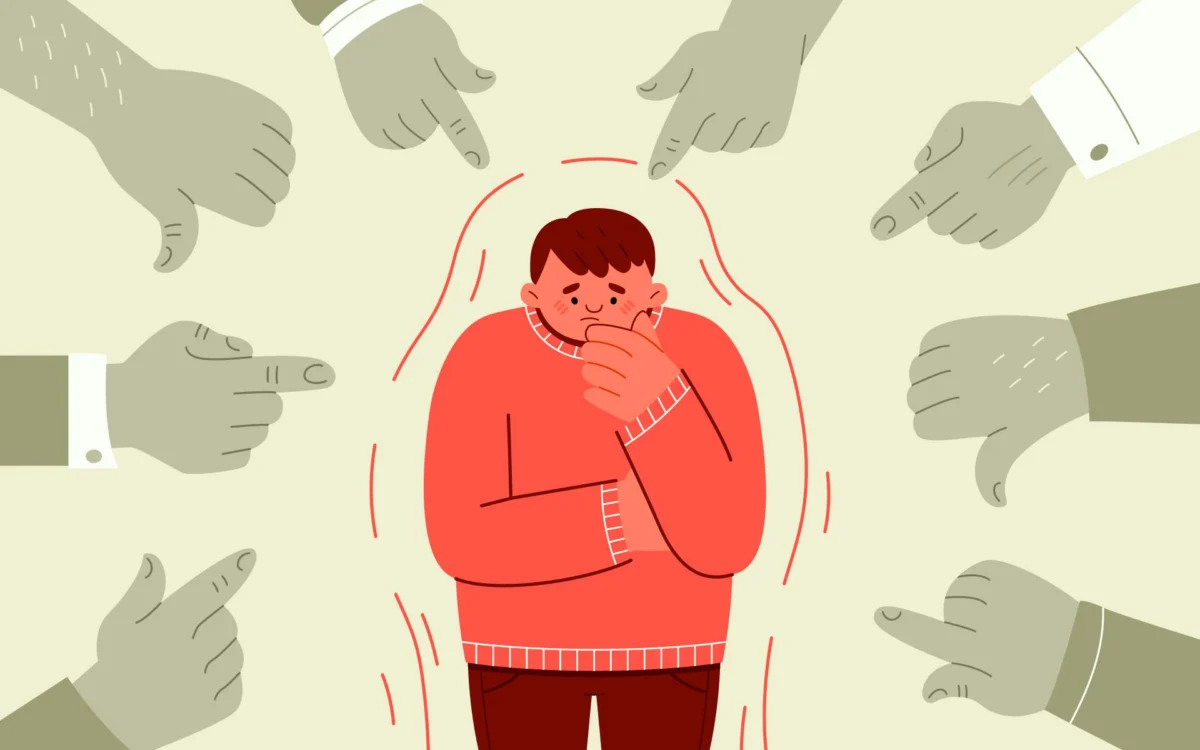
The highly anticipated Apple TV series, Margo Has Money Problems, offers a poignant exploration of intergenerational trauma and the insidious nature of shame, brought to life by Michelle Pfeiffer’s compelling comeback performance as Shyanne. The narrative centers on Shyanne, a single mother who conceived her daughter, Margo, through a one-night stand with a married man. History appears to repeat itself as Margo, now an adult, finds herself in an eerily similar predicament, having given birth to a child fathered by a married man who is absent from her life. This dramatic premise sets the stage for a deep dive into the psychological concepts of guilt and shame, illustrating their profound impact on individual well-being and familial dynamics.
A pivotal scene in the series, widely discussed for its raw emotional intensity, depicts Shyanne’s complete breakdown in a parking lot outside the chain restaurant where Margo works. Having struggled with her initial attempt at babysitting her grandchild, Shyanne hands the boy back to Margo, unleashing a torrent of self-condemnation. She declares herself a "horrible grandmother" and a "horrible mother," proclaiming, "I wish I could be a better person, but I’m not!…and I will not be judged, by him or anyone else." This outburst perfectly encapsulates what psychologists refer to as a "shame spiral," a destructive psychological pattern where individuals, feeling inadequate or having made a mistake, swiftly internalize these feelings into a damning judgment of their entire self, leading to isolation and a desperate desire to hide from perceived judgment.
Understanding the Core Distinction: Guilt Versus Shame
While often used interchangeably in everyday language, guilt and shame represent distinct psychological experiences with vastly different implications for mental health and behavior. The nuanced distinction is crucial for fostering emotional resilience and promoting constructive self-reflection.
Meditation teacher Caverly Morgan, in her book The Heart of Who We Are, articulates this difference succinctly: "When you feel guilty, there’s a judgment that something you’ve done is wrong. When you feel shame, you believe that your whole self is wrong." This foundational understanding is echoed and expanded upon by leading researchers in the field.
Dr. Brené Brown, a research professor and author renowned for her groundbreaking work on vulnerability, courage, shame, and empathy, has extensively popularized this distinction. On her website, she clarifies that guilt is "adaptive and helpful," often serving as a catalyst for accountability and corrective action. It focuses on behavior: "I did something bad." In contrast, Brown defines shame as "the intensely painful feeling or experience of believing that we are flawed and therefore unworthy of love and belonging." She asserts that shame is neither helpful nor productive, and advocates for "an end to shame as a tool for change," recognizing its capacity to ruin lives and families, as vividly portrayed in Shyanne’s breakdown.
The consensus among mental health professionals is that while guilt can motivate positive change—prompting individuals to apologize, make amends, or learn from mistakes—shame often leads to withdrawal, secrecy, and a reinforcing cycle of negative self-perception, hindering growth and connection. Research consistently demonstrates a strong correlation between chronic shame and various mental health challenges, including depression, anxiety disorders, eating disorders, and substance abuse. A 2012 meta-analysis published in the Journal of Counseling Psychology highlighted that shame-proneness is a significant predictor of psychological distress across diverse populations.
The Evolution of Psychological Thought on Shame and Guilt
The understanding of guilt and shame has evolved significantly within psychological discourse. Early psychoanalytic theories, particularly those of Sigmund Freud, viewed guilt as a byproduct of the superego, an internal moral compass that punishes transgressions against societal norms. Shame, in this context, was often linked to feelings of humiliation and the fear of social disapproval.
In the mid-20th century, humanistic psychologists like Carl Rogers emphasized the importance of unconditional positive regard in overcoming feelings of unworthiness, indirectly addressing shame. However, it wasn’t until the late 20th and early 21st centuries that the distinct roles and impacts of guilt and shame gained widespread recognition, largely thanks to the empirical research of scholars like June Tangney and Brené Brown. Their work shifted the focus from merely identifying these emotions to understanding their functional differences and developing targeted interventions.
Dr. Chris Moore, a developmental psychologist and author of The Power of Guilt, further contributes to this understanding, explaining that guilt primarily serves to motivate individuals to repair harms and heal damaged relationships. Shame, by contrast, often causes people to retreat and avoid interaction, potentially leaving relationships permanently fractured. This isolating tendency transforms shame into a "dangerous drug," as Moore describes, trapping individuals in a cycle of self-condemnation.
Societal and Interpersonal Implications of Unresolved Shame
The societal implications of widespread, unresolved shame are profound. When individuals are consumed by shame, their capacity for empathy, connection, and constructive problem-solving diminishes. This can manifest in various forms of interpersonal conflict, social isolation, and a general breakdown in community trust. The intergenerational pattern depicted in Margo Has Money Problems is a fictional yet resonant example of how cycles of shame can be passed down, impacting subsequent generations through modeling, unspoken burdens, and impaired emotional processing within families.
Studies on family dynamics reveal that parents who carry unresolved shame may inadvertently transmit these feelings to their children, fostering environments where vulnerability is perceived as weakness and mistakes are met with harsh judgment rather than opportunities for growth. This can lead to children developing a fragile sense of self-worth and a heightened susceptibility to shame-based reactions in their own lives.
Beyond the family unit, unresolved shame can contribute to broader societal issues. A society where individuals are constantly battling internal feelings of unworthiness may struggle with collective action, fostering environments of distrust and blame. The inability to constructively process wrongdoing, whether individual or collective, can escalate conflicts, as the original article noted, where "wars are fought and people die out of vengeance—simply because we have so much trouble dealing with how to respond when we do something wrong or are wronged."
The Evolutionary Argument: A Functional Role for Shame?
Despite the overwhelmingly negative impact of chronic shame, some evolutionary psychologists propose that it might possess an adaptive function. Dacher Keltner, a prominent evolutionary psychologist, views shame as part of a broader family of self-conscious emotions—which also includes guilt, pride, and embarrassment—all of which play a role in regulating social behavior.
According to this perspective, shame, particularly in its milder forms, can serve an "appeasement function." Public displays of shame, such as blushing or downcast eyes after a social transgression, signal to observers that the individual acknowledges their mistake and cares about the social order. This act of appeasement can help re-establish social harmony and prevent further conflict. The common idiom, "having no shame," often describes individuals who act without regard for social norms or the feelings of others, suggesting that a complete absence of shame can be detrimental to social cohesion. Think of public figures who display blatant disregard for ethical conduct without any apparent remorse, often eliciting strong public condemnation precisely because they appear to "have no shame."
This perspective suggests that the problem with shame may not be its existence as an emotion, but rather humanity’s "bad habit of taking it way too far." A very subtle, proportionate amount of shame might serve as a necessary social signal, but even a slightly excessive dose can quickly become destructive, leading to the debilitating spirals described earlier. The critical lesson, then, appears to be about proportionality and appropriate response: acknowledging the feeling without allowing it to define one’s entire self, and then channeling that awareness into future corrective action.
Cultivating Resilience: Strategies for Navigating Shame and Guilt
Given the complex nature of these emotions, the focus shifts from eradication to effective management and constructive engagement. Psychologists and spiritual leaders alike emphasize pathways that foster resilience and promote healing.
One of the most powerful tools in navigating difficult emotions like shame and guilt is mindfulness. Mindfulness practice involves paying attention to the present moment without judgment. By observing thoughts and feelings as they arise, individuals can create a crucial space between the emotion and their reaction to it. This interruption of the immediate descent into a shame spiral allows for a more considered and less reactive response. Instead of instantly internalizing "I am bad," mindfulness enables one to acknowledge "I am feeling shame," and then to investigate the source of that feeling without self-condemnation. This practice builds emotional literacy and self-awareness, laying the groundwork for healthier coping mechanisms.
Another critical strategy involves cultivating self-compassion. Pioneered by researchers like Dr. Kristin Neff, self-compassion involves treating oneself with kindness, understanding, and acceptance, especially during times of failure or perceived inadequacy. It acknowledges that suffering and imperfection are universal human experiences, counteracting the isolating belief that one is uniquely flawed. Practicing self-compassion can directly dismantle the core tenet of shame—the belief that "I am wrong"—by replacing it with a stance of gentle understanding and encouragement.
Spiritual and Therapeutic Approaches to Atonement and Repair
Recognizing the corrosive power of guilt and shame, spiritual traditions across the globe have developed sophisticated systems for atonement and reconciliation. These practices offer structured pathways for individuals to acknowledge wrongdoing, seek forgiveness, and commit to behavioral change, thereby preventing the festering of destructive emotions.
In Catholicism, the sacrament of Confession (or Reconciliation) provides a formal avenue for acknowledging sins, receiving absolution, and engaging in acts of penance. The season of Lent encourages self-reflection and repentance. Judaism observes Yom Kippur, the Day of Atonement, a profound period dedicated to seeking forgiveness from God and others, emphasizing both internal reflection and outward acts of restitution. In Islam, tawba, or repentance, is a continuous spiritual practice, intensified during sacred periods like the last ten days of Ramadan, focusing on sincere regret, cessation of sin, and resolve not to repeat it. Twelve-step programs, widely recognized for their efficacy in addressing addiction, dedicate several steps to making amends and seeking forgiveness, highlighting the importance of repairing relationships damaged by past actions. Even in Buddhism, where "confession" might be less formalized, ancient monastic codes emphasize regular acknowledgment of wrongdoing, fostering collective awareness and accountability.
These traditions, though diverse, share common threads: honest acknowledgment of harm, a commitment to repair that harm where possible, and a vow not to repeat the transgression. They provide a framework for moving beyond paralyzing shame into proactive engagement with one’s mistakes and their consequences.
Modern therapeutic approaches also align with these principles. Cognitive Behavioral Therapy (CBT) helps individuals identify and challenge negative thought patterns that fuel shame and guilt, replacing them with more balanced and realistic appraisals. Dialectical Behavior Therapy (DBT) provides skills for emotional regulation, distress tolerance, and interpersonal effectiveness, helping individuals manage intense feelings without resorting to destructive behaviors. Compassion-Focused Therapy (CFT) directly teaches individuals to develop self-compassion and soothe feelings of shame.
The Path Forward: From Self-Condemnation to Constructive Action
The journey through the complex landscape of guilt and shame is not about eliminating these fundamental human emotions, but about transforming our relationship with them. While guilt can serve as a potent motivator for positive change, it risks morphing into debilitating shame if left unaddressed or improperly processed.
The insights from psychology, evolutionary theory, and spiritual traditions converge on a critical message: rather than succumbing to the paralysis of shame or allowing guilt to fester, individuals can learn to acknowledge these feelings, understand their origins, and consciously choose a path of repair and growth. This involves embracing imperfection, cultivating self-compassion, and focusing on future actions rather than past mistakes.
For characters like Shyanne and Margo in Margo Has Money Problems, and indeed for countless individuals in real life, the challenge lies in breaking the cycle of self-condemnation and finding the courage to engage in honest self-reflection and proactive steps toward healing. It is a testament to the enduring human spirit that, even in the face of profound emotional pain, pathways to understanding, forgiveness, and renewal remain accessible, guiding us to "meet the feeling, but don’t build a home there." The ultimate goal is not to eradicate shame but to integrate its lessons proportionately, fostering a life where accountability leads to growth, and self-worth remains intact despite human fallibility.