Cintya Tara Annisa
Tucked away in a narrow alleyway between buildings in Austin, Texas, a colorful culinary destination has emerged as a focal point for the city’s evolving gastronomic identity. Mercado Sin Nombre, a name that translates to "Market Without a Name," has transformed a modest nook into a sensory-rich environment characterized by the aroma of roasting coffee, the rhythmic sounds of curated music, and a hand-painted sign that promises "café chingón." What began as a mobile operation in the local farmers market circuit has matured into a brick-and-mortar institution that challenges traditional perceptions of the American cafe. On any given weekend morning, the queue of patrons extends from the shop’s side door toward the street, a diverse assembly of neighborhood regulars and culinary tourists who brave the humid Texas air for a menu that emphasizes heirloom ingredients and meticulous preparation.
The establishment operates with a philosophy that prioritizes the intersection of Mexican coffee culture and the ancestral art of nixtamalization. This dual focus distinguishes Mercado Sin Nombre from the standard specialty coffee shops that dominate the Austin landscape. By sourcing directly and grinding grains in-house, the kitchen produces items that are described by observers as ethereally different from standard fare. From golden masa twinkies to tortillas that vary in hue from dusty blue to deep plum, the establishment represents a shift toward "slow food" in an increasingly fast-paced urban environment.
The Evolution of Mercado Sin Nombre: A Chronological Overview
The trajectory of Mercado Sin Nombre reflects the broader resilience and creativity of the Austin food scene during a period of significant economic volatility. The brand first appeared in 2020, launching as a vendor at Austin farmers markets during the height of the COVID-19 pandemic. At a time when traditional indoor dining was restricted, the founders focused on the essentials of the Mexican pantry: high-quality corn tortillas and specialty coffee beans. This period allowed the business to cultivate a loyal grassroots following, relying on the purity of their products to build a reputation.
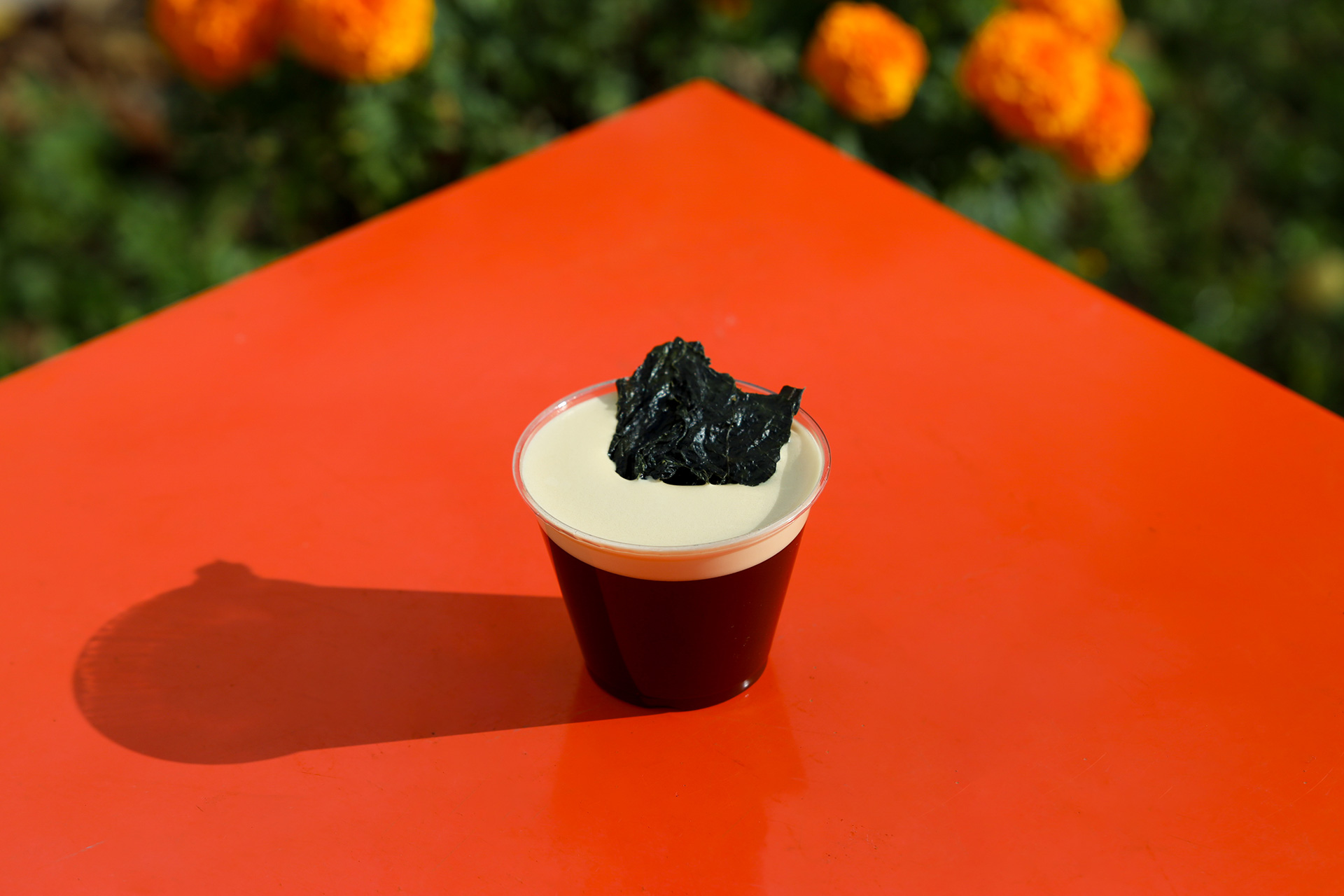
By 2024, the transition to a permanent physical location was completed. The move from a market stall to a brick-and-mortar shop allowed for an expansion of the menu and the creation of a specific atmosphere that has become central to the brand’s appeal. The opening coincided with a surge in national interest in regional Mexican cuisines, positioning Mercado Sin Nombre at the forefront of a movement that treats masa and coffee with the same level of technical rigor typically reserved for fine dining.
The timeline of the establishment reached a significant milestone in late 2024 and early 2025, when the shop received recognition from the Michelin Guide. The awarding of a Michelin star—a rare feat for a concept rooted in the casual cafe format—validated the shop’s commitment to quality and provided a catalyst for its current popularity. This accolade, combined with a potent social media presence, has ensured that the demand for their offerings remains consistently high, even as the establishment maintains a deliberately measured pace of service.
Technical Precision in Masa and Coffee Production
At the heart of Mercado Sin Nombre’s operations is a deep commitment to the sourcing and processing of landrace corn and specialty coffee. The menu features a rotating selection of masa-based dishes that showcase the diversity of Mexican maize. Unlike commercial tortillas made from processed corn flour, the tortillas here are crafted from corn that is nixtamalized on-site—a process involving soaking and cooking the grain in an alkaline solution, usually limewater, to remove the pericarp and unlock nutritional value.
The resulting masa is used to create a variety of innovative dishes. The "masa twinkies," available in both a golden version and a chocolate iteration spiced with hoja santa (an aromatic herb native to Mexico and Central America), have become signature items. Other menu staples include:
- Masa Pancakes and Biscuits: Fluffy, textured alternatives to wheat-based pastries, often served with a rotating selection of seasonal fruit compotes.
- Heirloom Tortillas: Hand-pressed tortillas that utilize different varieties of corn, resulting in a natural spectrum of colors including blue, purple, and plum.
- New Mexico-Style Burritos: Substantial offerings that bridge the gap between regional border traditions and the shop’s focus on interior Mexican ingredients.
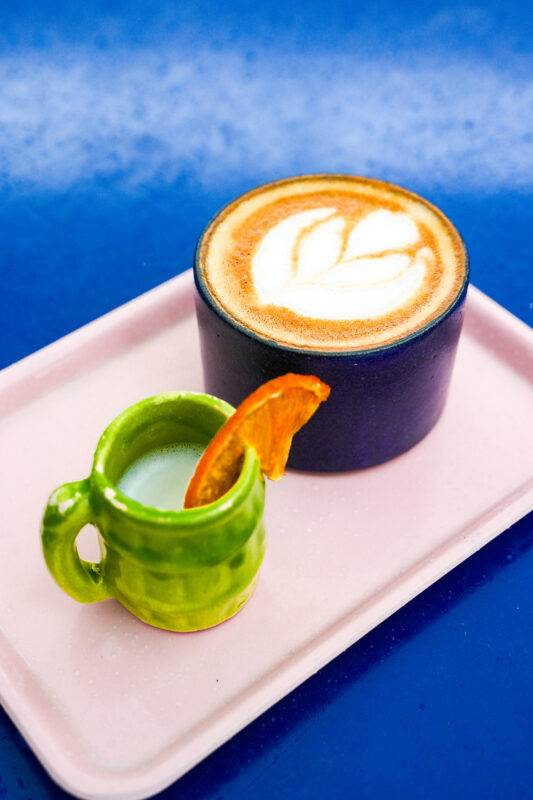
Parallel to the food program is a coffee program that focuses exclusively on the diverse regions of Mexico. While many specialty cafes in the United States prioritize beans from Ethiopia, Colombia, or Brazil, Mercado Sin Nombre serves as a dedicated platform for Mexican producers. By highlighting the unique flavor profiles of beans from Chiapas, Oaxaca, and Veracruz, the shop challenges the historical undervaluation of Mexican coffee in the global specialty market. The "café chingón" served here is the result of direct-trade relationships, ensuring that the farmers receive equitable compensation while providing consumers with a product that reflects the specific terroir of its origin.
The Psychology of the "Languid Pace"
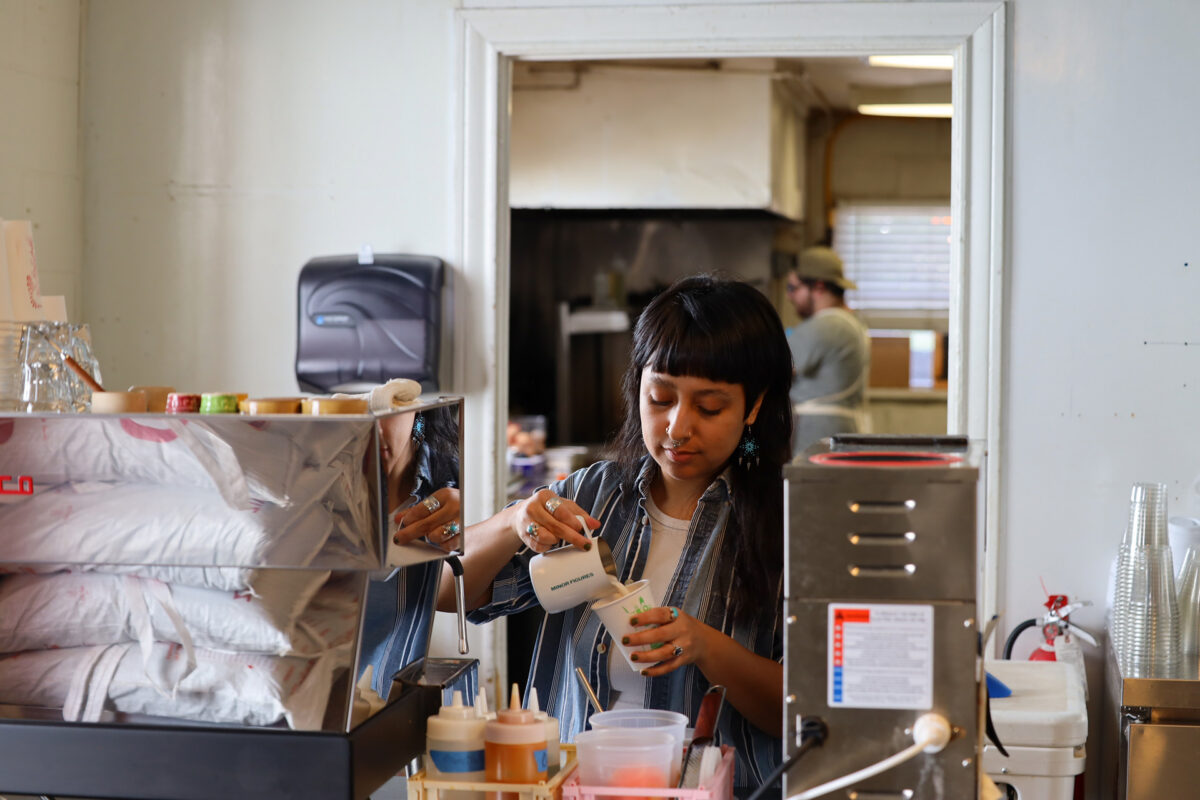
A defining characteristic of the Mercado Sin Nombre experience is the atmosphere of "ease and slowness." In a service industry often defined by throughput and efficiency, the shop operates at a pace that encourages patience. The service window slides open to reveal a staff that appears unburdened by the length of the line outside. This intentional lack of urgency has a documented effect on customer behavior.
Observers note that the typical stressors of a long wait are largely absent among the clientele. Patrons are frequently seen engaging in conversation with strangers, reading books, or simply observing the environment. This social phenomenon suggests that the value of the product is inextricably linked to the environment in which it is consumed. By stepping "outside the press of time," the establishment fosters a sense of community that is often lost in modern retail. The willingness of customers to wait in the Texas heat serves as a testament to the perceived reward: a culinary experience that feels grounded in history and artisanal integrity.
Economic and Cultural Implications for the Austin Market
The success of Mercado Sin Nombre carries broader implications for the Austin economy and the national coffee industry. Austin has long been a hub for innovation, but the rapid growth of the tech sector has often led to the displacement of small, culturally specific businesses. Mercado Sin Nombre’s ability to thrive in a high-rent urban alleyway indicates a strong market demand for "heritage-first" concepts that prioritize authenticity over mass-market appeal.
Furthermore, the shop’s focus on Mexican coffee aligns with a growing trend in the specialty coffee industry to recognize and elevate North American coffee production. The support of organizations like Sprudge and the Special Projects Desk, which document long-form narratives in the coffee world, highlights the cultural importance of these movements. Supported by industry giants such as La Marzocco—a company with nearly a century of history in handcrafting espresso machines—the documentation of shops like Mercado Sin Nombre serves to educate both the industry and the public on the complexities of coffee sourcing and preparation.
The intersection of Michelin-level recognition and a casual, alleyway setting also suggests a shift in how culinary excellence is defined. The traditional barriers between "high" and "low" cuisine are blurring, as diners increasingly seek out specialized, high-quality products regardless of the formality of the venue.
Conclusion and Future Outlook
As Mercado Sin Nombre moves further into its second decade of existence, its influence on the Austin food scene appears set to expand. The establishment has proven that a focus on ancestral techniques and regional specificity can achieve both critical acclaim and commercial success. By refusing to compromise on its "unwavering heart," even in the face of immense hype and social media pressure, the shop remains a bastion of traditional craftsmanship.
The broader impact of the shop lies in its role as an educator. Through each masa biscuit and every cup of Mexican coffee, patrons are introduced to the depth of Mexican agricultural heritage. This "Deep Respect For The Coffees of Mexico," as noted by coffee journalists, ensures that the story of the producer is as central to the experience as the final product. For the city of Austin, Mercado Sin Nombre is more than a cafe; it is a living archive of flavor and a reminder that the best things often require a willing wait in a quiet alleyway. In an era of instant gratification, the shop stands as a successful experiment in the power of slow, intentional, and culturally rooted commerce.