Angie Faith
The literary world is currently grappling with a multifaceted set of challenges, ranging from the proliferation of unauthorized artificial intelligence-generated audiobooks to the resurgence of traditional artistic expression in book cover design and the intricate complexities of copyright law in the digital age. Prominent author John Grisham has found himself at the forefront of the battle against AI-produced audiobooks, a burgeoning issue that underscores significant copyright infringements and potential impacts on authors’ livelihoods. This burgeoning concern is amplified by ongoing legal proceedings and shifts in aesthetic trends within the publishing industry, all of which paint a complex picture of the future of literature.
The Rise of AI Audiobooks and Grisham’s Legal Stance
John Grisham, a celebrated author known for his gripping legal thrillers, has publicly voiced his strong opposition to unauthorized AI-generated audiobooks, particularly those appearing on platforms like YouTube. One such infringing video, featuring an AI rendition of Grisham’s work, remained accessible for six months and garnered nearly 100,000 views before drawing attention. This situation highlights a critical loophole in existing copyright enforcement mechanisms. While platforms like YouTube utilize Content ID systems to automatically detect and flag copyrighted audio and video content, these systems are primarily designed to identify exact matches. AI-generated audio, even when derived from copyrighted text, presents a unique challenge because it does not necessarily produce an identical audio signature to the original human-narrated version. This technical limitation allows AI-produced content to slip through the cracks of automated detection, necessitating a more manual and labor-intensive approach to copyright enforcement.
The implications of this technological disparity are significant for authors and publishers alike. The availability of free, albeit lower-quality, AI-generated audiobooks can directly impact sales of legitimate, professionally produced versions. For authors like Grisham, whose primary income is derived from book sales and licensing, such infringements represent a tangible threat to their economic stability. The sheer volume of content generated by AI also poses a formidable challenge for rights holders. The process of identifying, verifying, and issuing takedown notices for each infringing audiobook is a resource-intensive undertaking. The speed at which new AI-generated content can be produced and disseminated means that even if one infringing video is removed, multiple others could emerge in its place overnight, creating a perpetual game of digital whack-a-mole. This decentralized and rapidly evolving nature of AI content generation requires a proactive and adaptive strategy from copyright holders to effectively protect their intellectual property.
The Evolving Aesthetics of Book Covers: A Human Touch in a Digital Age
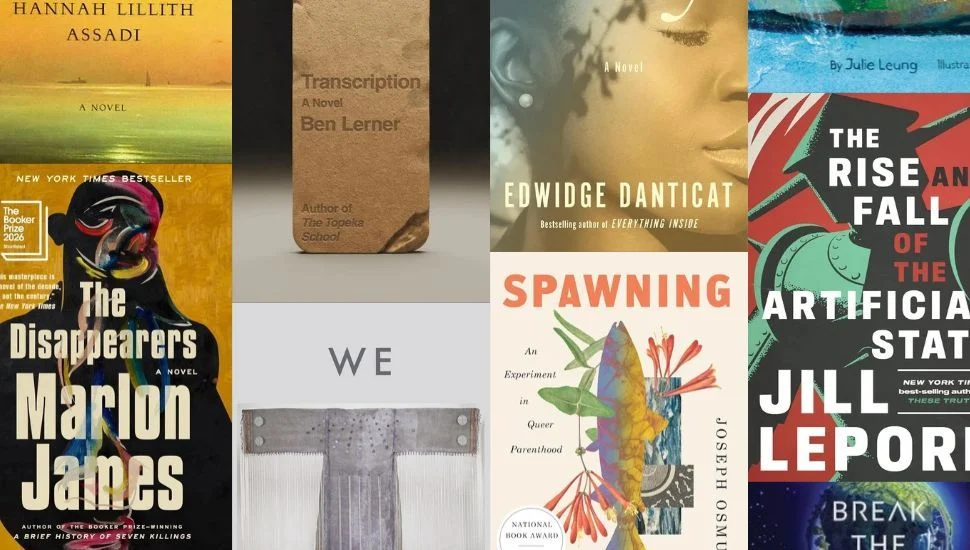
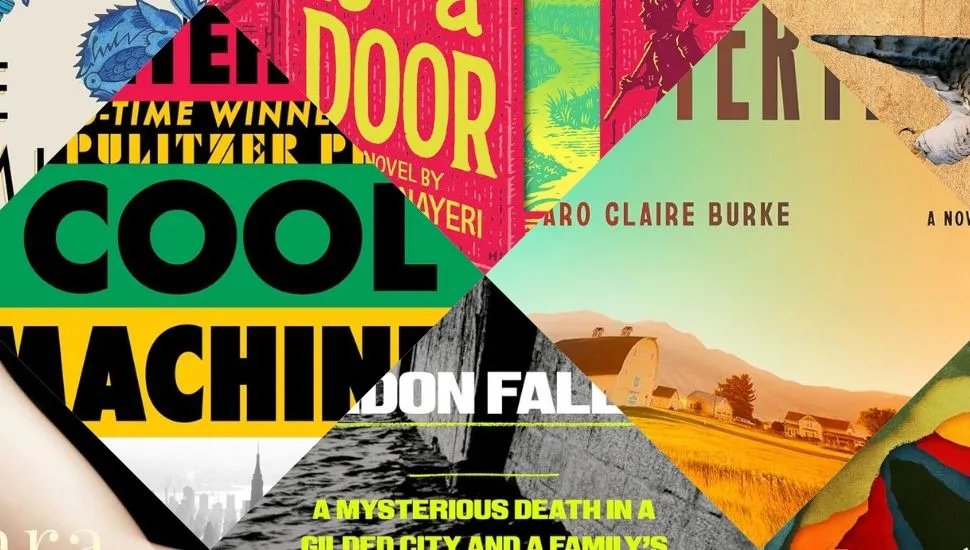
Beyond the digital realm of audiobooks, the publishing industry is also witnessing a shift in visual trends. The recent era of "blob books"—characterized by abstract, colorful, and often minimalist designs optimized for small digital displays—appears to be waning. In its place, a resurgence of painted book covers, utilizing oil or acrylic mediums, is gaining traction. This aesthetic shift, as noted in a Hyperallergic article by Tara Anne Dalbow, suggests a desire for tangible artistry and a distinct human touch in a market increasingly saturated with digital templates and AI-generated imagery.
The appeal of painted covers lies in their inherent uniqueness and the visible craftsmanship involved. In an environment where AI can rapidly generate variations of visual themes, a hand-painted cover stands out as a testament to human creativity and skill. This trend can be seen as a counter-response to the perceived impersonality of digitally produced art. Publishers and designers may be recognizing that a cover that evokes a sense of traditional artistry can resonate more deeply with readers, offering a tactile and visually rich experience that transcends the screen. The potential inspiration behind this resurgence could be a collective yearning for authenticity and a rejection of the homogenizing effects of algorithmic design. This move towards painterly covers suggests a broader appreciation for the artisanal aspects of book production, aiming to capture attention and convey a sense of curated quality in a crowded marketplace.
Copyright Law in the AI Era: Unraveling the Complexities
The rapid advancement of artificial intelligence has also thrust complex copyright issues into the legal spotlight, with recent lawsuits revealing the intricate and often overlooked nuances of intellectual property protection. The substantial $1.5 billion settlement reached by AI company Anthropic with a group of authors serves as a significant indicator of the evolving legal landscape. However, as highlighted by Writer Beware, this settlement has also illuminated critical disparities and shortcomings in how copyright is currently applied and enforced, particularly for authors.
One of the primary limitations of the Anthropic settlement is its exclusive focus on authors whose works possess ISBNs (International Standard Book Numbers). This criterion effectively excludes a significant portion of the literary community, including most self-published authors and many traditionally published authors whose books may not have been assigned an ISBN. The implications of this are profound, as it creates a tiered system of protection, leaving a substantial number of creators vulnerable to unauthorized use of their work without recourse.
Furthermore, the fallout from this lawsuit has exposed a widespread issue with copyright registration practices within the publishing industry. A considerable number of traditionally published authors have discovered, often too late, that their publishers failed to register their books for copyright protection, despite this being a contractual obligation. This oversight renders these authors ineligible for settlements and damages, even when their work has been demonstrably used to train AI models. The reality of copyright, it appears, is far more convoluted than a simple contractual agreement. The lack of consistent and proactive copyright registration by publishers leaves authors in a precarious position, highlighting a systemic issue that requires urgent attention and reform. This situation underscores the need for greater transparency and accountability from publishing houses regarding their copyright management responsibilities.
The Broader Impact and Future Implications
The convergence of these issues—unauthorized AI audiobooks, evolving design trends, and complex copyright battles—signals a period of significant transformation for the publishing industry. The ease with which AI can generate content poses an existential question about the value of human creativity and the traditional authorial role. As AI capabilities advance, the line between human-generated and machine-generated content will continue to blur, necessitating a re-evaluation of intellectual property laws and enforcement strategies.
The resurgence of painted book covers, while a positive development for artistic expression, also points to a potential marketing strategy: emphasizing human artistry as a differentiator in an increasingly automated world. This could lead to a greater appreciation for handcrafted elements in all aspects of book production, from cover art to narration.
The legal challenges surrounding AI and copyright are likely to intensify. Future lawsuits may explore broader definitions of fair use, the ethical implications of training AI models on copyrighted material without explicit consent, and the potential for AI to be recognized as a co-creator. The current legal frameworks, developed in a pre-AI era, are proving inadequate to address the complexities of this new technological frontier. Governments and international bodies will need to consider legislative reforms to ensure that authors and creators are adequately protected and compensated in the digital age.
The experience of John Grisham in confronting AI-generated audiobooks is not an isolated incident but a harbinger of broader challenges. The literary ecosystem is undergoing a fundamental reordering, where technology, artistry, and legal frameworks are in constant dialogue and often in conflict. The ability of authors, publishers, and legal systems to adapt to these rapid changes will determine the future health and integrity of the literary world. The ongoing debates and legal battles are crucial steps in defining what it means to be a creator and a consumer of literature in the 21st century, ensuring that the rich tradition of storytelling can thrive amidst technological innovation and evolving societal norms. The pursuit of justice for authors whose intellectual property is being leveraged without consent, coupled with a renewed appreciation for human artistry, will shape the trajectory of publishing for years to come.