Angie Faith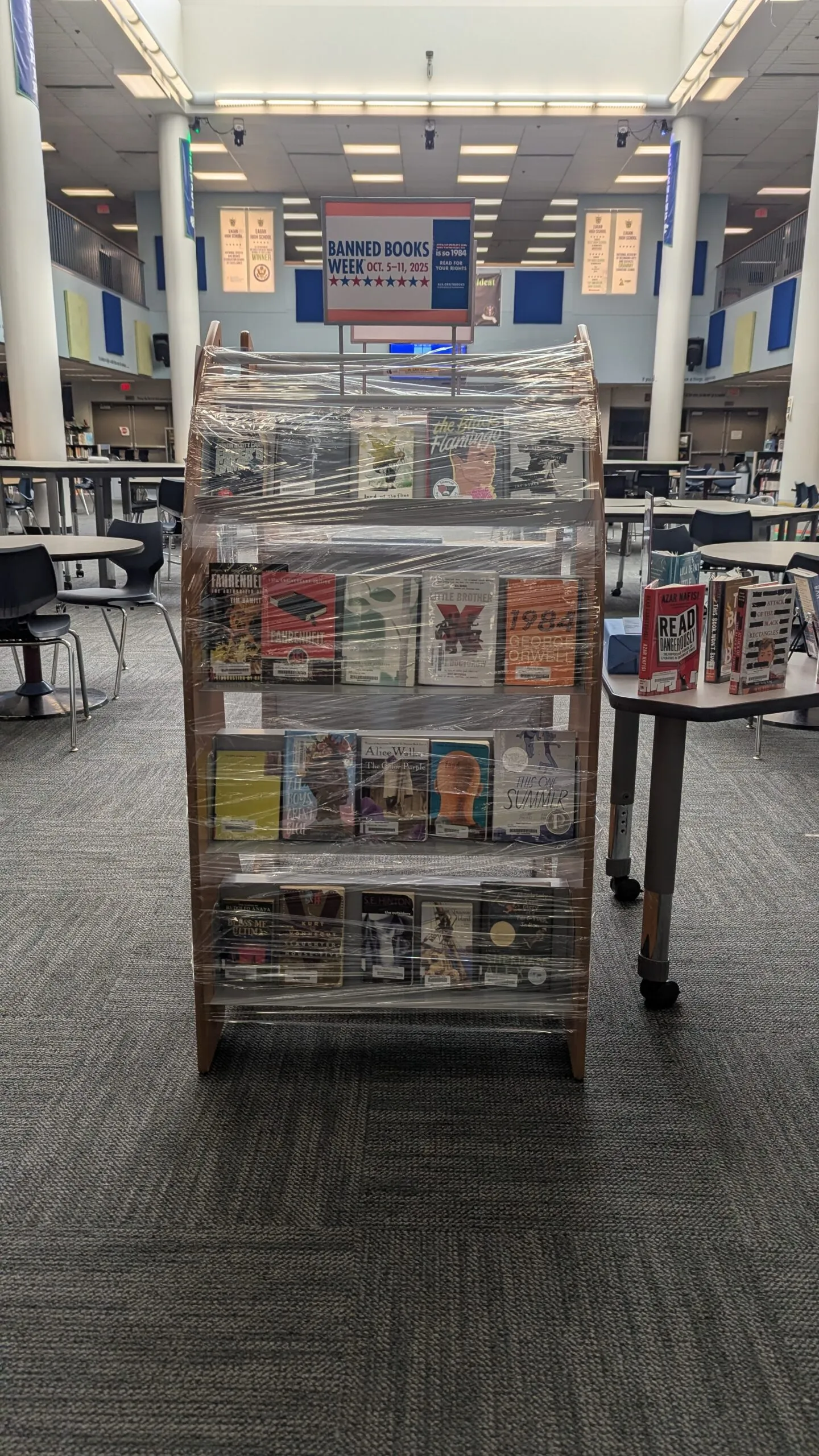
The observance of Pride Month in 2026 is shadowed by the potential passage of House Resolution 7661, a piece of federal legislation that has emerged as one of the most significant anti-transgender and anti-LGBTQ+ school-based bills in recent memory. This resolution, currently under consideration by the federal legislature, proposes a nationwide ban on "sexually oriented material" within public schools that receive federal funding. Crucially, the bill defines this prohibited content to include materials depicting "gender dysphoria or transgenderism" and "lewd or lascivious dancing," raising profound concerns about the censorship of LGBTQ+ representation and information for young people.
The ramifications of HR 7661 extend far beyond the immediate prohibition of specific content. Experts and advocacy groups warn that such legislation could create a chilling effect on educational institutions, leading to the widespread removal of books and resources that affirm LGBTQ+ identities and experiences. This, in turn, could significantly impact the safety, well-being, and educational access of LGBTQ+ students, who may find their identities and histories erased or delegitimized within the school environment.
Background and Legislative Context
The push for legislation like HR 7661 is part of a broader national trend of increased scrutiny and challenges directed towards LGBTQ+ content in educational settings and public libraries. Over the past several years, a surge in book challenges and bans, often targeting materials with LGBTQ+ themes, has been documented across the United States. These efforts are frequently spearheaded by conservative advocacy groups and parents who express concerns about age appropriateness and perceived "indoctrination" of students.
The current administration, and its sympathizers, have been vocal critics of Diversity, Equity, and Inclusion (DEI) initiatives and have shown a willingness to support measures that restrict the inclusion of certain topics in schools. HR 7661 appears to be a direct manifestation of this political climate, seeking to codify broad restrictions on content related to gender identity and expression at a federal level.
Timeline of Escalating Concerns
The roots of this legislative push can be traced to earlier, often localized, efforts to remove LGBTQ+ books from school and public libraries. Initiatives like "Hide the Pride," which gained traction in previous years, encouraged the discreet removal or downplaying of LGBTQ+ materials during Pride Month. While not always formally coordinated, these campaigns have contributed to a climate of intimidation and self-censorship within educational institutions.
- 2023-2024: A significant increase in book challenges targeting LGBTQ+ materials was reported by organizations like PEN America. These challenges frequently led to the removal of books from school shelves, impacting student access to diverse narratives.
- Late 2025: The groundwork for broader federal legislation began to take shape, with discussions and proposals circulating that aimed to address concerns about "inappropriate content" in schools, with a particular focus on LGBTQ+ topics.
- Early 2026: House Resolution 7661 was formally introduced, marking a significant escalation in the legislative battle over LGBTQ+ content in education. The bill’s advancement to the House floor signifies its growing momentum and the seriousness with which it is being considered.
The passage of HR 7661 would represent a dramatic shift, moving such restrictions from state and local battles to a national mandate, impacting potentially millions of students across the country.

Defining "Sexually Oriented Material" and its Impact
The broad definition of "sexually oriented material" within HR 7661 is a central point of concern for civil liberties advocates. The inclusion of "gender dysphoria or transgenderism" as prohibited content suggests that any discussion or depiction of transgender identities, even in an educational or non-explicit context, could be subject to ban. This could encompass a wide range of materials, from informational books about gender identity to fictional stories featuring transgender characters.
Data from organizations like EveryLibrary and the American Library Association (ALA) have consistently shown that LGBTQ+ books are disproportionately targeted in book challenges. A report by EveryLibrary and Book Riot from January 2024 highlighted that LGBTQ+ content is often perceived as inappropriate for children by a segment of the population, sometimes in numbers that are difficult to comprehend. HR 7661 appears to leverage these perceptions to enact a nationwide ban, potentially silencing critical voices and narratives.
The implications of such a ban are multifaceted:
- Erosion of LGBTQ+ Representation: Students who identify as LGBTQ+ or have LGBTQ+ family members may find their identities and experiences invalidated or erased from their educational environment. This can lead to feelings of isolation, shame, and decreased self-esteem.
- Limited Access to Information: Accurate and age-appropriate information about gender identity and sexual orientation can be vital for young people exploring their own identities or seeking to understand their peers. HR 7661 threatens to restrict access to such crucial resources.
- Chilling Effect on Educators and Librarians: The threat of federal sanctions could lead educators and librarians to proactively remove books or avoid discussing LGBTQ+ topics to prevent potential repercussions, even if those materials are valuable and align with their professional judgment.
- Undermining Intellectual Freedom: The core principles of intellectual freedom, which uphold the right to seek and receive information from all points of view without restriction, are directly challenged by the sweeping nature of HR 7661.
Calls for Advocacy and Community Engagement
In response to the potential passage of HR 7661 and the ongoing climate of censorship, library workers and advocates are urging for increased civic engagement. While library staff may face professional constraints in directly opposing such legislation, they are encouraged to empower library advocates, such as "Friends of the Library" groups, library boards, and engaged patrons, to voice their concerns to federal representatives.
"Library advocates are a powerful tool in your arsenal right now," stated a recent advisory from the literary activism community. "Encourage your Friends or your Board of Directors, your power users, and other organizations in your community to share what this bill is and the direct impact it will have on your community. That goes whether you work in a school library, public library, or academic library—this is the start of a slippery slope."
The advisory further emphasizes the importance of using Pride Month as an opportunity to educate the public about legislative engagement and advocacy. This year, with the direct threat of HR 7661, this educational imperative takes on "particular resonance."
Reporting Censorship and Protecting Queer Voices

In light of these challenges, there is a formal call for individuals to share their experiences of censorship related to Pride in 2026. This initiative aims to document instances of pre-Pride cancellations, quiet censorship, and overt challenges to LGBTQ+ materials. Anonymous reporting is encouraged to ensure the safety of those who come forward. The collected stories are intended to highlight the reality of censorship and inform advocacy efforts.
"The first Pride was a riot, and while June is and should be full of both joy and sorrow, it should be a month where queer identity and history can be experienced safely," the advisory notes, drawing a parallel between the historical roots of Pride and the contemporary fight for its visibility and acceptance.
Strategies for Libraries and Advocates
The advisory outlines several practical strategies for libraries and their supporters to navigate the current climate and advocate for LGBTQ+ inclusion:
H2: Documenting Displays and Collections
- Photograph Displays and Track Books: Maintaining a visual record of Pride displays and a detailed list of the books featured is crucial. This documentation can serve as evidence in the event of challenges or "missing" books, providing a clear paper trail of the collection’s intent and content. This is particularly important in an era where instances of book destruction, including burnings, have been reported.
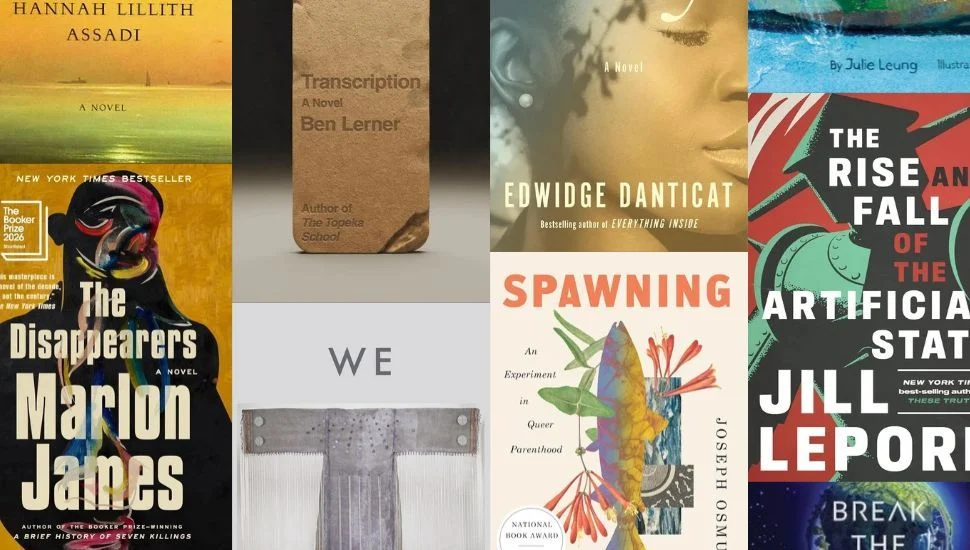
- Utilize QR Codes and Book Cover Images: For displays, consider using printed images of book covers with QR codes or links to their catalog entries. This allows patrons to easily access information about books, even if the physical copies are removed or become unavailable. It also serves as a resilient method of display, especially in libraries with limited physical space.
H2: Enhancing Patron Engagement and Information Dissemination
- Encourage Engagement: Beyond simply displaying books, libraries can foster deeper engagement through interactive elements, such as suggestion boxes for LGBTQ+ books, community feedback forms, or curated reading lists shared online.
- Track Circulation Statistics: Monitoring the checkout rates of books featured in Pride displays can provide tangible evidence of patron interest and demand. Sharing these statistics with library boards and community stakeholders can demonstrate the value and popularity of LGBTQ+ literature.
- Educate on Intellectual Freedom: Libraries have a vital role in informing patrons about First Amendment rights and intellectual freedom. Providing resources from organizations like Get Ready Stay Ready, PEN America, and EveryLibrary can empower patrons to understand and defend these principles. Highlighting local anti-censorship groups or resources for starting new ones can further bolster advocacy efforts. Information about local elections, school boards, and library boards is also essential, as these are key arenas for influencing library policy and funding.
- Prepare for Challenges and Ensure Transparency: Maintaining up-to-date collection development policies and making them readily accessible to the public can preemptively address challenges. Transparency about these policies allows censors less room to argue against the accessibility of materials for the entire community. Libraries should also be prepared to address harmful rhetoric, such as accusations of "grooming," by demanding accountability from decision-making bodies and clearly articulating the professional standards of librarians.
H2: Innovative Display and Educational Approaches
- Creative "No Display" Strategies: In environments where overt displays may be legally restricted or politically fraught, libraries can consider more subversive or thought-provoking approaches. Covering books with black sheets or wrapping them in plastic, accompanied by clear signage explaining that these materials are "illegal to share" or difficult to access due to censorship, can powerfully illustrate the impact of book bans. This approach shifts the focus from the books themselves to the act of censorship, potentially provoking public outcry and inspiring action. This strategy can be adapted from Banned Books Week displays, as exemplified by Rachel Haider at Eagan High School, where saran wrap symbolized the inaccessibility of banned books.
- Demand Accountability and Ask "Why": A critical new strategy involves directly questioning library boards and elected officials about their response to anti-LGBTQ+ rhetoric and censorship efforts. Asking why certain materials are being challenged, why Pride displays have diminished, or how they plan to respond to legislation like HR 7661 can put decision-makers on the record. This approach is particularly effective when paired with research and data, as it can expose the weaknesses of bigoted or unsupported positions. The upcoming mid-term elections provide a crucial opportunity for voters to advocate for institutions and individuals who support inclusive library services and communities.
The fight against censorship and for LGBTQ+ inclusion is not confined to specific states or political ideologies; it is a nationwide concern that requires sustained vigilance and active participation from all stakeholders. As the nation navigates the complex landscape of intellectual freedom and representation, the strategies outlined above offer a roadmap for libraries and their allies to champion the rights of LGBTQ+ individuals and ensure that their stories remain accessible and celebrated. The year 2026 presents a critical juncture, demanding that libraries and communities stand firm in their commitment to democracy, inclusivity, and the fundamental right to read.