Muhammad Hendra
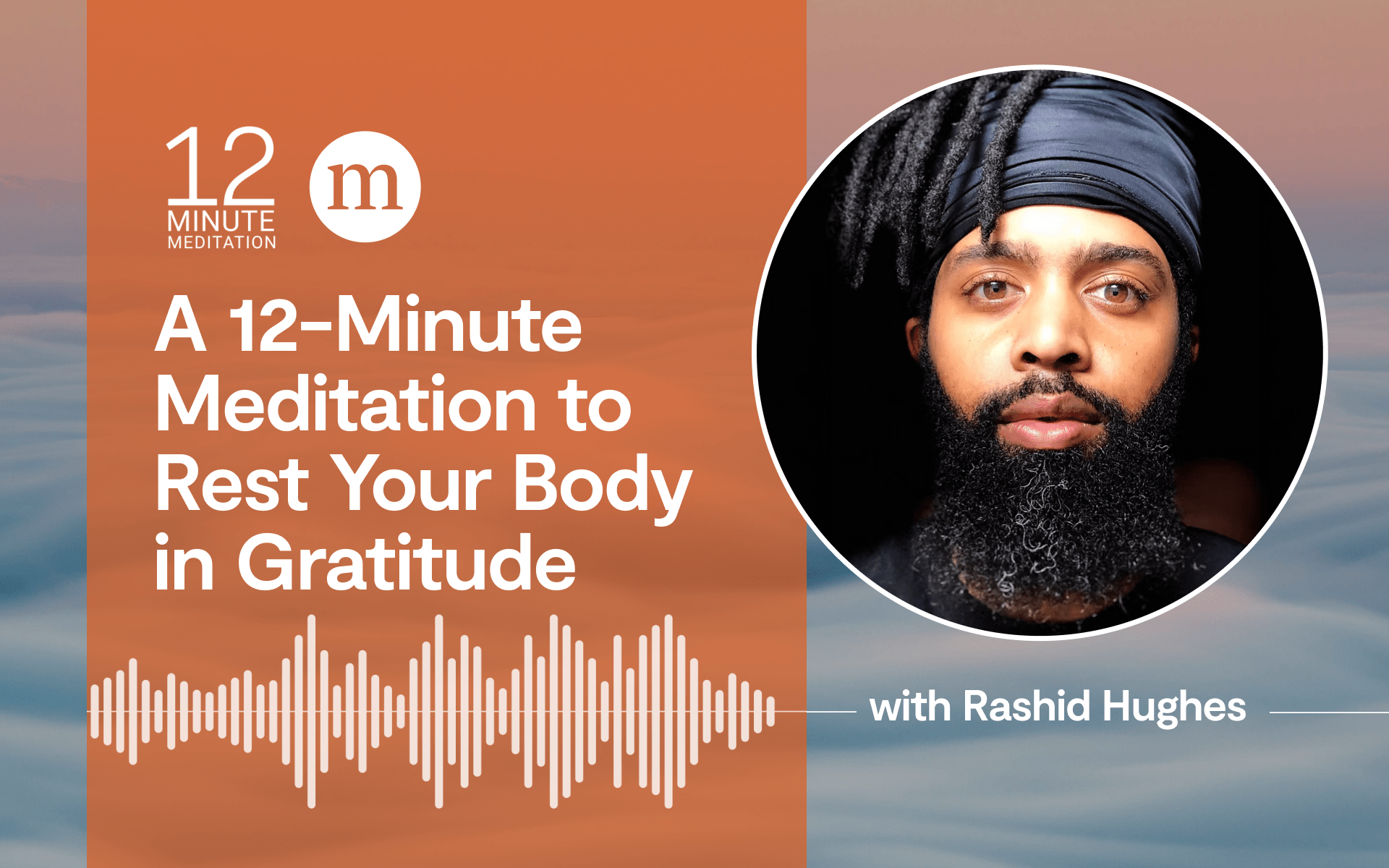
In an era characterized by relentless demands and increasing societal pressures, the simple yet profound act of pausing to connect with one’s physical self is gaining renewed attention. A guided meditation practice, specifically designed to foster a sense of gratitude and restorative awareness for the body, is emerging as a vital tool for individuals seeking respite from chronic stress and a deeper connection to their well-being. This 12-minute practice, championed by mindfulness expert Rashid Hughes, addresses the pervasive issue of bodies often being overworked, ignored, and undervalued, offering a pathway to renewal for both mind and heart.
The core premise of this meditation is to intentionally allow the body to "rest in awareness," a concept rooted in centuries of contemplative tradition. It encourages participants to release tension and cultivate a deep sense of gratitude for the complex and tirelessly working mechanisms of their physical form. This approach is particularly relevant in contemporary society, where the pressures of work, digital connectivity, and personal responsibilities often lead to a detachment from bodily signals, contributing to burnout and a host of stress-related ailments.
The Modern Predicament: Overworked Bodies and Minds
The phenomenon of the "overworked body" is not merely anecdotal; it is a documented public health concern. Studies consistently show a significant portion of the global workforce experiencing high levels of stress, leading to physical symptoms such as chronic fatigue, muscle tension, headaches, and digestive issues. The American Psychological Association’s annual "Stress in America" survey frequently highlights financial worries, work, and the current political climate as leading sources of stress for adults, with a considerable percentage reporting that their stress levels have increased over recent years. This sustained physiological arousal, often termed the "fight or flight" response, when prolonged, can have detrimental effects on cardiovascular health, immune function, and mental acuity.
Beyond the workplace, the pervasive nature of digital devices and social media further exacerbates this disconnect. Individuals are often mentally engaged in multiple tasks, constantly processing information, and rarely affording themselves moments of true stillness or introspection. This continuous mental activity prevents the body’s natural restorative processes from fully engaging, leading to a state of perpetual low-grade stress and a diminished capacity for emotional regulation. The body, in this context, becomes a mere vehicle for the mind’s incessant activity, rather than a sacred vessel deserving of care and appreciation.
Mindfulness as an Antidote: A Historical and Contemporary Perspective
Mindfulness, at its essence, is the practice of paying attention to the present moment, on purpose and non-judgmentally. While its roots are deeply embedded in ancient Buddhist traditions, its secular application has surged in popularity over the past four decades, largely due to pioneers like Jon Kabat-Zinn, who developed Mindfulness-Based Stress Reduction (MBSR) in the late 1970s. This program demonstrated the efficacy of mindfulness practices in clinical settings, helping patients cope with chronic pain and stress-related disorders. Since then, mindfulness has been integrated into diverse fields, from psychology and medicine to education and corporate wellness programs.
The "resting in awareness" meditation specifically leverages these principles. It is not about clearing the mind of thoughts, but rather observing them without judgment, while simultaneously directing attention to bodily sensations. This intentional awareness helps to anchor the individual in the present, interrupting the cycle of rumination about the past or anxiety about the future. By consciously choosing to acknowledge and appreciate the body, the practice fosters a sense of self-compassion that is often lacking in daily life.
The 12-Minute Practice: An Accessible Path to Restoration
The specific 12-minute duration of this guided meditation is a deliberate choice, reflecting the understanding that modern lifestyles often preclude longer periods of contemplative practice. This brief, accessible timeframe makes it feasible for individuals to integrate into their daily routines, whether during a lunch break, before sleep, or as a transition between activities. The structure typically involves gentle guidance to bring awareness to different parts of the body, noticing sensations without judgment, and then intentionally cultivating feelings of gratitude for the body’s functionality, resilience, and inherent beauty.
The meditation script, designed for either self-reading and pausing or audio guidance, is crafted to be inclusive and gentle. It avoids complex terminology, focusing instead on simple, direct invitations to connect with one’s physical experience. This simplicity is key to its broad appeal, allowing beginners and seasoned practitioners alike to benefit from its restorative effects. The emphasis on "gratitude for the body, in all of its beauty and mystery" serves to reframe the often critical internal dialogue many individuals hold about their physical appearance or perceived imperfections, shifting towards an appreciation for the body’s fundamental role in enabling life’s experiences.
Scientific Validation: The Benefits of Mindful Gratitude
The benefits of mindfulness and gratitude practices are well-documented by a growing body of scientific research. Neuroscientific studies, utilizing techniques like fMRI, have shown that regular meditation can lead to structural changes in the brain, including increased grey matter density in areas associated with learning, memory, emotion regulation, and perspective-taking, such as the hippocampus and prefrontal cortex. Conversely, it has been observed to decrease the volume of the amygdala, the brain’s fear center, suggesting a reduction in reactivity to stress.
Specifically, practices incorporating gratitude have been linked to improved mood, increased positive emotions, and enhanced social connectedness. Research published in journals like Emotion and Personality and Social Psychology Bulletin indicates that gratitude can act as a buffer against negative emotions, improve sleep quality, and even reduce symptoms of depression and anxiety. When directed towards the body, this gratitude fosters a healthier body image, promotes self-care, and encourages individuals to listen more attentively to their body’s needs, leading to healthier lifestyle choices. The combination of mindful awareness and gratitude thus offers a synergistic effect, amplifying the restorative and healing potential of the practice.
Rashid Hughes: Architect of Compassion and Community
The architect behind this particular meditation practice is Rashid Hughes, a multifaceted individual whose work spans writing, meditation instruction, yoga teaching, and restorative justice facilitation. Hughes’s background reflects a deep commitment to holistic well-being and social equity, which informs his approach to mindfulness. His journey, including holding a Master of Divinity Degree from the Howard University School of Divinity, underscores a comprehensive understanding of human experience, spiritual development, and community building.
Hughes is a co-founder of the Heart Refuge Mindfulness Community, an organization based in Washington, D.C., dedicated to inspiring Black, Indigenous, and People of Color (BIPOC) to live with love and courage. This community-focused approach is critical, as historical and systemic inequities often mean that BIPOC communities experience disproportionately higher levels of stress and trauma, while having less access to culturally relevant wellness resources. By creating a space that prioritizes these communities, Hughes and his co-founders are addressing a significant gap in the mindfulness landscape, making practices like the gratitude meditation more accessible and impactful for those who may need them most.
Hughes’s affiliations as an Affiliate Teacher for the Insight Meditation Community of Washington DC and a teacher of the Presence Collective further solidify his standing within the broader mindfulness ecosystem. His recent publication in Lions Roar Magazine, titled "When Aggression Masquerades as Compassion," highlights his intellectual engagement with complex ethical dimensions of mindfulness and social interaction, demonstrating a nuanced understanding of human psychology and the pursuit of genuine compassion.
The Broader Implications: Wellness, Equity, and Resilience
The increasing prominence of practices like Hughes’s 12-minute gratitude meditation carries significant implications for individual and public health, as well as for the broader societal discourse on wellness and equity.
- Individual Well-being: By offering an accessible and effective tool for stress reduction and self-compassion, such practices empower individuals to take proactive steps in managing their mental and physical health. The ability to pause, reconnect, and express gratitude for one’s body can lead to a more positive self-image, improved emotional resilience, and a greater capacity to navigate life’s challenges.
- Public Health Initiatives: As healthcare systems grapple with the rising costs and prevalence of stress-related illnesses, integrating accessible mindfulness practices into public health campaigns could offer a preventative and complementary approach to care. Educational institutions and workplaces could also benefit from promoting such practices to foster healthier, more productive environments.
- Equity and Inclusivity in Wellness: The work of the Heart Refuge Mindfulness Community exemplifies the critical need for culturally responsive and inclusive wellness initiatives. By specifically serving BIPOC communities, Hughes’s efforts contribute to dismantling barriers to mental health and mindfulness resources, promoting healing and empowerment in historically marginalized groups. This focus ensures that the benefits of mindfulness are not confined to privileged demographics but are extended to those who often face the greatest stressors.
- Societal Resilience: A society composed of individuals who are more attuned to their own well-being, more compassionate towards themselves and others, and more resilient in the face of adversity is inherently stronger. Practices that cultivate gratitude and self-awareness contribute to a collective shift towards greater empathy, understanding, and peaceful coexistence.
In conclusion, the 12-minute meditation to rest the body in gratitude, as advocated by Rashid Hughes, represents more than just a momentary pause; it is an invitation to fundamentally re-evaluate our relationship with our bodies and minds in a world that constantly demands our attention. Through its simple yet profound intention to foster awareness and appreciation, this practice offers a potent antidote to the pervasive stress of modern life, promising a path to restoration, renewal, and a deeper sense of self-worth for individuals across all communities. The growing embrace of such practices signifies a crucial step towards a more mindful, compassionate, and resilient society.