
 Ali Ikhwan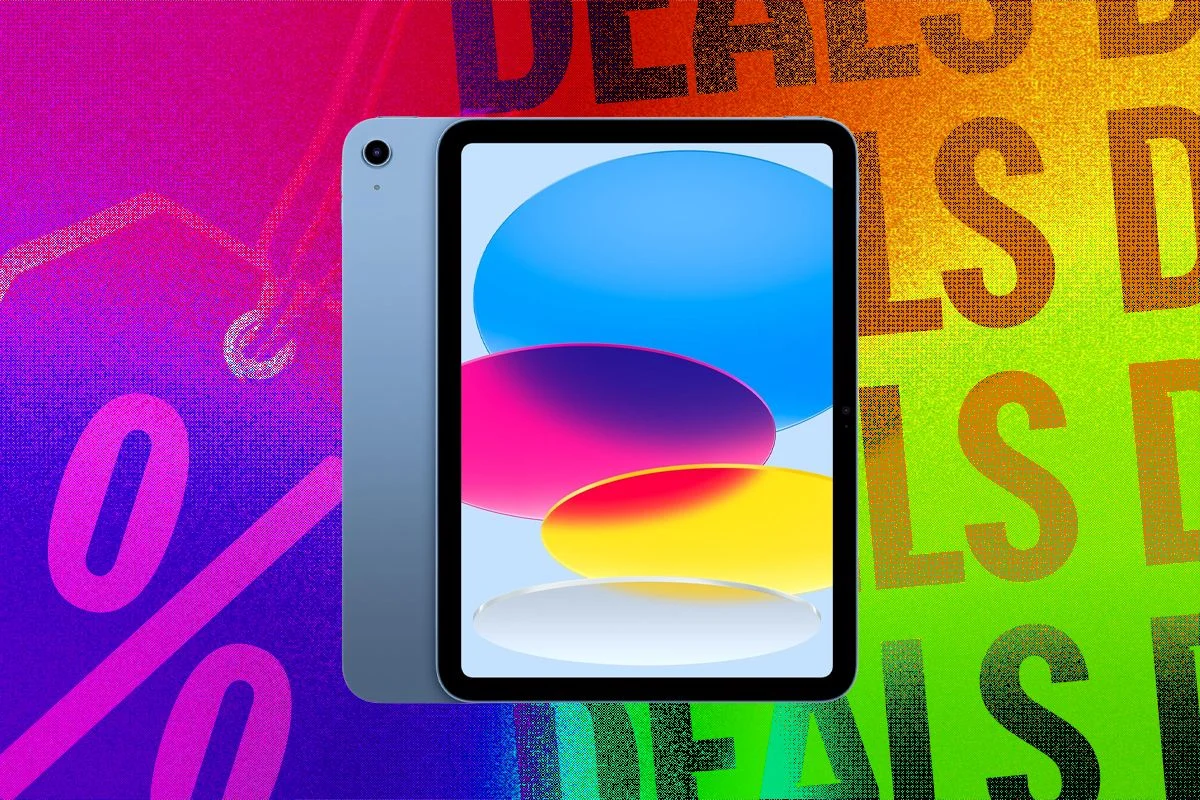
The standard 11-inch Apple iPad, refreshed for 2025 with the A16 Bionic processor, has reached a new price milestone as major retailers initiate aggressive discounting strategies to capture the mid-range electronics market. Currently positioned at $300 on Amazon, the device represents a $50 reduction from its manufacturer’s suggested retail price (MSRP) of $349. This price adjustment occurs at a critical juncture in the tablet lifecycle, as Apple seeks to balance its entry-level offerings against a sophisticated lineup of high-end iPad Air and iPad Pro models. While the external aesthetics of the device remain largely consistent with previous iterations, the internal hardware upgrades and storage capacity adjustments signal a shift in how Apple views the baseline tablet experience for casual users, students, and budget-conscious professionals.
Technical Specifications and Performance Benchmarks
The 2025 iteration of the standard iPad is defined primarily by its transition to the A16 Bionic silicon. Originally introduced with the iPhone 14 Pro in 2022, the A16 Bionic is built on a 4-nanometer process, featuring a 6-core CPU with two performance cores and four efficiency cores. It also includes a 5-core GPU and a 16-core Neural Engine capable of nearly 17 trillion operations per second.
In comparative performance testing, the A16 Bionic offers approximately a 15% to 20% increase in CPU performance over the A14 Bionic chip found in the 2022 10th-generation iPad. This jump is even more pronounced in graphical tasks, where the 5-core GPU provides a smoother experience for mobile gaming and light video editing. For the average consumer engaged in "couch surfing"—which includes web browsing, social media consumption, and streaming high-definition video—this translates to a snappier interface and reduced latency when switching between demanding applications.
One of the most significant changes in the 2025 refresh is the doubling of the base storage capacity. Apple has finally moved away from the 64 GB entry point, which many critics argued was insufficient for modern media consumption. The new baseline is 128 GB, with configurations available up to 512 GB. This adjustment acknowledges the increasing file sizes of iPadOS applications and the consumer demand for offline media storage, particularly for users who travel or have limited high-speed internet access.
The Evolution of the Entry-Level iPad: A Chronology
To understand the significance of the 2025 A16 model, it is necessary to examine the evolution of the iPad’s design and hardware over the last five years.
- 2020–2021: The 8th and 9th generation iPads maintained the classic design, featuring a 10.2-inch display, a physical Home button with Touch ID, and the Lightning connector. These models were the last to utilize the non-all-screen front.
- October 2022: Apple introduced the 10th-generation iPad, a radical departure from the classic design. It featured a 10.9-inch Liquid Retina display, flat edges, USB-C connectivity, and moved the Touch ID sensor to the top power button. It also introduced the landscape-oriented front-facing camera, a feature later adopted by the Pro models.
- Late 2024 / Early 2025: Instead of a complete redesign, Apple opted for a "spec-bump" refresh. The screen was slightly adjusted to 11 inches, and the internal processor was upgraded to the A16 Bionic. This move allowed Apple to keep manufacturing costs low by utilizing existing chassis designs while providing enough of a performance boost to remain competitive against Android tablets like the Samsung Galaxy Tab S9 FE.
This timeline illustrates Apple’s strategy of "trickle-down technology," where features once exclusive to the iPhone Pro or iPad Air eventually become the standard for the entry-level model, albeit with a deliberate delay to maintain product tiering.
Display and Design Considerations
The 2025 iPad features an 11-inch Liquid Retina display with a resolution of 2360 by 1640 pixels at 264 pixels per inch (ppi). While the screen is bright and vibrant, supporting 500 nits of peak brightness and Apple’s True Tone technology, it retains two specific limitations that distinguish it from the more expensive iPad Air and iPad Pro.
First, the display is non-laminated. In a non-laminated display, there is a small air gap between the glass surface and the actual LCD panel. While this makes the device significantly easier and cheaper to repair—as the glass can be replaced independently of the display—it results in a slightly hollow sound when tapping the screen and a less "direct" feeling when using the Apple Pencil.
Second, the display lacks an anti-reflective coating and nano-texture options. For users in brightly lit environments or those who frequently use their tablets outdoors, glare remains a factor. Furthermore, the 2025 model does not support the ProMotion technology (120Hz refresh rate) found in the Pro line, sticking instead to a standard 60Hz refresh rate. For casual media consumption, these omissions are rarely deal-breakers, but they remain the primary compromises for the lower price point.
The Apple Intelligence Divide
A critical point of analysis for the 2025 iPad is its compatibility with "Apple Intelligence," the company’s suite of generative AI features. Despite the A16 Bionic being a powerful processor, the 2025 standard iPad does not support Apple Intelligence.
Industry analysts point to RAM limitations as the primary cause. Apple Intelligence requires a minimum of 8 GB of RAM to function effectively, a specification met by all M-series chips and the A17 Pro/A18 chips. The 2025 standard iPad reportedly utilizes 4 GB or 6 GB of RAM, positioning it just below the threshold for on-device AI processing.
Market analysts suggest this is a deliberate move by Apple to segment the market. "By restricting Apple Intelligence to the Air and Pro models, Apple creates a clear ‘value’ vs. ‘feature’ distinction," says David Morrison, a senior consumer electronics analyst. "Users who want the latest AI writing tools and image generation must move up the price ladder, while those who simply want a reliable tablet for Netflix and email can save hundreds of dollars on the standard model."
Retail Strategy and Market Response
The current $300 price point on Amazon is part of a broader trend of retail volatility in the tablet sector. As of early 2025, several factors are influencing these discounts:
- Inventory Management: Retailers often discount current models to clear space for mid-cycle refreshes or to drive traffic to their platforms during "slow" retail months.
- Competitive Pressure: The entry-level tablet market is increasingly crowded with high-quality Android alternatives and the resurgent Amazon Fire Max line. A $300 iPad is a powerful deterrent against consumers switching ecosystems.
- Educational Cycles: With the spring semester in full swing, retailers target students who need a reliable device for note-taking and digital textbooks but cannot justify the $600+ cost of an iPad Air.
While Apple rarely discounts products on its own web storefront, the company allows authorized resellers like Amazon and Walmart to fluctuate prices. Walmart has recently listed the device at $329, while Apple maintains the $349 MSRP. The $300 price point at Amazon currently represents the "floor" for the 2025 model, making it the most cost-effective entry point into the modern iPadOS ecosystem.
Broader Impact and Consumer Implications
The decision to purchase the 2025 A16 iPad depends largely on a user’s specific needs and their feelings toward the current AI trend. For the vast majority of consumers, the absence of Apple Intelligence is mitigated by the significant hardware reliability and the longevity of the iPadOS support cycle. Apple typically provides software updates for its tablets for six to eight years, meaning a 2025 iPad is likely to remain functional and secure until the early 2030s.
For digital artists, the non-laminated screen remains the biggest hurdle, though the iPad remains compatible with the Apple Pencil (USB-C), providing a high-quality drawing experience that still surpasses most budget competitors. For families, the inclusion of Touch ID in the power button and the landscape-oriented camera makes it an ideal device for shared use and video calls.
In conclusion, the $300 price point for the 2025 iPad with 128 GB of storage and the A16 chip represents one of the strongest value propositions in the current tablet market. It effectively bridges the gap between "budget" and "premium," offering a professional-grade build and a powerful processor at a price that was previously reserved for much older hardware. As the tablet market continues to mature, such aggressive pricing on current-generation hardware suggests that while Apple may be pushing toward an AI-driven future, it is not yet willing to abandon the massive segment of the population that simply wants a dependable, affordable window into the digital world.







