Clara Fransiska
The culinary landscape of summer cookouts is being redefined with the emergence of innovative burger recipes, and a standout contender is the Greek Burger with Harissa Mayo. This dish, which has quickly become a favorite for backyard gatherings, offers a sophisticated twist on a classic, incorporating bold Mediterranean flavors with a spicy kick. The recipe, developed by culinary enthusiast Tieghan Gerard of Half Baked Harvest, highlights a harmonious blend of traditional Greek ingredients with modern culinary techniques, creating a flavor profile that is both familiar and exciting.
The Genesis of a Summer Favorite
The inspiration for these Greek Burgers reportedly stems from a recent culinary experience in Miami, Florida. Following a move to the Sunshine State, a newfound appreciation for outdoor grilling has become a central theme in Gerard’s kitchen. This shift in cooking environment has led to a consistent exploration of burger recipes, with the Greek Burger with Harissa Mayo emerging as a particular triumph. The dish was directly influenced by a local restaurant’s za’atar-spiced lamb burgers, which featured an array of enticing sauces and perfectly melted cheese, prompting a desire to recreate and elevate the concept.
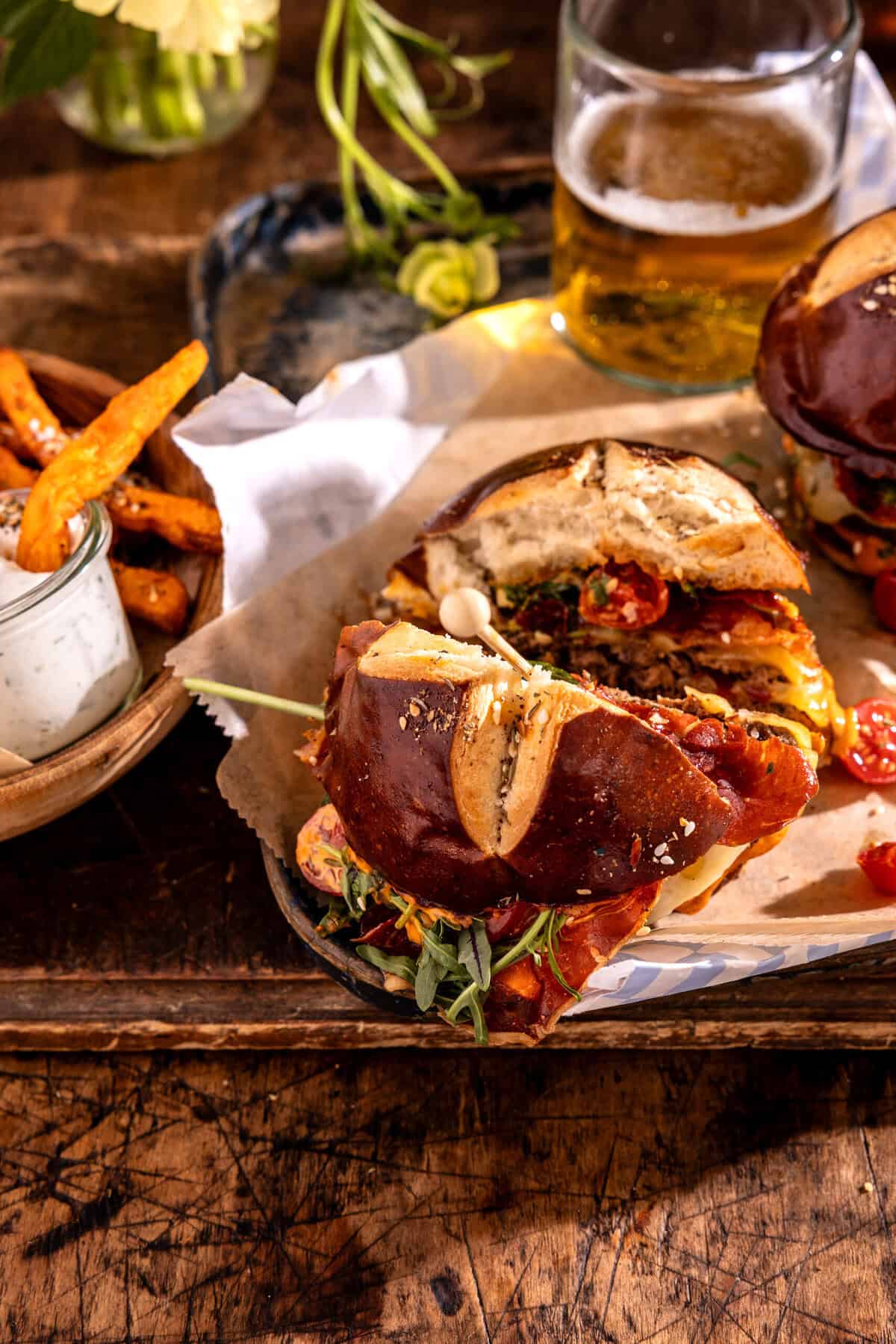
The initial foray into recreating this inspired dish for family dinner was met with significant acclaim. Served alongside homemade Greek Sweet Potato Fries with garlic yogurt, and an array of flavorful accompaniments including Green Zhoug, creamy harissa mayo, and crispy prosciutto, the burgers proved to be a resounding success. This positive reception solidified the Greek Burger’s place in the repertoire, standing shoulder-to-shoulder with other popular dishes like Teriyaki Chicken Burgers. The choice of pretzel buns for this creation is also a deliberate one, noted for their unique texture and flavor that complements the rich ingredients within.
A Symphony of Flavors and Textures
The Greek Burger with Harissa Mayo is characterized by its complex and layered flavor profile, achieved through a thoughtful selection of ingredients. The burger patties themselves are infused with za’atar, a Middle Eastern spice blend known for its aromatic combination of thyme, sumac, and sesame seeds, offering a distinctively herbaceous and tangy note. Harissa, a North African chili paste, adds a layer of gentle heat and smoky depth to both the burger mixture and the accompanying mayonnaise.
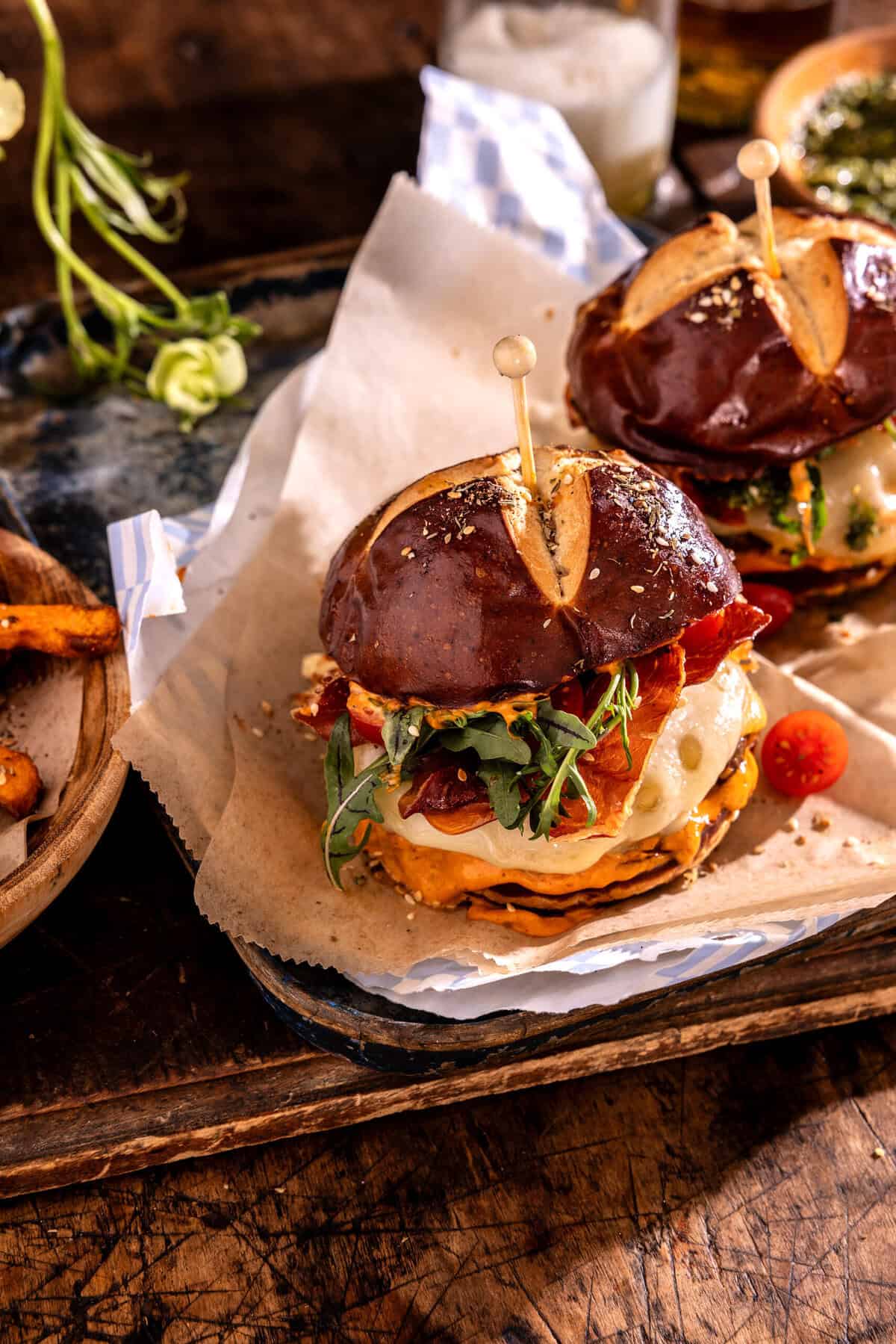
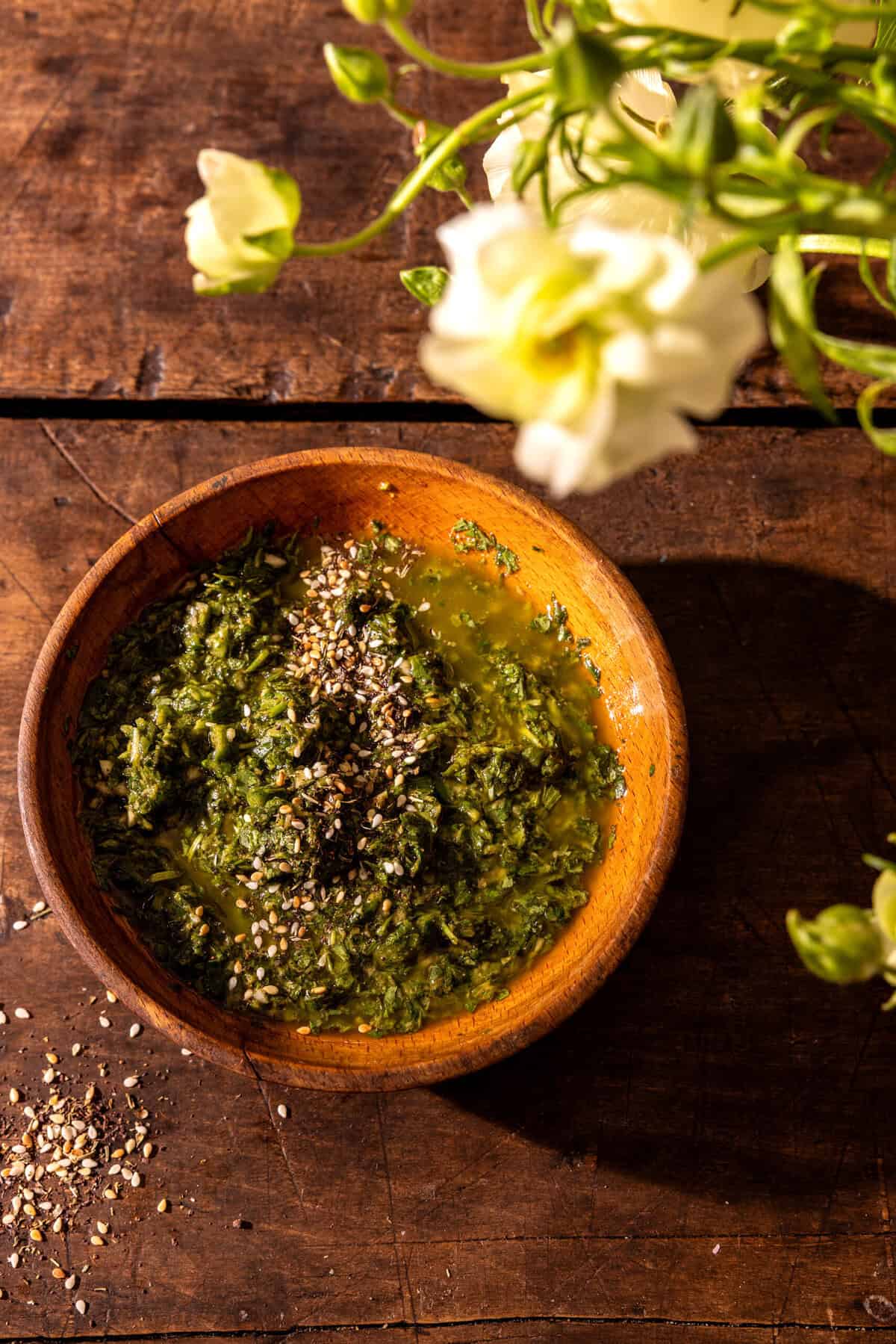
The burger is further enhanced by the creamy, spicy harissa mayo, which provides a cooling counterpoint to the warmth of the harissa in the patty. The inclusion of Green Zhoug, a vibrant herb sauce, introduces fresh, zesty, and slightly pungent undertones. The textural contrast is equally important, with crispy prosciutto adding a salty crunch, ripe summer tomatoes offering a burst of juicy sweetness, and peppery arugula providing a fresh, slightly bitter finish. All these elements are thoughtfully encased within a toasted pretzel bun, which offers a satisfying chew and a subtly sweet, malty base. The combination of melty Gouda and Swiss cheese further enriches the burger, adding a creamy, savory dimension.
Ingredient Breakdown and Culinary Techniques
The creation of the Greek Burger with Harissa Mayo involves several key components, each contributing to the overall gastronomic experience.
Harissa Mayo: This essential condiment is a simple yet impactful blend of mayonnaise, harissa, fresh lemon juice, and a pinch of salt. The flavors are best allowed to meld, suggesting that it is beneficial to prepare this sauce in advance. An alternative base for the mayo can be created using tahini mixed with water, offering a dairy-free option.
Crispy Prosciutto: Prosciutto is baked until crisp, providing a delightful salty crunch. This step requires careful attention to achieve the desired texture without overcooking.
Burger Patties: The foundation of the dish lies in the seasoned ground meat. A blend of ground beef and lamb is recommended for enhanced flavor, with the lamb contributing richness without overpowering the other spices. The meat is mixed with za’atar, harissa, sumac, onion powder, salt, and pepper. The key to tender burgers is to mix the ingredients just until combined, avoiding overworking the meat. Shaping the patties is best done gently, ensuring a consistent size for even cooking.
Grilling and Cheese: The burgers are traditionally grilled to the desired level of doneness. During the final minute of cooking, slices of Gouda and Swiss cheese are added, allowing them to melt beautifully over the patties when the grill lid is closed. This melting process is crucial for achieving the signature gooey texture.
Toasting the Buns: Pretzel buns are lightly buttered and toasted until golden brown. This step enhances their texture and flavor, making them a sturdy vessel for the substantial burger and its toppings. Brioche buns are noted as a secondary option.
Assembly: The final assembly involves spreading the harissa mayo on both halves of the toasted buns. The grilled burger patty is then placed on the bottom bun, followed by layers of fresh tomatoes, Green Zhoug, crispy prosciutto, and a generous handful of arugula.
The Supporting Cast: Side Dishes and Enhancements
To complement the bold flavors of the Greek Burgers, the accompanying Greek Sweet Potato Fries and Garlic Yogurt are highly recommended. The sweet potato fries are prepared by tossing them with olive oil before baking, and then finished with garlic, fresh oregano, flaky salt, and crumbled feta cheese immediately after emerging from the oven. This preparation method ensures a crispy exterior and a tender interior, infused with aromatic Mediterranean herbs and tangy feta. The garlic yogurt sauce, served with the fries, adds another layer of creamy, garlicky goodness, tying the entire meal together with a cohesive flavor profile.
The recipe also provides guidance on creating homemade za’atar, for those who may not have access to pre-made versions. This DIY approach involves combining dried oregano, toasted sesame seeds, dried thyme, ground sumac, and kosher salt. For those interested in the Green Zhoug, the recipe outlines its preparation using fresh cilantro, basil, jalapeño, garlic, cumin, cardamom, olive oil, and lemon juice, pulsed together in a food processor or blender until a desired consistency is achieved.
Culinary Innovation and Market Trends
The popularity of the Greek Burger with Harissa Mayo reflects a broader trend in the culinary world towards fusion cuisine and the elevation of comfort food classics. Consumers are increasingly seeking out dishes that offer a departure from the ordinary, incorporating global flavors and unique ingredient combinations. The use of za’atar and harissa, while rooted in specific regional cuisines, has become more accessible and appreciated in mainstream cooking, signaling a growing adventurousness among home cooks and diners alike.
Furthermore, the emphasis on grilling as a cooking method aligns with the enduring appeal of outdoor entertaining and the desire for flavorful, smoky dishes during warmer months. The rise of visually appealing food photography, as seen in the accompanying imagery, also plays a significant role in driving interest and adoption of such recipes. The detailed recipe instructions and ingredient lists provided contribute to the dish’s accessibility, empowering home cooks to recreate restaurant-quality meals in their own kitchens. The inclusion of nutritional information and estimated prep and cook times further enhances the recipe’s utility for modern consumers.
Broader Implications for Summer Dining
The success of recipes like the Greek Burger with Harissa Mayo underscores a shift in consumer preferences towards more dynamic and flavorful culinary experiences, particularly during seasonal gatherings. The trend suggests a move away from traditional, predictable barbecue fare towards dishes that offer a more adventurous and sophisticated palate. This innovation not only enhances the dining experience at home but also influences restaurant menus, encouraging culinary establishments to explore similar fusion concepts and ingredient pairings. The accessibility of detailed recipes and the growing interest in global flavors indicate a democratization of culinary creativity, allowing individuals to experiment with and embrace diverse gastronomic traditions. As summer progresses, dishes that offer a compelling balance of comfort, excitement, and global influence are likely to continue to capture the attention and taste buds of food enthusiasts.