In an increasingly digital world where attention is a scarce commodity and the demands on content creators and marketers are relentless, the ability to efficiently manage a sprawling social media presence has transitioned from a convenience to a critical strategic imperative. The modern digital ecosystem, characterized by a multitude of platforms and an insatiable appetite for fresh content, often leaves professionals grappling with an ever-expanding to-do list. The friction of switching between numerous applications to manually post content is a significant drain on productivity, prompting a widespread adoption of social media scheduling tools as a cornerstone of effective digital strategy. These sophisticated platforms empower individuals and organizations to batch content creation, ensure consistent visibility across diverse channels, and reclaim valuable time, enabling a crucial shift from reactive, on-the-fly publishing to a proactive, strategic approach.
The Evolution of Social Media Management: A Historical Context
The landscape of social media has undergone a profound transformation since its nascent stages. What began as informal platforms for personal connection has rapidly evolved into powerful engines for commerce, community building, and brand communication. In the early 2000s, social media engagement was largely organic and spontaneous. Businesses might post updates manually on a single platform like Facebook or Twitter, and the concept of a dedicated "social media manager" was still emerging. However, as platforms proliferated and algorithms began to favor consistent, high-quality content, the informal approach became unsustainable.
The rise of the "creator economy" and the professionalization of digital marketing further accelerated this shift. Individuals and brands realized the immense potential of platforms like Instagram, LinkedIn, TikTok, Pinterest, and YouTube, each demanding tailored content formats and posting frequencies. Managing a presence across these diverse channels manually became an insurmountable task, leading to burnout and inconsistent messaging. This challenge spurred the development of specialized tools designed to centralize and automate the publishing process. Early solutions, often rudimentary, laid the groundwork for the comprehensive social media management suites available today, which integrate not only scheduling but also analytics, community management, and collaborative workflows. This chronological progression highlights a clear industry trend: as social media matured, so too did the necessity for sophisticated management infrastructure.
Why Scheduling is No Longer Optional: Data and Insights
The strategic value of social media scheduling tools is underscored by compelling industry data and the evolving demands of the digital sphere. Global social media usage continues to climb, with billions of users actively engaging across various platforms daily. According to recent industry reports, the average internet user spends several hours on social media platforms each day, making these channels indispensable for reaching target audiences. For businesses and creators, consistency is paramount. Studies consistently show that brands posting regularly experience significantly higher engagement rates, increased brand recall, and stronger audience growth compared to those with sporadic activity. For instance, some analyses suggest that consistent posting can lead to a 25% increase in follower growth and a 30% boost in engagement on platforms like Instagram.

Furthermore, the operational efficiency gained from adopting scheduling tools is substantial. Marketing professionals report saving an average of 3-5 hours per week by batching content creation and using schedulers, time that can be reallocated to higher-level strategic planning, audience engagement, or content refinement. The global social media management software market is projected to reach over $30 billion by 2030, a testament to its indispensable role in modern business operations. Analysts widely agree that these tools are critical for scaling social media efforts, enabling even small teams or solo creators to maintain a professional, impactful online presence without being overwhelmed by administrative tasks. The sheer volume of content required to stay competitive—often multiple posts per day across several platforms—makes manual execution virtually impossible for any serious player in the digital space.
Essential Features Defining Modern Social Media Schedulers
As the social media landscape grows more complex, the capabilities of scheduling tools have expanded far beyond simple timed posts. Today’s leading platforms offer a suite of integrated features designed to streamline every aspect of content management. Understanding these key functionalities is crucial for selecting a tool that aligns with specific operational needs.
-
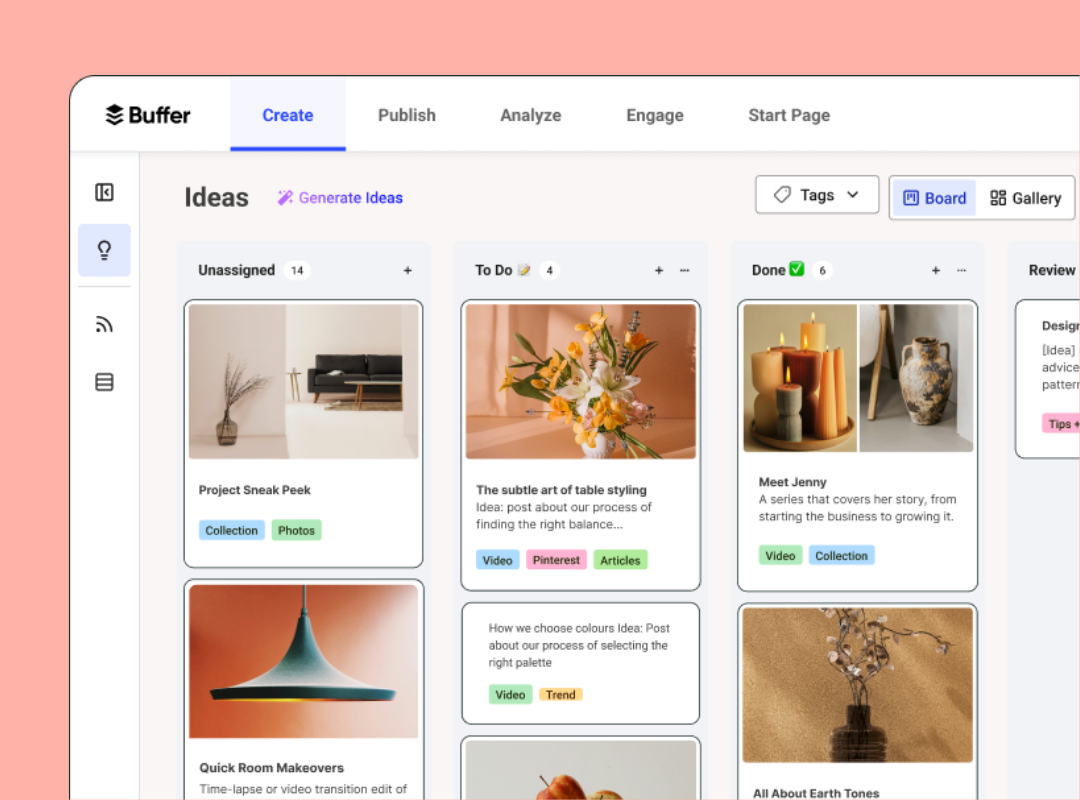
Content Calendar and Visual Post Planner: At the core of any effective scheduling tool is a robust content calendar. This visual interface provides a bird’s-eye view of all scheduled posts, allowing for easy identification of content gaps, optimal posting times, and campaign alignment. Drag-and-drop functionality empowers users to adjust timings, reorder posts, and make real-time changes as strategies evolve. A built-in post planner serves as a staging area for ideas, allowing users to draft content, assign platforms, and finalize captions before slotting them into the calendar. This holistic view ensures brand consistency and a cohesive narrative across all channels.
-
Robust Bulk Scheduling and Approval Workflows: For teams, agencies, and prolific creators, the ability to schedule multiple posts simultaneously is a game-changer. Bulk uploading via CSV files or direct asset drops significantly reduces manual input. Crucially, sophisticated approval workflows—typically structured as "draft → review → publish"—are integral for maintaining quality control and stakeholder alignment. These workflows prevent errors, ensure brand voice consistency, and eliminate the chaotic "can we pull that?" messages, particularly vital in client-facing or multi-departmental environments.
-
Unified Inbox and Collaborative Ecosystems: Managing direct messages, comments, and mentions across multiple social profiles can be a time-consuming ordeal. A unified social inbox centralizes all community interactions, making real-time engagement manageable and preventing messages from falling through the cracks. Beyond communication, robust collaboration features like shared drafts, internal notes, and granular role-based permissions allow teams to work seamlessly. This reduces reliance on external communication channels like Slack or email, fostering a more integrated and efficient workflow within the social media management platform itself.
-
Comprehensive Media Library and Mobile Accessibility: An integrated, searchable media library is an invaluable asset for storing branded graphics, video assets, user-generated content, and evergreen imagery. This central repository eliminates the need to repeatedly hunt for files, ensuring quick access to approved assets. Furthermore, top-tier schedulers offer comprehensive mobile applications that mirror desktop functionality. This enables creators and managers to schedule posts, edit captions, respond to comments, or adjust their content lineup from anywhere, providing unparalleled flexibility and responsiveness.
-
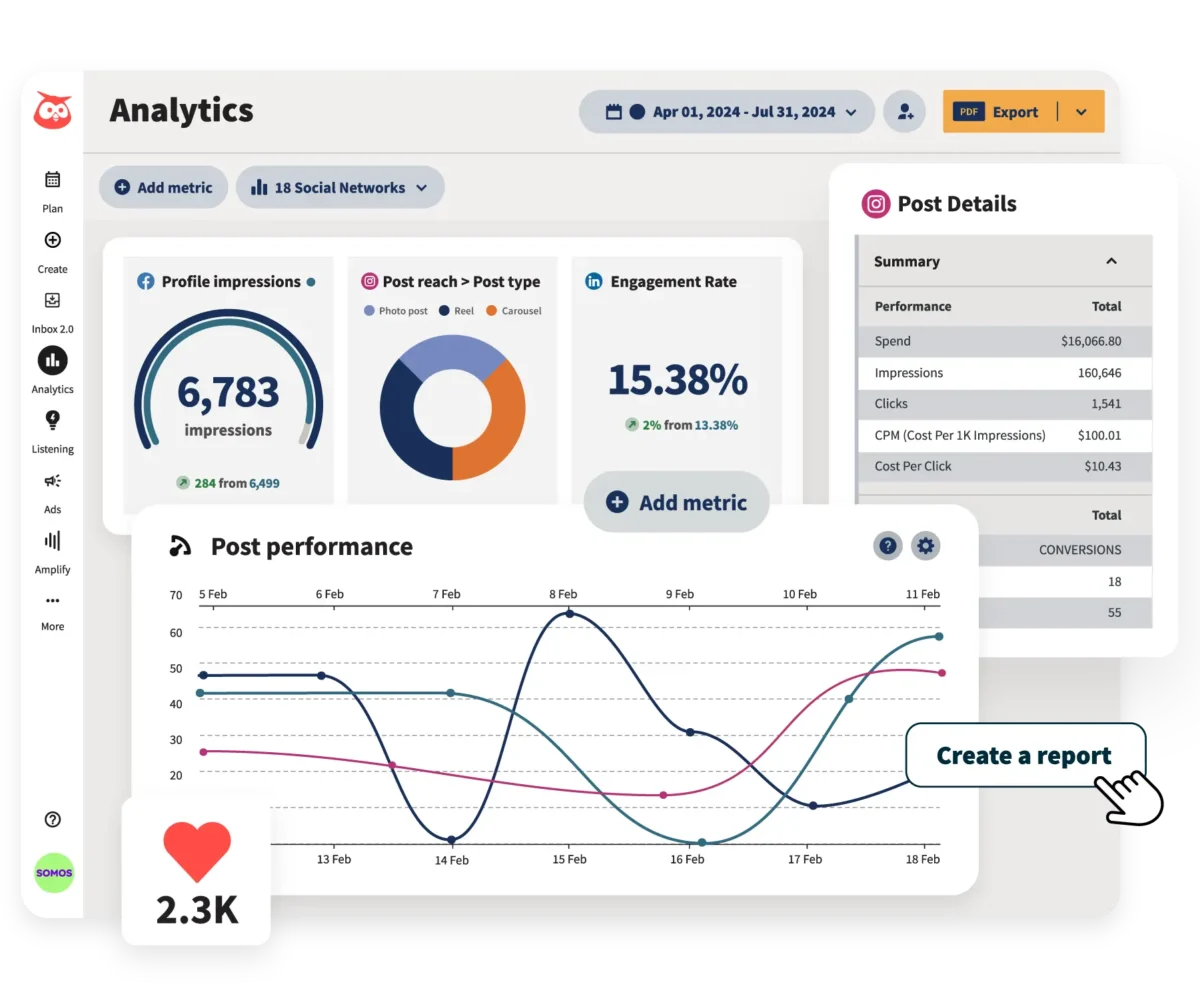
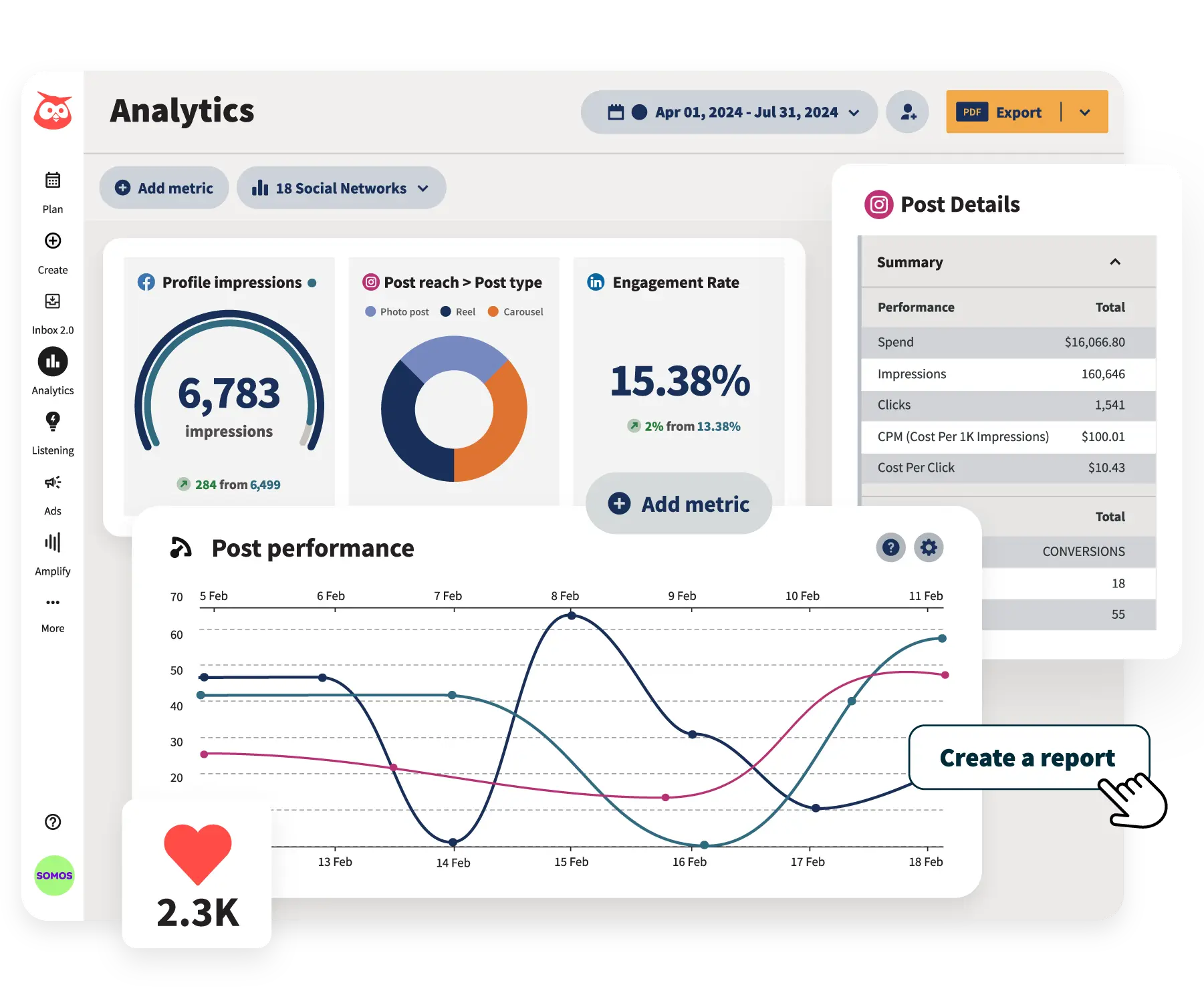
Advanced Social Media Analytics and Performance Tracking: Scheduling is merely the first step; understanding content performance is vital for strategic refinement. High-quality scheduling tools integrate robust analytics dashboards that track key metrics such as reach, engagement rates, click-through rates, and audience demographics. These insights allow marketers to identify top-performing content, double down on successful strategies, and retire underperforming campaigns, ensuring that efforts are continuously optimized for maximum impact and return on investment.
-
The Rise of AI Integration: Increasingly, artificial intelligence is becoming a standard feature within social media schedulers. While AI won’t replace strategic thinking, it significantly streamlines administrative tasks. AI helpers can assist with generating caption ideas, repurposing content for different platforms, suggesting optimal posting times based on audience activity, and even drafting responses to comments. This integration promises to shave hours off routine tasks, allowing creators to focus on creativity and higher-value activities.
A Curated Look at Leading Social Media Scheduling Platforms
The market offers a diverse array of social media scheduling tools, each with unique strengths tailored to different user needs. It is important to note that pricing and feature sets are dynamic and subject to change; prospective users should always verify the latest information directly on the provider’s website.
-
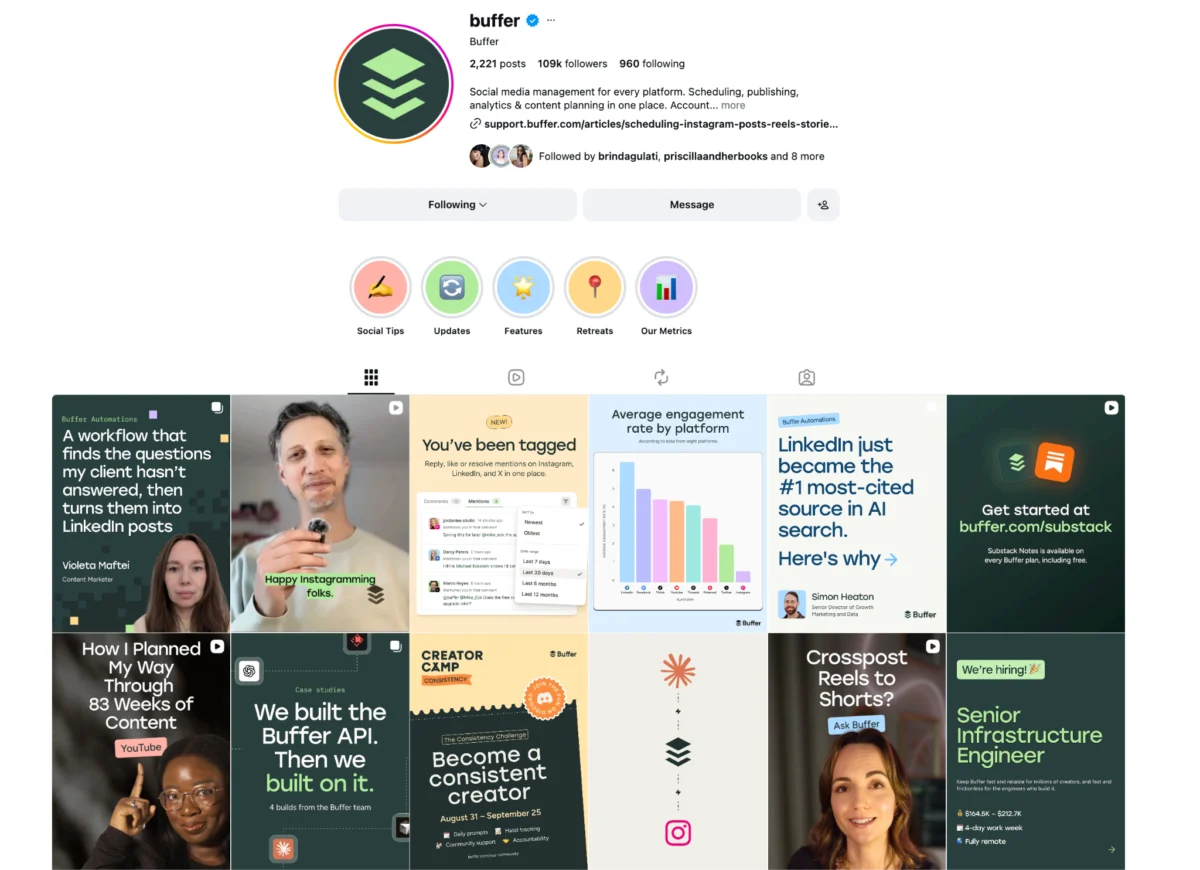
Buffer: Often celebrated for its user-friendly interface and focus on consistent, stress-free scheduling, Buffer is a top choice for individual creators, consultants, and small teams. It excels at empowering users to maintain a steady online presence without feeling overwhelmed. Its mobile app ensures full functionality on the go, making it ideal for those who need flexibility. Buffer’s commitment to a lean, powerful feature set without unnecessary bloat makes it an accessible yet highly effective solution. It offers a free plan for up to three channels, making it an excellent starting point.
-
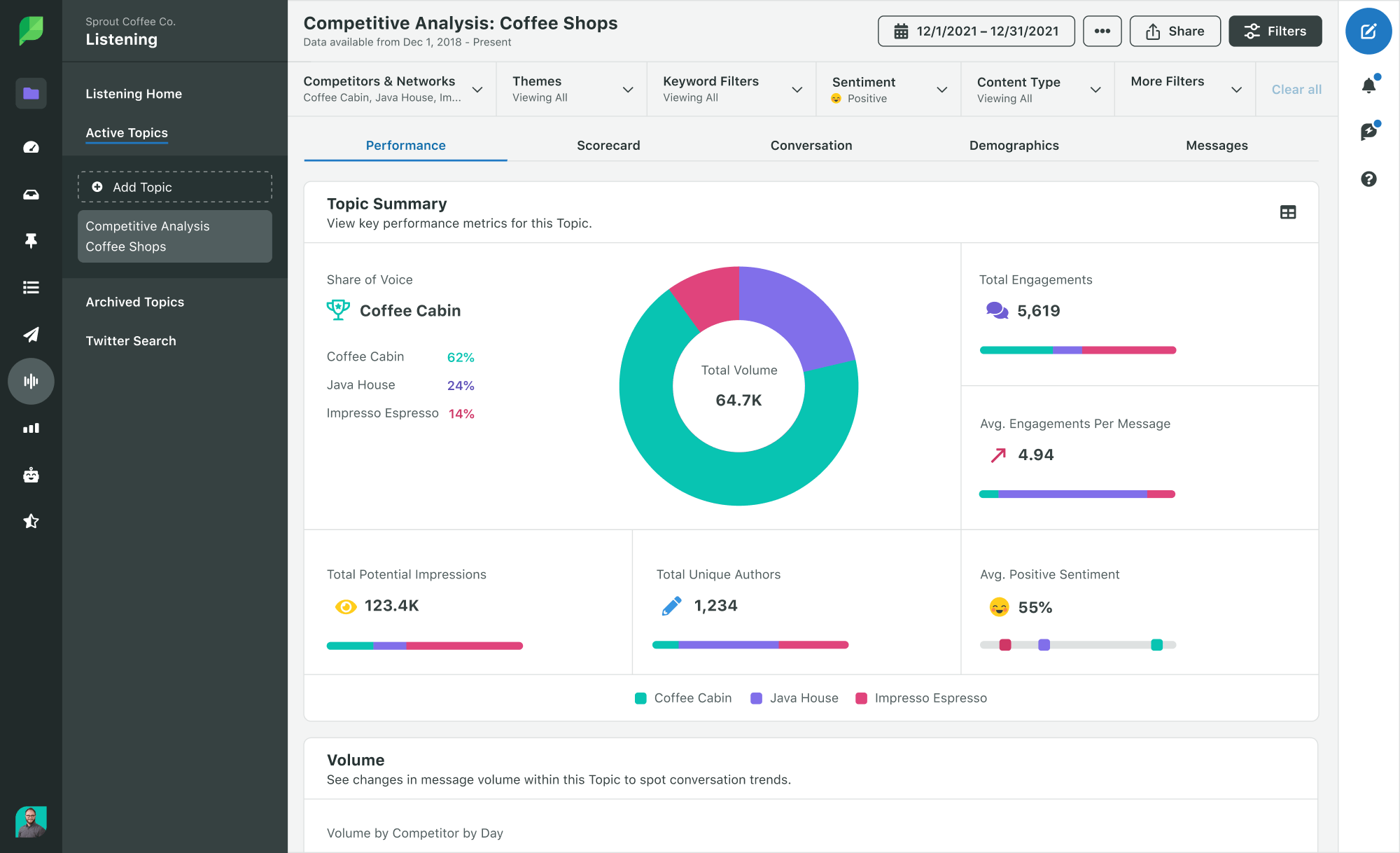
Sprout Social: Positioned as an enterprise-grade solution, Sprout Social is designed for larger organizations, agencies, and brands requiring deep reporting and polished workflows. It offers a comprehensive suite encompassing robust publishing, social listening, and advanced analytics. While its higher price point reflects its extensive capabilities, the investment is often justified by the unparalleled visibility and control it provides across multiple accounts and stakeholders. Sprout Social includes sophisticated team collaboration features and in-depth performance tracking, though it does not offer a free plan, providing a 30-day trial instead.
-
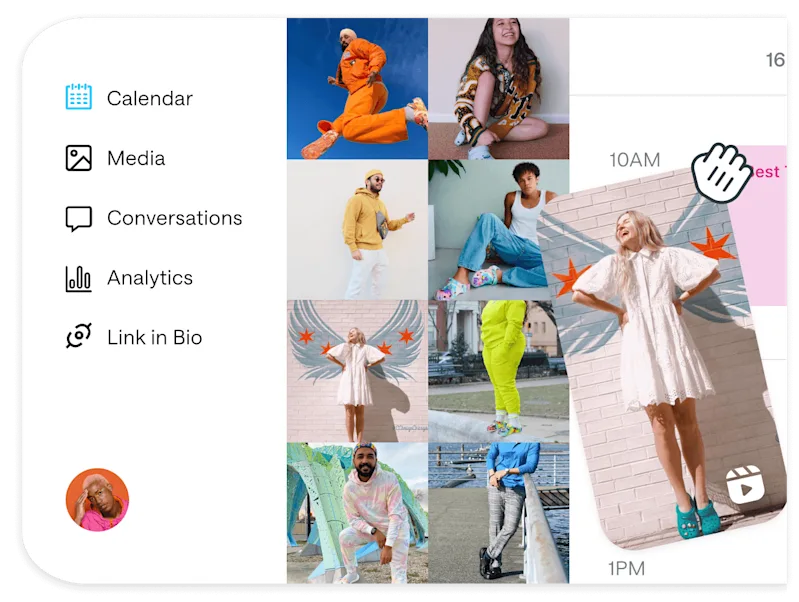
Later: Originally built with Instagram in mind, Later remains a powerhouse for visual-first creators and brands. Its drag-and-drop content calendar allows users to visualize their feed exactly as it will appear, ensuring aesthetic coherence across visual platforms like Instagram, TikTok, Pinterest, and YouTube. Later’s emphasis on grid planning and visual content management makes it an indispensable tool for influencers and brands where aesthetic consistency is paramount. It offers a free plan with limited monthly posts, catering to individuals starting their visual content journey.
-
Hootsuite: As one of the original social media schedulers, Hootsuite boasts a long history of providing comprehensive cross-platform management at scale. Its interface, organized by streams and tabs, offers extensive control, though it can present a steeper learning curve for new users. Hootsuite is particularly strong for large teams managing numerous profiles across many networks, offering robust scheduling, monitoring, and analytics capabilities. As of 2025, Hootsuite no longer provides a free plan, with paid tiers starting at $199 per month, though a 30-day trial is available.
-
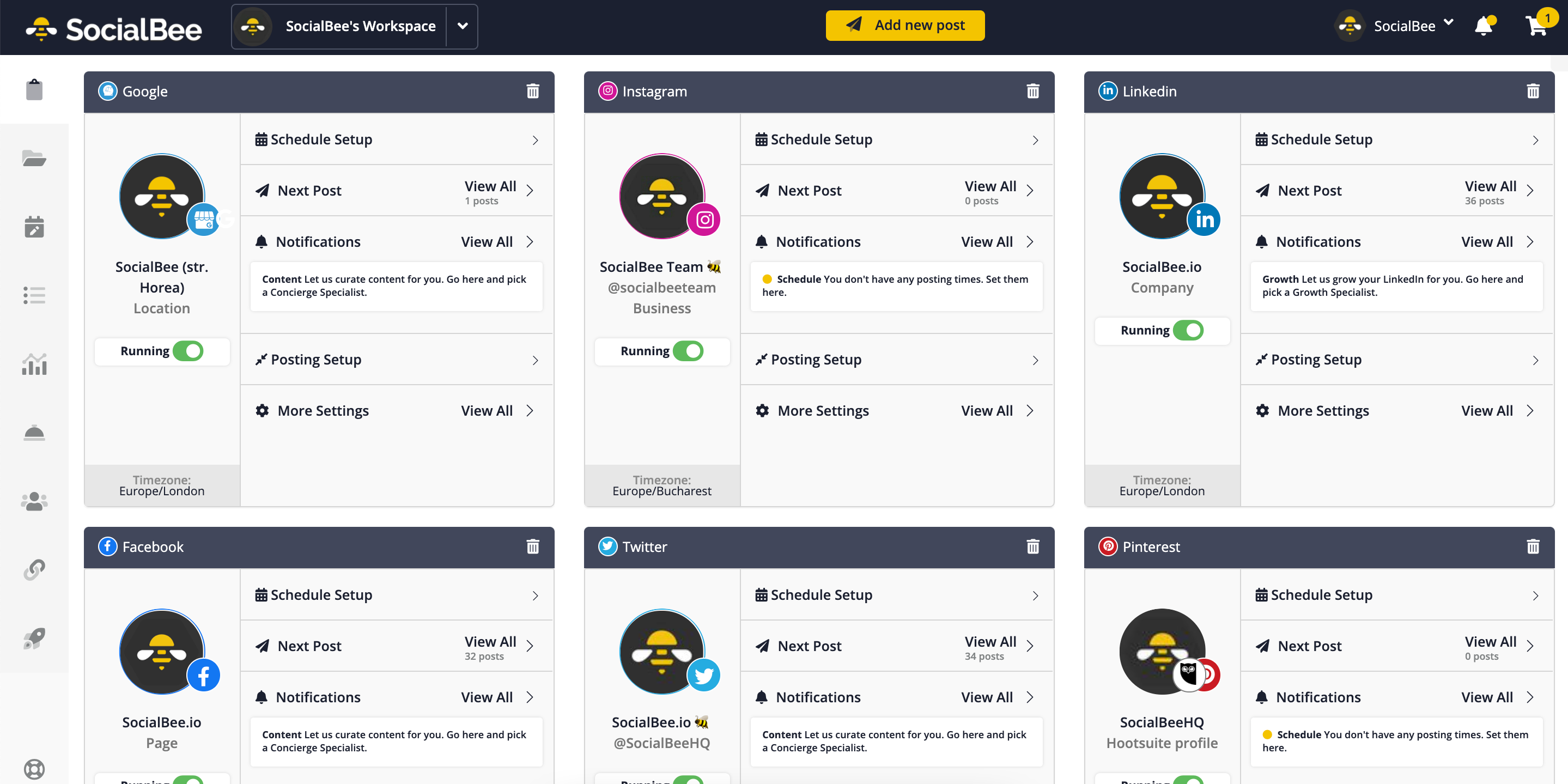
SocialBee: Ideal for strategies centered around evergreen content and curated post libraries, SocialBee stands out with its category-based engine. This feature allows users to group content by themes (e.g., "Tips," "Case Studies," "Promos") and set automated cadence rules, ensuring a consistently full queue without the need for daily content creation. It’s particularly beneficial for solo marketers, coaches, and consultants who rely on repurposing existing content or maintaining a steady flow of curated articles. While its interface might not be as modern as some competitors, its unique automation capabilities are highly valued. SocialBee offers a 14-day free trial.
-
Metricool: For data-driven marketers who prioritize performance optimization, Metricool offers a compelling combination of scheduling and in-depth analytics. Supporting all major networks, it layers real-time data, competitor analysis, and AI-powered suggestions on top of a visual content calendar. Its standout features include a hashtag suggestions tool, content recycling, and basic AI for post repurposing, making it a strong contender for those focused on measurable results. Metricool provides a generous free tier for up to 20 posts per month, allowing extensive testing before committing to a paid plan.
-
Planable: Specializing in visual collaboration and client approvals, Planable transforms the often cumbersome feedback loop into a seamless, real-time conversation. Its feed-style interface accurately previews posts across networks, enabling clients and teammates to comment, react, and approve content directly within the platform. This significantly reduces reliance on external communication, making it an invaluable tool for agencies, freelancers, and in-house teams where streamlined approval processes are critical. Planable focuses heavily on planning and approvals, often used in conjunction with other tools for deeper analytics or engagement tracking. It offers a free plan limited to 50 posts.
Choosing the Right Tool for Your Strategy: A Decision Framework
With a multitude of sophisticated options available, selecting the ideal social media scheduling tool requires a systematic approach. The "best" tool is not universally defined but rather determined by an individual’s or organization’s specific workflow, goals, and preferred platforms.
-
Understand Your Posting Routine and Volume: Begin by assessing your current and desired content output. Do you post daily across multiple platforms, or do you prefer to batch content creation once a week for a single primary channel? Solo creators might need a simple, intuitive queue, while a busy social media manager juggling dozens of accounts will require robust bulk scheduling capabilities. This foundational understanding dictates the scale and complexity of features you’ll need.
-
Assess Your Team’s Collaboration Needs: The composition of your team significantly influences tool selection. A solo creator might prioritize ease of use, while a small marketing team will benefit from shared drafts and internal notes. Agencies or larger enterprises, often dealing with client approvals and multiple stakeholders, will require advanced features like tiered approval workflows, role permissions, and a unified communication hub to ensure seamless collaboration and prevent bottlenecks.
-
Match Capabilities to Your Core Platforms: Not all schedulers support every social media platform equally well, nor do they offer the same depth of features for each. Some excel with visual-heavy platforms like Instagram and TikTok, offering grid previews and specific video scheduling options. Others might be stronger for professional networks like LinkedIn or for managing Google Business Profile updates. Even if your current focus is narrow, consider a tool that offers scalability and support for additional platforms as your digital strategy evolves.
-
Evaluate Beyond Scheduling: Analytics and Engagement: While scheduling is the primary function, the true value of these tools often extends to other critical aspects of social media management. Do you need integrated analytics to track performance, identify trends, and optimize your strategy? Is a unified inbox for community management important for maintaining engagement? Consider features like social listening, competitor analysis, and even basic AI assistance that can save time on tasks beyond just posting.
-
Analyze Pricing Models and Scalability: Finally, scrutinize the pricing structure. Many tools offer free tiers, which are excellent for initial testing, but costs can escalate quickly as you add more social media profiles, team members, or advanced features. Understand whether pricing is per channel, per user, or based on the number of posts. Consider the long-term investment and ensure the tool can scale with your growth without becoming prohibitively expensive. Free trials are invaluable for assessing fit before committing financially.
The Broader Impact: Beyond Efficiency
The adoption of social media scheduling tools represents more than a mere tactical advantage; it embodies a strategic shift that profoundly impacts how businesses and individuals operate in the digital realm.
- Empowering Creators and Small Businesses: These tools democratize sophisticated marketing capabilities, allowing smaller entities to compete with larger organizations by maintaining a professional and consistent online presence without requiring extensive resources.
- Reducing Burnout and Fostering Creativity: By automating repetitive administrative tasks, schedulers free up creators’ and marketers’ mental bandwidth. This reclaimed time can be dedicated to brainstorming innovative content ideas, refining messaging, engaging meaningfully with audiences, and focusing on the strategic aspects of brand building, thereby reducing the risk of burnout.
- Ensuring Brand Consistency and Professionalism: In a fragmented digital environment, maintaining a cohesive brand voice and visual identity across all platforms is challenging. Scheduling tools facilitate meticulous planning, ensuring that every piece of content aligns with brand guidelines and contributes to a consistent, professional image.
- Strategic Advantage in a Crowded Digital Space: Ultimately, these tools transform content management from a daily chore into a renewable asset. Content can be planned, optimized, and deployed to work in the background, allowing businesses and individuals to focus on core operations and strategic growth. This intentional approach ensures that social media efforts are not just reactive but are integral to achieving broader business objectives.
Conclusion: Scheduling as a Strategic Imperative
In conclusion, social media scheduling tools are no longer a luxury but an essential component of any successful digital strategy. They empower creators, small businesses, and large enterprises alike to navigate the complexities of the modern social media landscape with unprecedented efficiency and strategic foresight. By removing the daily pressure of manual posting, these platforms provide the invaluable gift of time, enabling a focus on intentional content creation, meaningful audience engagement, and continuous strategy refinement. The right scheduler doesn’t just help you post more often; it helps you work smarter, foster creativity, and achieve sustained growth without the accompanying stress. For anyone striving to maintain consistency and impact in the fast-paced world of social media, embracing these tools is not merely an option but a strategic imperative that lays the groundwork for future success.
Frequently Asked Questions (FAQs)
-
What is the best social media scheduling tool?
There isn’t a single "best" scheduler for everyone. The ideal tool depends on individual needs regarding supported channels, collaboration requirements, analytics depth, and budget. However, Buffer is widely regarded as a strong choice for creators and small teams due to its ease of use and generous free plan supporting up to three channels. -
What features should a good content calendar have?
An effective content calendar tool should offer drag-and-drop functionality for easy post adjustments, color-coding for campaigns, and a comprehensive view of all scheduled content across platforms. Buffer’s built-in calendar provides these features, syncing across desktop and mobile devices for accessibility from anywhere. -
What is the most reliable social media scheduling tool?
For consistently scheduling posts across major platforms like Instagram, LinkedIn, and Google Business Profile, Buffer is frequently cited as one of the most reliable options. It integrates scheduling, analytics, and collaboration features efficiently without unnecessary complexity. -
How do social media scheduling tools work?
Most scheduling tools follow a similar workflow:- Connect Accounts: Link your social media profiles (e.g., Facebook, Instagram, Twitter, LinkedIn).
- Create Content: Draft your post, add media, and write your caption within the tool.
- Schedule: Choose the desired date and time for publication.
- Automate: The tool automatically publishes your content at the specified time.
Platforms like Buffer simplify this process further with features such as post drafts, customizable queues, and mobile scheduling capabilities.
-
Is Hootsuite no longer free?
As of 2025, Hootsuite no longer offers a free plan. All paid plans now start at $199 per month, though a 30-day free trial is available for prospective users. For those seeking free or more budget-friendly alternatives, Buffer and Metricool provide robust scheduling features with generous free tiers.