Hanik Kholidah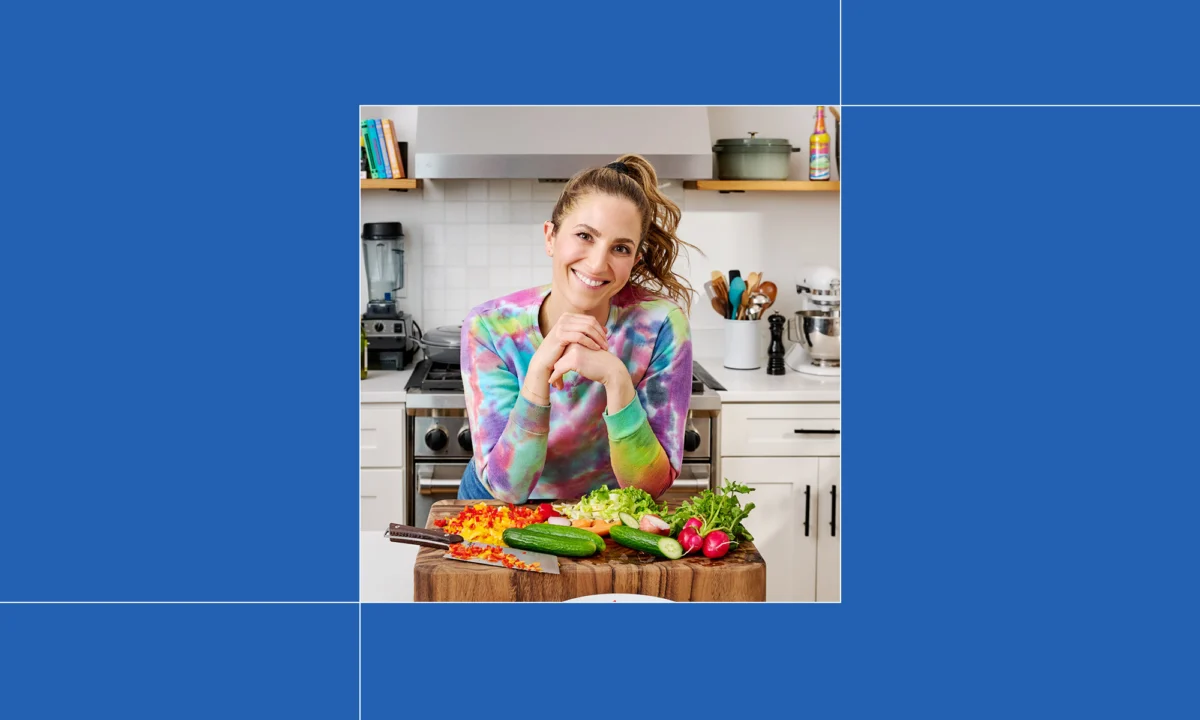
The persistent daily inquiry regarding evening meal plans remains a significant source of psychological "decision fatigue" for millions of households. Despite the proliferation of digital recipe platforms and meal-kit services, the logistical execution of preparing a nourishing meal after a standard workday continues to present a hurdle for the average consumer. Melissa Ben-Ishay, the co-founder and creative force behind the globally recognized brand Baked by Melissa, has pivoted from her origins in artisanal confectionery to provide a strategic framework for managing these domestic challenges. By emphasizing a combination of logistical efficiency, culinary simplification, and a shift in nutritional philosophy, Ben-Ishay offers a blueprint designed to mitigate the friction inherent in modern weeknight cooking.
The Evolution of the Baked by Melissa Brand
To understand the context of Ben-Ishay’s transition into the wellness and savory cooking space, one must look at the trajectory of her career. Founded in 2008 after Ben-Ishay was fired from an advertising job, Baked by Melissa became a cultural phenomenon in New York City and beyond, primarily known for its signature bite-sized cupcakes. However, as the brand matured and Ben-Ishay transitioned into motherhood, her public-facing persona evolved to reflect a deeper interest in holistic nutrition and efficient family feeding.
This transition culminated in the release of her latest cookbook, Come Eat, which features 100 recipes centered on nourishment rather than indulgence. This shift reflects a broader trend in the culinary industry where high-profile chefs and entrepreneurs are increasingly aligning their brands with "functional" eating—a movement that views food not merely as fuel or pleasure, but as a primary driver of long-term health.
The Logistics of Modern Meal Preparation
A primary pillar of Ben-Ishay’s strategy involves the outsourcing of the most time-consuming aspect of cooking: procurement. Data from the U.S. Bureau of Labor Statistics indicates that the average American spends approximately 44 minutes per day on food preparation and cleanup, but this does not account for the additional 1.5 to 2 hours spent weekly on grocery shopping.
Ben-Ishay advocates for the aggressive use of grocery delivery and in-store pickup services to reclaim this time. The rise of e-commerce in the grocery sector—a market that expanded significantly during the COVID-19 pandemic—has become a permanent fixture for many families. By utilizing these services, Ben-Ishay notes that consumers can eliminate the physical errand and reduce "impulse purchasing," which often leads to the acquisition of less nutritious, highly processed snacks.
For those who find delivery fees prohibitive, the "middle ground" of online ordering with curbside pickup provides a compromise. This logistical shift allows the home cook to maintain an inventory of "nourishing staples" without the cognitive load of navigating a physical supermarket during peak hours.

The Simplification Framework: Protein and Vegetables
Once the logistical hurdles are cleared, the secondary challenge is the complexity of the meal itself. Ben-Ishay’s approach is rooted in a minimalist formula: a high-quality protein paired with a vegetable. This "formula for success" is designed to bypass the need for elaborate recipes that require specialized ingredients or multiple cooking vessels.
"Most nights dinner is a protein and a veggie," Ben-Ishay explains. Her standard rotation includes quick-searing steaks or sheet-pan salmon. The use of a single pan for roasting proteins and vegetables simultaneously—such as her signature sheet-pan salmon with steamed broccoli—reduces both the active cooking time and the subsequent labor required for cleaning.
Furthermore, Ben-Ishay highlights the importance of "circular cooking," or the strategic use of leftovers. In her household, starches like pasta or rice are often prepared in bulk earlier in the week and repurposed as side dishes for subsequent meals. This method aligns with professional kitchen practices, where "mise en place" (the preparation of components) is handled well in advance of the final assembly.
Embracing Strategic Shortcuts and Freezer Reserves
A critical component of Ben-Ishay’s philosophy is the rejection of culinary perfectionism. She acknowledges that even with the best planning, there are evenings when traditional cooking is unfeasible. In these instances, she suggests "low-friction" alternatives that still provide a level of nutritional control superior to standard fast food.
One such shortcut is the "tortilla pizza," an oven-baked alternative to traditional dough-based pizza that uses flour tortillas as a base. This allows for a quick, customizable meal that satisfies cravings while allowing for the addition of fresh vegetable toppings. Additionally, she emphasizes the necessity of a "well-stocked freezer."
The frozen food sector has seen a shift toward higher quality, "clean label" options in recent years. By keeping a selection of high-quality frozen dinners or pre-prepped ingredients on hand, households can avoid the "takeout trap"—the tendency to order delivery from restaurants when time is tight. This strategy is backed by economic data suggesting that the average cost of a restaurant meal is nearly five times more expensive than a meal prepared at home, even when accounting for convenience-based shortcuts.
Nutritional Philosophy: Food as Medicine
At the heart of Ben-Ishay’s advice is a fundamental shift in how food is perceived. She adopts a "primitive" view of nutrition, stating, "Food in its most primitive form is meant to nourish. It’s medicine." This perspective is increasingly supported by the medical community, particularly through the lens of the "Food is Medicine" (FIM) initiative, which explores how diet-based interventions can prevent and manage chronic diseases.

Ben-Ishay gamifies the process of healthy eating by challenging herself to create meals based on what is currently available in her refrigerator. This "refrigerator-first" approach encourages the consumption of fresh produce before it expires and fosters creativity within the constraints of existing inventory. By viewing the refrigerator as a "medicine cabinet" of sorts, the goal of dinner shifts from a chore to an act of self-care.
Economic and Societal Implications
The implications of Ben-Ishay’s methods extend beyond individual kitchens. As more consumers adopt streamlined, health-conscious cooking habits, there are measurable impacts on the broader food economy. The shift toward "simple" meals (protein and vegetables) supports agricultural sectors focused on whole foods rather than ultra-processed goods.
Furthermore, the emphasis on family nourishment has significant sociological benefits. Studies from the American College of Pediatricians suggest that regular family dinners are associated with lower rates of substance abuse, better academic performance, and improved emotional well-being in children. By lowering the barrier to entry for weeknight cooking, Ben-Ishay’s tips facilitate these important social interactions.
Industry Response and the Future of Home Cooking
The culinary industry has responded to this demand for "realistic" cooking with a surge in content focused on "efficiency over elegance." Ben-Ishay’s cookbook, Come Eat, joins a growing library of literature that prioritizes the needs of the working parent over the aspirations of the amateur chef.
Dietitians and nutritionists have generally lauded this approach. Molly Knudsen, M.S., RDN, who reviewed Ben-Ishay’s strategies, notes that the focus on "uncomplicated meals" is essential for long-term dietary adherence. When healthy eating is perceived as difficult, the likelihood of abandonment increases. Conversely, when it is framed as a series of manageable shortcuts and simple formulas, it becomes a sustainable lifestyle.
Conclusion: A Pragmatic Path to Wellness
The transition from a cupcake mogul to a proponent of weeknight dinner efficiency represents a broader cultural shift toward pragmatic wellness. Melissa Ben-Ishay’s recommendations—leveraging delivery technology, adhering to simple meal formulas, and maintaining a well-stocked freezer—provide a realistic framework for the modern household.
By removing the "hassle" from the process and reframing food as a source of medicine and nourishment, the daunting question of "What are we having for dinner?" becomes less of a source of stress and more of an opportunity for health. As the food landscape continues to evolve, the integration of convenience and nutrition remains the gold standard for the contemporary home cook. Through her recipes and practical meal prep tips, Ben-Ishay continues to influence a generation of cooks who value both their time and their well-being.