Hanik Kholidah
The modern era of personal health management is defined by the "quantified self," a movement where individuals utilize technology to monitor nearly every physiological metric available. Recent industry data indicates that approximately 60% of Americans now own at least one wearable tracking device, ranging from smartwatches that count steps and calories to rings that monitor sleep architecture and heart rate variability. Despite this saturation of biometric data, a significant gap remains in the domestic monitoring of one of the body’s most vital systems: the gastrointestinal tract. While consumers spend billions of dollars annually on probiotics, specialized supplements, and gut-friendly functional foods, the actual output of the digestive system—a primary indicator of internal health—has remained largely unmonitored and misunderstood by the average individual.
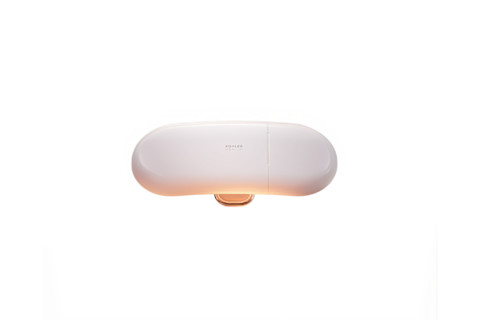
Kohler Health, a division of the historic manufacturing leader Kohler Co., has moved to address this biological data vacuum with the introduction of Dekoda. This first-of-its-kind digital health tool is designed to fit discreetly within the toilet, where it utilizes passive sensing technology to capture objective information regarding hydration and digestive health. By shifting health monitoring from active user input to passive background observation, the device represents a significant evolution in the intersection of home automation and preventative medicine.
The Technological Evolution of Gastrointestinal Monitoring
The emergence of bathroom-based health tracking follows a logical progression in the wearable technology market. For over a decade, consumers have grown accustomed to tracking external metrics like movement and skin temperature. However, the internal mechanics of the gut have traditionally required clinical intervention or invasive testing to analyze. Market research from Grand View Research highlights that the global digestive health products market is currently valued in the tens of billions, driven by a growing consumer awareness of the microbiome’s role in overall systemic wellness.
Dekoda operates on the principle of passive biometric capture. Unlike traditional food journals or symptom-tracking apps that require manual entry—often leading to "user fatigue" and inconsistent data—the device functions automatically during a user’s daily routine. It utilizes specialized sensors and algorithms trained on the Bristol Stool Chart, the clinical gold standard for classifying human feces into seven distinct categories. By analyzing consistency, color, volume, and frequency, the system builds a comprehensive longitudinal profile of a user’s digestive health.

The Clinical Significance of the Digestive Baseline
Medical practitioners have long emphasized that "normal" is a relative term in gastroenterology. What constitutes a healthy digestive pattern for one individual may indicate distress for another. Consequently, healthcare professionals frequently prioritize trends over isolated incidents. A single day of digestive irregularity may be the result of a specific meal or a temporary bout of stress, whereas a three-week shift in consistency or frequency could signal a more significant underlying condition.
Establishing a personal baseline is critical for early detection. The gastrointestinal tract is often referred to by scientists as the "second brain" due to the enteric nervous system’s complexity and its influence on the immune system, nutrient absorption, and mental health. When a user has access to months of objective data, they can identify how lifestyle variables—such as travel, changes in fiber intake, or sleep deprivation—impact their regularity. This objective record removes the fallibility of human memory, which is notoriously unreliable when patients are asked to recall their bathroom habits during a ten-minute primary care consultation.
Key Metrics: Hydration, Gut Health, and Early Warning Signals
The Dekoda system focuses on three primary pillars of wellness: hydration status, gut health patterns, and the detection of occult (hidden) blood.
Hydration and Metabolic Efficiency
Hydration is a fundamental driver of metabolic health, affecting everything from cognitive function to kidney efficiency. However, most people rely on the subjective sensation of thirst, which is often a late-stage indicator of dehydration. By monitoring the frequency and characteristics of urination, the Kohler Health platform provides users with real-time feedback on their hydration levels, allowing for proactive adjustments throughout the day.
Digestive Classification via AI
The integration of the Bristol Stool Chart into a consumer device marks a transition of clinical tools into the home. By categorizing bowel movements into types 1 through 7, the device can alert users to chronic constipation (Types 1–2) or potential malabsorption and inflammation (Types 6–7). Over time, these data points are synthesized into a "gut health score" that reflects the efficiency of the user’s digestive transit time.

Detection of Blood
Perhaps the most critical feature of the new technology is its ability to flag the presence of blood. While visible blood is an obvious cause for concern, microscopic or intermittent traces can go unnoticed for months. The device maintains a secure, daily record of these occurrences. While the tool is not a diagnostic device, the data it provides can serve as a vital prompt for a user to seek a professional colonoscopy or medical evaluation, potentially catching issues like colorectal polyps or inflammatory bowel disease (IBD) in their early stages.
Privacy, Security, and the Ethics of Ambient Sensing
The introduction of sensors into the most private room of the home inevitably raises questions regarding data security and ethical boundaries. Kohler Health has addressed these concerns by emphasizing that the Dekoda system is built with a "privacy-first" architecture. The data captured is encrypted and delivered directly to the Kohler Health App, ensuring that the user maintains total control over their information.
Industry analysts suggest that the success of such devices depends heavily on consumer trust. Unlike smart speakers or cameras that have faced scrutiny for "always-on" listening, bathroom health monitors are designed as closed-loop systems. The information is intended for the user and their healthcare provider, not for third-party advertisers. This distinction is crucial as the "Internet of Bodies" (IoB) expands, and more sensitive physiological data is moved into the cloud.
Broader Impact on the Healthcare Industry
The shift toward home-based digestive tracking could have profound implications for the burden on the national healthcare system. Currently, gastrointestinal complaints are among the leading reasons for outpatient clinic visits in the United States. Many of these visits involve patients who lack objective data about their symptoms, leading to expensive diagnostic "fishing expeditions" by doctors.
By arriving at an appointment with a printed report of three months of digestive data, patients can facilitate a much more efficient diagnostic process. Furthermore, for the millions of Americans living with chronic conditions like Irritable Bowel Syndrome (IBS) or Crohn’s disease, this technology offers a way to monitor "flares" and the efficacy of new medications or dietary interventions in real-time.
The Future of the Smart Home as a Wellness Hub
The launch of Dekoda is emblematic of a larger trend where the home environment is being re-engineered to support longevity and preventative health. We are moving away from reactive medicine—where we only check our stats when we feel ill—and toward a model of continuous, ambient monitoring.
As the technology matures, it is likely that these bathroom-based sensors will integrate with other smart home systems. For example, a hydration alert from the bathroom could theoretically sync with a smart refrigerator to suggest increased water intake, or a digestive irregularity could prompt a meal-planning app to suggest high-fiber recipes.
Conclusion
The pursuit of optimal health requires a move beyond the surface-level metrics of steps and calories. By focusing on the information-rich environment of the bathroom, Kohler Health is bringing a previously ignored daily routine into the modern wellness era. Why Tracking Your Digestive Patterns Matters More Than You Think is no longer just a theoretical question; it is a call to action for consumers to utilize the biological signals their bodies produce every day.
In an age where information is the most valuable commodity, the ability to turn "flushed away" data into actionable health insights represents a major milestone in personal medicine. As society continues to prioritize longevity and wellness, the integration of passive, objective monitoring in the home will likely become as standard as the thermometer or the bathroom scale, providing a clearer window into the internal workings of the human body than ever before.