Muhammad Hendra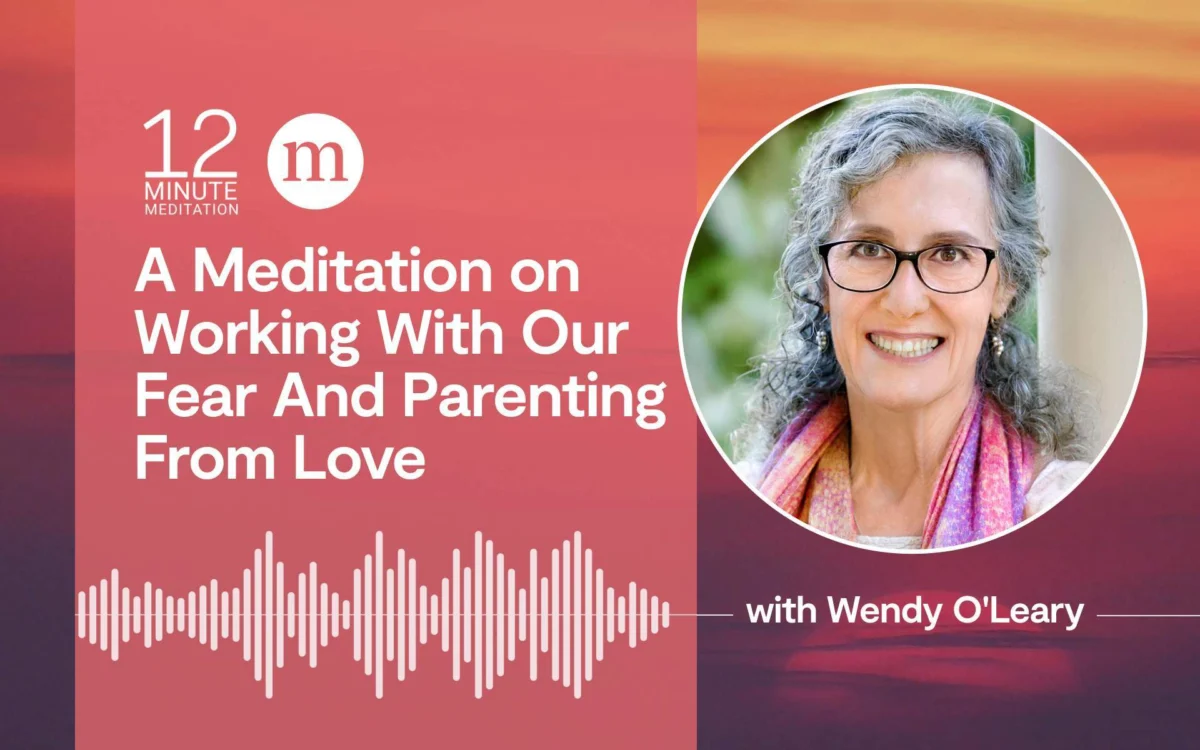
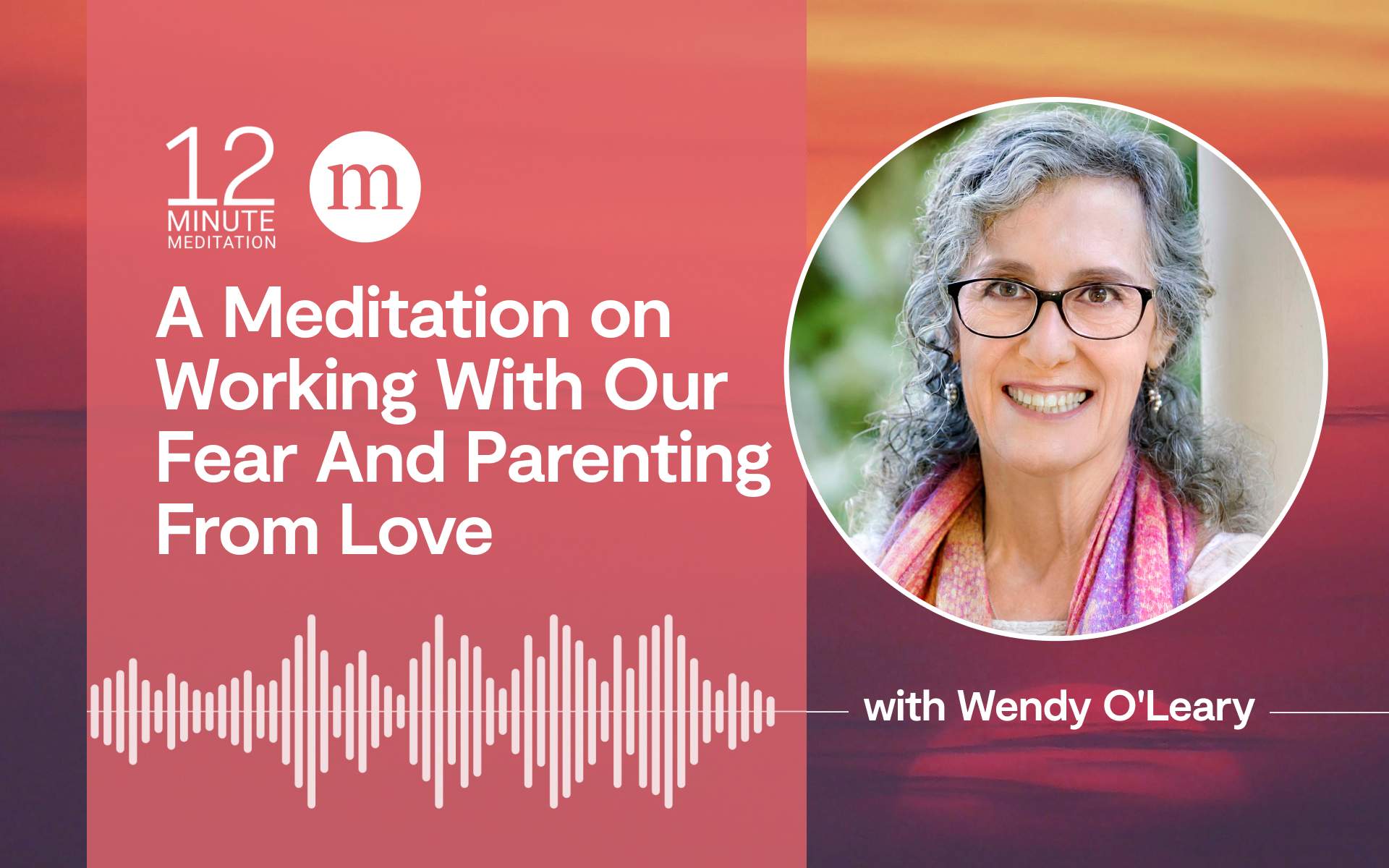
The challenges of modern parenting often lead individuals to a season of struggle, where the inherent love for their children can become obscured by pervasive feelings of fear and worry. This common experience, affecting parents across diverse demographics, underscores the critical need for accessible strategies that foster emotional resilience and help parents re-establish a foundation of steady, compassionate guidance. A notable approach gaining traction involves mindfulness-based practices, such as those advocated by health educator and certified mindfulness teacher Wendy O’Leary, which offer a structured method for parents to reconnect with their core intentions and navigate difficulties from a place of love rather than reactive anxiety.
The Escalating Landscape of Parental Stress and Burnout
Parental stress and burnout represent significant public health concerns that have seen an uptick in recent years, exacerbated by socio-economic pressures, the demands of dual-income households, and the pervasive influence of digital media. According to a 2021 report by the American Psychological Association (APA), parents consistently report higher stress levels than non-parents, with a substantial percentage feeling overwhelmed and struggling to balance responsibilities. Data from the Pew Research Center also indicates that a significant portion of parents feel they are doing "just okay" or "not so well" in managing the demands of parenthood, citing factors such as financial strain, lack of support networks, and the constant pressure to ensure their children’s success in an increasingly competitive world.
These external pressures often intersect with internal psychological dynamics, where the profound concern parents hold for their children’s well-being can manifest as debilitating fear and worry. This phenomenon is rooted in evolutionary biology, where the innate drive to protect offspring often translates into hypervigilance and anxiety about potential threats, both real and perceived. In contemporary society, these fears are amplified by the constant influx of information, social media comparisons that foster feelings of inadequacy, and an often-unrealistic expectation of parental perfection. When fear and worry dominate, parents can inadvertently respond to their children from a place of reactivity, leading to cycles of conflict, emotional distance, and a loss of connection to the underlying love that fuels their parenting efforts. It is precisely in these moments of difficulty that the original intention – the wish for children to be happy and well – can become obscured, making mindful intervention particularly beneficial.
Wendy O’Leary’s Framework for Mindful Parenting
Wendy O’Leary, M.Ed., a respected author, health educator, and self-compassion advocate, has dedicated her work to developing practical tools for emotional resilience in families. Her methodology, which draws from extensive experience as a certified mindfulness teacher and parent educator, centers on the concept of reconnecting with what she terms "the ground of our love." O’Leary’s approach posits that beneath the layers of stress, fear, and worry lies an unchanging core of love and a genuine desire for our children’s happiness and well-being. The challenge for many parents is not a lack of love, but rather the difficulty in accessing this core wisdom when overwhelmed by daily stressors and challenging child behaviors.
O’Leary’s practice offers a structured "pause of support and encouragement," designed to act as an emotional reset button for parents. This pause is not merely a break from activity but an intentional mental and emotional shift, allowing parents to step back from immediate reactions and re-center themselves. By consciously choosing to pause, parents create a momentary buffer between an external trigger (e.g., a child’s tantrum, a difficult conversation, a perceived failure) and their internal response. This brief interlude is crucial for transitioning from an automatic, fear-driven reaction to a more considered, love-informed response. The ultimate goal is to enable parents to consistently access their "compassionate wisdom," a blend of empathy, understanding, and clear-sightedness, thereby fostering more effective and harmonious family interactions.
The Mechanics of Reconnection: A Guided Pause
While the specific guided meditation script is a proprietary element of O’Leary’s work, the principles underpinning such a practice can be outlined to illustrate its intended effect and application. The practice typically involves several key stages, which can be adapted for informal, on-the-spot application during moments of stress or formally engaged through guided audio:
- Acknowledge and Validate: The initial step involves a non-judgmental acknowledgment of the current emotional state. A parent might mentally note, "I am feeling overwhelmed," or "I am worried about my child’s behavior." This validation, rather than suppression, is a fundamental aspect of mindfulness, as it helps to disarm the intensity of the emotion.
- Physical Grounding: Often, the practice will invite a focus on the body – perhaps the sensation of breath, the feeling of feet on the floor, or the weight of the body in a chair. This grounding technique helps to anchor the individual in the present moment, drawing attention away from racing thoughts and back to physical reality.
- Intentional Reconnection to Love: This is the core of O’Leary’s approach. Parents are guided to consciously recall their deep love for their child and their fundamental wish for the child’s happiness and well-being. This isn’t about ignoring the problem but about remembering the positive underlying motivation. It’s a deliberate shift from "what’s wrong?" to "what do I truly want for my child, and how can I act from that place?"
- Cultivating Self-Compassion: A vital, often overlooked, component is extending compassion to oneself. Parenting is inherently challenging, and moments of struggle are inevitable. The practice encourages parents to offer themselves the same kindness and understanding they would offer a struggling friend, acknowledging their own efforts and inherent goodness despite perceived imperfections. This self-compassion reduces self-blame and allows for greater emotional bandwidth to engage with the child.
- Re-entry with Renewed Intention: Following this intentional pause, parents are encouraged to re-engage with the situation with a renewed sense of steadiness and clarity. The aim is not to eliminate fear entirely, which is a natural human emotion, but to prevent it from dictating responses. Instead, actions stem from a place of considered love and wisdom. This process can be repeated anytime a parent feels overwhelmed or disconnected, offering a consistent pathway back to their compassionate core.
The Scientific Underpinnings and Broader Implications of Mindful Parenting
The efficacy of mindfulness-based interventions in parenting is increasingly supported by scientific research. Studies on Mindfulness-Based Parenting Interventions (MBPIs) have consistently demonstrated a range of benefits for both parents and children. Research published in journals such as Mindfulness and Child Development indicates that parents who engage in mindfulness practices experience significant reductions in stress, anxiety, and depressive symptoms. They also show improved emotional regulation, increased self-compassion, and greater empathy towards their children.
For children, the positive effects are equally compelling. Children of mindful parents often exhibit better emotional regulation skills, reduced behavioral problems, improved academic performance, and stronger resilience in the face of adversity. This is largely due to the "spillover effect" where a parent’s increased presence, patience, and non-reactivity create a more stable, nurturing, and predictable home environment. When parents are less reactive, they model healthier coping mechanisms, provide more consistent emotional support, and foster more secure attachment relationships. Neuroscientific studies suggest that mindfulness training can lead to structural and functional changes in the brain, including increased gray matter density in areas associated with emotional regulation (e.g., prefrontal cortex) and reduced activity in the amygdala, the brain’s fear center. This physiological basis provides a robust explanation for the observed psychological and behavioral improvements.
Expert Consensus and the Role of Self-Compassion
The principles articulated by Wendy O’Leary resonate deeply within the broader consensus of child psychology and mindfulness communities. Leading experts in child development, family therapy, and contemplative science increasingly advocate for the integration of mindfulness and self-compassion into parenting practices. Organizations like the American Academy of Pediatrics and various mental health advocacy groups often highlight the importance of parental well-being as a cornerstone of child well-being, recommending practices that build resilience and reduce stress.
A critical, often underestimated, element in O’Leary’s work, particularly evident in her adult book on self-compassion in families, is the emphasis on self-compassion. In the context of parenting, self-compassion involves treating oneself with kindness, understanding, and acceptance during moments of perceived failure, inadequacy, or suffering. It counteracts the pervasive parental guilt and self-blame that can be crippling. By cultivating self-compassion, parents learn to acknowledge their struggles without harsh self-criticism, recognizing that imperfection is a part of the universal human experience, especially in the challenging role of a parent. This practice frees up emotional energy that would otherwise be consumed by self-recrimination, allowing parents to channel it back into nurturing their children from a place of genuine love and acceptance, rather than fear of making mistakes.
Practical Application and Future Contributions
The beauty of practices like O’Leary’s lies in their accessibility and adaptability. They do not require extensive time commitments or specialized equipment, making them ideal for integration into the hectic pace of modern family life. A brief, conscious pause can be taken during a stressful morning routine, before responding to a child’s complaint, or during a quiet moment of reflection. Consistent, even if brief, practice over time builds neural pathways that make it easier to access this state of compassionate wisdom instinctively.
Wendy O’Leary’s ongoing contributions to the field underscore the growing recognition of these essential skills. Her upcoming publication, a card deck for children titled "Let’s Grow Happiness," created in collaboration with Helen Maffini and scheduled for release in April 2026, represents a further commitment to fostering emotional resilience from an early age. This initiative aims to equip children themselves with tools for mindfulness and self-compassion, creating a holistic approach to family well-being that starts with the parent and extends to the child.
In conclusion, navigating the inherent struggles of parenting requires more than just good intentions; it demands practical, evidence-based strategies for emotional regulation and connection. Wendy O’Leary’s gentle yet powerful approach offers a vital lifeline for parents feeling overwhelmed by fear and worry. By providing a pathway to reconnect with the foundational love and compassionate wisdom that lie at the heart of parenthood, these practices enable parents to move beyond reactive responses and cultivate a steady, intentional, and truly loving environment for their children, thereby enriching both their own lives and the lives of the next generation.