The dynamic world of social media is in a perpetual state of flux, characterized by a relentless stream of new features, intricate algorithm adjustments, and an ever-intensifying competition for audience attention. Much of this digital ecosystem operates beyond the direct control of individual creators and brands; algorithmic prioritization, the unpredictable nature of viral content, and audience response mechanisms are often enigmatic forces. However, amidst this volatility, extensive research consistently identifies two fundamental, controllable actions as reliable drivers of sustained growth: consistent content delivery and active engagement with one’s audience. This article delves into why these two principles are paramount, how to cultivate them effectively, and explores supplementary strategies—such as optimal posting frequency, timing, and content formats—that will be crucial for fostering social media growth in the coming year, 2026.
The Enduring Power of Engagement and Consistency
Across millions of posts and countless hours of analytical scrutiny, studies by leading social media management platforms, including Buffer, unequivocally demonstrate that consistency and engagement are the most significant catalysts for long-term audience expansion. These behaviors are not only straightforward and repeatable but, critically, are entirely within the control of content creators. As social media platforms continue to mature and user acquisition becomes more challenging, algorithms increasingly favor accounts that foster genuine interaction and maintain a predictable presence, recognizing these as indicators of valuable content and a healthy community. This strategic combination empowers creators to build resilient online presences, even as the broader digital landscape undergoes rapid transformations.

The Foundation of Consistency: Building Trust and Algorithmic Favor
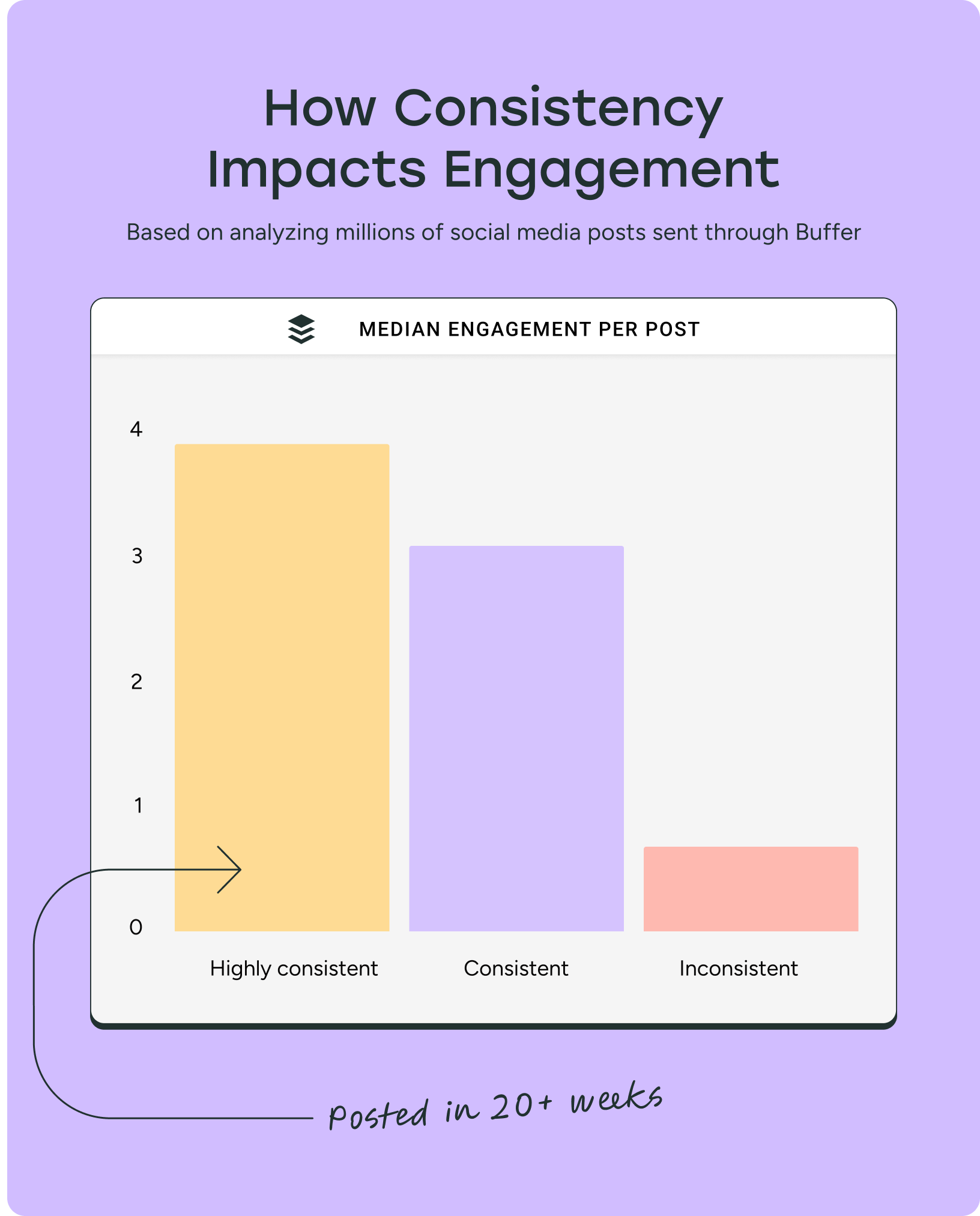
Consistency, often mistakenly equated with excessive volume, refers to the regular and predictable delivery of content. A landmark study conducted by Buffer, which meticulously tracked 26 weeks of posting behavior across over 100,000 Buffer users, revealed compelling insights. The most successful creators were not those striving for daily posts or extreme output, but rather those who maintained a steady, sustainable rhythm.
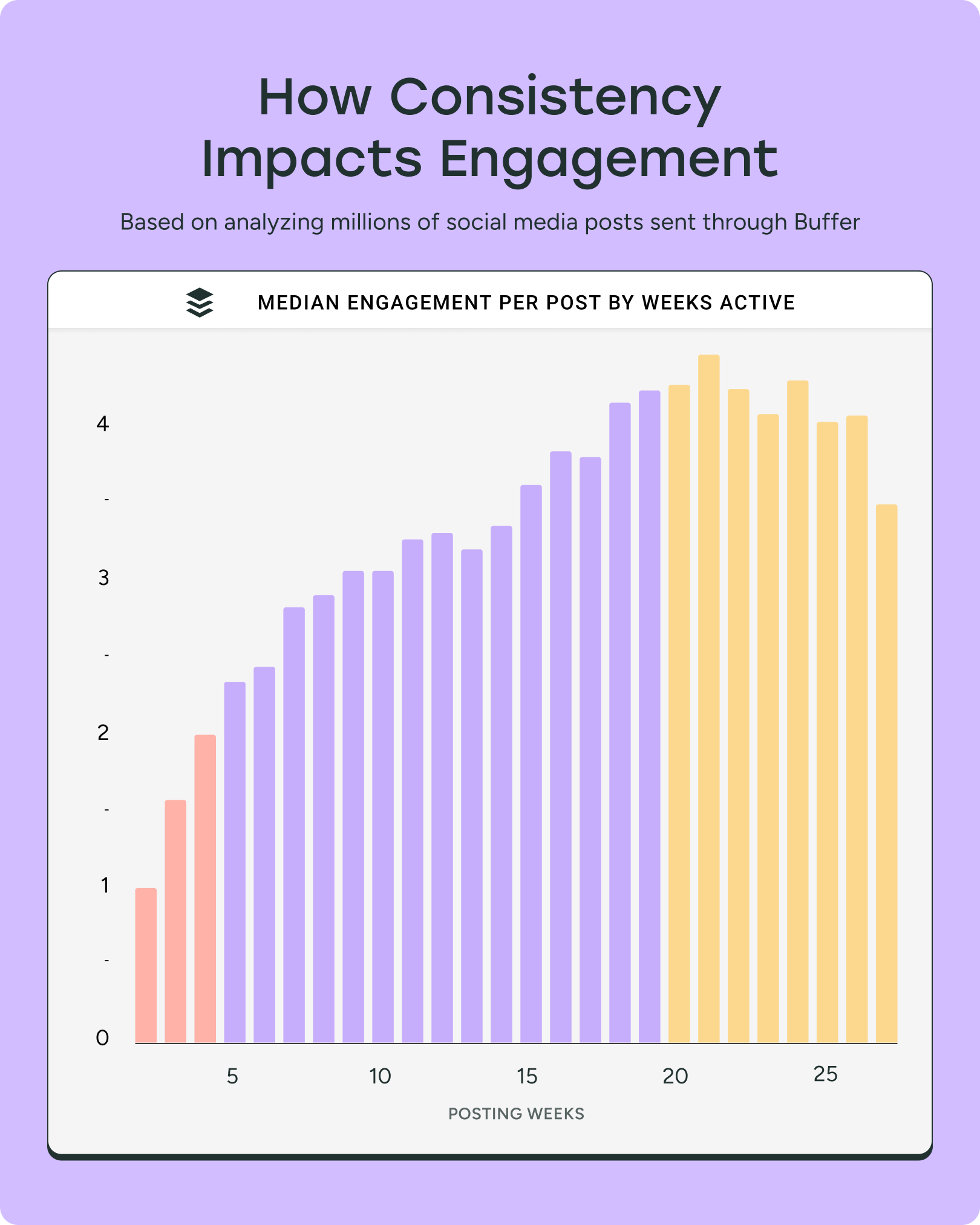
The data illustrated a stark difference in performance: creators who posted in 20 or more weeks out of the 26-week observation period experienced approximately 450% more engagement per post compared to those who posted in four weeks or fewer. Even a moderate level of consistency yielded substantial returns; creators active in 5 to 19 weeks (less than half the study period) still achieved around 340% more engagement per post than their sporadic counterparts. These figures underscore a powerful, yet simple, takeaway: a perfect daily schedule is less critical than establishing and adhering to a sustainable rhythm.
Why Consistency Matters:
The rationale behind consistency’s profound impact is multi-faceted. From an audience perspective, regular content fosters anticipation and builds trust. Users learn when to expect new content, creating a habit that encourages repeat visits and deeper engagement. This predictability is a cornerstone of brand loyalty in the digital realm. From an algorithmic standpoint, consistent posting provides regular signals to the platform that an account is active and producing fresh content. Algorithms are designed to promote content that keeps users engaged, and an active creator who consistently contributes to the platform’s content pool is naturally favored. This continuous feedback loop helps maintain visibility and extends the lifespan of posts. While the study suggests diminishing returns beyond 20 weeks, indicating that quality and audience relevance eventually outweigh sheer volume, the initial boost from consistent activity is undeniable.
Practical Strategies for Sustainable Consistency:
Achieving consistency without succumbing to burnout requires strategic planning. Content batching, where multiple pieces of content are created in a single session, can streamline the production process. Utilizing social media scheduling tools, like those offered by Buffer and other industry solutions, allows creators to plan and automate their content calendar weeks or months in advance. Repurposing existing content into new formats (e.g., turning a blog post into a series of social media graphics or short videos) can also maximize output with less effort. The goal is to integrate content creation into a routine that aligns with one’s capacity, ensuring a steady, reliable flow of valuable information or entertainment to the audience.
The Engine of Engagement: Fostering Community and Algorithmic Amplification
While consistency establishes a reliable presence, engagement serves as the dynamic engine that sustains and amplifies growth. Replying to comments, often overlooked in the pursuit of generating initial likes and shares, stands out as one of the simplest yet most effective engagement tactics. Most creators focus intensely on getting engagement, but the true unlock lies in what transpires after content is published. When creators actively respond to comments, they send a potent signal to both their audience and the platform’s algorithms.
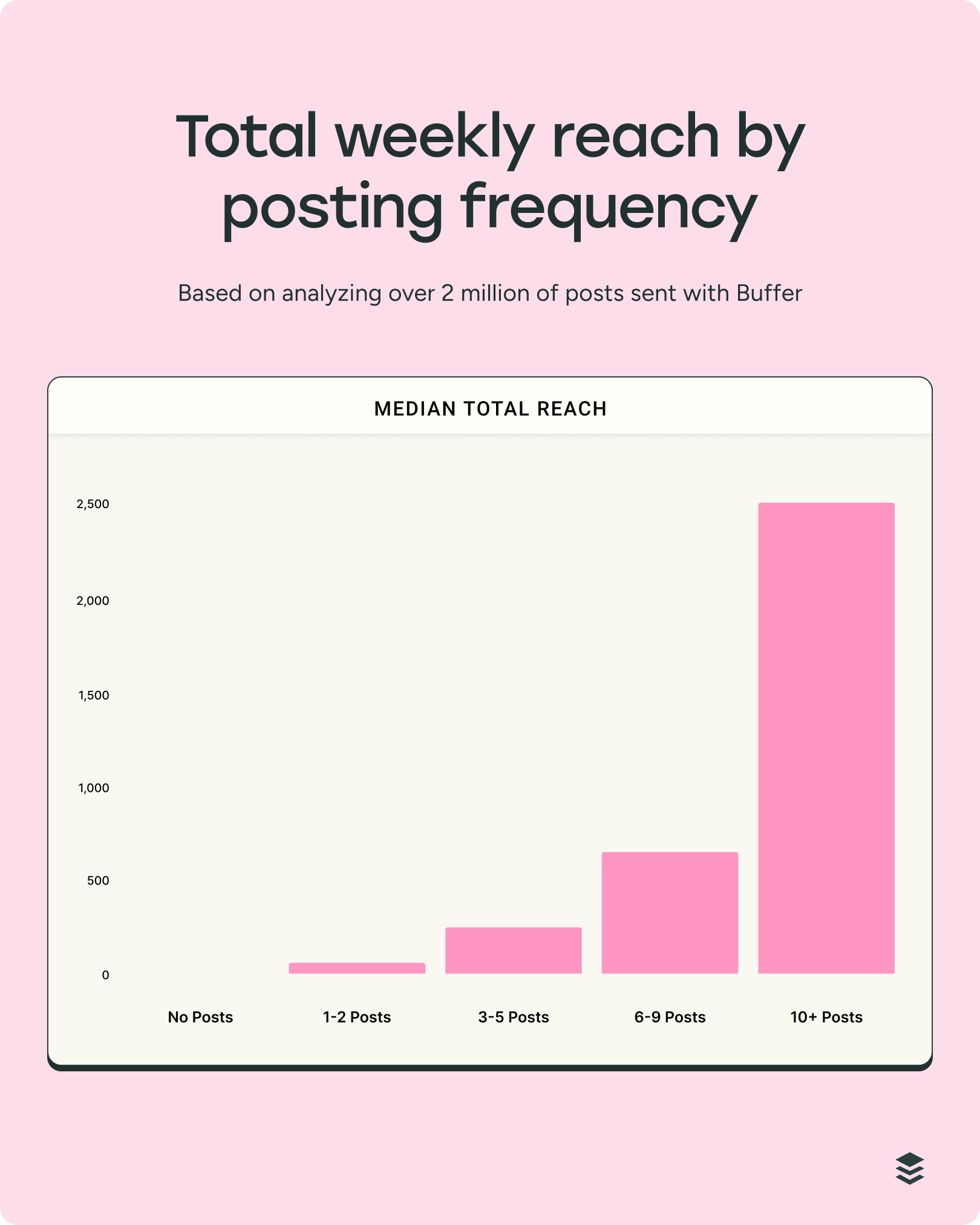
Buffer’s comprehensive analysis, examining nearly 2 million posts, revealed a clear and measurable performance uplift across all major platforms directly associated with replying to comments. While the specific gains varied by platform, the universal pattern was undeniable: active engagement in the comments section leads to higher overall post performance. This tangible lift is the kind of advantage creators often spend months chasing through trending formats and complex posting hacks, yet it can be achieved simply by conversing with those who have already initiated dialogue.
Why Engagement is So Effective:
The effectiveness of engagement stems from several synergistic factors. Firstly, replies often generate further comments, transforming a static post into a vibrant conversation. This increased comment volume signals higher quality and relevance to platform algorithms, which are designed to prioritize interactive content. Consequently, the algorithm extends the post’s reach, keeping it visible in feeds for longer periods. Secondly, and perhaps more profoundly, replying to comments taps into the fundamental human desire for connection that underpins social media. Each response, however brief, creates a micro-moment of connection. These moments, compounded over time, cultivate trust, foster a sense of community, and build a loyal audience that is more likely to return for future content and actively participate.
Integrating Engagement into Workflow:
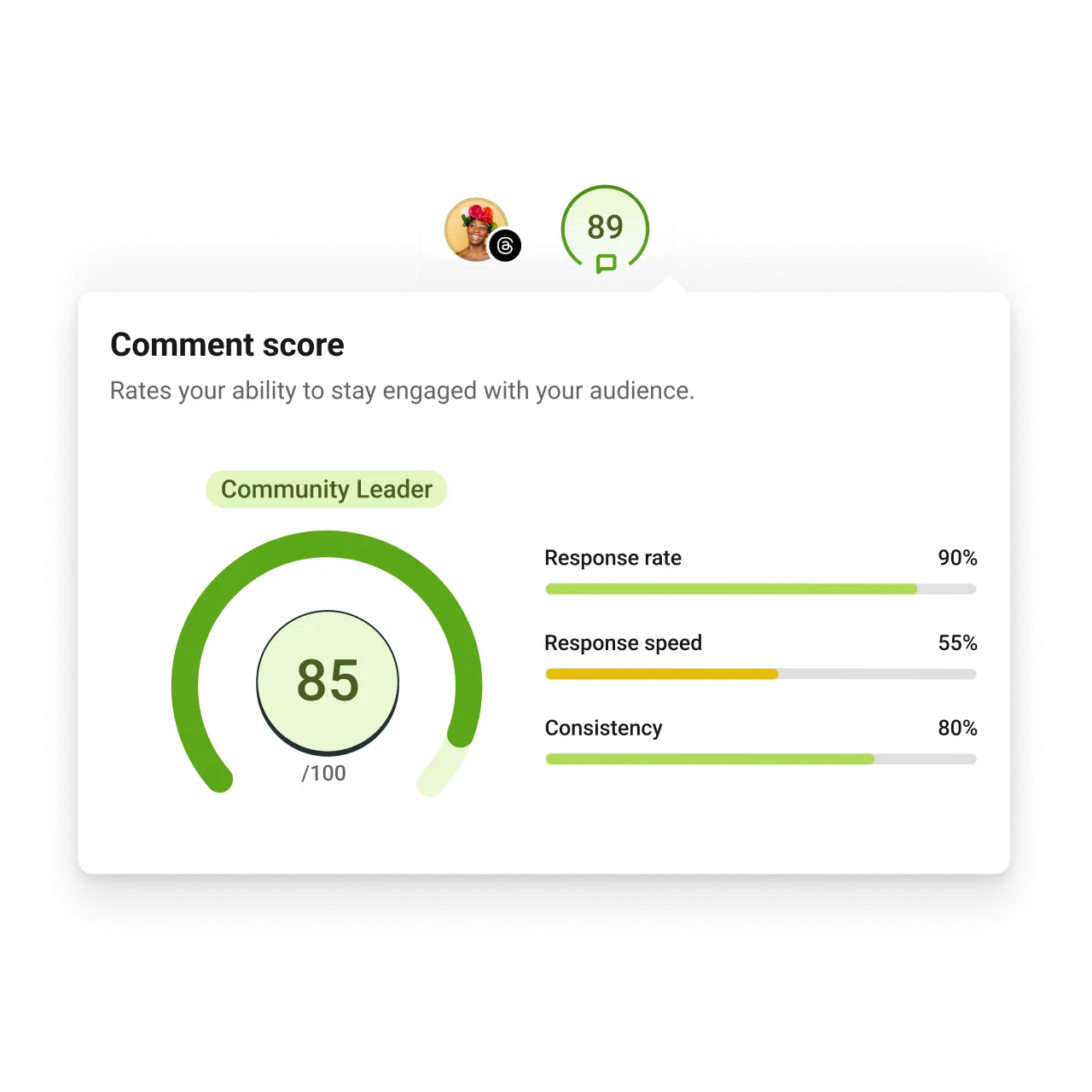
Making engagement a consistent part of the creative workflow can be streamlined with modern tools. Platforms like Buffer’s Community feature consolidate comments from various social media channels—including Instagram, Facebook, LinkedIn, Threads, X (formerly Twitter), TikTok, Google Business Profile, YouTube, and Mastodon—into a single, manageable dashboard. Features like "Comment Score" gamify the process, providing creators with real-time feedback on their engagement efforts, thereby encouraging consistent interaction and making the process more rewarding. Practical tips include setting aside dedicated time slots for responding, prioritizing comments that ask questions or offer detailed feedback, and crafting personalized, thoughtful replies rather than generic acknowledgements. This proactive approach transforms passive viewership into active participation, strengthening the creator-audience bond.
Optimizing for Growth: Frequency, Timing, and Formats in 2026
Once the foundational pillars of consistency and engagement are firmly in place, creators can refine their strategy by optimizing how often they post, when they post, and what formats they prioritize. These are powerful optimization levers that, when applied judiciously, can significantly sharpen a social media strategy and accelerate growth.
How Often to Post: Platform-Specific Frequencies
Posting frequency is highly platform-dependent, with each network rewarding different volumes of content. Buffer’s research provides critical benchmarks for 2026:
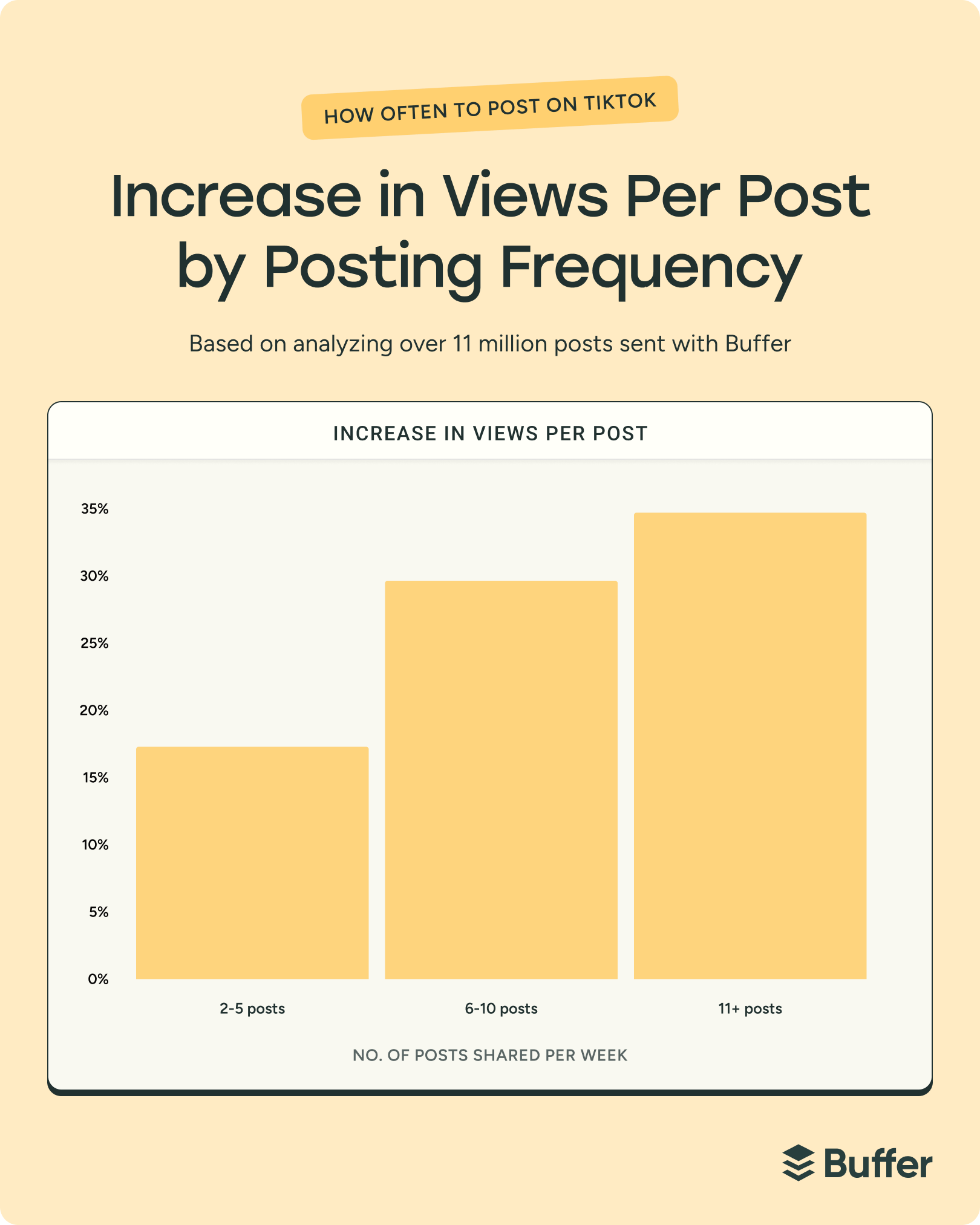
- TikTok: Moving from one post per week to two to five posts per week yields a strong uplift in views per post. Creators with greater capacity see further gains at six to ten posts per week, and even more at eleven or greater. However, returns flatten at very high volumes, emphasizing the importance of sustainable output over overwhelming frequency.
- Instagram: A minimum of one to two posts per week maintains visibility, but substantial growth typically begins at three to five posts per week. Creators posting six to nine times per week observe significantly faster follower growth and higher reach per post. While ten or more posts per week can accelerate this further, it necessitates robust content systems to prevent burnout.
- LinkedIn: This professional network rewards increased frequency. Moving from one post per week to between two and five posts per week results in notable gains. Elevating to six to ten posts per week leads to even more pronounced increases in impressions and engagement. Posting eleven or more times weekly can generate the strongest results, provided content quality and relevance are maintained.
- Facebook: A HubSpot study involving over 13,500 Facebook users suggests an ideal frequency of one to two posts per day for optimal engagement.
- X (formerly Twitter): A general guideline suggests posting three to five times per day, with three to four posts being a sustainable target for most creators and businesses.
- Threads: Successful Threads creators typically post anywhere from one to three or more times per day. It’s important to note that replies to other users’ posts also contribute to this activity count, reflecting the platform’s conversational nature.
These figures represent general benchmarks, and creators are advised to analyze their specific audience data to identify their unique sweet spot.
When to Post: Strategic Timing for Enhanced Visibility
Once consistent and engaging content is flowing, timing becomes an additional layer of optimization, providing an extra boost in visibility and reach by aligning content delivery with peak audience activity.
Optimal Posting Times (General Guidelines for 2026):
| Platform | Best Time to Post |
|---|---|
| 8 a.m. – 12 p.m. (weekdays) | |
| 9 a.m. and 6 p.m. (weekdays) | |
| 3 p.m. – 6 p.m. (Wed–Sun) | |
| TikTok | 6 p.m. – 11 p.m. (daily) + weekend mornings |
| YouTube Shorts | 4 p.m. – 7 p.m. (Fri–Sat) |
| YouTube (long-form) | 6 p.m. – 10 p.m. (Sun–Tue) |
| X (Twitter) | 8 a.m. – 11 a.m. (weekdays) |
| Threads | 7 a.m. – 12 p.m. (weekdays) |
It is crucial to remember that these are generalized best practices. The truly optimal time to post is ultimately determined by an individual creator’s specific audience demographics and their unique engagement patterns, discoverable through platform analytics. Tools that analyze audience behavior can provide personalized recommendations. The overarching principle remains: never compromise consistency or engagement merely to chase a theoretically "perfect" posting time. Timing amplifies effective content; it cannot salvage weak or inconsistent output.
What to Post: Leveraging Optimal Formats
Content formats play a pivotal role, as different platforms are optimized for, and reward, distinct types of media. Choosing the right format can significantly impact a post’s performance.
- TikTok: Video remains supreme. While carousels and text-based posts are gaining traction, short-form video is the dominant driver of views and engagement. Creators should focus on mastering clips, dynamic edits, and compelling, attention-grabbing hooks.
- Instagram: A hybrid platform, Instagram features standout performers: carousels for deep engagement, Reels for expansive reach, and high-quality photo posts for strong visual storytelling.
- LinkedIn: Content that provides value, sparks professional conversations, or offers industry insights performs best. Posts focusing on learning, professional reflection, or community building tend to excel. Recent research indicates LinkedIn carousels garner the highest engagement.
- Facebook: Images continue to lead in median engagement, often around 5.2%. However, the gap between images, videos, and text posts has narrowed significantly, all clustering within a percentage point of each other. Links generally underperform, aligning with the broader trend towards "zero-click content" where users consume information directly within the platform.
- X (formerly Twitter): Text posts still achieve the highest median engagement on X, surpassing images, videos, and link posts. This underscores the platform’s foundational role as a text-driven conversational network.
- Threads: Surprisingly for a text-centric platform, videos claimed the top spot for engagement rate on Threads at 5.55%, significantly outperforming images and nearly doubling the engagement of text posts. This highlights the evolving multimedia consumption habits even on newer, text-first platforms.
Strategic Format Utilization:
To effectively leverage formats, creators should understand their audience’s preferences on each platform and align content creation with their own strengths. Experimentation with different formats, coupled with analysis of performance metrics, will reveal what resonates most effectively. The goal is to produce content that is not only high-quality but also inherently suited to the platform’s design and user expectations.
Broader Implications for the Creator Economy
The insights derived from extensive social media research highlight a critical evolution in the creator economy. The era of chasing fleeting viral trends as a primary growth strategy is giving way to a more sustainable, relationship-centric approach. Businesses and individual brands alike are realizing that a robust, long-term digital presence is built on consistent value delivery and genuine audience interaction, rather than isolated bursts of attention.
This strategic shift has profound implications. It democratizes growth, making it accessible to creators of all sizes who commit to these fundamental principles. It also underscores the importance of community management as a core marketing function. Furthermore, as artificial intelligence and automation tools become more sophisticated, they will undoubtedly assist with aspects of consistency (e.g., automated scheduling, content idea generation). However, the irreplaceable human element of authentic engagement—the personalized response, the empathetic connection—will remain central. The platforms themselves are increasingly prioritizing user experience that fosters meaningful interaction, further solidifying the relevance of these evergreen strategies.
Conclusion
In a social media landscape that promises continued evolution and increased competition into 2026 and beyond, the framework for sustainable growth remains remarkably clear and accessible. The objective is not to "level up" as rapidly as possible, but to cultivate growth that is congruent with one’s energy, niche, and capacity. Regardless of individual goals or starting points, the two actions that consistently propel creators forward—showing up regularly and actively engaging with one’s audience—remain immutable. All other strategies, from optimizing posting times to choosing specific formats, serve to refine, sharpen, and scale these foundational efforts. By committing to consistency and engagement as non-negotiable elements of their creative workflow, creators and brands can build enduring communities, foster trust, and achieve sustained growth in the perpetually shifting digital sphere.