A profound shift in how artificial intelligence search engines source professional information has positioned LinkedIn as the undisputed leading domain for B2B and tech-related queries. Recent comprehensive research by Profound, a platform specializing in tracking brand and domain citations across large language models (LLMs) such as ChatGPT and Perplexity, reveals that LinkedIn has rapidly ascended from outside the top 20 to securing the #1 spot across all major AI search platforms. This dramatic rise, observed over just three months, signals a critical inflection point for businesses seeking to capture the attention of future customers who increasingly begin their professional inquiries with an AI prompt rather than a traditional search engine.
The Evolving Landscape of Answer Engine Optimization (AEO)
The advent and rapid proliferation of generative AI have fundamentally altered the digital information landscape. Traditional Search Engine Optimization (SEO), focused on keywords and algorithms designed for static web pages, is now being complemented, and in some contexts superseded, by Answer Engine Optimization (AEO). AEO is the practice of optimizing content to be directly consumed and cited by AI models, which are increasingly designed to provide concise, direct answers to complex, conversational queries. Platforms like ChatGPT, Perplexity, and Google’s nascent AI Overviews are not merely indexing web pages; they are synthesizing information, identifying authoritative sources, and generating summaries that directly influence user perception and decision-making.
This paradigm shift places a premium on content that is perceived as authentic, credible, and genuinely insightful. Unlike traditional search engines that often prioritize broad keyword matches and link authority, AI models are learning to discern nuance, expertise, and human experience. They seek sources that reflect real-world discussions, practical advice, and grounded opinions from industry practitioners. This intrinsic demand for human-centric information forms the bedrock of LinkedIn’s recent meteoric rise in AI citation.
LinkedIn’s Ascendance: A Chronology of Trust
For years, LinkedIn primarily served as a digital resume platform and a professional networking hub. Its utility was largely confined to job seeking, recruitment, and maintaining professional connections. However, the platform embarked on a strategic evolution, transitioning into a robust content ecosystem. This transformation saw the introduction of long-form articles, native video capabilities, and an enhanced feed experience designed to encourage daily engagement and sharing of professional insights. This gradual pivot laid the groundwork for its current prominence.
The timeline of LinkedIn’s accelerated relevance in the AI era is remarkably swift. Prior to late 2023, LinkedIn was a recognized professional resource but not a dominant force in AI content sourcing. Profound’s data illustrates this trajectory, noting its position outside the top 20 cited domains for professional queries in AI search. However, within a mere three months, the platform surged to the #5 position on ChatGPT and subsequently claimed the #1 spot across all major AI search engines for professional content. This rapid ascent coincides with the increasing sophistication of LLMs in identifying and prioritizing content layers that reflect genuine professional discourse. This shift underscores that AI engines are now actively sifting through content to find trusted voices and real-world perspectives, recognizing LinkedIn as a repository of such insights.
Deconstructing the Data: What AI Engines Prioritize on LinkedIn
The granular data from Profound’s research offers critical insights not just into LinkedIn’s overall ranking, but into the specific types of content that AI engines are now prioritizing. This analysis reveals a profound shift away from static, profile-centric information towards dynamic, published content generated by individuals.
Previously, LinkedIn profile pages constituted a significant portion of AI citations, accounting for approximately 33.9% of all references. This reflected AI models’ initial tendency to extract biographical and credential-based information. However, the latest data shows a dramatic decline in profile citations, plummeting by 19.4 percentage points to just 14.5%.
Concurrently, there has been a notable surge in citations of published content. Feed posts, which encompass short-form updates, insights, and discussions, saw their citation rate increase by 5.1 percentage points, moving from 20.9% to 26.0%. Long-form articles, offering deeper dives into industry topics and professional experiences, also experienced a significant boost, climbing by 2.9 percentage points from 6.0% to 8.9%. While the raw percentage increase for articles might appear smaller, it signifies a growing preference for substantive content over brief updates.
| What AI Cites on LinkedIn | Before | Now | Change in percentage points |
|---|---|---|---|
| Profile pages | 33.9% | 14.5% | -19.4 |
| Feed posts | 20.9% | 26.0% | +5.1 |
| Long-form articles | 6.0% | 8.9% | +2.9 |
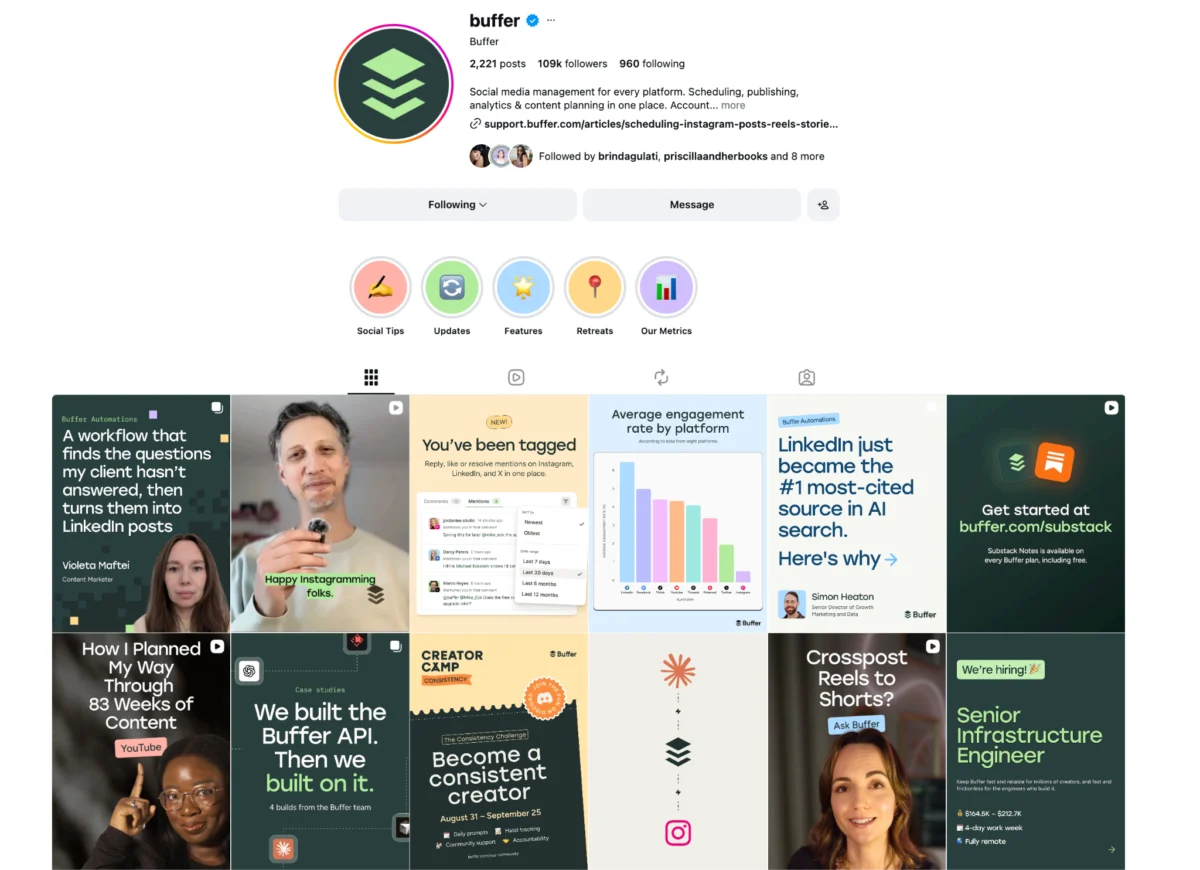
This data unequivocally demonstrates that AI engines are actively seeking and weighting the "published content layer" of LinkedIn. They are moving beyond the curated facade of a profile to engage with the actual intellectual output and professional discussions happening on the platform. This trend is corroborated by internal data from companies like Buffer, a social media management platform, which reported a 36% growth in LinkedIn channel connections over the past year, with connections to personal profiles outpacing company pages by a significant 25%. This indicates that even users are gravitating towards authentic individual voices over corporate entities.
The ‘Professional Reddit’ Hypothesis
Industry analysts posit that the underlying reason for AI’s newfound trust in LinkedIn mirrors a trend previously observed with Reddit. For some time, Reddit has been a top-cited source in general AI search queries, largely because LLMs discovered that community threads featuring real humans offering genuine opinions provided a more useful and trustworthy signal than polished marketing copy or generic informational sites. LinkedIn is now fulfilling a similar role for professional queries.
When individuals seek answers regarding which software tool to adopt, which company to partner with, or which expert to follow, they inherently desire insights from actual practitioners, not corporate brochures. AI engines, through continuous learning and refinement, have identified that LinkedIn has evolved into a primary arena where professionals share grounded opinions about their work, tools, and industries, and where other professionals genuinely engage and listen. Profound’s research explicitly supports this, noting that "AI search engines are finding and weighting more of LinkedIn’s published content layer over time." This translates to a clear preference: the more LinkedIn becomes a space for authentic professional discourse, the more AI engines treat it as a credible and authoritative source.
The Strategic Imperative: Embracing the "Team of Creators" Model
For B2B and technology businesses, this shift represents not just a new opportunity but a strategic imperative. The traditional approach of leveraging LinkedIn solely through company pages, press releases, and product announcements is becoming increasingly ineffective in the AEO era. What AI engines reward is not brand broadcasting, but genuine, consistent publishing by real people within an organization, operating in their authentic voices and engaging actively in comments and discussions.
This model, often referred to as "employee advocacy" or, as Buffer terms it, a "team of creators," empowers individual employees to become thought leaders and content generators. Instead of a single, often impersonal, brand voice, a business transforms into a network of credible voices. This approach aligns perfectly with what LinkedIn’s algorithms (and subsequently, AI search engines) are currently rewarding. It fosters authenticity, expands reach through individual networks, and builds trust far more effectively than any corporate-mandated message.
The "team of creators" model thrives when there is genuine substance to share. Companies that adopt a "build in public" philosophy—sharing their processes, challenges, learnings, and successes—create content that is inherently engaging because it is grounded in real experience. This transparency resonates deeply with professionals seeking practical insights and fosters a sense of community. Such content dramatically outperforms generic product launches or polished thought leadership pieces in terms of both human and AI engagement.
Furthermore, consistency in publishing, even if the content is not impeccably polished, far outweighs infrequent, highly produced posts. A few thoughtful updates a week from various team members will collectively generate more visibility and trust than a single quarterly corporate announcement. The human element is crucial; while LinkedIn remains a professional network, its users are still people seeking connection and relatability. Engagement is equally vital; businesses that actively participate in comment sections, respond to questions, and build rapport are not only fostering community but also signaling to algorithms that their content is valuable and worth amplifying.
The Founder’s New Mandate: Personal Brand as Business Infrastructure
For founders and executive leadership, the implications are particularly significant. A founder’s personal LinkedIn profile is no longer merely a networking tool; it has become critical business infrastructure. It is increasingly the primary channel through which investors, prospective hires, future customers, and journalists form their initial impressions of a company and its vision.
Many founders historically prioritized platforms like X (formerly Twitter) for rapid communication and public discourse. While X retains its value for certain types of interactions, LinkedIn has emerged as the definitive platform for establishing professional credibility, thought leadership, and trust within the B2B and tech ecosystems. A founder’s consistent, authentic presence on LinkedIn, sharing insights, engaging in industry discussions, and building a personal brand, directly contributes to the company’s perceived authority and innovative edge in the eyes of AI search engines and human stakeholders alike. This necessitates a strategic reconsideration of where leadership allocates their social media efforts and attention.
Common Pitfalls: Why Traditional LinkedIn Strategies Fail in the AEO Era
Despite the clear signals, many businesses continue to employ outdated LinkedIn strategies that render them effectively invisible to the new AI search paradigm. Common mistakes include:
- Exclusive reliance on company pages: While company pages serve a purpose, their content is far less likely to be cited by AI compared to posts from individual employees.
- Corporate broadcasting: Posting only product releases, promotional content, or generic job openings lacks the authentic, insightful value that AI engines (and human users) now seek.
- Lack of human voice: Content that is overly corporate, jargon-filled, or appears to be written by committee fails to resonate.
- AI-generated "slop": Generic content mass-produced by AI tools, lacking genuine human insight or originality, is increasingly recognized and de-prioritized by advanced LLMs.
- Absence of engagement: Treating LinkedIn as a one-way broadcast channel, without active participation in comments or discussions, neglects a crucial aspect of algorithm optimization and community building.
These practices, individually or collectively, create a disconnect between a business’s LinkedIn presence and the content AI engines are actively seeking. The version of LinkedIn that drives visibility in the AEO era is built on human connection, authentic insights, and continuous engagement.
Actionable Strategies for Optimizing LinkedIn for AEO
To effectively navigate this new landscape, businesses must pivot towards strategies that prioritize human-generated content and genuine interaction:
- Empower your team as creators: Provide employees with the freedom, encouragement, and perhaps even light training or tools to share their professional insights, experiences, and learnings in their own voice. This is not about forced advocacy but fostering genuine participation.
- Focus on authentic content: Shift from purely promotional content to sharing practical advice, industry observations, lessons learned from projects, and honest takes on industry trends. Content should aim to be useful, insightful, or spark professional discussion.
- Prioritize engagement: Encourage employees to actively participate in the comments section of their own posts and those of others. Responding thoughtfully to questions and initiating discussions significantly boosts visibility and signals value to algorithms.
- Embrace consistency over perfection: Regular, authentic posts, even if not highly polished, will generate more traction over time than infrequent, meticulously crafted campaigns.
- Leverage transparency: Adopt a "build in public" mentality where appropriate, sharing the journey of building products, solving problems, or developing strategies. This creates compelling narratives grounded in real experience.
- Integrate tools strategically: While the human element is paramount, tools can facilitate consistency and management. Social media management platforms that simplify scheduling, content review, and analytics for individual profiles can be invaluable in scaling a "team of creators" approach without sacrificing authenticity.
Broader Implications and the Future Outlook
The rise of LinkedIn as a primary source for AI search queries is more than a fleeting trend; it signifies a fundamental and potentially irreversible shift in digital marketing and content strategy. It underscores the compounding advantage for early movers who are already investing in authentic, human-centric content on the platform. The content published today is actively teaching AI engines to cite specific individuals and organizations, creating a virtuous cycle of visibility and authority.
As AI search capabilities continue to evolve, the demand for credible, human-validated information will only intensify. Businesses that fail to adapt risk becoming invisible to a growing segment of their target audience who rely on AI for initial research and discovery. The future of B2B and tech marketing will increasingly hinge on cultivating a network of authentic voices within an organization, leveraging platforms like LinkedIn not just for networking, but as foundational infrastructure for AEO. The emphasis will remain on genuine engagement, shared expertise, and the human connection that AI, for all its power, ultimately seeks to surface. The message is clear: the time to recalibrate LinkedIn strategy is now, focusing on empowering real people to share real insights.