
 Ali Ikhwan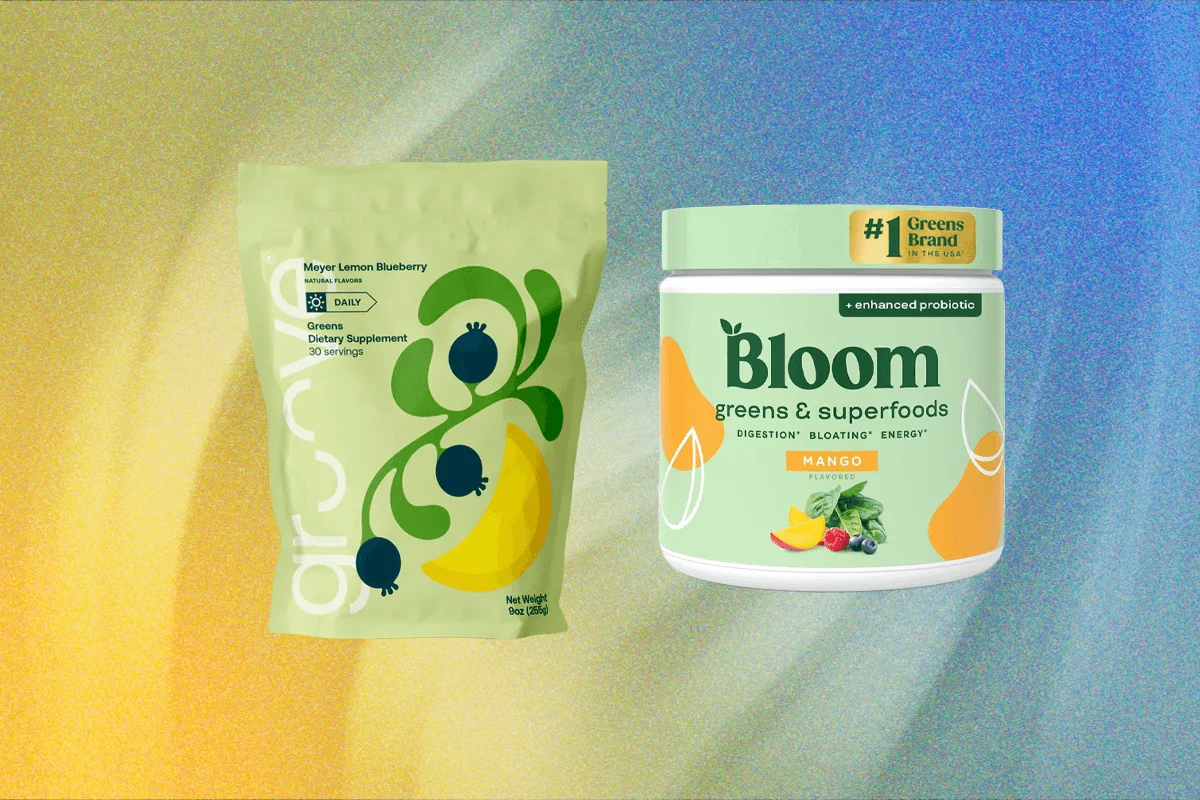
The global dietary supplement industry has witnessed a significant paradigm shift over the last decade, transitioning from traditional multivitamins to nutrient-dense, plant-based powders known colloquially as "greens powders." Once a niche product found exclusively in health food cooperatives, these formulations have entered the mainstream, driven by a consumer base increasingly focused on proactive wellness and digestive health. As of 2024, the market is characterized by a diverse array of offerings that prioritize not only micronutrient density but also palatability, third-party certification, and specialized functional benefits. This comprehensive analysis examines the leading products currently shaping the industry, their nutritional profiles, and the broader economic implications of the superfood powder movement.
The Landscape of Modern Nutritional Supplementation
The rise of greens powders is a response to a persistent public health challenge: the "nutrition gap." According to data from the Centers for Disease Control and Prevention (CDC), only one in ten adults meets the federal recommendations for fruit and vegetable intake. Greens powders are positioned by manufacturers as a "nutritional insurance policy," designed to bridge this gap through concentrated blends of grasses, algae, leafy greens, and cruciferous vegetables.
The current market is segmented into three primary categories: premium performance blends, budget-conscious foundational powders, and lifestyle-oriented flavored mixes. Each segment addresses specific consumer pain points, ranging from the need for rigorous athletic testing to the desire for a supplement that does not possess the traditional "earthy" or "grassy" flavor profile associated with early iterations of these products.
High-Performance and Third-Party Certified Formulations
At the pinnacle of the market sits Athletic Greens with its flagship product, AG1. Representing the premium performance segment, AG1 has become a benchmark for the industry, particularly due to its NSF Certified for Sport designation. This certification is a critical factor for professional athletes and those in regulated professions, as it ensures the product is free from more than 280 substances banned by major athletic organizations.
AG1’s nutritional profile is among the most complex available, featuring 75 ingredients that provide 400 mcg of Vitamin B12 and 500 mg of Vitamin C per serving. However, this comprehensive approach comes with a significant price point, averaging $3.30 per serving. The brand has recently expanded its lineup with "AG1 Pro," which increases the caloric and carbohydrate content slightly to support muscle recovery and gut health for high-intensity trainers.
Similarly, Nuzest’s Good Green Vitality targets the high-end market with a formula containing over 75 ingredients. While Nuzest is noted for its pleasant taste, industry analysts observe that its tendency to clump requires more vigorous mixing than its competitors. At $3.17 per serving, it competes directly with AG1 for the attention of the "biohacking" and high-performance demographic.
The Democratization of Greens: Value and Accessibility
In contrast to the premium segment, brands like Quince and Zena Nutrition have focused on affordability and transparency. Quince Daily Superfood Greens offers a balanced nutritional profile, including 429 mg of Vitamin C and 50 mcg of Vitamin D, at a competitive price of $1.34 per serving. While some consumers report a gritty texture, the product’s exclusion of stevia and the top 12 major allergens makes it a viable option for a broad consumer base.
Zena Nutrition Greens represents the entry-level price point at approximately $1.17 per serving. Despite a more traditional "grassy" flavor, it provides a high fiber content (3 g) and a robust profile of 70+ ingredients, appealing to consumers who prioritize functional benefits over gourmet flavoring.
Flavor Innovation and the Lifestyle Segment
A significant barrier to the adoption of greens powders has historically been taste. Bloom Nutrition has effectively addressed this through its Superfood Greens Powder, which is available in a wide variety of flavors. Bloom has leveraged social media platforms to reach a younger demographic, emphasizing "bloat reduction" and digestive enzymes. Priced at $1.33 per serving, it offers a blend of antioxidants and adaptogens, though some critics note the flavor may be too sweet for those accustomed to natural vegetable profiles.
Groove Greens and Factor Form represent a new wave of "bright and juicy" formulations. Groove Greens is frequently cited for a flavor profile that successfully masks the vegetable base, while Factor Form utilizes convenient single-serve packets. These products reflect a broader trend toward "stick pack" formats, catering to the increasing mobility of the modern workforce.
Specialized Functional Blends and Alternative Formats
As the market matures, manufacturers are diversifying into specialized functional areas. Sips Club Veggie Sips, for instance, incorporates prunes into its digestive health blend, providing a specific functional outcome for gastrointestinal regularity. Meanwhile, Daily Elements Microgreens Powder takes a minimalist approach, focusing on a small number of nutrient-dense microgreens rather than a long list of additives.
Perhaps the most significant innovation in 2024 is the emergence of "greens gummies." Grüns Superfood Gummies have translated the complex nutritional profile of powders into a shelf-stable, waterless format. While the cost per serving ($2.39) is higher than many powders and the sugar content is a consideration for some, the format addresses "supplement fatigue" and provides an accessible entry point for picky eaters and children.
Comparative Nutritional Data and Economic Impact
The following table summarizes the key metrics of the leading 2024 formulations:
| Product | Cost Per Serving | Key Nutritional Highlight | Certifications/Dietary |
|---|---|---|---|
| AG1 (Athletic Greens) | $3.30 | NSF Certified for Sport | Vegan, Paleo, Keto |
| Nuzest Good Green Vitality | $3.17 | 75+ Ingredients | Vegan, Non-GMO |
| BrickHouse Field of Greens | $3.00 | High micronutrient variety | Gluten-free, Lactose-free |
| Organifi Green Juice | $2.66 | Organic, Minty flavor | Vegan, Non-GMO |
| Daily Elements | $2.50 | Simple Microgreens base | Halal, Vegan |
| Factor Form | $2.30 | Convenient packets | Keto-friendly |
| Bloom Nutrition | $1.33 | Wide flavor variety | Plant-based, Gluten-free |
| Live It Up | $1.33 | High Vitamin K & B12 | Vegan, Sugar-free |
| Zena Nutrition | $1.17 | 70+ ingredients, High fiber | Non-GMO, Vegetarian |
The economic impact of these products extends beyond direct sales. The demand for high-quality, powdered vegetables has created new supply chain opportunities for organic farmers and specialized processing facilities. Furthermore, the rise of subscription-based models has provided these companies with stable, recurring revenue, allowing for continued research and development into more bioavailable nutrient forms.
Chronology of the Superfood Powder Industry
The evolution of this industry can be traced through four distinct phases:
- The Grass Era (1990s-2000s): Dominated by simple dehydrated wheatgrass and barley grass powders, primarily sold in health stores.
- The Multi-Ingredient Surge (2010-2015): The introduction of complex blends featuring spirulina, chlorella, and basic probiotics.
- The Performance & Transparency Shift (2016-2021): The rise of AG1 and the emphasis on third-party testing and "clean label" ingredients.
- The Palatability & Convenience Wave (2022-Present): The current focus on gourmet flavors, gummies, and on-the-go packaging.
Official Responses and Regulatory Considerations
The rapid growth of the greens powder market has drawn the attention of regulatory bodies and nutrition experts. The U.S. Food and Drug Administration (FDA) does not approve dietary supplements for safety and effectiveness before they are marketed. This has led to a call from consumer advocacy groups for more rigorous transparency regarding "proprietary blends," where manufacturers list ingredients without specifying exact dosages.
In response, many leading brands have moved toward "full-disclosure labeling," where every milligram of each ingredient is listed. Professional dietitians generally maintain that while these powders can be beneficial, they should not replace whole vegetables. "The fiber and water content of whole produce provide satiety and digestive benefits that powders cannot fully replicate," notes a consensus report from a leading nutritional association.
Broader Implications and Future Outlook
The proliferation of greens powders in 2024 reflects a broader societal shift toward functional nutrition. As healthcare costs rise, consumers are looking for ways to invest in their long-term wellness through diet. This trend is also influencing the beverage industry, with "ready-to-drink" (RTD) versions of these powders appearing in convenience stores and airports.
Looking forward, the industry is expected to move toward "personalized greens," where powders are formulated based on individual blood work or genetic testing. Additionally, sustainability is becoming a primary driver, with brands like Daily Elements and Organifi emphasizing regenerative farming practices and compostable packaging.
In conclusion, the 2024 greens powder market offers a sophisticated array of choices for the health-conscious consumer. Whether prioritizing the rigorous standards of NSF certification, the convenience of a gummy, or the affordability of a foundational powder, the current landscape ensures that supplemental nutrition is more accessible and palatable than ever before. As the industry continues to innovate, the focus will likely remain on balancing nutritional density with the practicalities of modern lifestyle demands.







