Cintya Tara Annisa
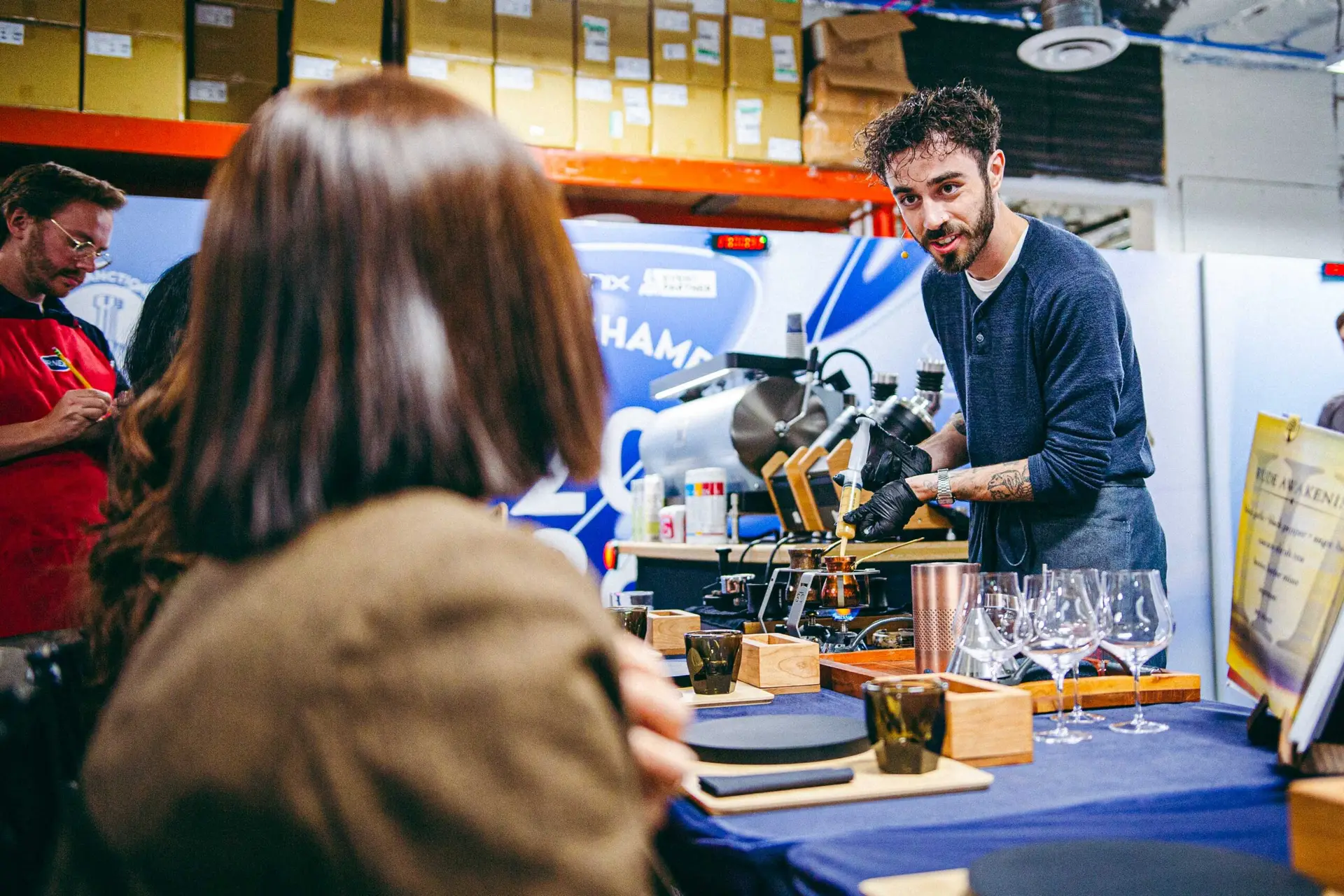
The 2026 United States Barista Championship (USBC) continued its high-stakes opening round at the Huckleberry Roasters headquarters in Denver, Colorado, as the second group of competitors took the stage to vie for a place in the semi-finals. Following an intense opening day, the second half of Round One featured a roster of 14 baristas, including several of the industry’s most decorated figures. The event, sanctioned by the Specialty Coffee Association (SCA), serves as the premier platform for American coffee professionals, with the ultimate winner advancing to represent the United States at the World Barista Championship in Panama this October.
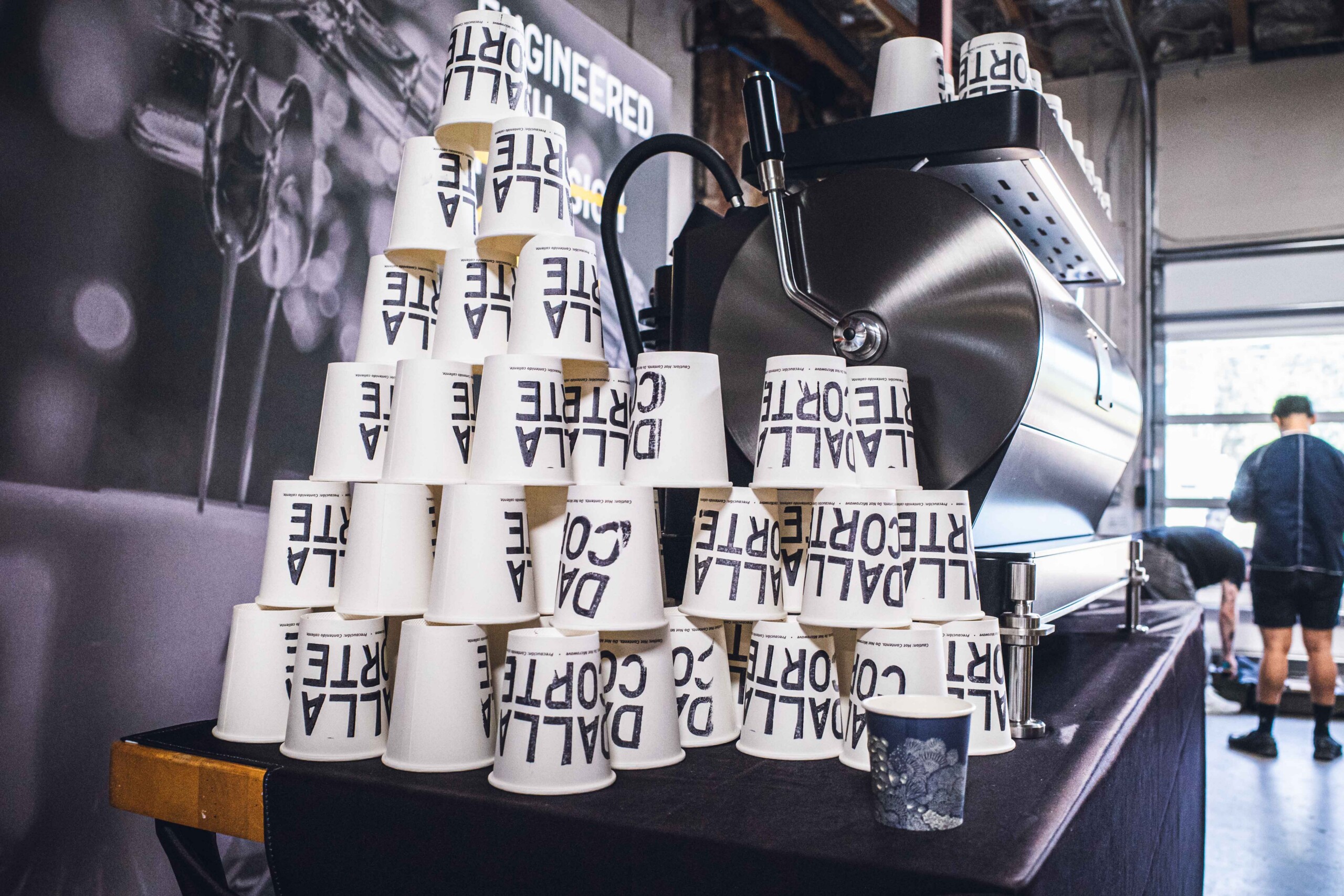
The caliber of competition on Day Two was historically high, with approximately one-third of the day’s participants holding titles as former USBC finalists or national champions. Among the notable figures were 2022 USBC Champion Morgan Eckroth and two-time US Brewers Cup Champion Elika Liftee. The atmosphere at Huckleberry Roasters reflected the gravity of the stakes: only 18 spots are available for Saturday’s Semi-Finals, making the margin for error in these 15-minute routines razor-thin.
Technical Precision and Morning Performances
The day commenced with Jak Michael Ryan of Proud Mary Coffee in Austin, Texas. Ryan, a sixth-place finalist in the 2025 cycle, utilized a Gesha variety from the La Salsa farm in Santa Barbara, Honduras. Produced by Benjamin Paz, this specific lot underwent a "darkroom dried natural" process. Ryan’s technical approach involved serving espresso in frozen cups to preserve volatile aromatic compounds, resulting in flavor notes of raspberry and nectarine. His milk course featured a 50/50 blend of whole milk and freeze-distilled lactose-free milk, a process that concentrates sugars and proteins to enhance the texture of the beverage.
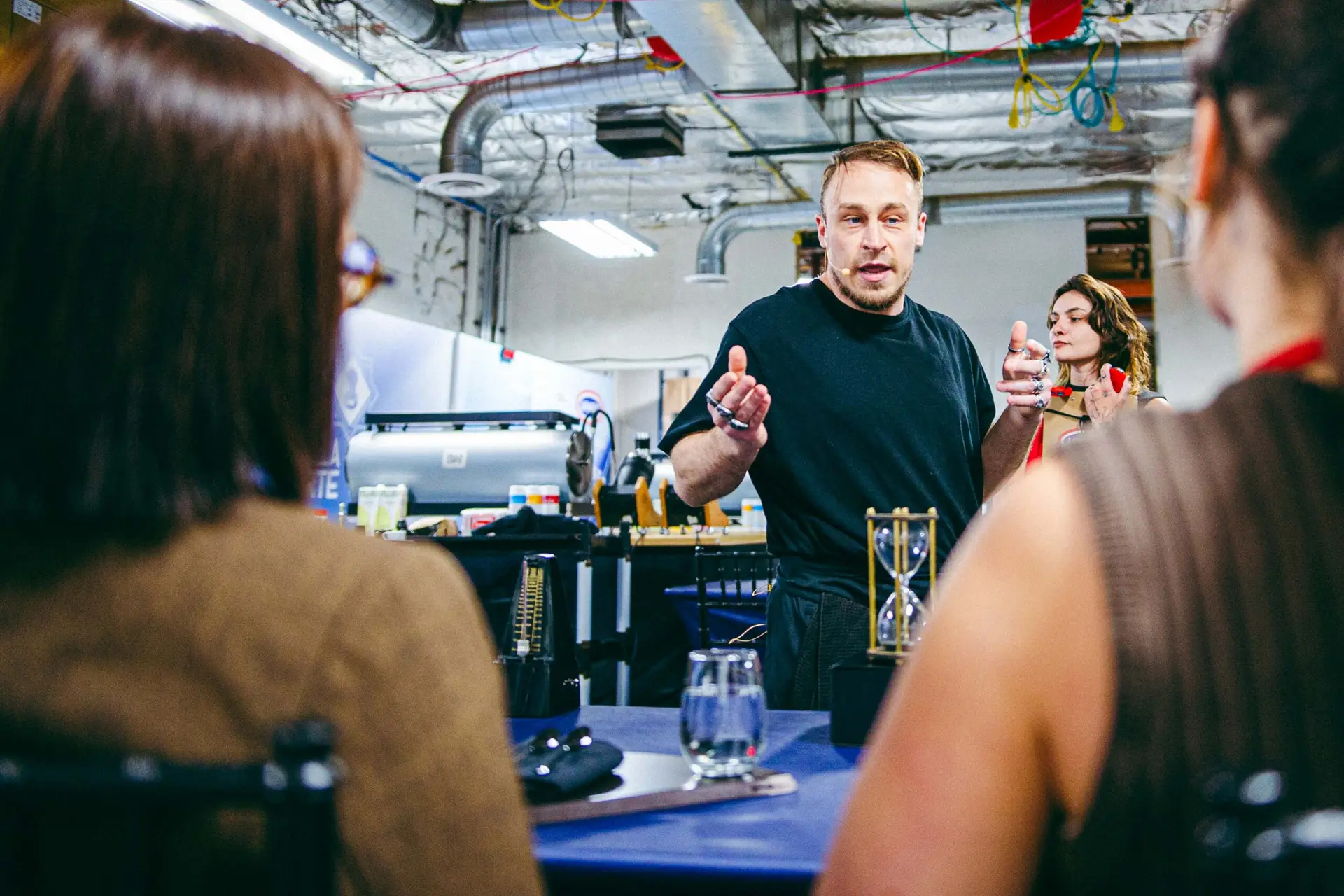
Following Ryan, Meg Skop of The Coffee Movement in San Francisco presented a blend of two Colombian coffees: a Gesha from Diego Bermudez and a Pink Bourbon from Wilton Benitez. Skop utilized vacuum blending technology to reduce CO2 levels in her coffee, a move intended to clarify the flavor profile. Her routine was characterized by a high degree of technical complexity, including the use of non-homogenized A2 cream-top milk and a signature beverage that incorporated red chili olive oil and a habanero finish.
The mid-morning sessions were marked by the first of several technical disruptions. Christian Ortega of Olympia Coffee was forced into a technical timeout at the 2:41 mark due to microphone failure. Despite the interruption, Ortega successfully resumed his routine, showcasing a carbonically macerated Gesha from Finca El Placer. His signature beverage was notable for its use of a clarified Froot Loop milk tincture, a nostalgic flavor element that has become an emerging trend in contemporary competition.
Midday Progressions and Material Innovation
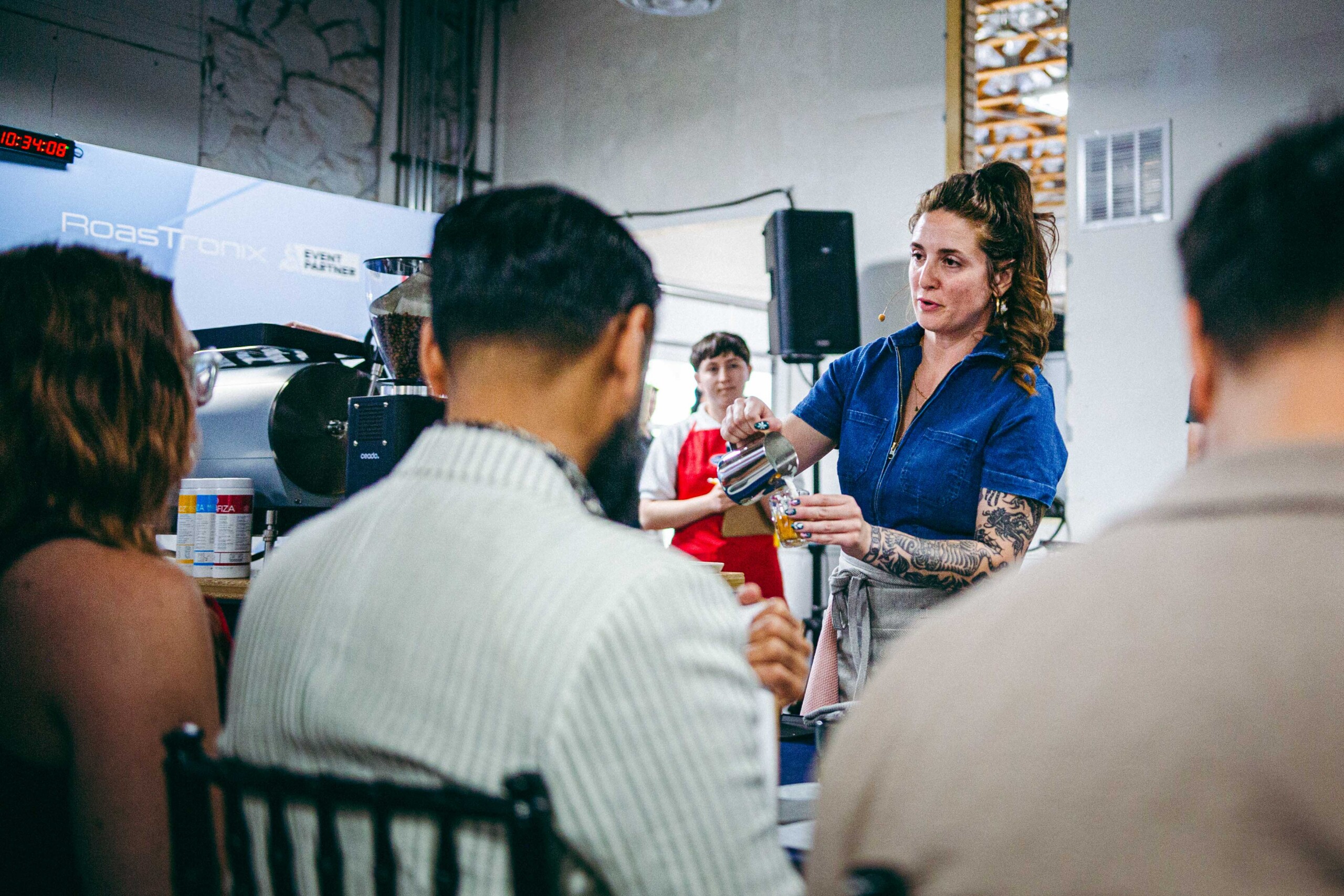
Stephanie Hernandez-Salazar of Vignette Coffee Roasters introduced a thematic element to her performance, centering her routine on the "weaving of moments." This was visually represented by a hand-crocheted tapestry. Using a Gesha from Finca El Encanto, Hernandez-Salazar leaned into cereal-inspired flavor profiles, citing "fruity pebbles" and "melted chocolate ice cream" in her milk course.
Khoa Trinh, representing Boxx Coffee Roasters, faced the second technical timeout of the day within the first minute of his performance. Upon restarting, Trinh presented a Green Tip Gesha from the renowned Finca Deborah in Panama, grown at an altitude of 2,200 meters above sea level. His routine highlighted the precision required for high-altitude coffees, utilizing a specific 19g-in to 43g-out extraction ratio for his espresso.
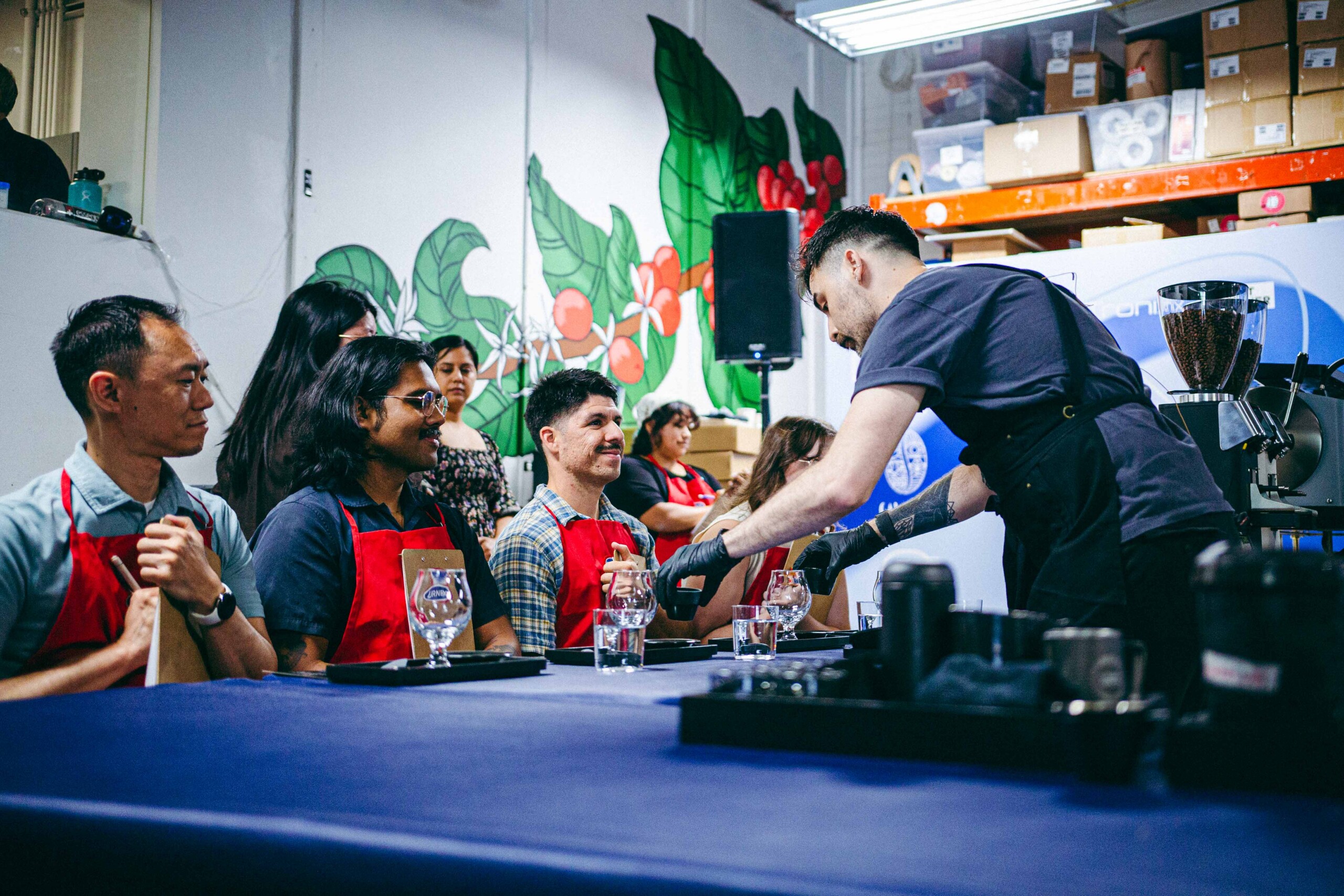
In a departure from the high-tech trends dominating the stage, Christopher Jiongo of Java Jiongo’s brought a "decidedly old school" approach to the competition. Eschewing the ubiquitous digital scales and complex processing data, Jiongo utilized commercial blends from Ceremony Coffee Roasters. His performance served as a reminder of the foundational barista skills, focusing on hospitality and traditional syrup-based flavor profiles, including lavender and vanilla, topped with a mascarpone cheese cold foam.
The Return of Champions and Species Diversity
The afternoon session saw the highly anticipated return of Morgan Eckroth, representing Onyx Coffee Lab. As a former national champion and World Barista Championship runner-up, Eckroth’s routine was a masterclass in technical narrative. She utilized two distinct coffees: a Gesha from the Lamastus Family’s Elida Estate in Panama and an SL28 variety from Huila, Colombia. Her milk course utilized a complex "cryodesiccated" milk powder and freeze-distilled lactose-free milk, while her signature beverage featured a nitrogen-charged milk punch poured over "rose snow."
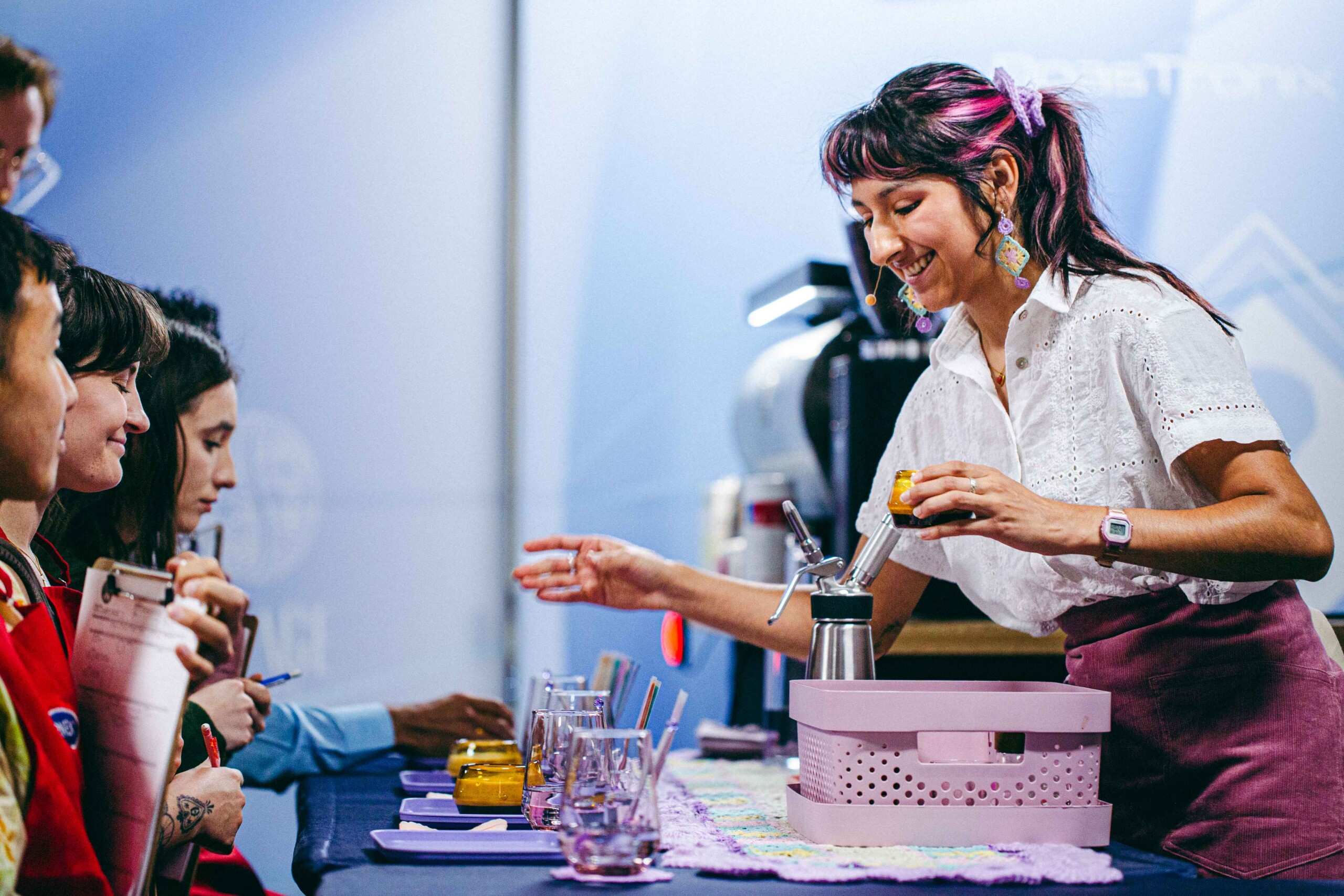
Following Eckroth, Miranda Huncovsky of Go Get Em Tiger centered their routine on "Kaizen," the Japanese philosophy of continuous improvement. Huncovsky’s routine was one of the most efficient of the day, calling time at 13:23. They utilized a yeast-inoculated Gesha from Finca Milan, delivering flavor notes of macadamia nuts and shortbread.
A significant shift in the competition’s traditional focus occurred during the performances of Divya Raghavan and Elika Liftee. Both competitors chose to move beyond the Coffea arabica species, instead showcasing Coffea liberica. Raghavan, an independent competitor from Atlanta, presented a blend of Liberica from Vietnam and India, noting flavors of jackfruit and cedar. Her routine was briefly interrupted by the day’s fourth technical timeout but concluded with a signature beverage featuring a chili syrup and rose water mist.
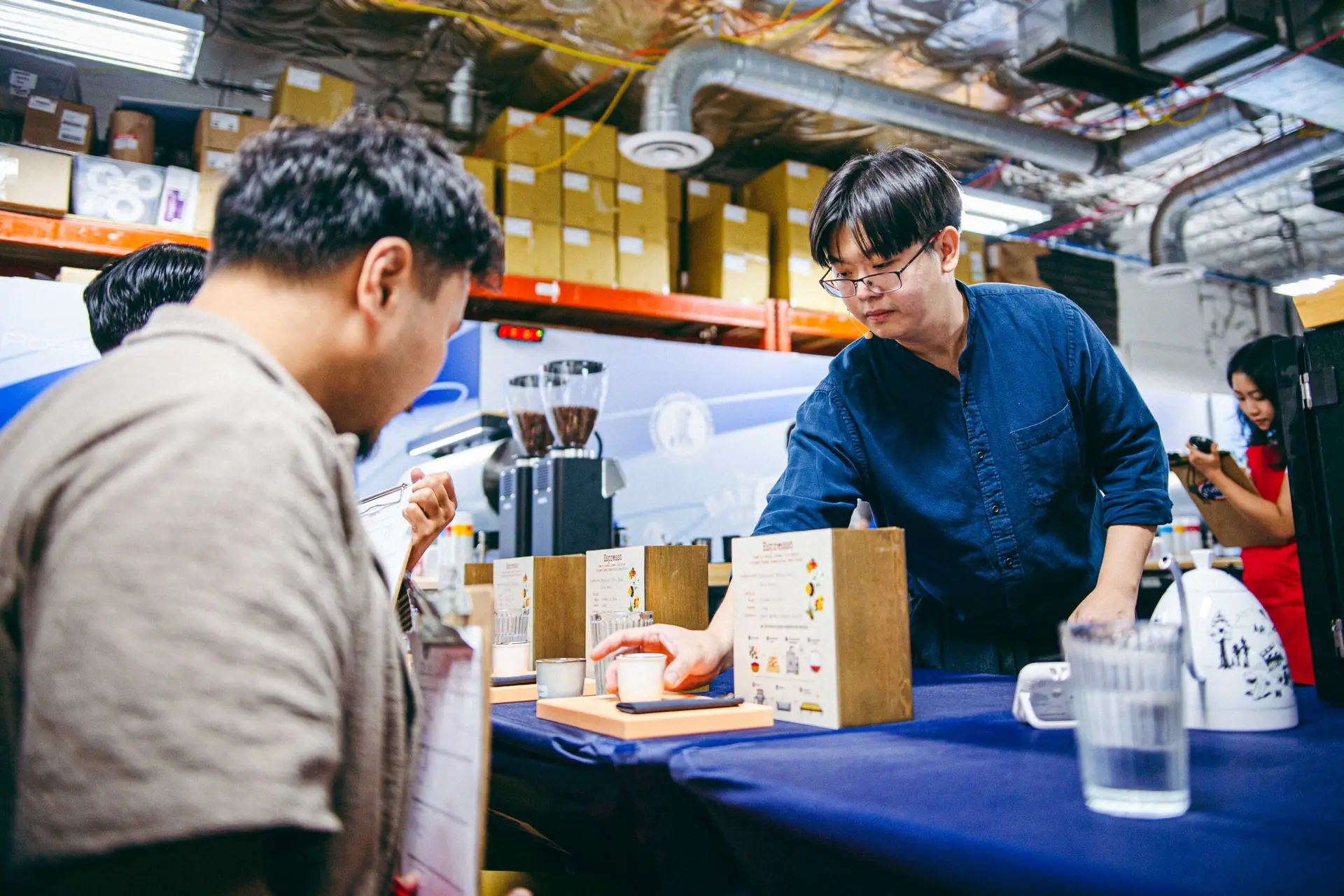
Elika Liftee also utilized an anaerobic fermented Liberica from Indonesia. Liftee’s decision to use Liberica—a species historically dismissed by the specialty industry—highlights a growing trend of exploring climate-resilient coffee species that offer unique, non-traditional flavor profiles. Liftee’s routine integrated the Liberica with a Chakira variety from Panama, creating a bridge between the familiar acidity of Arabica and the dense, sweet characteristics of Liberica.
Closing Routines and Analytical Implications
The final segment of Round One featured Juan Diaz of Know Where Coffee and Olivia Morris of Little Bear Coffee. Diaz adopted a "honesty" theme, withholding the specific details of his coffees until the end of his routine to ensure the judges evaluated the sensory experience without the influence of origin prestige. His selection included an SL28 variety from Cauca, Colombia, processed with three different natural fermentation methods.
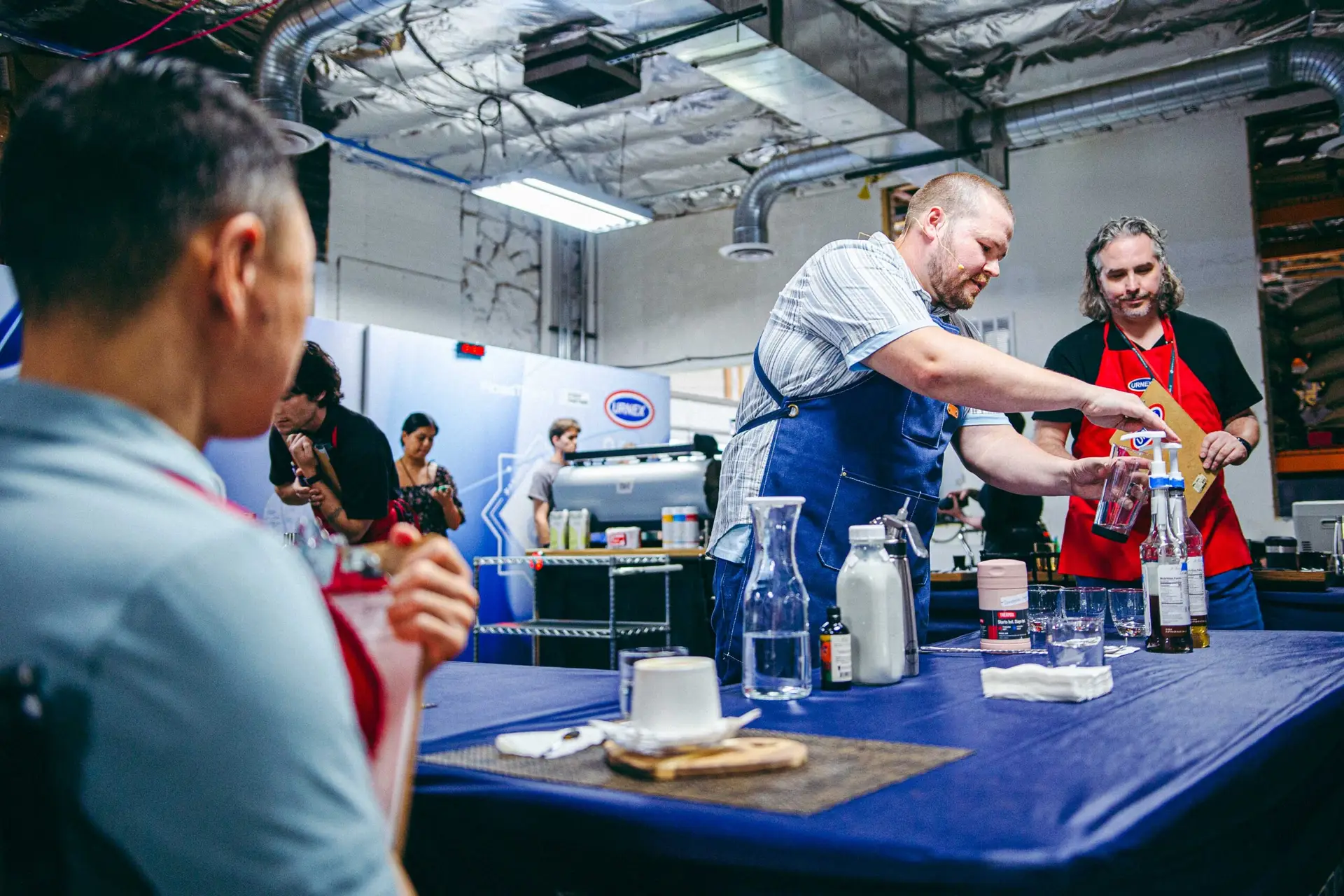
Olivia Morris closed the opening round with a washed Gesha from Jhonatan Gasca Zarza’s Finca Bella Vista. Morris’s routine focused on the "first harvest" of the variety, delivering a delicate flavor profile of silver needle white tea and limoncello.
Chronology of Technical Disruptions
The 2026 USBC Day Two was notably impacted by technical challenges, which required several competitors to restart or pause their routines:
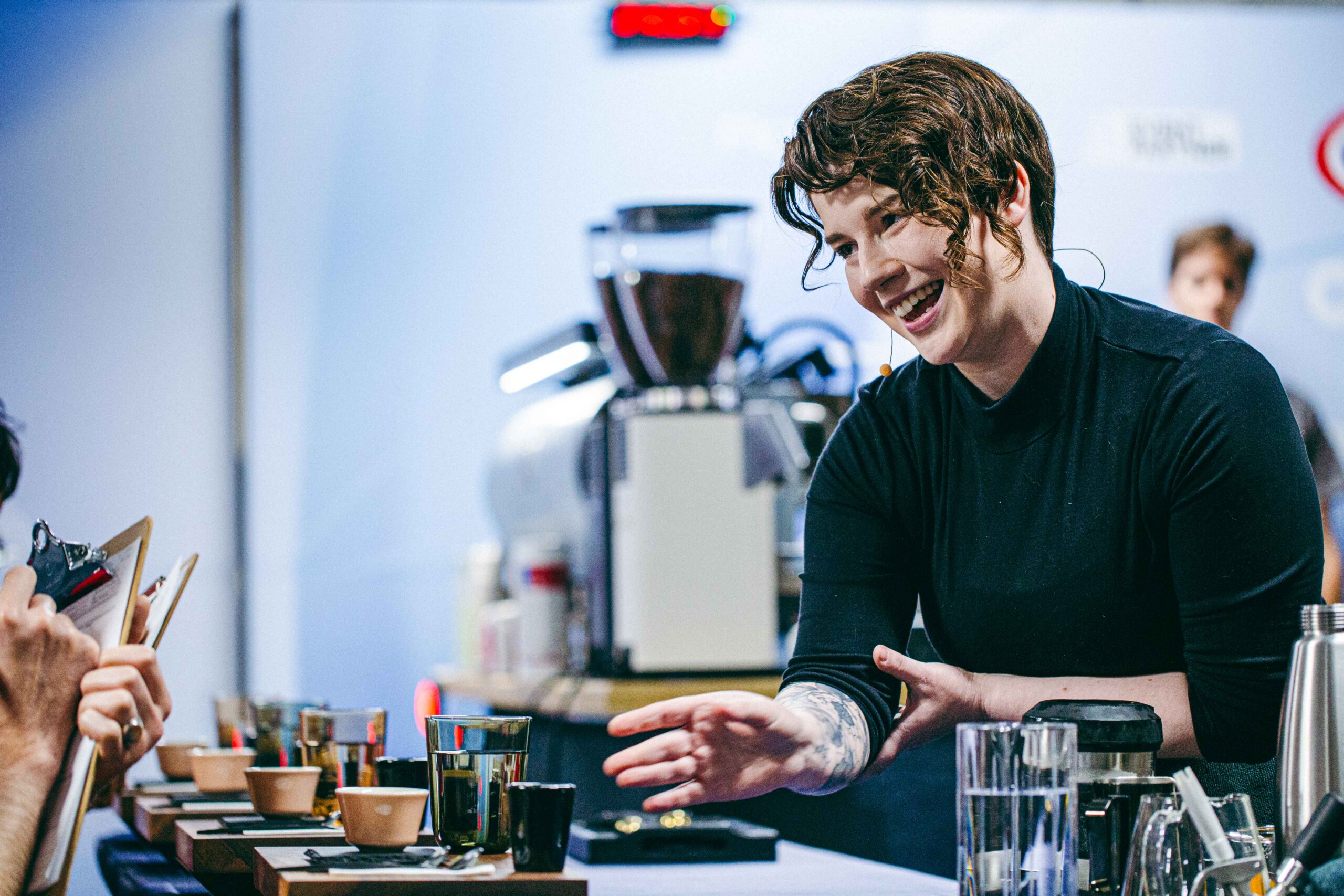
- Christian Ortega: Microphone failure at 2:41.
- Khoa Trinh: Technical issue within the first 60 seconds.
- Brandon Jarnagin: Third technical timeout called during the transition to the milk course.
- Divya Raghavan: Fourth technical timeout, requiring a full routine restart after the espresso course.
These disruptions emphasize the immense pressure placed on competitors to maintain focus and "flow" despite external interruptions.
Industry Trends and Data Analysis
Several key trends emerged from the Day Two routines that signal the current direction of the specialty coffee industry:
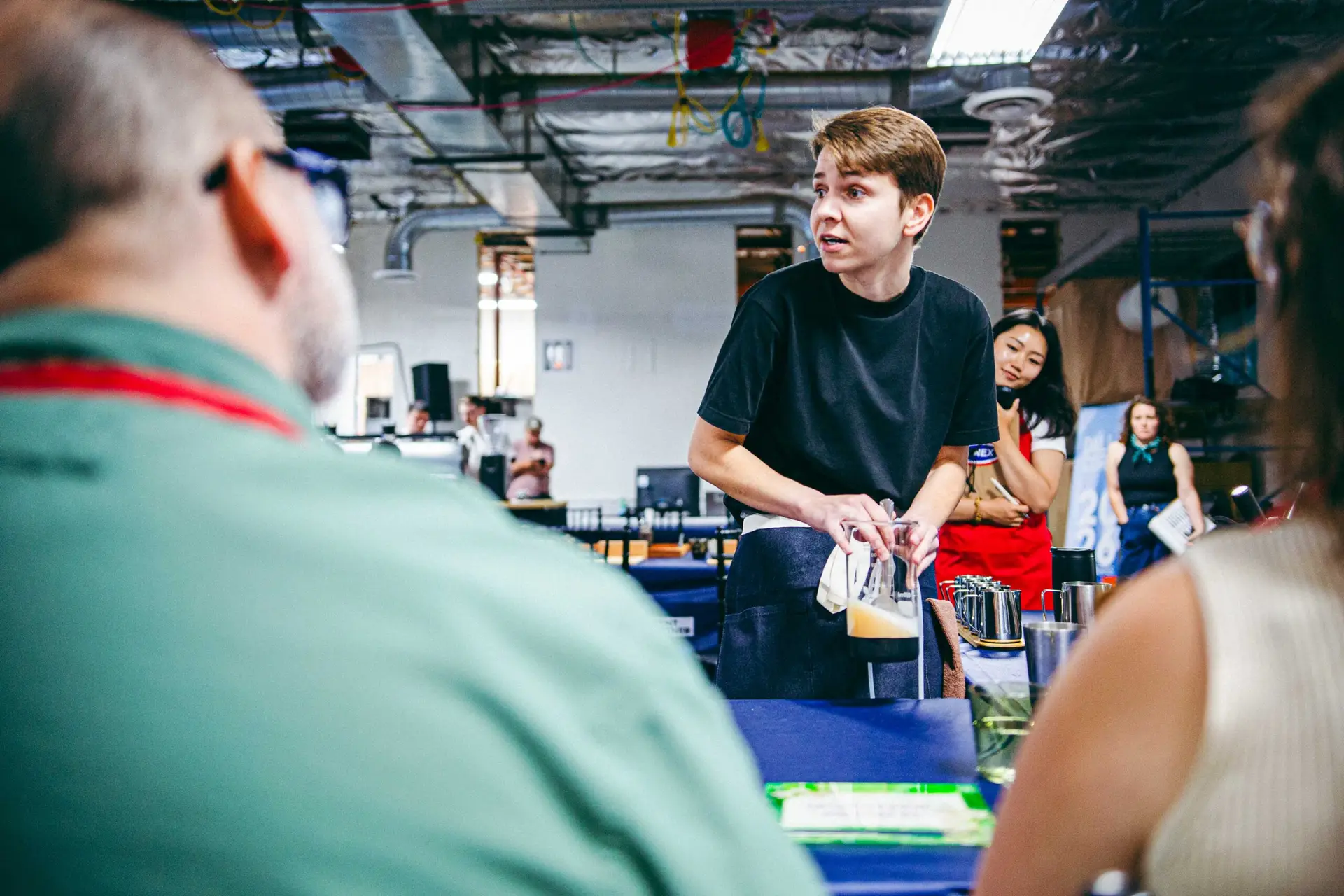
- Milk Concentration: Nearly every top-tier competitor utilized freeze-distillation or cryodesiccated milk. By removing water content through freezing, baristas are able to significantly increase the perceived sweetness and creaminess of milk beverages without adding external sugars.
- Species Diversification: The inclusion of Coffea liberica by two major competitors marks a turning point for the USBC. As climate change threatens Arabica production, the industry is increasingly looking toward Liberica and Robusta for genetic diversity and resilience.
- Processing Sophistication: Terms such as "thermal shock," "yeast inoculation," and "mosto-fermentation" were standard throughout the day, indicating that the role of the producer is now as central to the barista’s script as the brewing parameters themselves.
Broader Impact
The 2026 USBC is more than a trophy hunt; it is a laboratory for the future of coffee service. Innovations seen on the Denver stage—such as vacuum blending to manage acidity or the use of nitrogen-infused milk punches—frequently trickle down to high-end retail environments over the following years.
As the judges deliberate on the 18 semi-finalists, the focus remains on the balance between technical accuracy, sensory excellence, and the ability to communicate complex agricultural data within a rigid 15-minute window. The results of Round One will set the stage for a weekend of competition that promises to redefine the standards of American specialty coffee.
The 2026 US Barista Championship is supported by major industry sponsors, including Pacific Barista Series, Ghirardelli, Swiss Water, Cafe Imports, La Marzocco, and Huckleberry Roasters, with the livestream hosted by Roastronix. Announcements for the Semi-Finalists are expected late Friday evening.