
 Indra Kusuma
Globally recognized skincare and fragrance brand Aesop, long celebrated for its distinctive aesthetic and immersive retail experiences, is once again demonstrating its commitment to audacious design innovation, this time with a profound focus on sustainability. The Australian company recently unveiled two significant initiatives that signal a bold expansion of its creative and ethical footprint: its inaugural foray into furniture product development with the limited-edition Apos lighting series, and a groundbreaking, algae-based bioplastic alternative for retail signage developed under its Enduring Forms initiative. These dual launches, presented at prestigious global design events, underscore Aesop’s strategic evolution into a broader lifestyle brand that champions both cutting-edge design and environmental stewardship.

A Dual Leap into Sustainable Innovation
Aesop’s journey, which began with a singular vision for plant-based skincare, has steadily grown to encompass a holistic approach to design, architecture, and environmental responsibility. The brand’s latest endeavors are not merely opportunistic expansions but carefully considered steps that align with its core values, addressing contemporary challenges through innovative solutions. The introduction of the Apos lighting series in April at Milan Design Week and the subsequent unveiling of the bioplastic material at 3daysofdesign in Copenhagen this month illustrate a thoughtful chronology of its deepening commitment. Both projects, while distinct in their application, share a common thread of repurposing inspiration from existing forms and pioneering materials that lessen environmental impact.
Milan Design Week: Apos – Form Inspired by Function
April saw Aesop making an unexpected yet significant entry into the furniture design landscape with Apos, its first-ever limited-edition lighting series. This venture represents a bold leap for the brand, traditionally known for its meticulous product packaging and thoughtfully designed retail spaces rather than standalone furniture pieces. The inspiration for Apos is deeply rooted in Aesop’s own operational vocabulary: the formal characteristics of the aluminum tubes used in the development of new scent and cream concoctions. This intrinsic connection to the brand’s heritage lends authenticity to the design, transforming an industrial component into an object of refined beauty and utility.
The Apos lighting series was unveiled during Milan Design Week, an unparalleled global platform for design innovation. The presentation itself was a testament to Aesop’s creative ingenuity and commitment to circularity. Instead of a conventional display, the series was showcased within an immersive environment featuring a sloped field constructed from thousands of upcycled 50ml fragrance vials. This striking installation not only highlighted the aesthetic qualities of the Apos lights but also reinforced a powerful message about resourcefulness and the potential for materials to transcend their original purpose. Milan Design Week, comprising Salone del Mobile and its accompanying Fuorisalone events, annually serves as a critical barometer for emerging design trends and material innovations. Aesop’s participation and the nature of its exhibit strategically positioned the brand not just as a beauty purveyor, but as a serious contributor to the broader design discourse, demonstrating leadership in sustainable practices within a luxury context.
Copenhagen’s 3daysofdesign: Enduring Forms and Bioplastic Breakthrough

Building on the momentum of its Milan debut, Aesop carried its dynamic spirit of sustainability to 3daysofdesign in Copenhagen this month. Unlike many brands that might opt for a purely promotional presence at such influential events, Aesop utilized the occasion to unveil a substantial and forward-thinking initiative: the latest iteration of its "Enduring Forms" project. This strategic choice underscored the brand’s intent to engage meaningfully with the design community and present tangible solutions rather than abstract concepts. 3daysofdesign, with its focus on Scandinavian design principles, often emphasizing functionality, simplicity, and sustainability, provided an ideal backdrop for this announcement.
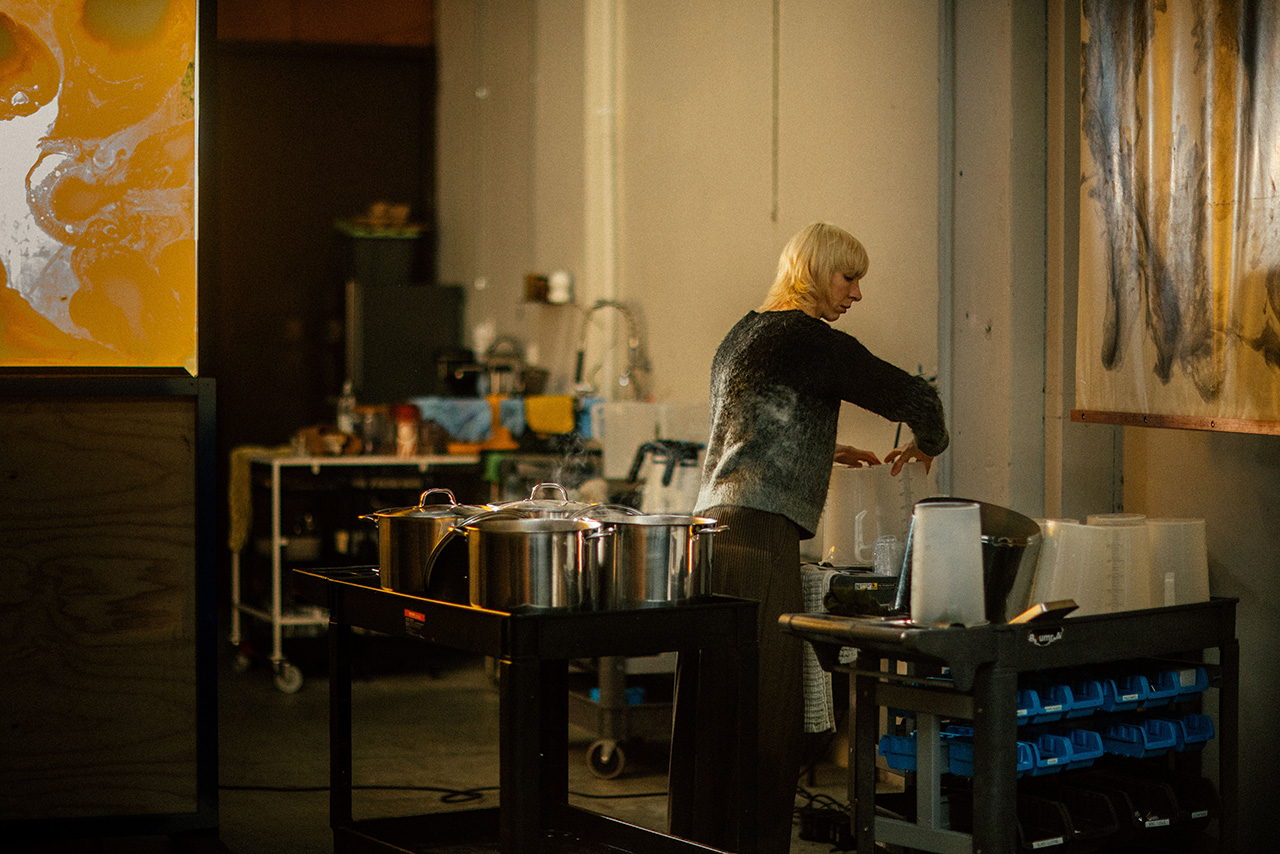
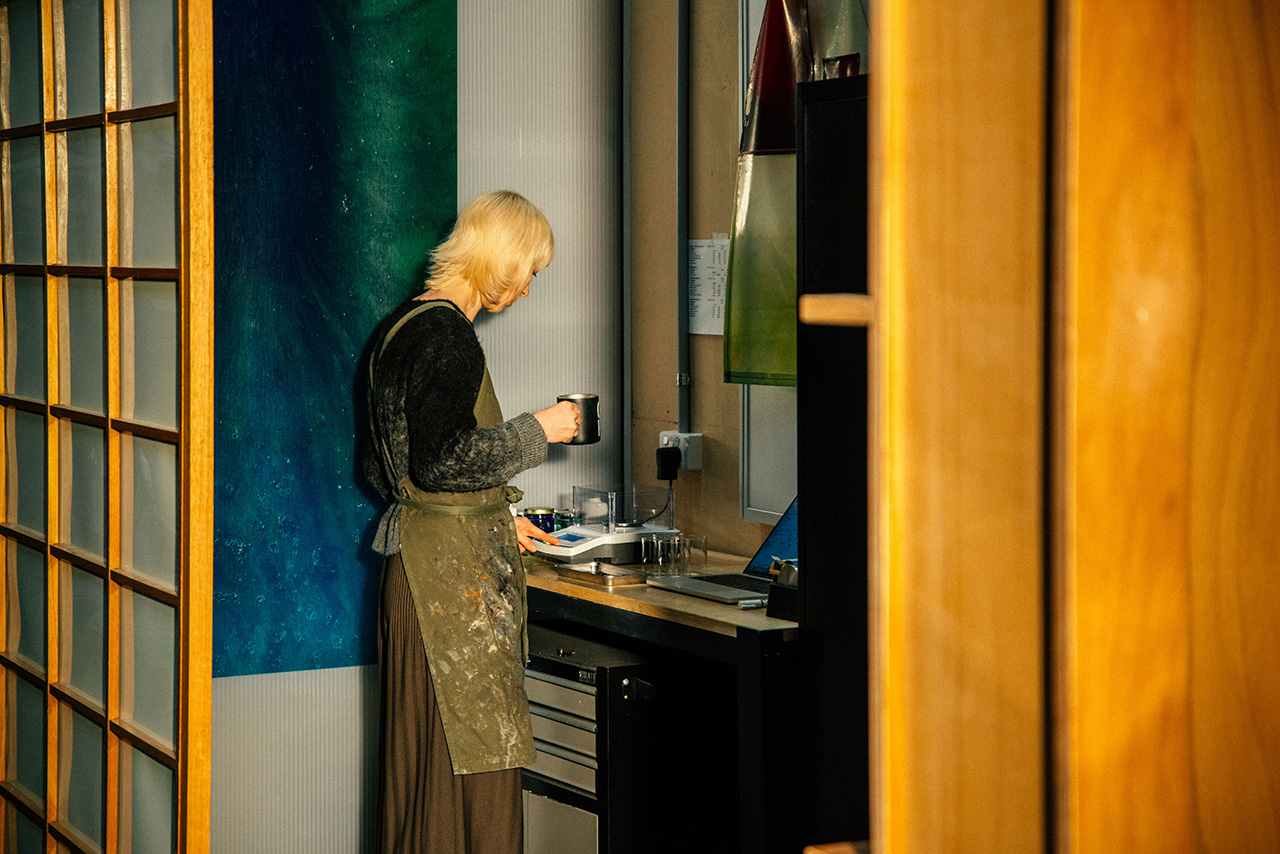
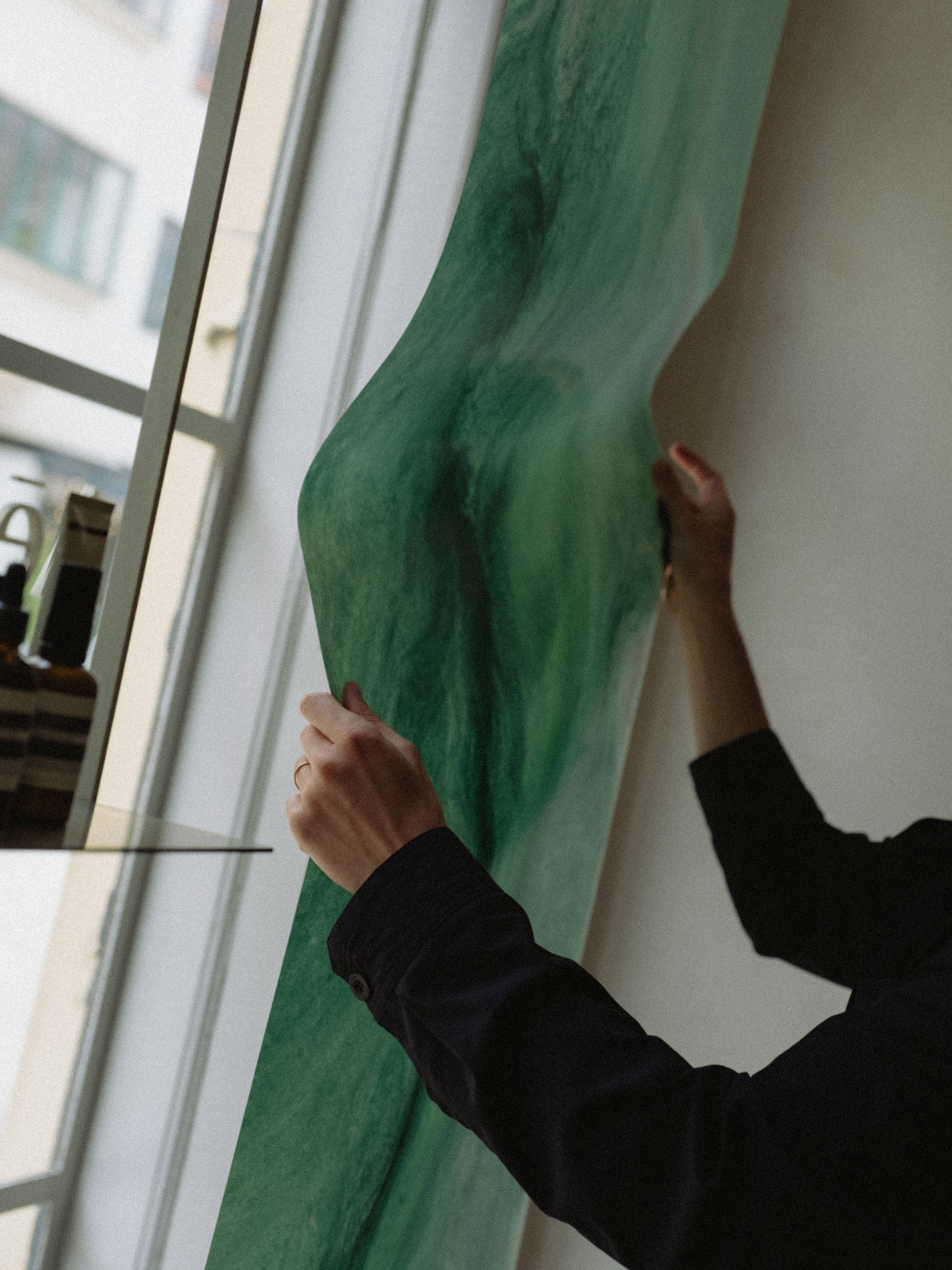
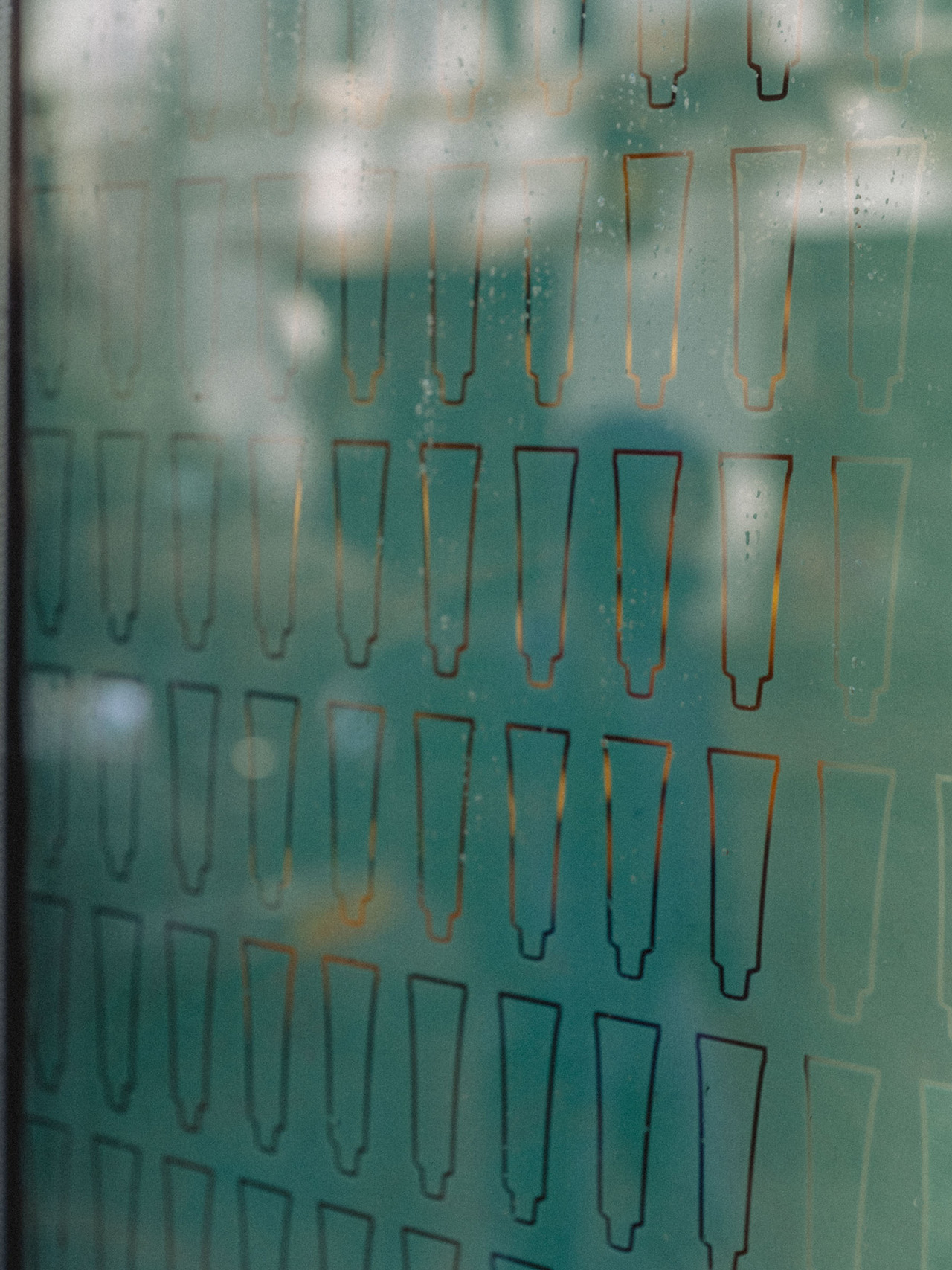
The core of this new "Enduring Forms" chapter is a groundbreaking bio-based material alternative designed to replace conventional signage and window decals. While the Apos project centered on the reuse of existing materials, this initiative showcases the potential of biodegradability, tackling the issue of material sourcing from a more considered perspective. This innovative material takes the form of a flexible, leather-like bioplastic sheet, characterized by a distinctive green ombré tone. Its development is the result of a collaboration with Jessie French, the visionary founder of Melbourne-based research practice Other Matter. French’s work is deeply rooted in engineering renewable, non-petrochemical polymers, making her an ideal partner for Aesop’s ambitious sustainability goals. The bioplastic is notably made using algae, a rapidly renewable resource that offers significant environmental advantages over traditional plastics derived from fossil fuels. Algae cultivation requires minimal land, can thrive in diverse environments, and sequesters carbon dioxide, presenting a truly sustainable feedstock for material production.

The timing of this unveiling was particularly apt, coinciding with the launch of Aesop’s new Parsley Seed Skin Care range. This collection of formulations is specifically tailored to address the challenges of "city skin," offering protection against environmental stressors. The natural, earthy tones and bio-sourced nature of the algae bioplastic created a harmonious visual and philosophical synergy with the skincare range, reinforcing Aesop’s holistic brand narrative where product, packaging, and presentation are all aligned with a commitment to natural efficacy and environmental consciousness.
Real-World Application and Consumer Engagement
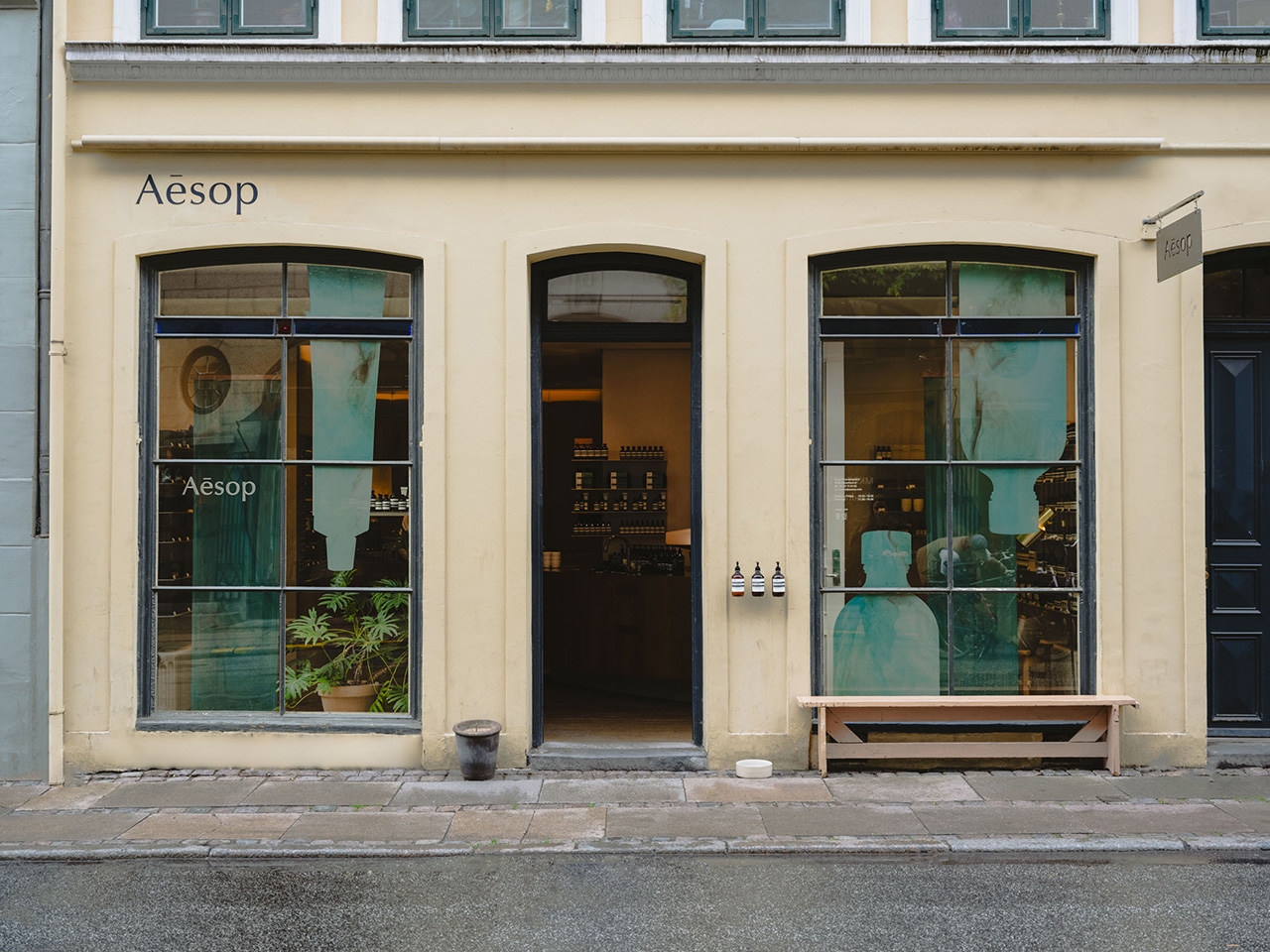
To demonstrate the practical application and versatility of this novel bioplastic, Aesop implemented two distinct installations across its Copenhagen storefronts. At its Nyhavn location, the material was transformed into oversized product silhouettes, creating a striking visual display that was both artistic and informative. Meanwhile, at the Kronprinsensgade shop, the bioplastic became an interactive window layer featuring peel-off cutout profiles of the product packaging. This ingenious approach invited visitors to actively engage with the material; they could easily pull one of the cutouts away and take it home, offering a tactile experience that effectively showcased the bioplastic’s durability and flexibility. This direct interaction served as a powerful testament to the material’s viability as a real-world alternative to conventional plastics.
Jessie French’s bioplastic embodies a comprehensive approach to sustainability by integrating both circularity and biodegradability—two crucial pillars of modern environmental practice. The material is not only designed to be reused repeatedly, extending its lifespan within a circular economy model, but it is also formulated to biodegrade responsibly when it eventually reaches the end of its functional life. This dual capability is a significant advancement. While many sustainable efforts focus solely on repurposing materials that may have had questionable origins, French’s approach begins with an inherently considered material base, ensuring that even if not continuously reused, its eventual return to the environment is benign. This represents a paradigm shift from simply managing waste to preventing its creation through intelligent material design.

Broader Implications: A Game-Changer for Retail and Beyond
The potential impact of Aesop’s algae-based bioplastic extends far beyond window displays and luxury skincare branding. It represents a potential game-changer for the entire retail industry, particularly when considering the immense amount of waste generated by conventional, and especially temporary, street and retail-window signage. Annually, millions of tons of non-recyclable plastics, such as PVC and vinyl, are discarded from temporary promotional materials, contributing significantly to landfill burden and environmental pollution. This persistent issue has long plagued retailers striving for dynamic visual merchandising while grappling with their environmental footprint.

One of the most persistent critiques leveled against newer, greener solutions has been their perceived cost-prohibitiveness. However, the bioplastic developed by Jessie French, with its inherent dual capability for reuse and biodegradability, begins to erode the merit of this cliché argument. By offering a material that can serve multiple purposes over time and then decompose naturally, the long-term cost benefits—from reduced waste disposal fees to potentially lower replacement frequency—could offset initial production costs, making it a more economically viable and environmentally responsible choice.
Furthermore, this innovation opens the door to entirely new possibilities for visual merchandising and architectural integration. Retailers are no longer confined to small, letter-pressed elements or static icons. They can experiment with vastly different scales of visual application, creating large, immersive graphics without the environmental guilt. More profoundly, the material’s properties could be explored for advanced applications such as temperature-absorbing window fritting. This would not only enhance the aesthetic appeal of storefronts but also offer a tangible, energy-efficient benefit by helping to regulate indoor temperatures, reducing the need for excessive heating or cooling. This represents a significant step towards truly sustainable building design and operation.
Aesop’s Evolving Sustainability Narrative
These recent initiatives reinforce Aesop’s position as a visionary brand that skillfully merges luxury aesthetics with profound environmental responsibility. By venturing into furniture and pioneering bio-based materials, Aesop is not merely following trends but actively setting new benchmarks for conscious commerce. Their strategic partnerships, such as with Jessie French, highlight a commitment to genuine scientific innovation and collaboration within the sustainability sphere. This evolving narrative of responsible design and material innovation not only strengthens Aesop’s brand identity but also resonates deeply with an increasingly environmentally conscious global consumer base, fostering greater loyalty and respect.

Conclusion: A Blueprint for Conscious Commerce
Aesop’s dual innovations—the Apos lighting series, a testament to creative reuse and expansion into new design territories, and the algae-based bioplastic, a breakthrough in biodegradable retail solutions—collectively present a powerful blueprint for the future of conscious commerce. By demonstrating that audacious design and rigorous sustainability can coexist and indeed amplify one another, Aesop is not only enhancing its own brand legacy but also challenging the wider industry to reconsider its material choices and design philosophies. These initiatives serve as a compelling example of how a brand can innovate responsibly, proving that environmental stewardship is not a limitation but a fertile ground for creativity and progress.
To discover the brand’s skin care innovations and learn more about its sustainable practices, visit aesop.com.
Photography by Armin Tehrani.







