Cintya Tara Annisa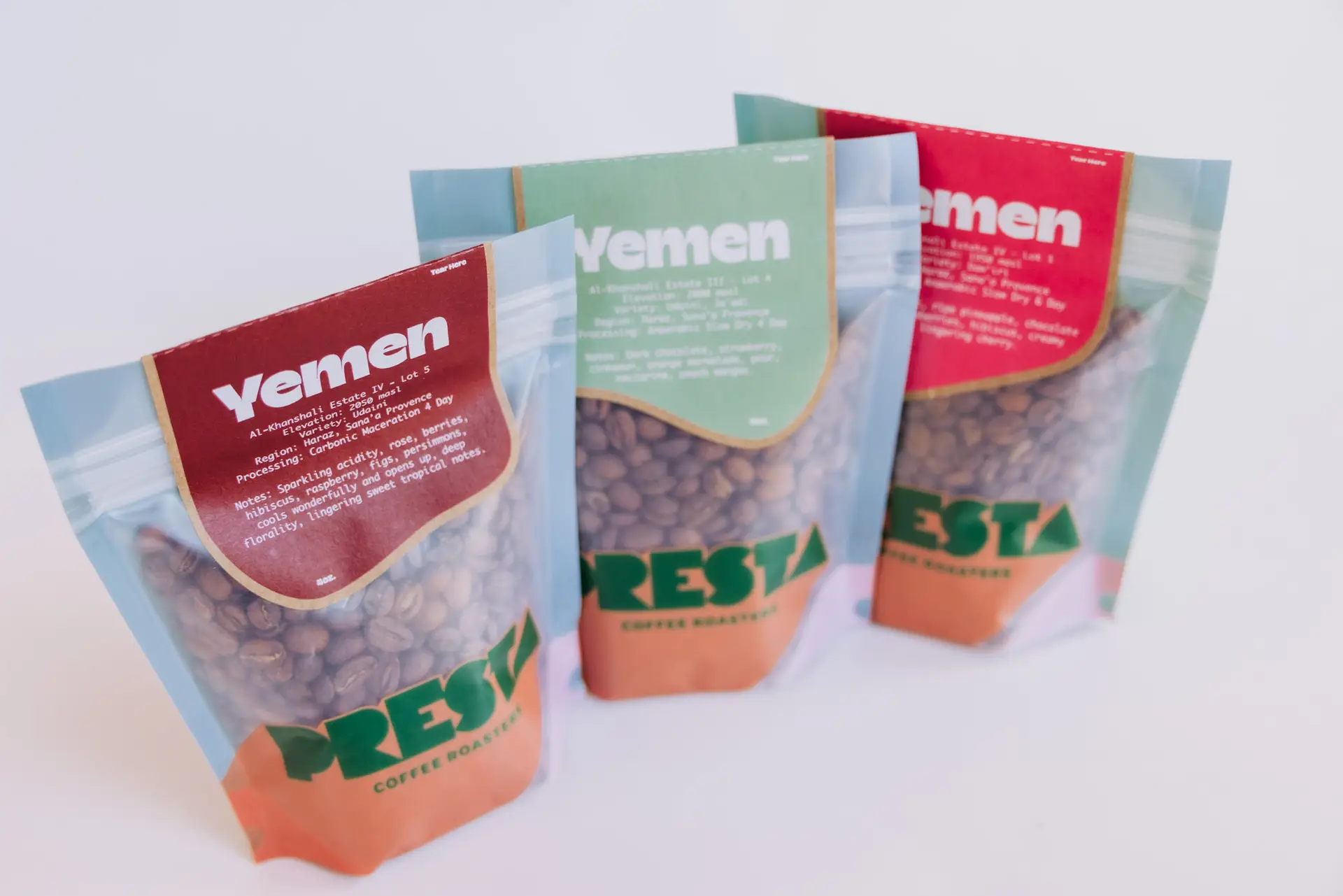
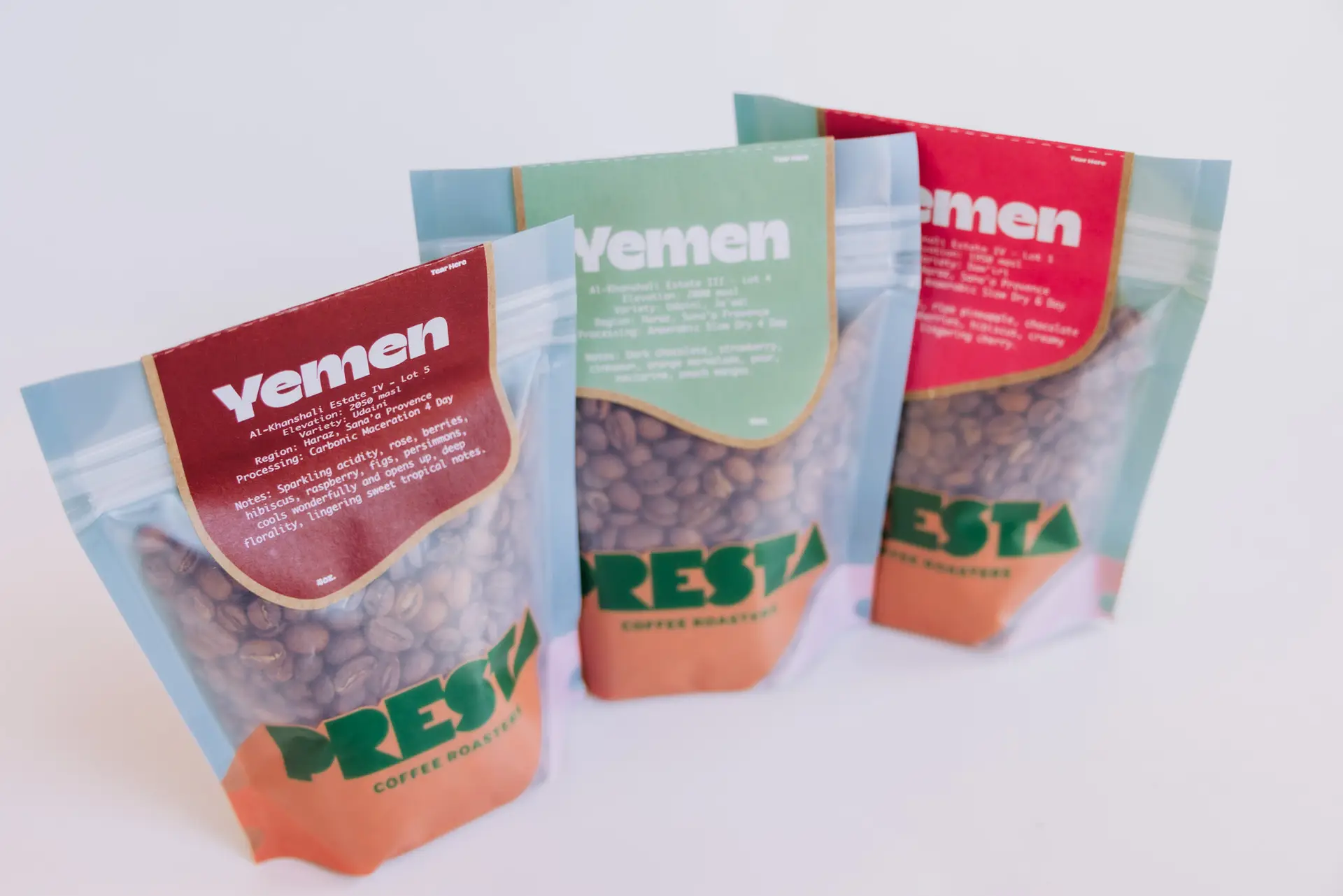
Tucson-based Presta Coffee Roasters has officially announced the launch of three highly anticipated coffee selections sourced from the 2025 harvest of the Al-Khanshali Estate in Yemen. This release represents a rare intersection of high-altitude viticulture, modern fermentation science, and a historic reclamation of one of the world’s oldest coffee-producing regions. Available through a series of limited online "drops" and in restricted quantities at their physical locations, the collection features rare heirloom varieties processed through advanced anaerobic and carbonic maceration techniques. The arrival of these lots in Arizona underscores a growing trend in the specialty coffee industry: the pursuit of ultra-premium, narrative-driven origins that command prices reflective of both their sensory complexity and the geopolitical challenges overcome to bring them to market.
The Resurrection of Yemeni Coffee Production
To understand the significance of the 2025 Al-Khanshali Estate harvest, one must look back at the historical trajectory of coffee in the Arabian Peninsula. Yemen is widely credited as the birthplace of the global coffee trade; the Port of Mokha was the primary gateway through which coffee traveled from East Africa to the rest of the world starting in the 15th century. For centuries, Yemeni coffee was the global standard, characterized by its distinct "wild" cup profile and dry-processing methods necessitated by the region’s arid climate. However, by the 20th and early 21st centuries, the industry had fallen into a state of decline, hampered by lack of infrastructure, the expansion of the narcotic leaf crop qat, and persistent regional instability.
The revitalization of this origin is inextricably linked to the work of Mokhtar Alkhanshali, the founder of Port of Mokha and the Al-Khanshali Estate. Before the current era of specialty recognition, Alkhanshali spent years surveying more than 30 remote coffee-growing regions in Yemen. His objective was not merely to source coffee but to reintroduce rigorous agricultural standards to a farming community that had largely lost touch with the global specialty market. This initiative involved training farmers in selective harvesting—ensuring only the deep-red "cherry" stage of the fruit is picked—and implementing modern drying beds to replace the traditional practice of drying coffee on rooftops or dirt floors, which often led to defects and inconsistent quality.
A Chronology of Conflict and Quality
The narrative of the Al-Khanshali Estate reached a global audience in 2015, a year that serves as a pivotal turning point for both the brand and the Yemeni coffee industry at large. In March 2015, as Alkhanshali was preparing to transport samples to the Specialty Coffee Association of America (SCAA) conference in Seattle, a full-scale civil war erupted. With the bombing of Sana’a International Airport and a naval blockade in place, the traditional routes of exit were severed.
In an effort that has since been chronicled in literature and media, Alkhanshali navigated through war zones to reach the Port of Mokha. He eventually crossed the Red Sea to Djibouti in a small fishing vessel, carrying two suitcases of coffee samples. These samples were later cupped blindly by industry experts at the SCAA conference, where they received scores of 90 points or higher—a rarity in the coffee world that signifies "super-premium" status. This event proved that despite the ongoing humanitarian crisis and logistical hurdles, Yemen remained capable of producing some of the finest coffee on Earth.
The 2025 harvest offered by Presta Coffee Roasters represents the maturation of this effort. Over the last decade, the "Mokha Method" has evolved into a sophisticated framework of social and technical standards. This includes the organization of farmer collectives with mandatory 50% female representation on boards and the provision of interest-free micro-loans to help farmers bypass predatory debt cycles. Data from the estate indicates that farmers adhering to these protocols earn approximately 33% more than the standard market rate for their yields, creating a sustainable economic model in a region where such stability is scarce.
Technical Profiles of the 2025 Release
The three lots selected by Presta Coffee Roasters showcase the diversity of the Sana’a Province’s microclimates and the impact of controlled fermentation on ancient heirloom varieties.
Yemen – Al-Khanshali Estate IV, Lot 1
Grown at an elevation of 1,950 meters above sea level (masl), this lot features the Daw’iri variety. The processing method employed is an Anaerobic Slow Dry (ASD) lasting six days. In this process, the coffee cherries are placed in oxygen-free tanks before drying, which encourages a specific metabolic pathway in the yeast and bacteria, resulting in a profile characterized by ripe pineapple, chocolate-covered strawberries, and hibiscus. The six-day duration of the anaerobic phase is meticulously calibrated to enhance acidity without introducing "boozy" or over-fermented off-notes.
Yemen – Al-Khanshali Estate III, Lot 4
This lot is sourced from a slightly higher elevation of 2,000 masl and consists of the Udaini variety. It underwent a four-day Anaerobic Slow Dry process. The Udaini variety is one of the most prominent landrace varieties in Yemen, known for its resilience and complex sugar structure. The resulting cup offers a dense profile of dark chocolate, cinnamon, and orange marmalade, with a broad spectrum of stone fruits including nectarine and peach. The shorter anaerobic window compared to Lot 1 emphasizes the inherent spice and citrus notes of the Udaini variety.
Yemen – Al-Khanshali Estate IV, Lot 5
Considered the "crown jewel" of the 2025 release, Lot 5 was harvested at 2,050 masl. This lot utilizes Carbonic Maceration (CM) over a four-day period. Carbonic maceration, a technique borrowed from the wine industry (specifically Beaujolais), involves placing whole coffee cherries in a tank flushed with carbon dioxide. This environment allows for intracellular fermentation, breaking down pectin from the inside out. The result is a highly aromatic and "sparkling" acidity, with notes of rose, persimmon, and fig. This represents the cutting edge of Yemeni coffee processing, blending ancient genetics with 21st-century fermentation technology.
Market Analysis and Economic Implications
The pricing of these coffees—ranging from $30 to $40 for a 4oz bag, or $95 for a tasting flight—places them in the highest echelon of the retail coffee market. To the average consumer, $160 per pound may seem exorbitant; however, within the context of specialty coffee economics, these prices reflect several critical factors:
- Scarcity and Yield: The Al-Khanshali Estate produces a very limited volume of coffee each year. The 2025 harvest was particularly selective, with only the top-tier lots being exported to a handful of global roasting partners.
- Risk Premium: Importing coffee from a conflict zone involves significant insurance, logistical, and security costs. The "war risk" associated with shipping through the Red Sea remains a contemporary concern for importers.
- Labor Intensity: The "Mokha Method" requires significantly more man-hours than traditional harvesting. Hand-sorting cherries and managing precision fermentation tanks in remote mountainous terrain adds substantial value to the raw product.
- Social Impact: A portion of the retail price supports the interest-free loan programs and infrastructure projects (such as water filtration and schools) within the Yemeni farming communities.
Industry analysts suggest that the success of such high-priced releases indicates a shift in consumer behavior. Specialty coffee enthusiasts are increasingly willing to pay a premium for "transparency" and "provenance." Much like the market for rare whiskies or estate-bottled wines, the Al-Khanshali release is marketed as a sensory experience that is inseparable from its origin story.
The Role of Presta Coffee Roasters
For Presta Coffee Roasters, being selected as a partner for the Al-Khanshali Estate is a testament to the brand’s reputation within the global specialty community. Based in Tucson, Arizona—a city with a burgeoning culinary and coffee scene—Presta has focused on a "quality-first" model since its inception. By securing these lots, Presta positions itself as a destination for serious coffee connoisseurs, moving beyond the local market to attract national and international attention.
The decision to release the coffee in "drops" mirrors the strategy used by luxury fashion brands and high-end distilleries to manage high demand and limited supply. This method ensures that the coffee is roasted to order, preserving the delicate volatile aromatics that define these high-scoring lots.
Future Outlook for Yemeni Specialty Coffee
The arrival of the 2025 Al-Khanshali harvest comes at a time when the global coffee industry is facing significant challenges, including climate change and fluctuating C-market prices. Yemen’s coffee, grown in some of the harshest and highest-altitude environments on the planet, may hold genetic clues to the future of the species. The resilience of Daw’iri and Udaini varieties in arid conditions makes them a subject of interest for botanists looking to develop drought-resistant coffee strains.
Furthermore, the continued success of the Al-Khanshali Estate provides a blueprint for other "at-risk" origins. It demonstrates that by focusing on quality and direct-trade relationships, producers can create a "de-commodified" product that is insulated from the volatility of global commodity markets.
As the 2025 harvest reaches consumers, the narrative remains one of endurance. Each cup represents a decade of agricultural reform, a miraculous escape from a war zone, and a commitment to preserving the heritage of the world’s first coffee culture. For the residents of Tucson and the global audience of Presta Coffee Roasters, these three lots offer a rare opportunity to taste the results of a high-stakes effort to reclaim the "Soul of Yemen."