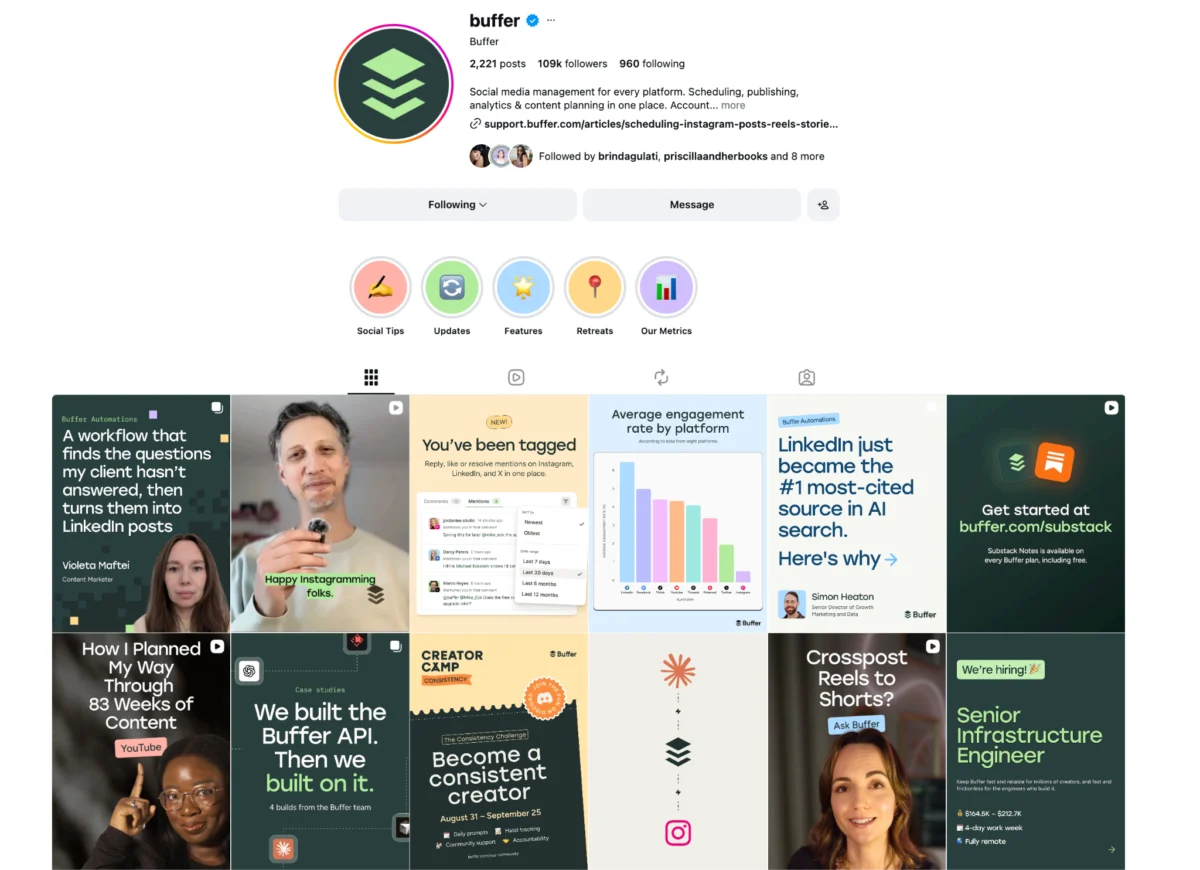
The iconic blue checkmark on Instagram, once an exclusive emblem signifying public notability, has evolved into a multifaceted symbol with two distinct pathways to attainment: the traditional notability-based verification and the newer, subscription-driven Meta Verified service. This evolution reflects a broader industry trend toward democratizing access to enhanced platform features while simultaneously addressing critical concerns around digital identity, impersonation, and user trust in an increasingly complex online landscape. While often perceived as a status symbol, the practical benefits of verification, ranging from combating misinformation to providing robust account security, underscore its growing importance for individuals, creators, and businesses alike.
The Evolution of Instagram Verification: A Chronological Overview

Initially introduced in 2014, Instagram’s verification program was designed to authenticate accounts of public figures, celebrities, and major brands, serving as a crucial tool to combat widespread impersonation. At its core, the blue badge confirmed that an account genuinely belonged to the person or entity it claimed to represent, thereby helping users distinguish authentic voices from imposters. This initial iteration focused heavily on the criteria of "notability," requiring accounts to be "well-known, highly searched-for, and featured in multiple news sources," excluding paid or promotional content. The process was rigorous and selective, making the blue check a coveted, albeit elusive, badge of authenticity.
However, the digital ecosystem continued to grow, giving rise to millions of content creators, small businesses, and emerging public figures who, while not necessarily global celebrities, held significant influence within their niches. These users often faced similar challenges to high-profile individuals, including impersonation attempts and the need to establish credibility. This burgeoning creator economy, coupled with platforms’ increasing focus on direct revenue streams beyond advertising, laid the groundwork for a significant shift in verification policy.
In February 2023, Meta, the parent company of Instagram and Facebook, announced the launch of Meta Verified, a subscription bundle offering a verified badge, enhanced account protection, access to dedicated account support, and increased visibility. This move mirrored similar strategies employed by other social media platforms, most notably Twitter (now X) with its "Twitter Blue" subscription service, which began offering verification as a paid feature in late 2022. Meta’s rationale was clear: to provide a more accessible route to verification for creators and businesses who might not meet the stringent notability criteria but still desired the benefits of a verified presence. The rollout of Meta Verified began in Australia and New Zealand, gradually expanding to other regions, including the United States, within months. This marked a pivotal moment, introducing a dual-tier system where the blue check could be earned either through proven public interest or through a monthly subscription, fundamentally altering its meaning and accessibility.
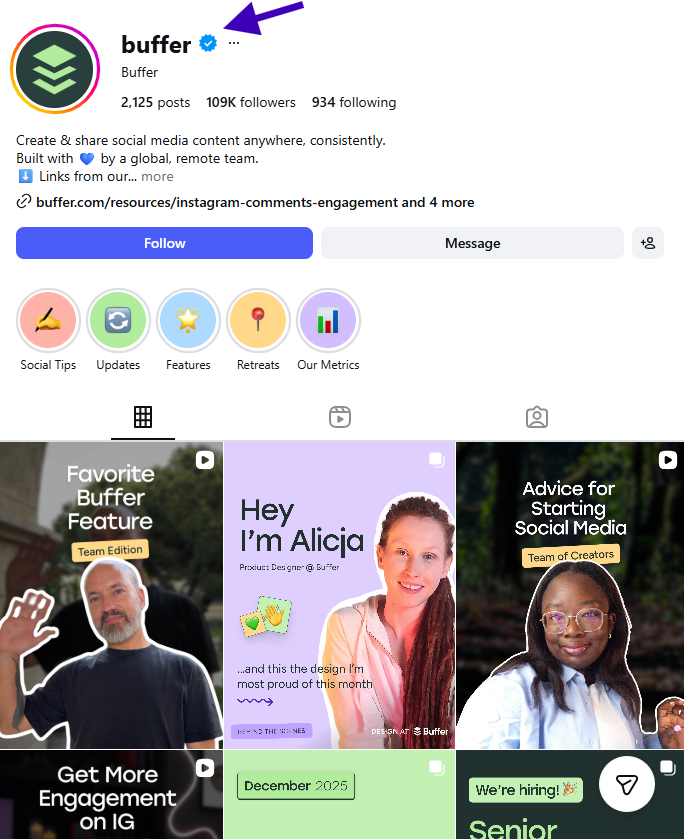
Understanding the Dual Nature of Instagram Verification
Today, the blue verification badge on Instagram can be obtained through one of two distinct avenues, each with its own set of requirements, benefits, and implications:
1. Meta Verified: The Subscription-Based Pathway
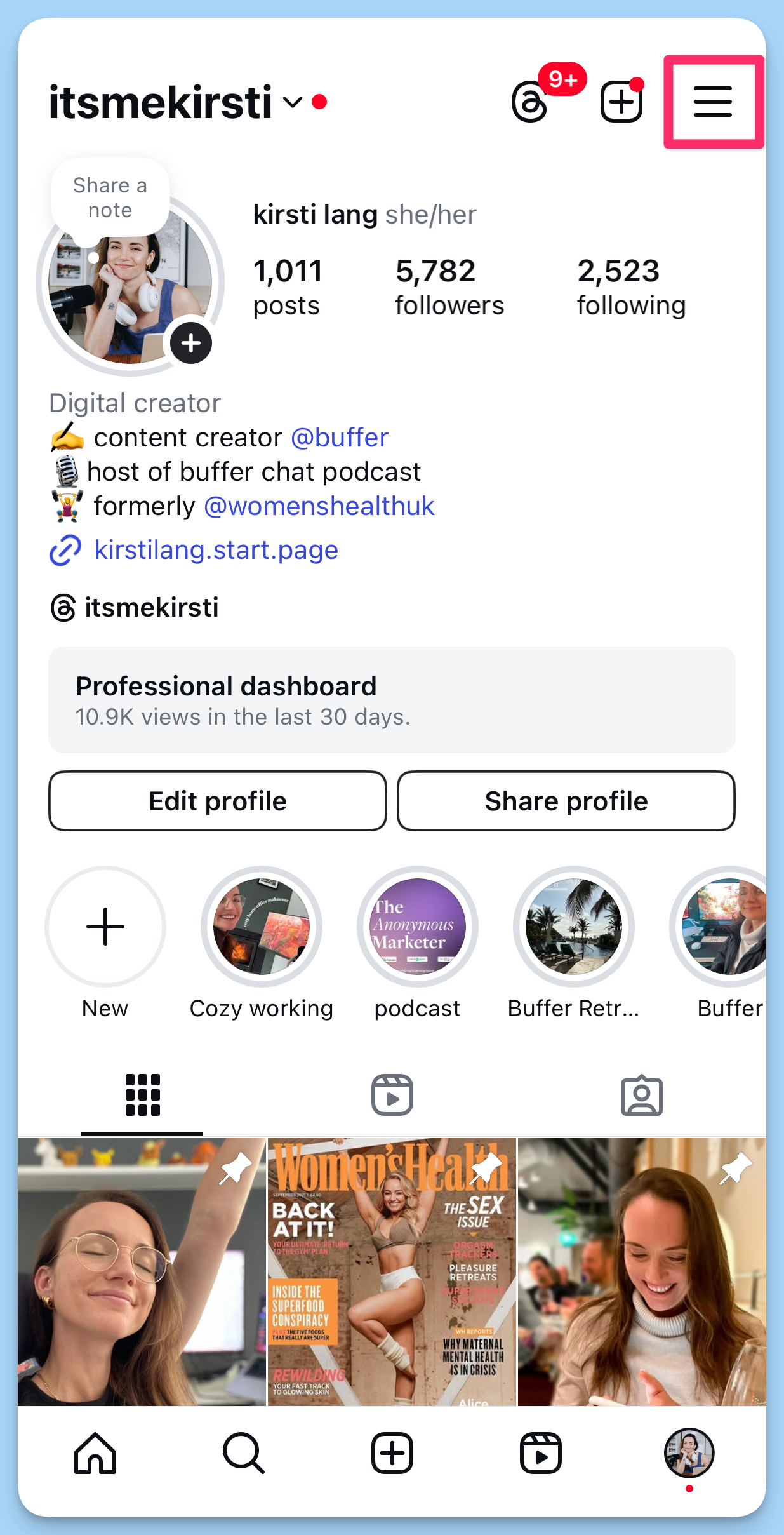
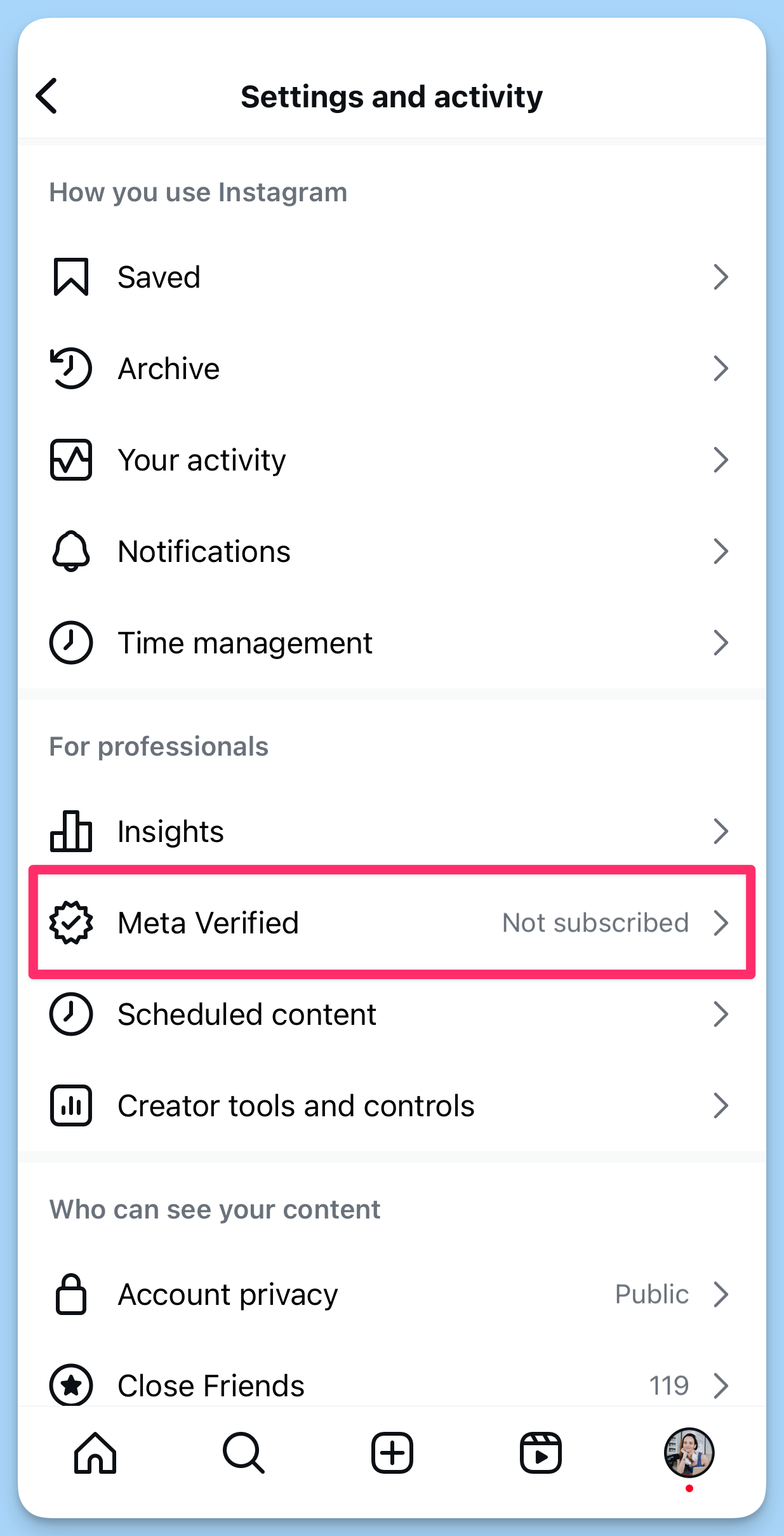
Meta Verified represents a significant shift towards a more inclusive verification model. For a monthly fee, currently starting at $14.99, eligible users can subscribe to a bundle of features designed to enhance their presence and security on Instagram.
- Eligibility Requirements: To qualify for Meta Verified, an individual must be at least 18 years old and possess a government-issued ID that matches the name and photo on their Instagram profile. The account must also have a public profile picture that includes their face, and a consistent posting history. For businesses, specific criteria and plans are available, focusing on official business documentation.
- Primary Purpose: The core objective of Meta Verified is to offer a proactive suite of tools for account validation and protection. It aims to empower a broader spectrum of users, particularly individual creators and small businesses, to establish a credible online presence without needing to achieve widespread traditional media notability.
- Key Benefits:
- Verified Badge: The most visible benefit, signaling authenticity to followers.
- Enhanced Impersonation Protection: Proactive monitoring for accounts attempting to impersonate the subscriber, offering a crucial layer of security against identity theft and reputation damage.
- Direct Account Support: Access to a dedicated support agent for common account issues, a significant advantage over standard customer service channels, often available 24/7 via email or chat.
- Increased Visibility and Reach: While not explicitly guaranteeing algorithmic boosts, Meta states that subscribers may see increased visibility in certain areas like comments, search results, and recommendations, helping their content reach a wider audience.
- Exclusive Features: Subscribers gain access to unique stickers for Stories and Reels, and potentially other upgraded profile features such as custom link images, further personalizing their digital presence.
- Implications: Meta Verified democratizes access to the blue check, making it attainable for a vast number of creators and businesses who are building their brands online. This move also serves as a new revenue stream for Meta, diversifying its business model beyond advertising. From a user perspective, it offers peace of mind through enhanced security and support, crucial for those who rely on their Instagram presence for their livelihood.
2. Notability-Based Verification: The Traditional Free Pathway
This pathway adheres to the original spirit of Instagram verification, reserving the blue badge for accounts that represent genuinely public figures, brands, or entities recognized for their public interest and notability.
- Eligibility Requirements: This path is significantly more challenging. Accounts must be:
- Authentic: Represent a real person, registered business, or entity.
- Unique: Be the sole official presence of the person or business (exceptions made for language-specific accounts).
- Complete: Have a profile picture, a bio, and at least one post. The profile cannot contain "add me" links to other social media services.
- Notable: Represent a well-known, highly searched-for person or entity. Instagram explicitly states it reviews accounts featured in multiple news sources, and paid or promotional content does not count towards this criterion.
- Primary Purpose: To confirm the authenticity of accounts that hold significant public interest, helping users identify authoritative sources and genuine public figures.
- Key Benefits:
- Authenticity and Credibility: The badge unequivocally signifies that the account is the official presence of a recognized public figure or entity, lending immense credibility.
- Anti-Impersonation: While not offering the proactive monitoring of Meta Verified, the badge still acts as a strong deterrent against impersonators.
- The Application Process: Requesting this free verification is done directly through the Instagram app. Users navigate to Settings > Account > Request Verification. They are required to provide a government-issued photo ID (for individuals) or official business documents (for businesses), and then demonstrate their notability by submitting links to articles or media mentions from reputable news organizations.
- Challenges and Tips for Success: Achieving notability-based verification is often an arduous process. Instagram’s review is stringent, and many legitimate requests are initially denied.
- Consistent Activity and Audience Growth: While follower count is not a direct requirement, a robust and engaged audience often correlates with notability. Consistently posting high-quality content and actively engaging with the community helps build a strong profile.
- Strategic Media Mentions: The most critical factor is widespread, legitimate media coverage. This means being featured in reputable news outlets for genuine reasons, not through paid advertisements or sponsored content. Public relations efforts can be instrumental here, focusing on genuine newsworthy angles that attract organic press coverage.
- Strategic Application Timing: Applying when there’s a surge in public interest, such as after a significant achievement, a viral piece of content, or recent major media coverage, can improve the chances of success.
- Persistence: Rejection is common. Applicants can reapply after 30 days, using the interim period to strengthen their profile, garner more media attention, and refine their application.
Comparative Analysis: Meta Verified vs. Notability-Based Verification
| Feature | Meta Verified | Verified badge (notable) |
|---|---|---|
| Cost | $14.99 per month (individual creators) | Free |
| Eligibility | 18+, ID verification, active subscription, profile image | Public interest, notability, authentic, unique, complete |
| Primary Purpose | Validation, enhanced account protection, direct support | Authenticity for public figures/entities |
| Key Benefits | 24/7 email/chat support, proactive impersonation defense | Authenticity, credibility, anti-impersonation |
| Extra Perks | Upgraded profile features, exclusive stickers, increased visibility | None |
| Application Timeframe | Usually within 48 hours | Up to 30 days |
| Revocability | Can be lost if subscription lapses or terms violated | Can be lost if terms violated or notability diminishes |
The fundamental distinction lies in the underlying premise: Meta Verified is a service offering enhanced features and security for a fee, while notability-based verification is a recognition of established public interest. While both result in the same blue badge, Meta’s communication strategy aims to make this difference clear to users, though the visual commonality can sometimes lead to ambiguity regarding the "status" aspect.
Broader Impact and Implications
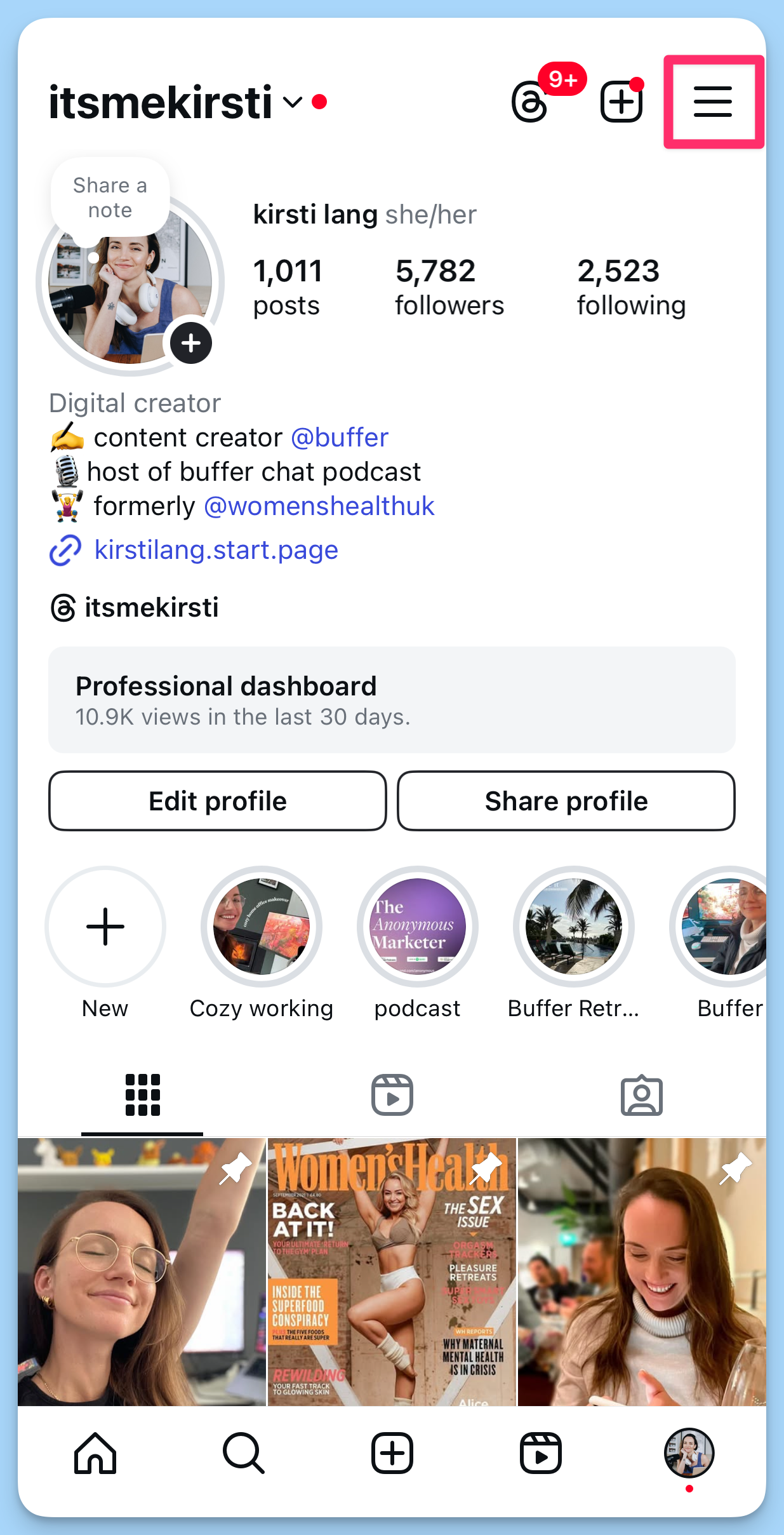
The dual-path verification system has several significant implications for Instagram’s ecosystem:
- Redefining Credibility: The introduction of a paid verification tier inevitably sparks debate about the meaning of the blue checkmark. Does it still signify the same level of public importance when it can be purchased? Meta argues that both paths contribute to authenticity – one through documented public recognition, the other through verified identity and commitment to platform standards. However, user perception may take time to adapt to this nuanced distinction.
- Empowering the Creator Economy: Meta Verified significantly lowers the barrier to entry for smaller creators and businesses seeking to establish authority and trust. This can foster a more vibrant creator economy by providing essential tools for growth and security, allowing emerging talents to compete more effectively with established figures.
- Enhanced Platform Security and Trust: By expanding verification, Meta aims to make the platform safer. The enhanced impersonation protection offered by Meta Verified is a powerful tool against fraudulent accounts, which are a persistent problem across social media. By verifying more users, Meta can create a more trustworthy environment for information dissemination and interaction, particularly crucial in an era of rampant misinformation.
- Meta’s Business Strategy: Meta Verified represents a strategic move to diversify Meta’s revenue streams. In an increasingly competitive digital advertising market and amidst privacy policy changes impacting ad targeting, subscription services offer a more stable and predictable income. This aligns with a broader industry trend of platforms seeking direct financial contributions from their most active users and content creators.
- User Experience and Clarity: Meta faces the challenge of clearly communicating the distinction between the two types of verified badges to its vast user base. While the blue check remains visually consistent, educating users about the different criteria behind it is essential to maintain trust and avoid confusion.
Official Responses and Future Outlook
Meta has consistently articulated that the primary goal of Meta Verified is to enhance authenticity and security across its platforms, providing value to creators and fostering a safer online environment. "The idea here is to help creators, and other people, build trust with their communities and build a presence more easily," Meta CEO Mark Zuckerberg stated upon the initial announcement. The company emphasizes that the free, notability-based verification will continue to exist for historically significant public figures, ensuring that the original intent of the badge is preserved alongside the new, more accessible offering.
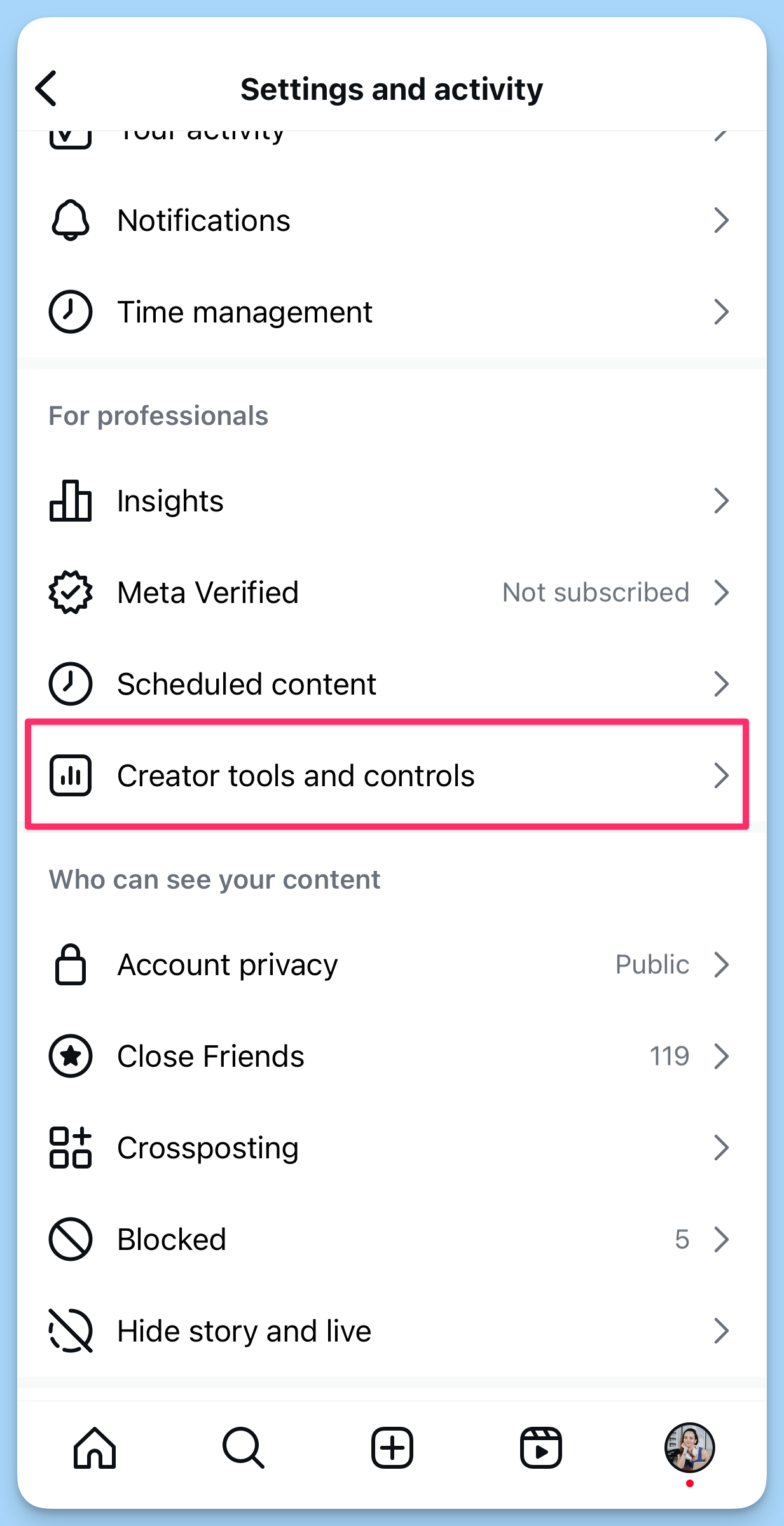
Looking ahead, the landscape of digital verification is likely to continue evolving. As AI-driven impersonation technologies become more sophisticated, the need for robust identity verification and proactive account protection will only increase. Platforms like Instagram are expected to further refine their verification processes, potentially introducing new tiers or features to address emerging challenges and user needs. The current dual-path system on Instagram stands as a testament to this ongoing evolution, balancing the historical significance of public notability with the contemporary demands for broader access, enhanced security, and sustainable business models in the ever-changing digital realm. The blue checkmark, whether earned through fame or subscription, remains a critical component in the complex tapestry of online identity and trust.