 Cintya Tara Annisa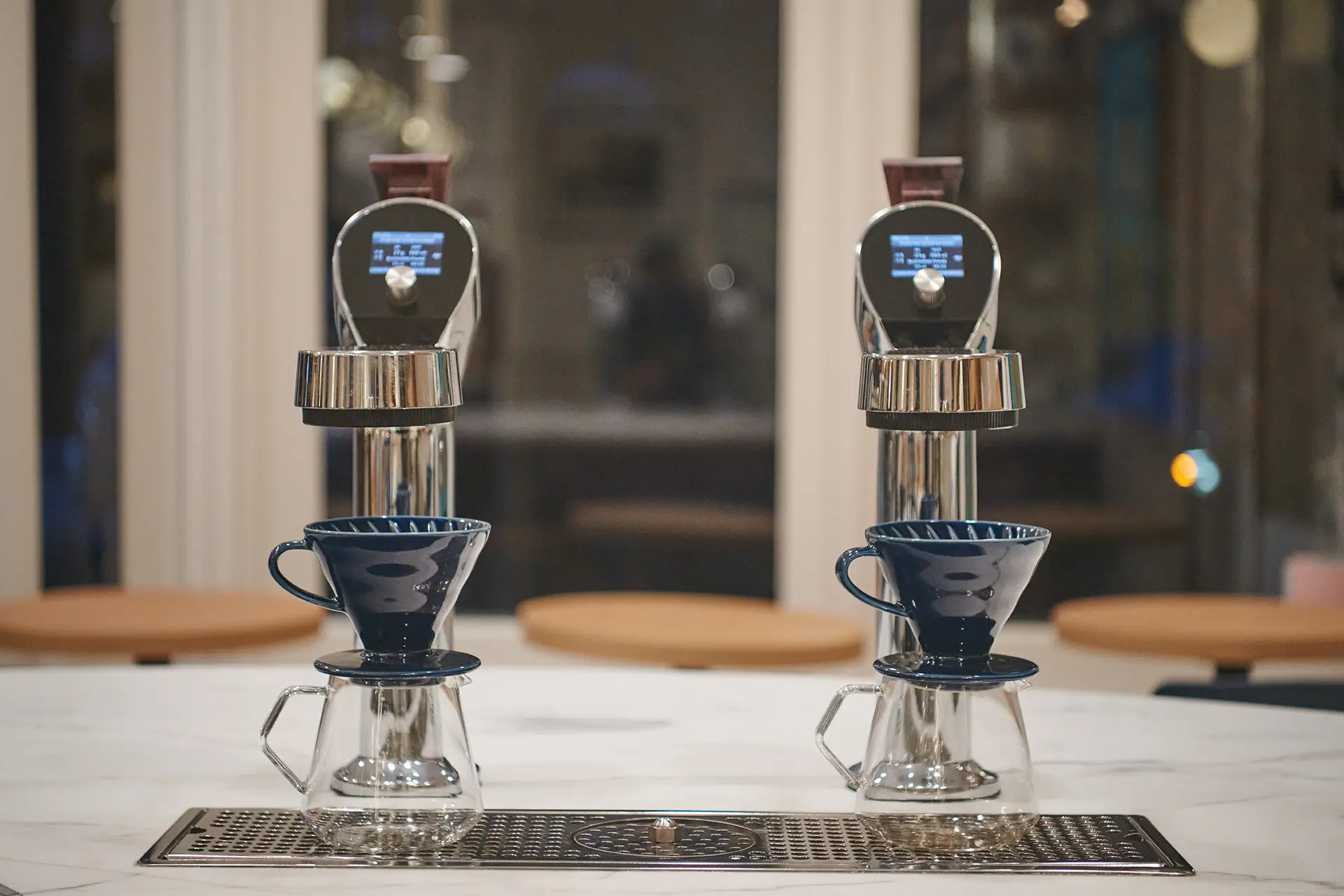
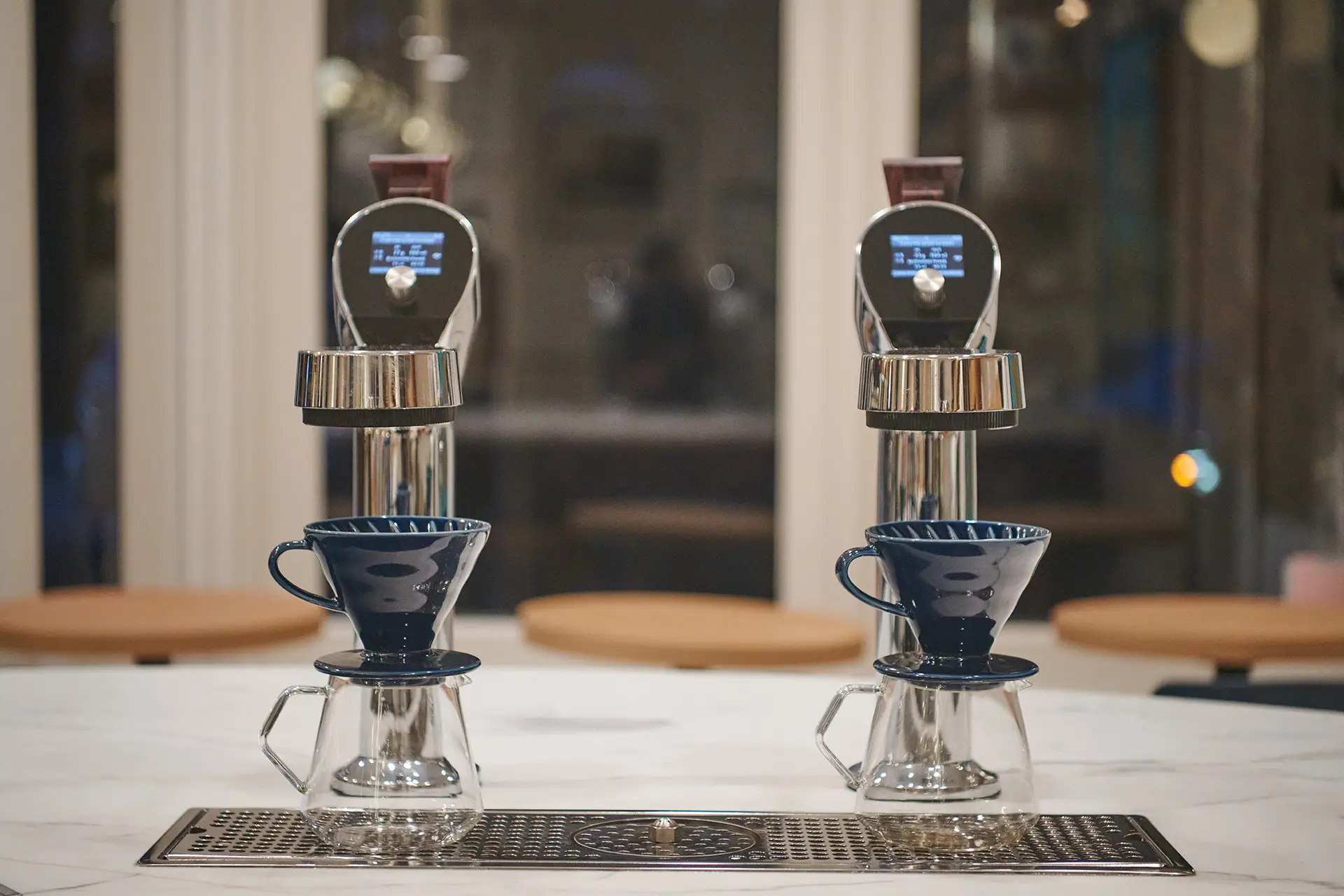
Partners Coffee, a cornerstone of the New York City specialty coffee movement, officially inaugurated its latest retail flagship at 145 Bedford Avenue on February 6, 2026. This expansion marks a significant milestone for the independently owned, small-batch roaster, returning the brand to the heart of Williamsburg, just blocks from its original 2012 roastery and cafe. The opening represents not only a physical expansion but a sophisticated evolution of the brand’s service model, integrating cutting-edge brewing technology, a full-scale culinary program, and a design philosophy that bridges contemporary minimalism with the gritty historical narrative of North Brooklyn.
The Bedford Avenue location arrives at a pivotal moment for the specialty coffee industry in New York City. As the market matures, established players like Partners Coffee are increasingly focusing on "experiential retail"—spaces designed to foster community interaction and provide deep-dive educational opportunities for consumers. The new cafe, situated on a prominent corner, utilizes a wrap-around outdoor seating area and an expansive interior layout to anchor itself as a neighborhood hub.
A Legacy of Brooklyn Craftsmanship
Founded in 2012, Partners Coffee—formerly known as Toby’s Estate Brooklyn before a comprehensive rebranding in 2019—has been instrumental in the "third wave" coffee movement. The company’s trajectory has mirrored the transformation of Williamsburg from an industrial enclave into a global center for culture and commerce. Over the past 14 years, the brand has scaled its operations to include a thriving wholesale division, state-of-the-art training labs, and five retail locations across Manhattan and Brooklyn.
The opening of the Bedford Avenue site is a strategic move to reinforce the brand’s dominance in its home borough. According to Claire Frost of Partners Coffee, the space at 145 Bedford Avenue was selected specifically for its proximity to the original North 6th Street flagship. The intention was to create a "continued dedication" to their roots while elevating the coffee experience through architectural transparency and specialized service.
Architectural Design and Historical Context
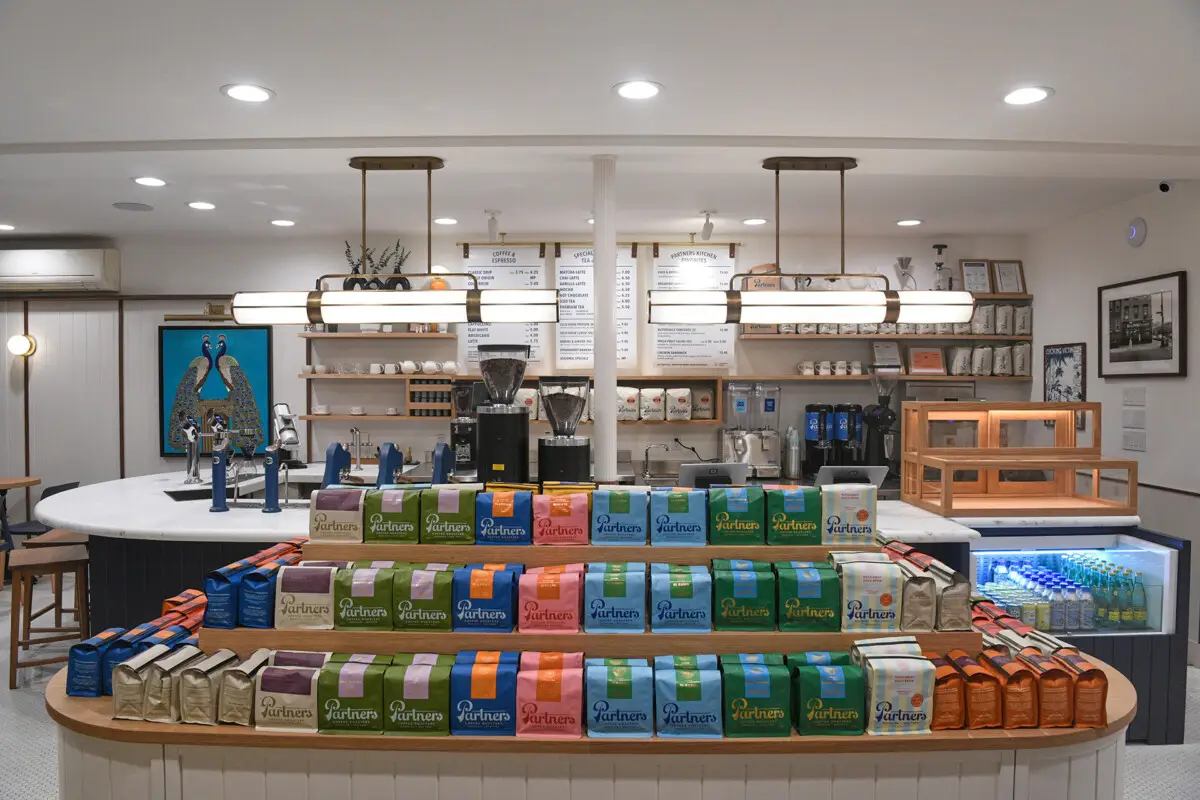
The build-out of the Bedford Avenue cafe was a collaborative effort involving Vural Design and LCM Construction, with project oversight by Allie Caran. The aesthetic is defined by clean lines, natural light, and high-end materials, most notably the large marble pour-over bar that serves as the room’s focal point. This bar was designed to lower the barrier between the barista and the customer, encouraging dialogue about the brewing process and the specific origins of the coffee being served.
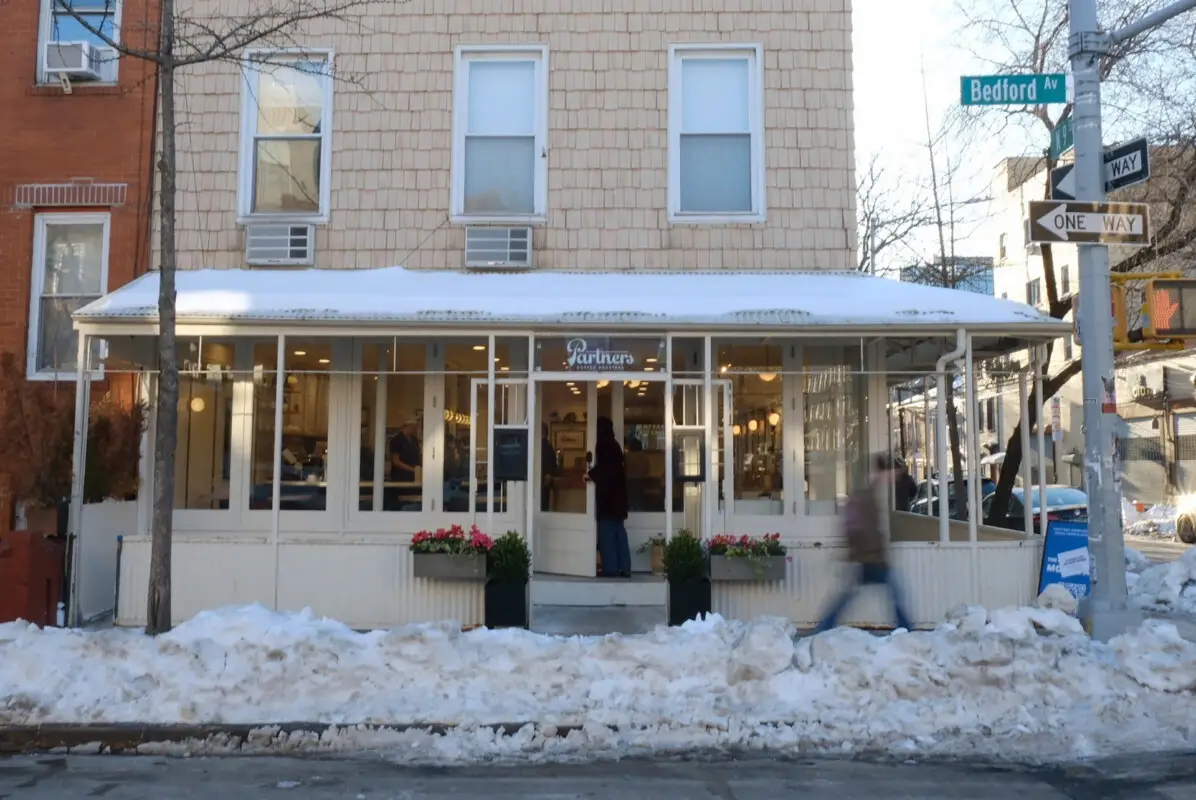
A defining feature of the interior is its acknowledgment of the site’s historical identity. The walls display a large-scale photograph by renowned photographer Anders Goldfarb, capturing the building as it appeared in the 1980s when it housed Belinda’s Lounge. The image prominently features a hand-painted sign for "TOPLESS GO-GO GIRLS," serving as a stark, artistic contrast to the modern, polished environment of the specialty coffee bar. This inclusion reflects a broader trend in New York retail design where brands seek to preserve and honor the "old New York" soul of their neighborhoods amidst rapid gentrification.
Technical Innovation: A First for the United States
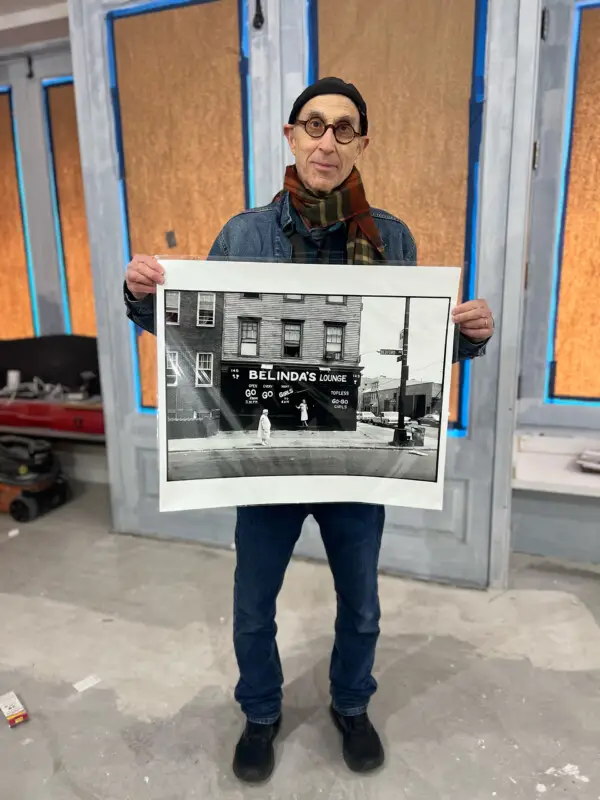
The Bedford Avenue location distinguishes itself through a significant investment in coffee technology, most notably the installation of the Modbar Pour-Over 2.0 system. Partners Coffee is the first establishment in the United States to implement this specific iteration of the Modbar technology. The system, which was dialed in by industry expert Cary Wong, allows for extreme precision in water temperature and flow rate, enabling the staff to execute complex single-origin extractions with a level of consistency previously difficult to achieve in a high-volume environment.
The main espresso station features a three-group, two-steam Modbar setup, finished in a custom "midnight blue" paint job by Legacy Coffee Tech. This under-counter espresso system removes the visual "wall" of a traditional espresso machine, further emphasizing the brand’s commitment to open communication between staff and guests. Supporting the espresso program are two Mahlkönig E80 GBW (Grind-by-Weight) grinders and one E65 GBW, which utilize real-time scale technology to ensure dose accuracy within a tenth of a gram.
For the expanded single-origin menu, the cafe utilizes a Weber Workshops EG-1 grinder, a piece of equipment typically reserved for high-end home enthusiasts or laboratory settings due to its meticulous grind quality. The batch brew program is supported by a FETCO CBS-2232-NG paired with a Mahlkönig EK43, while a Marco FRIIA tap system provides dedicated water delivery for the tea and matcha stations.
Sustainable Sourcing and the "Secret Process"
The coffee program at Bedford Avenue reflects Partners’ long-standing commitment to "relationship sourcing." This model moves beyond fair trade certifications by establishing multi-year contracts directly with producers, ensuring financial stability for the farms and consistent quality for the roaster.
A highlight of the opening menu was the "Suke Quto Secret Process" coffee from the Guji region of Ethiopia. Partners has maintained a 14-year relationship with Tesfaye Bekele, the founder of the Suke Quto farm. While Bekele’s fully washed coffees are staples of the Partners menu, the "Secret Process" lot represents the farm’s experimental edge. The specific processing methods remain undisclosed, but the coffee is part of a larger initiative to fund forest conservation efforts in Ethiopia.
This dedication to quality and ethics was recently recognized when another selection from Suke Quto was named a winner in the 2026 Good Food Awards. The award evaluates products based on a rigorous vetting process that includes blind tastings as well as an audit of labor practices, environmental stewardship at the farm level, and waste reduction strategies at the roasting facility.
Culinary Expansion and Sustainability Efforts
Moving beyond the traditional cafe model, the Bedford Avenue location features a full commercial kitchen. This allows the brand to offer a "thoughtful brunch menu" designed to complement its beverage program. Signature drinks such as the yuzu vanilla latte and the espresso mint julep signify a move toward "coffee mixology," catering to a consumer base that increasingly views coffee as a craft beverage on par with fine wine or cocktails.
Sustainability remains a core pillar of the operation. To combat the environmental impact of single-use plastics and paper, Partners has emphasized a "to-stay" experience. The cafe utilizes premium ceramics, including pour-over and tea serviceware from Kinto and custom drinkware for espresso beverages from Service Projects.
The company’s broader sustainability strategy involves "comprehensive purchasing." By sourcing both high-scoring microlots and larger volumes of blending components from the same producers, Partners ensures that they are supporting the entire output of a farm, rather than just the top tier. This holistic approach provides a more sustainable economic path for coffee growers who often struggle to sell their lower-scoring but still high-quality harvests.
Industry Impact and Market Analysis
The opening of Partners Coffee on Bedford Avenue is indicative of a wider trend in the $45 billion U.S. coffee shop market, where premiumization and technical precision are becoming the primary drivers of growth. According to industry data, the specialty coffee segment has seen a 20% increase in market share over the last decade, with New York City remaining the epicenter of innovation.
By integrating high-end equipment like the Weber Workshops EG-1 and the Modbar 2.0, Partners is positioning itself at the top of the "super-specialty" tier. This strategy targets a demographic that is increasingly knowledgeable about coffee varietals (such as Caturra, Bourbon, and Ethiopian Heirlooms) and processing methods.
Furthermore, the collaboration with specialized craftspeople—such as Helt Studios for custom uniforms and Legacy Coffee Tech for equipment customization—highlights the interconnected "craft economy" that has grown alongside the specialty coffee industry. These partnerships allow brands to create a cohesive, branded environment that appeals to the aesthetic sensibilities of a modern urban audience.
Conclusion
The successful launch of the Bedford Avenue cafe serves as a testament to Partners Coffee’s resilience and adaptability. From its beginnings as a small Brooklyn roastery to its current status as a leader in the national specialty coffee scene, the company has remained focused on its core values of integrity, community, and quality.
As the brand enters its 15th year, the Bedford Avenue flagship stands as a model for the future of urban coffee retail: a space that honors its historical surroundings, pushes the boundaries of brewing technology, and maintains a steadfast commitment to the global communities that produce its coffee. For the residents of Williamsburg, it is a return to form for a local favorite; for the coffee industry at large, it is a benchmark for excellence in the modern era.