Over the past three months, a dedicated product marketer at Buffer has engaged in extensive, unhurried conversations with more than a dozen agency owners and operators worldwide. These dialogues, often requiring unusual hours due to geographical dispersion, offer a unique and unfiltered window into the intricate operations of small businesses, a perspective frequently more authentic than polished LinkedIn profiles suggest. These interactions form the bedrock of Buffer’s continuous product development, underscoring its commitment to serving the social media agency ecosystem.
Agencies and freelance professionals represent a vital segment of Buffer’s user base, often described as the "lifeblood" of the platform. These entities are recognized as genuine experts in social media, frequently possessing a more current understanding of platform nuances than even Buffer’s internal teams, owing to their daily, client-facing engagement across diverse social channels. Their adoption of Buffer often stems from organic word-of-mouth recommendations, such as one instance where a Buffer sticker on a stranger’s laptop in a Portland café sparked a new agency’s journey with the platform. Once integrated, Buffer typically becomes an indispensable component of their operational infrastructure, meaning every functional requirement is met with serious consideration and iterative improvement by the Buffer team.
The insights gleaned from these comprehensive discussions highlight the extensive utility agencies derive from Buffer and pinpoint the specific features they rely upon most heavily. This article consolidates these findings, offering an in-depth tour of every team feature currently available within Buffer’s team plan and outlining the strategic roadmap for future enhancements, all designed to bolster agency efficiency, collaboration, and security in an increasingly complex digital landscape.
The Evolving Landscape of Social Media Agencies and Buffer’s Role
The social media marketing industry has witnessed exponential growth over the past decade, transforming from a nascent niche into a cornerstone of modern business strategy. Agencies, large and small, are at the forefront of this evolution, navigating ever-changing algorithms, platform functionalities, and client expectations. This dynamic environment presents a unique set of challenges: managing multiple client accounts across various platforms, ensuring seamless team collaboration, streamlining content approval workflows, providing comprehensive performance reporting, and maintaining robust account security.

Buffer, a long-standing player in the social media management space, has evolved significantly since its inception. Initially known for its simple, effective scheduling capabilities, it has progressively expanded its feature set to address the sophisticated needs of professional marketing teams. The current emphasis on agency-specific tools reflects a strategic understanding that these businesses require more than just scheduling; they need an integrated ecosystem that supports their entire operational lifecycle, from ideation to analytics and client communication. By engaging directly with agency owners, Buffer gains invaluable, real-world feedback, allowing it to build features that genuinely solve problems rather than merely adding functionalities. This collaborative approach ensures that the platform remains highly relevant and competitive in a crowded market, catering precisely to the nuanced demands of its expert users.
Streamlining Content Planning and Workflow Management
Effective content planning is the cornerstone of any successful social media strategy. Agencies, managing multiple clients and diverse campaigns, require robust tools to organize ideas, track progress, and maintain a consistent publishing schedule. Buffer’s team plan introduces several features specifically designed to streamline these critical processes.
The Ideas Library serves as a centralized repository for content concepts, ensuring that no creative spark is lost. Integrated with a flexible Kanban board, it allows rough thoughts to progress through various stages — from initial concept to ready-to-publish — with clear visual cues. This system facilitates seamless handoffs between team members, such as a content creator drafting in the morning and another editor finalizing in the afternoon, preventing content from falling through the cracks or getting lost in disparate notes applications. This structured approach is crucial for agencies handling high volumes of content, reducing administrative overhead and increasing creative output.
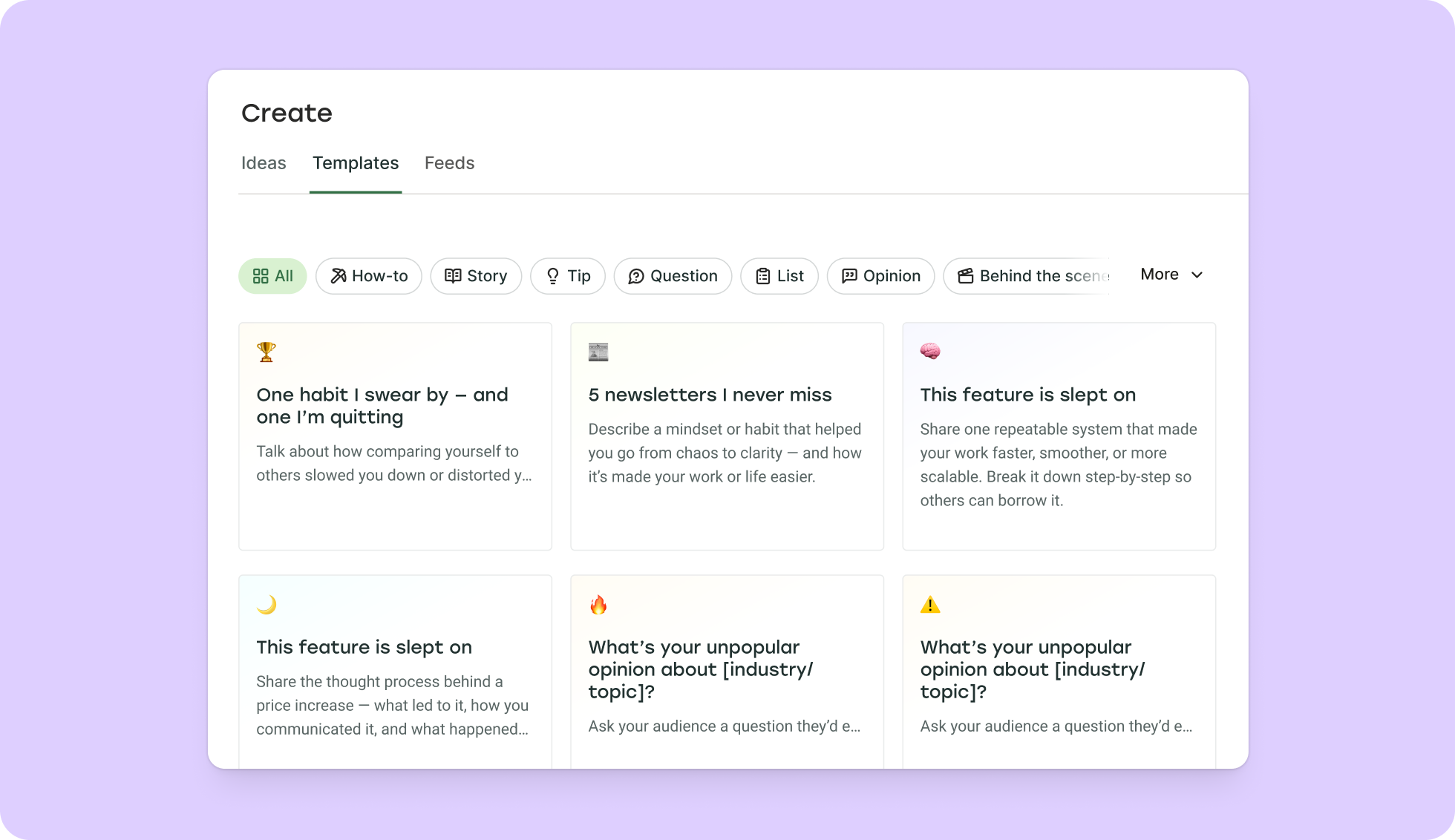
Beyond ideation, tags enable sophisticated content organization. Teams can categorize content by campaigns, overarching topics, or client-specific buckets, aligning the platform’s organization with their internal operational logic. This flexibility ensures that content remains discoverable and manageable, even as an agency scales its client roster. Furthermore, templates offer a significant efficiency boost by allowing agencies to save and reuse proven post formats that consistently drive engagement. This feature is particularly valuable for recurring client content, ensuring brand consistency and accelerating content creation without reinventing the wheel for every post.
Once content is in motion, the content calendar provides a holistic, single-view perspective of the entire publishing schedule. Agencies can filter this calendar by brand, client, channel, or campaign, offering granular control and visibility. This allows teams to visualize weeks or even months ahead, identify potential content gaps, and strategically plan future campaigns. The ability to see the complete content landscape at a glance empowers agencies to proactively manage client expectations, optimize publishing frequencies, and ensure a balanced content mix across all managed profiles.

Enhancing Team Collaboration and Scalability
Collaboration is paramount for agencies, which often involve diverse teams comprising strategists, designers, copywriters, and project managers, along with external freelancers and clients. Buffer’s approach to team collaboration is designed to eliminate common bottlenecks and facilitate seamless interaction.
A standout feature of every Buffer team plan is the provision of unlimited users. This policy directly addresses a significant pain point for many agencies: the prohibitive cost and logistical nightmare of per-seat pricing models prevalent in many competing platforms. One Buffer customer, for example, manages over 70 social channels for more than 60 senior living communities. Their previous platform’s restrictive seat cap forced them to resort to insecure login sharing, a practice rife with security risks and operational inefficiencies. Moving to Buffer’s unlimited user model meant every team member could have their own secure account, dramatically improving accountability and workflow integrity. This scalability is critical for agencies experiencing rapid growth or those managing large, distributed teams, ensuring that expansion does not incur disproportionate software costs.
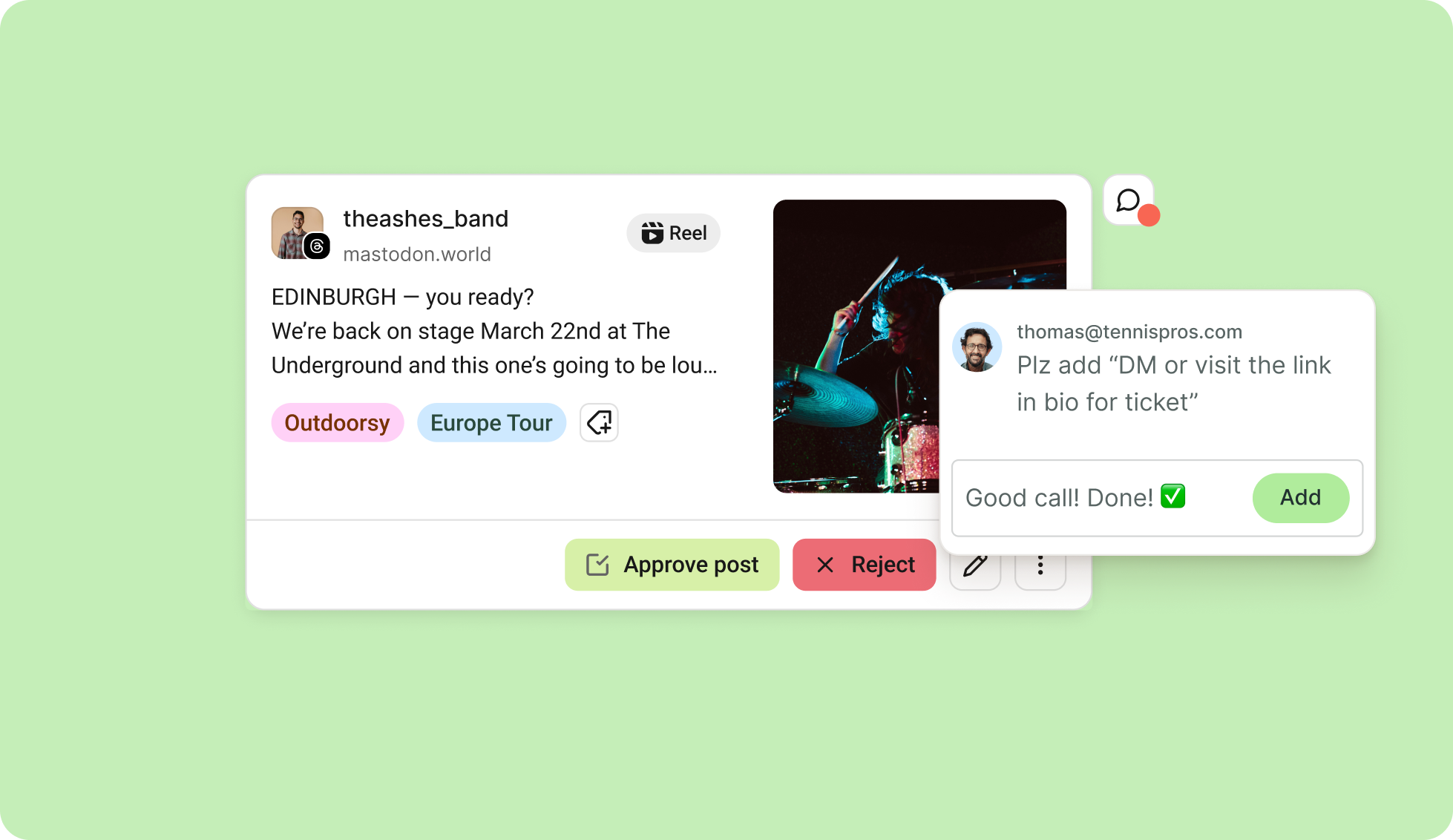
Granular permissions further refine team collaboration by allowing administrators to scope access levels precisely to individual roles. Team members can be granted read-only access for oversight, specific publishing rights for designated channels, or be integrated into approval workflows for drafts. This flexibility is invaluable when working with junior staff, external contractors, or clients who need visibility and input without full administrative control over the entire account. While many agencies still conduct final client approvals outside Buffer (using tools like Google Docs or email), those who have transitioned to in-platform approvals report a significant reduction in post-publication errors. Recognizing the barrier clients face in creating new accounts, Buffer is actively developing a "Guest Access" feature to simplify this process, allowing stakeholders to approve content without needing a full Buffer login.
For internal feedback loops, Buffer allows team members to drop comments directly on posts within the platform. This centralizes communication, ensuring that feedback lives with the content itself, rather than being scattered across fragmented Slack threads or email chains that are easily overlooked. Once content is published, the community inbox aggregates comments and replies from all connected channels into a single, unified view. This eliminates the need for team members to constantly switch between five or more native social media applications to monitor and engage with clients’ communities, significantly boosting responsiveness and community management efficiency.
Advanced Analytics and Client Reporting
In an era driven by data, demonstrating ROI and providing insightful performance reports are non-negotiable for social media agencies. Buffer’s analytics and reporting tools are crafted to meet these demands, offering clear, actionable insights for both internal teams and external clients.
The Insights dashboard provides a comprehensive view of performance across all connected social channels, with the flexibility to zoom into detailed metrics for a single channel when a client requires specific information. Crucially, these views are designed to be client-ready, eliminating the need for agencies to manually screenshot charts and reconstruct reports in external presentation software like Google Slides. This direct presentation capability saves significant time and ensures consistency in reporting.
Reports can be exported in multiple formats, including CSV, PDF, and Markdown. The Markdown export is particularly versatile, allowing for clean integration into project management tools like Notion or Linear, where many agencies compile client updates. Its structure is also highly compatible with AI assistants, enabling teams to feed a report to a tool like ChatGPT or Claude and quickly receive a written summary, a draft client email, or a list of actionable recommendations for the upcoming week, thereby leveraging artificial intelligence for deeper analysis and communication.
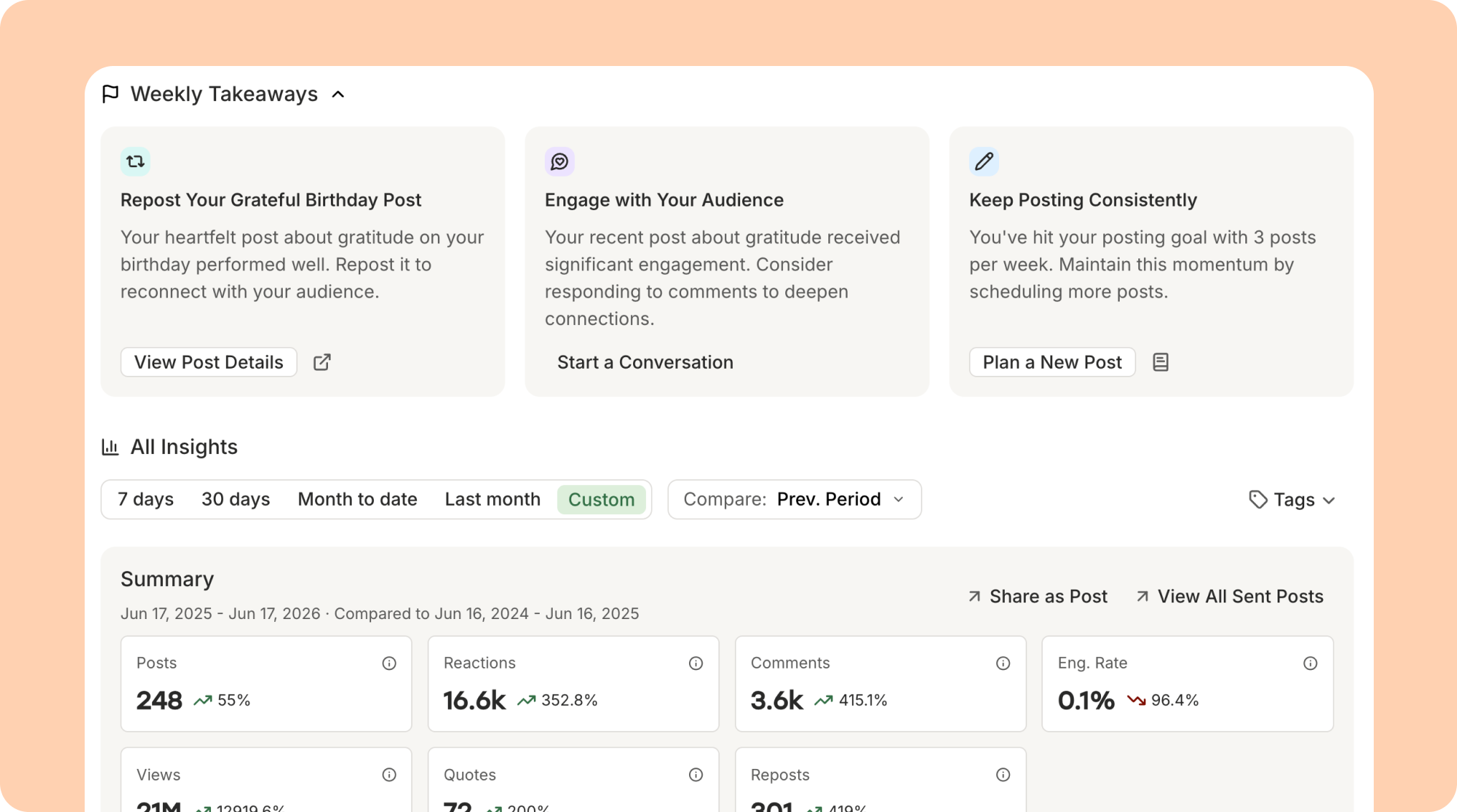
A newer addition to Buffer’s reporting suite is Takeaways. This feature moves beyond presenting raw data by analyzing each client’s performance data and surfacing personalized, actionable recommendations on what steps to take next. Instead of merely showing a chart, Takeaways provides concrete suggestions, shifting the focus from "here’s what happened" to "here’s what to try this week." This proactive guidance helps agencies optimize strategies continually and demonstrates a clear path to improvement for clients.
Robust Account Security and Trust
Agencies are entrusted with managing sensitive client accounts, making robust account security an absolute imperative. A single security vulnerability, such as a weak password, can expose multiple client brands to significant risk. Buffer has prioritized security enhancements to safeguard these critical assets.

The team plan now includes enforceable two-factor authentication (2FA). Administrators can mandate 2FA for every user on the account, ensuring that team members who have not yet set it up are prompted to do so upon their next login. This feature addresses a common challenge faced by agencies, where ensuring compliance with security protocols across a diverse team, including external collaborators, can be difficult. One agency customer managing a 15-channel non-profit account shared how she was on the verge of removing volunteer team members due to their repeated failure to enable 2FA. The enforcement mechanism transforms this "please enable it" battle into a system where 2FA is simply a non-negotiable requirement, significantly enhancing overall account security.
Beyond individual account security, Buffer’s SOC 2 compliance provides a higher level of assurance regarding its data security practices. This certification is increasingly vital for agencies pitching to larger corporate clients who often have stringent security requirements and due diligence processes. SOC 2 compliance covers the broader security conversation, demonstrating Buffer’s commitment to maintaining the highest standards for protecting client data and ensuring the integrity of its platform.
Seamless Integrations and API Flexibility
Modern marketing ecosystems thrive on interconnected tools. Agencies and brands that maximize Buffer’s potential often integrate it deeply into their existing technology stacks.
Buffer offers a suite of native integrations with popular tools such as Canva for design, Zapier and Make for automation, n8n for workflow orchestration, and Google Photos and Unsplash for media assets. These integrations cover a vast majority of common agency workflows, minimizing context switching and enhancing efficiency. For teams with unique or highly specialized content planning tools not on this list, the open Buffer API provides the flexibility to build custom integrations. This allows agencies to pull posts from a Notion board, sync data to a custom client dashboard, or integrate approval workflows directly into their project management systems. Marin Nedelev’s team, for instance, manages an impressive 77 channels across nine countries using Buffer. They specifically chose Buffer due to its API, which enabled them to build a bespoke cross-country reporting setup leveraging Google Sheets and n8n, avoiding the high costs of enterprise platforms that bundled unnecessary features.
Furthermore, Buffer has been strategically investing in AI-driven workflows. Its MCP server facilitates connections with leading AI agents like Claude and ChatGPT, enabling users to draft, schedule, and review posts through conversational interfaces rather than solely relying on traditional UI clicks. This innovative approach heralds a new era of efficiency in content creation, allowing agencies to harness the power of generative AI directly within their social media management processes.
For agencies that frequently recommend Buffer to their clients, the Buffer Partner Program offers a formal avenue to share in revenue. This program transforms organic recommendations into an additional income stream, further solidifying the partnership between Buffer and the agencies that champion its platform.
The Strategic Roadmap: Future Developments
Buffer’s commitment to agencies extends beyond its current feature set, with a clear and customer-centric roadmap for future enhancements. A key upcoming release is Guest Access, a direct response to consistent feedback from agency partners. This feature will allow clients to view and approve content without the friction of creating a full Buffer account. Agencies have repeatedly expressed the desire to simply send a link to a stakeholder—whether to the calendar, a draft, or a queue—without requiring that individual to navigate a new signup process or learn another tool. This will significantly streamline the client approval process, reducing barriers to collaboration and improving overall client experience.
Beyond Guest Access, Buffer is actively investing in several other critical areas over the next few quarters. These include further enhancements to reporting capabilities, improving client visibility within the platform, and refining team administration tools. As these features mature, Buffer pledges to share more details, demonstrating its ongoing dedication to evolving its platform in lockstep with the needs of its agency community.
Built Alongside the Agencies That Use Buffer
The extensive feature set and future roadmap outlined herein are largely a direct result of the continuous dialogue between Buffer’s product team and its agency users. Many functionalities trace their origins back to an agency’s specific request or a demonstration of a smarter workflow. These ongoing conversations are not merely anecdotal; they fundamentally shape Buffer’s development priorities and ensure that the platform remains a highly relevant and indispensable tool for social media professionals.
This partnership philosophy is also reflected in Buffer’s transparent and flexible pricing model. Buffer is priced per channel, not per seat, offering unparalleled scalability and cost-efficiency. This means agencies can add as many team members as required without incurring additional costs. When an agency secures a new client, they simply add their channels to the plan. Conversely, when an engagement concludes, those channels can be removed, and the associated costs decrease proportionally. This model ensures that agencies are never burdened with paying for idle headcount or for capacity that was only needed during a past busy season, providing financial agility that aligns directly with the fluctuating nature of agency work.
For agencies seeking a focused, powerful tool that seamlessly adapts to their growth and contraction cycles, Buffer presents a compelling solution. Whether users are already leveraging Buffer’s full potential or are discovering new features to implement, the platform is designed to empower efficient and effective social media management. Buffer extends its gratitude to the agencies that form its community; their invaluable feedback is the driving force behind its continuous innovation.
Agencies ready to optimize their social media workflows can get started for free or explore how Buffer specifically caters to their unique operational demands.