
 Indra Kusuma
The global hotel industry is currently experiencing a profound architectural shift, driven by the increasing adoption of adaptive reuse – the innovative strategy of repurposing existing, often disused, buildings for entirely new functions. This trend transcends mere architectural fashion, responding to a fundamental evolution in traveler preferences. Modern travelers, moving away from a traditional emphasis on accumulating material possessions, now actively seek distinct, immersive, and authentic experiences that resonate with a deeper sense of place and purpose. This paradigm shift has positioned adaptive reuse as a cornerstone of contemporary hospitality development.
The Strategic Imperative of Adaptive Reuse in Hospitality
The rationale behind adaptive reuse is multifaceted, addressing both environmental imperatives and evolving consumer demands. From an ecological standpoint, the strategy offers a critical solution to the rapid depletion of raw building materials. By utilizing the existing built environment, developers significantly reduce the demand for new resources, minimize construction waste, and often lower the carbon footprint associated with new builds. The hospitality sector, with its inherent need for compelling narratives and unique guest propositions, is particularly well-suited to articulate and champion this sustainable mindset. Beyond environmental benefits, adaptive reuse inherently provides a rich tapestry of historical and cultural "material" from which to weave captivating stories, precisely the kind of distinct narratives that today’s guests actively seek.
Data from various industry reports underscore the growing importance of sustainable practices and unique experiences. A 2023 report by JLL, a leading real estate services firm, highlighted that sustainable hotel practices are increasingly influencing guest booking decisions, with a significant percentage of travelers willing to pay a premium for eco-friendly accommodations. Furthermore, a recent survey by Booking.com indicated that 77% of global travelers want to travel more sustainably, and 69% believe sustainable travel is about preserving historical buildings. Adaptive reuse perfectly aligns with these dual demands, offering both environmental responsibility and an unparalleled sense of authenticity.
Dexamenes Seaside Hotel: A Masterclass in Transformation
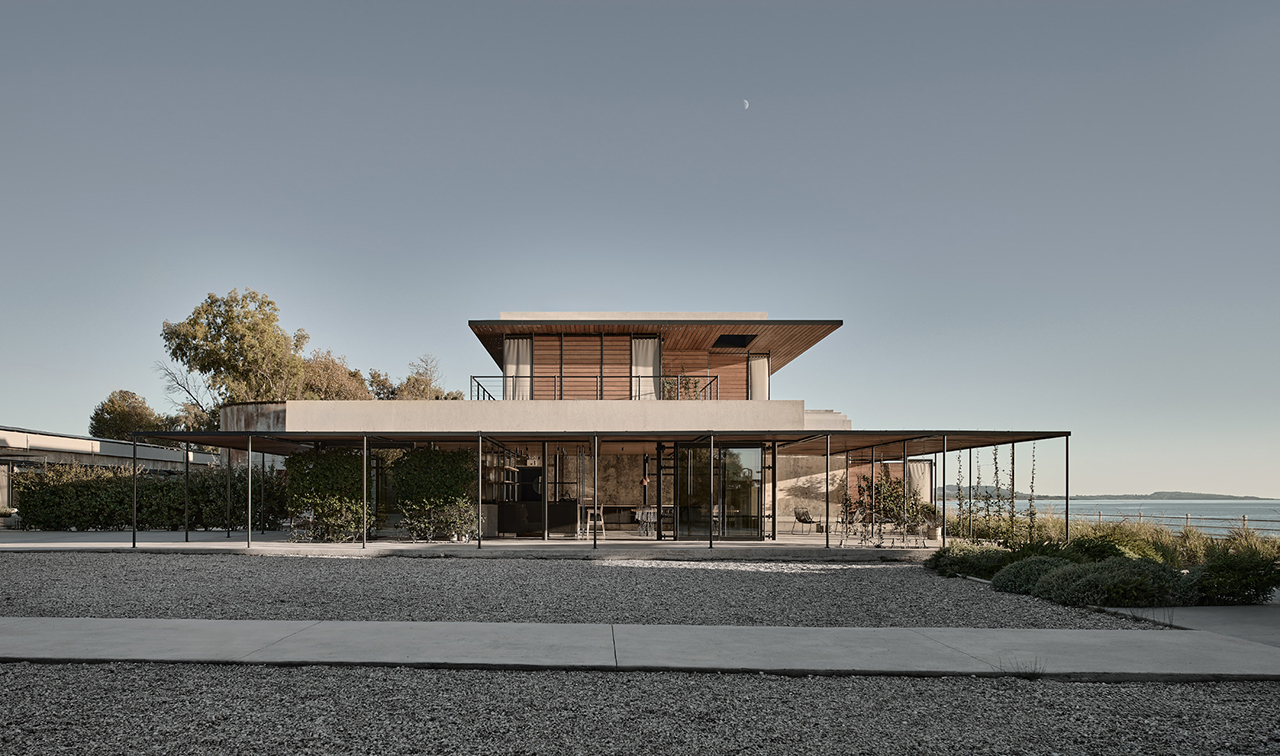
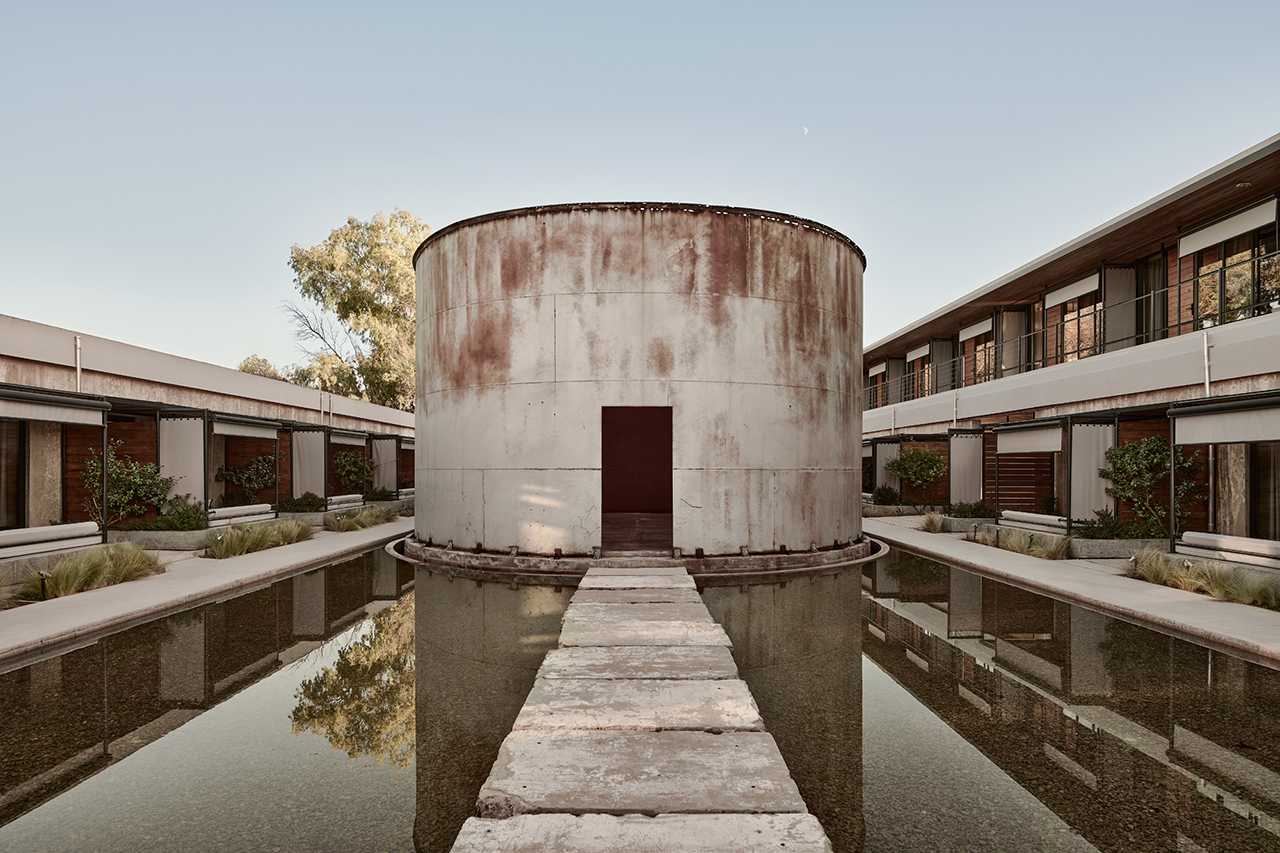
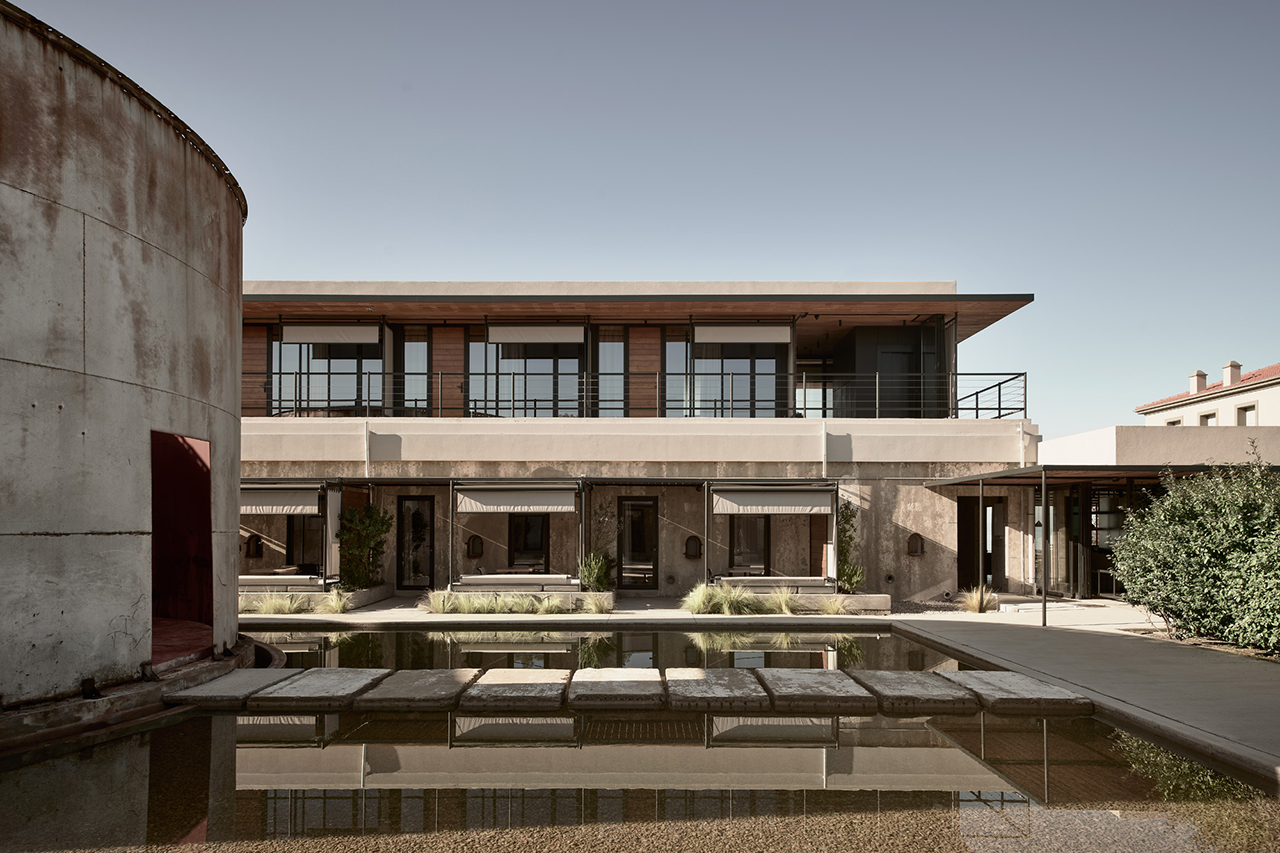
A shining exemplar of this transformative trend is the Dexamenes Seaside Hotel, nestled on the west coast of Greece’s Peloponnese Region, facing the Ionian Sea. This luxury resort, characterized by its sparingly decorated yet profoundly impactful design, stands as a testament to the power of adaptive reuse. What was once an industrial wine processing facility has been meticulously re-envisioned, its brutalist architecture surprisingly proving to be the ideal framework for showcasing the stunning natural landscape of its environs. The project embodies a modernist aim: to create near-seamless connections between indoor and outdoor spaces, a pursuit that aligns perfectly with the original facility’s robust, functional design.
The hotel’s origins are deeply rooted in the economic history of the region. Following Greece’s liberation in 1830, the Peloponnese experienced a boom in currant cultivation, which became the country’s primary export. However, by 1910, a dramatic collapse in demand forced local communities into an urgent economic pivot. Ingenuity led to the rapid development of a new wine-making industry. Dexamenes emerged as one of the pioneering processing facilities, strategically located near the sea to facilitate direct loading of wine from its massive tanks onto waiting ships. This period of industrial innovation, though tragically short-lived due to national unrest that began in the 1920s, left behind robust structures like Dexamenes. The facility lay untouched and unused for decades, a silent monument to a bygone era. Today, the strategy of repurposing these resilient structures has found renewed relevance and purpose.

K-Studio’s Vision: A Light-Touch, Surgical Approach
The transformation of the derelict wine factory into the Dexamenes Seaside Hotel began with a painstaking renovation process, culminating in its initial opening in 2019. Athens-based architecture firm K-Studio was at the helm, adopting what they describe as a "light-touch, surgical approach." This philosophy centered on preserving the intrinsic character of the original brutalist buildings while making precise, strategic interventions. For instance, portions of the thick concrete walls that were carefully cut out to create expansive floor-to-ceiling windows were not discarded but thoughtfully repurposed as terrace surfacing elsewhere within the project.
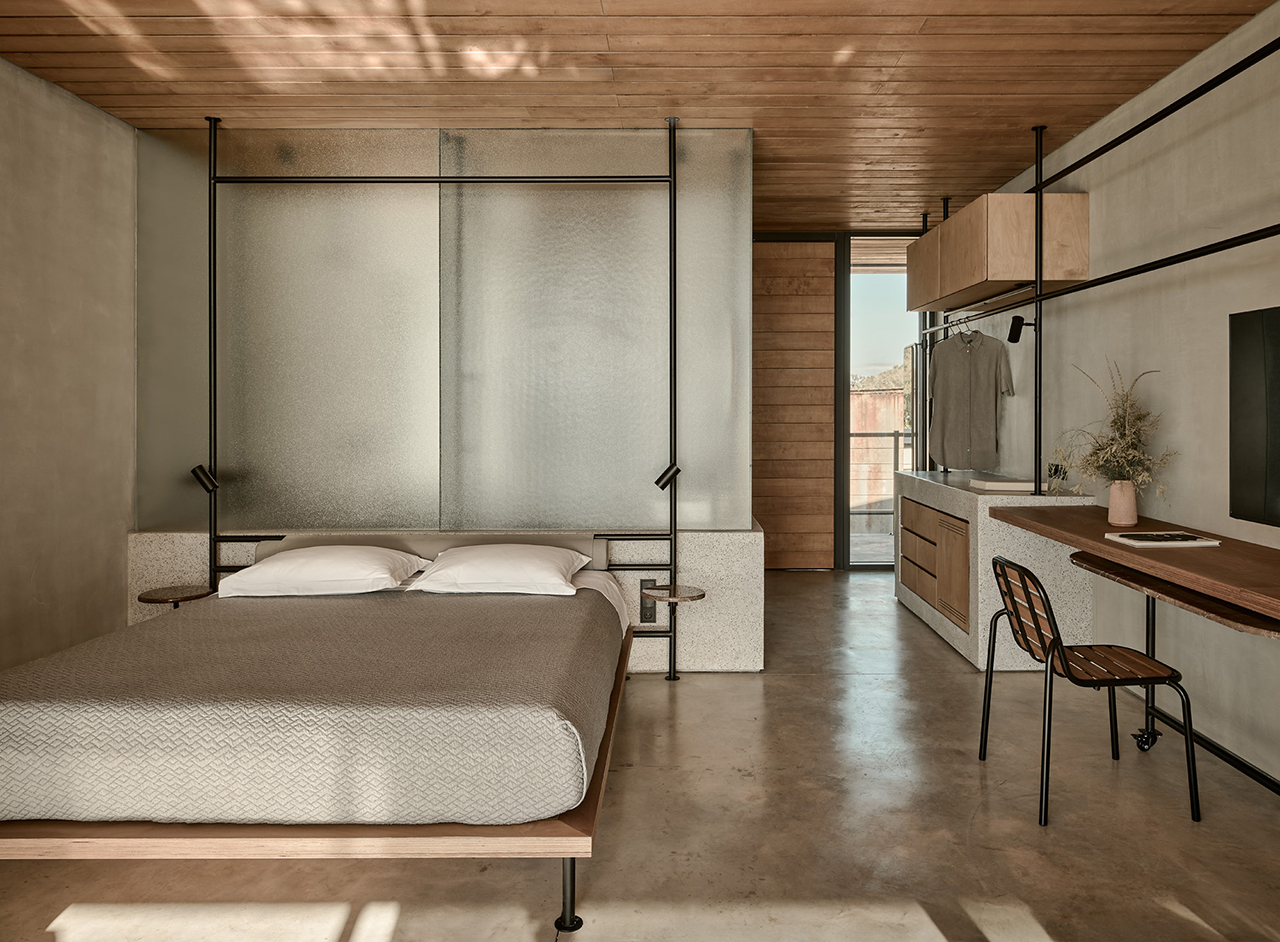
K-Studio’s design philosophy avoided superficial thematic overlays. There are no kitschy paintings of grapes or overt vine motifs on fabrics. Instead, the rich history of the site is expressed subtly through the unadulterated, carefully updated existing architecture. The industrial aesthetic, characterized by exposed concrete and a minimalist palette, is celebrated rather than concealed. Custom furnishings, often integrated into an "extra-skeletal" metal pipe system, appear to float above weathered surfaces and textured glass insert walls, maintaining a sense of lightness and contrast against the heavy concrete. This approach ensured that the brutalist structures were largely left intact, their inherent protective form now offering a sense of calm and sanctuary rather than industrial utility. A place once bustling with the hurried activity of wine processing and storage has been reborn as a tranquil retreat.
Evolving Experiences: New Suites and Culinary Innovations
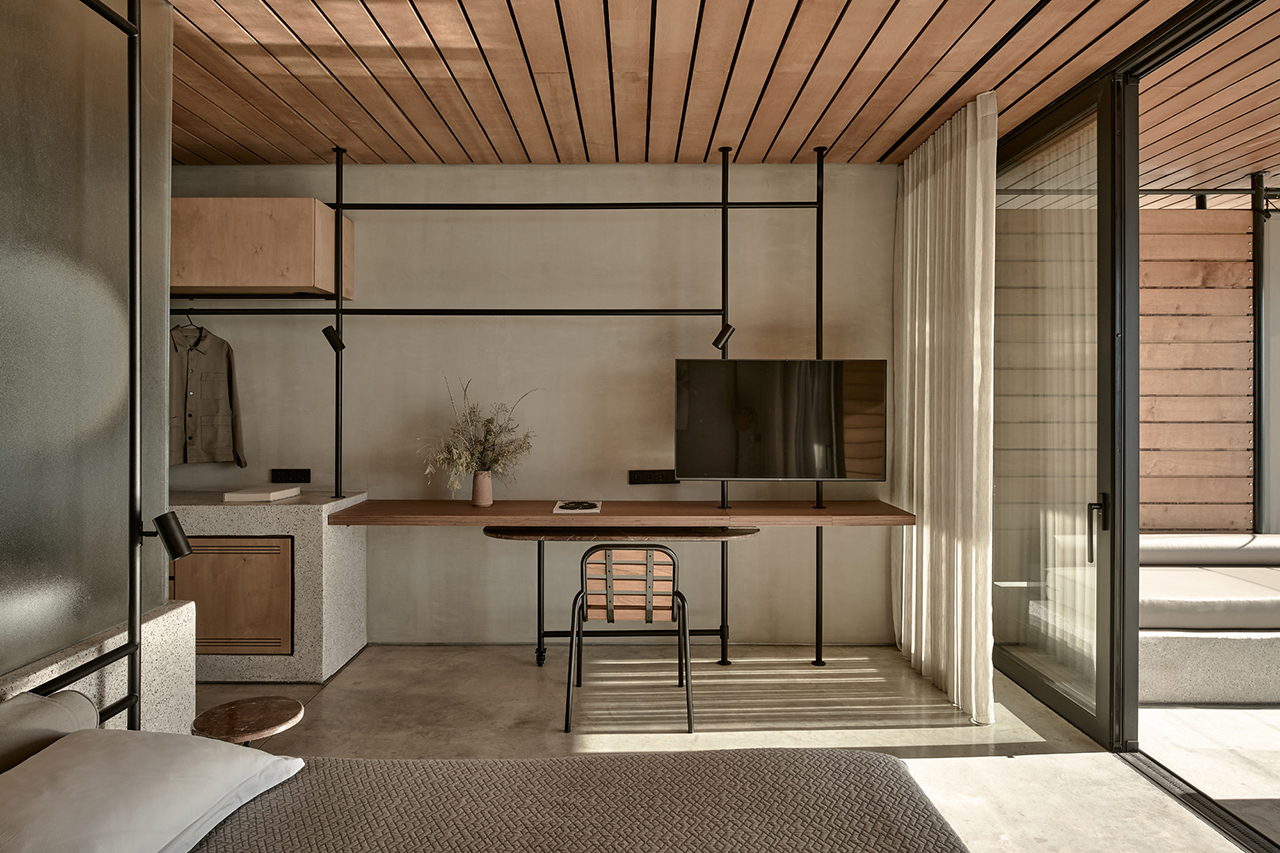
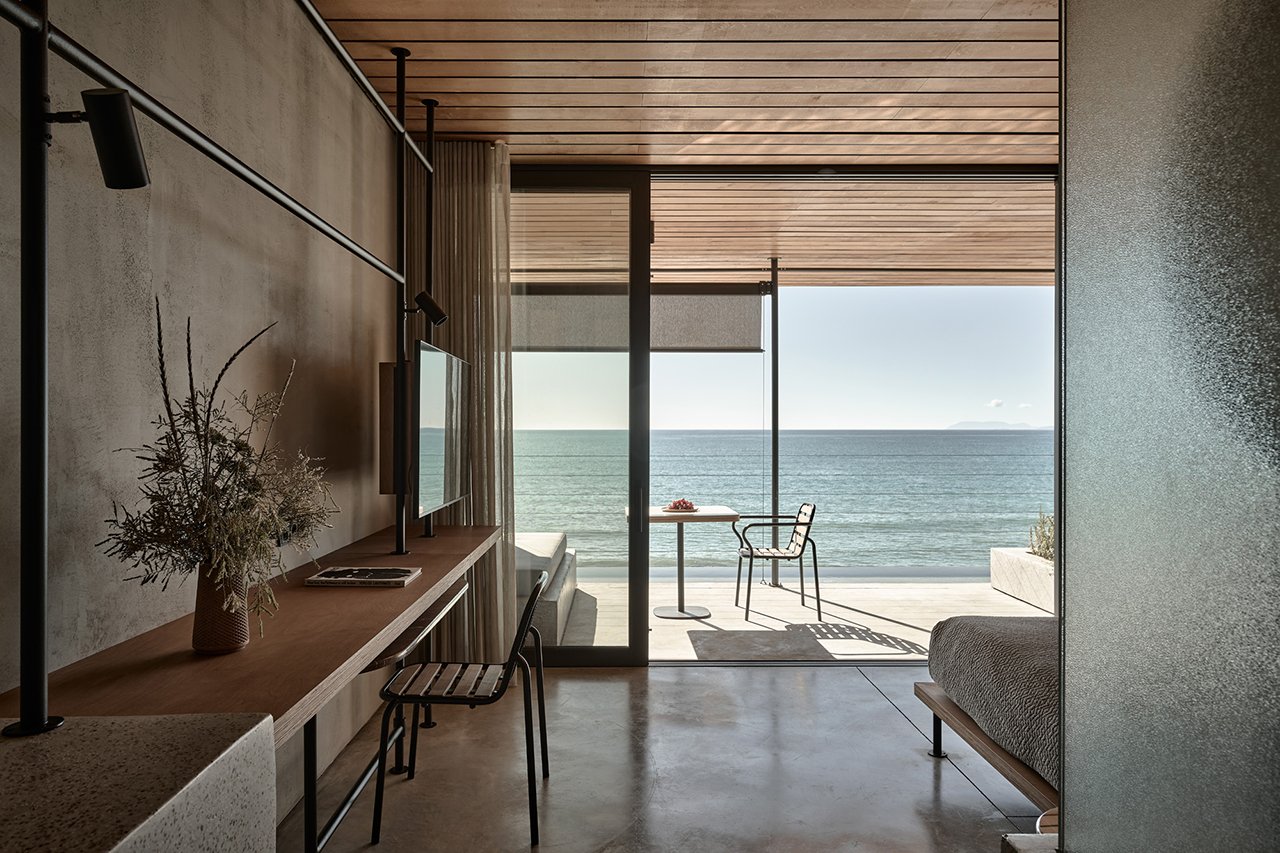
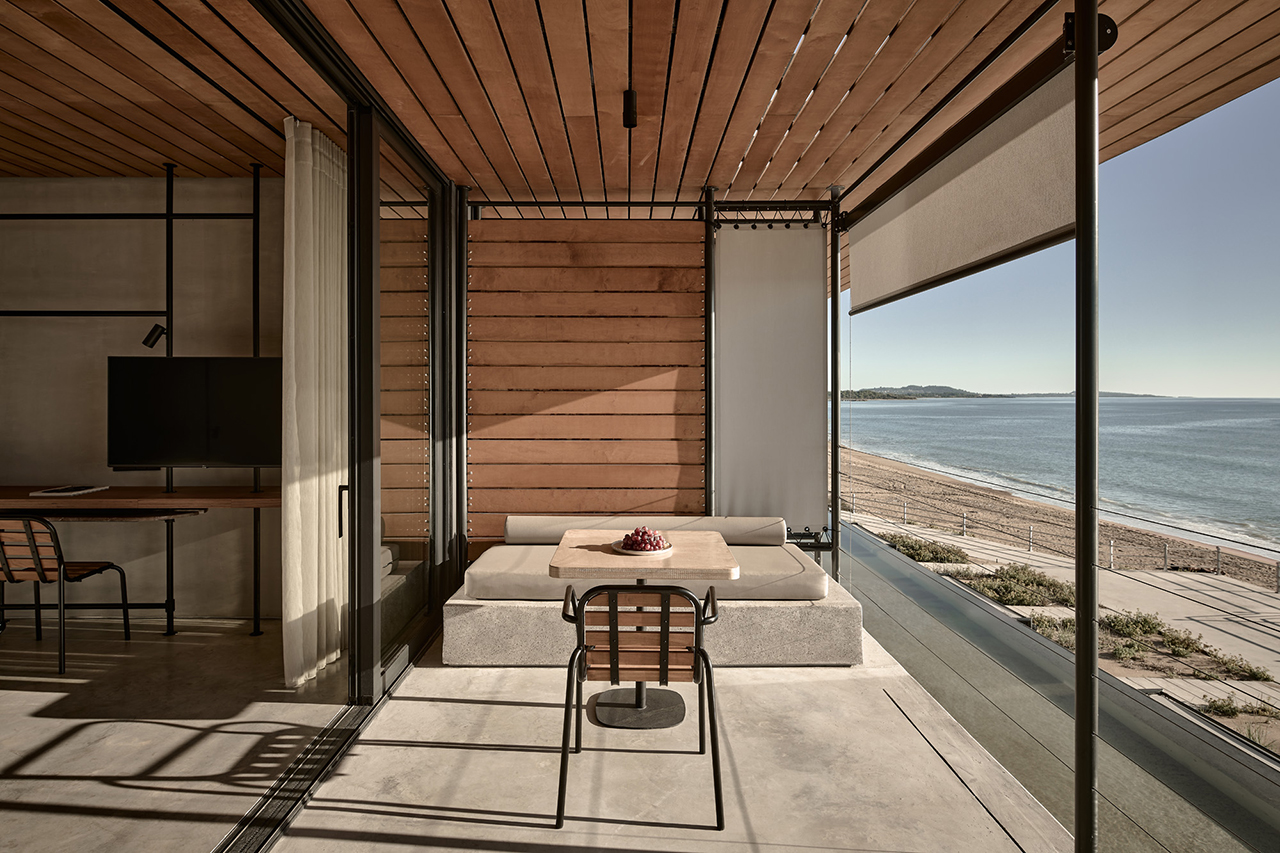
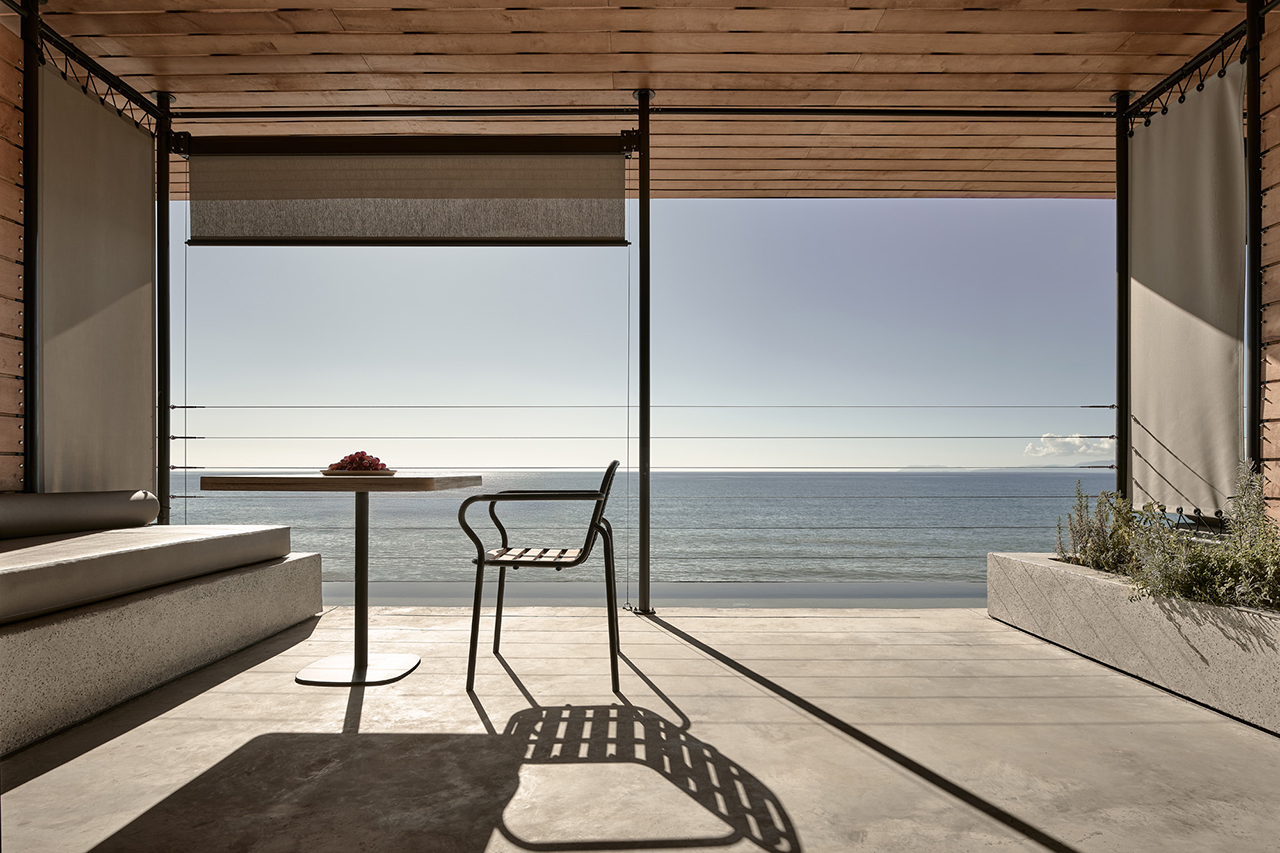
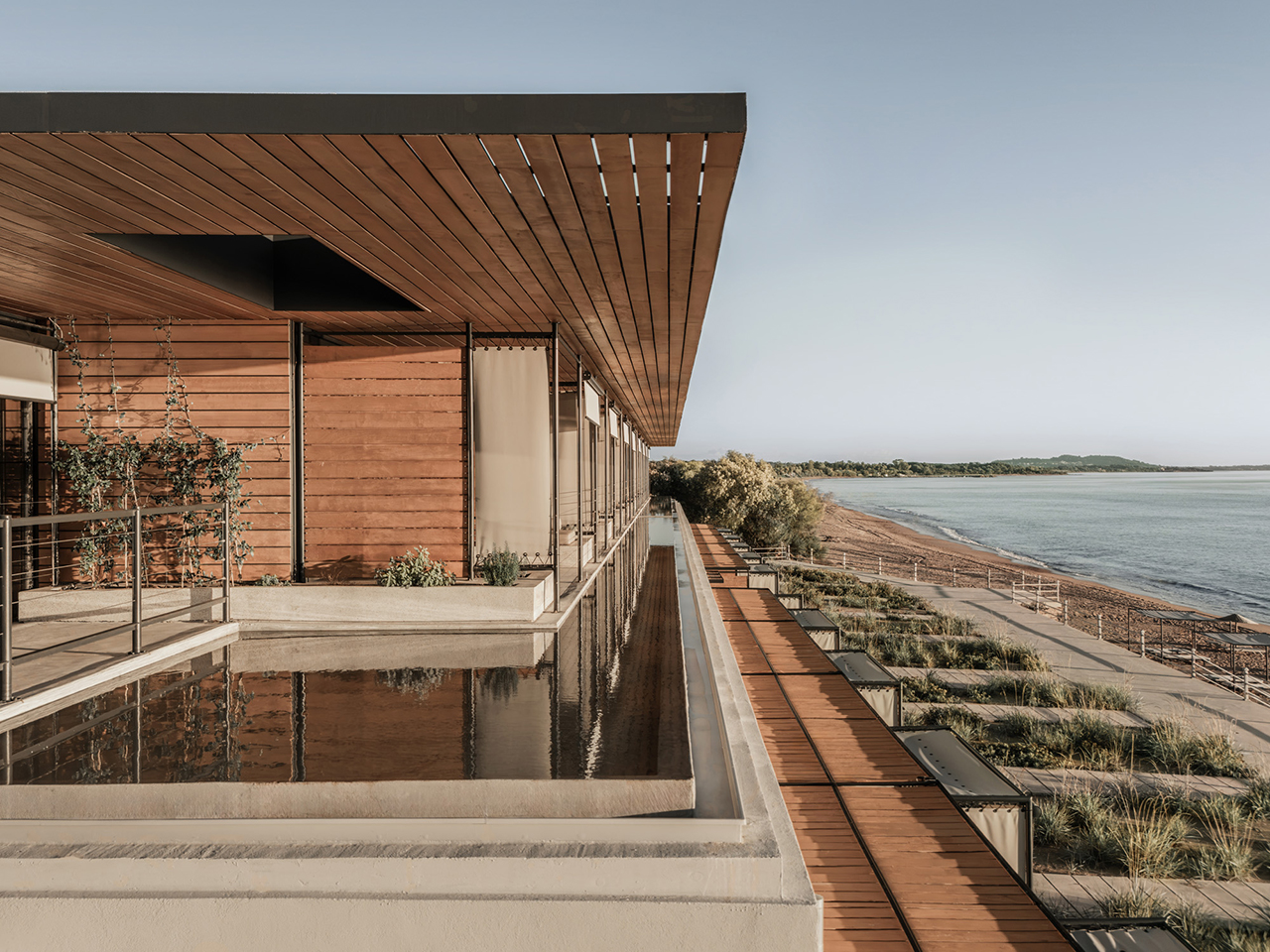
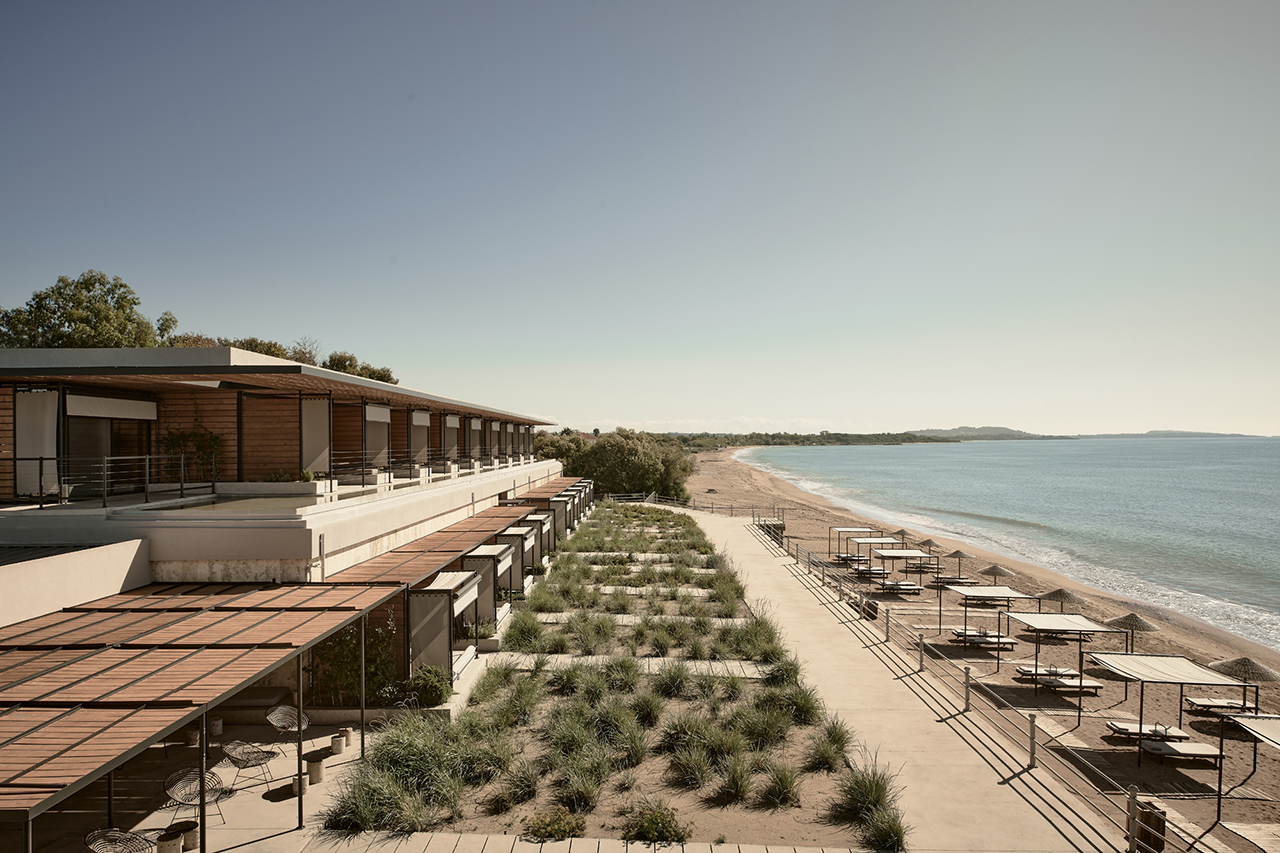
The commitment to innovative adaptive reuse continued with the recent introduction of eight new Seaview Terrace Suites. These accommodations represent a clever vertical expansion, occupying a new structure meticulously placed atop the original wine tanks. Inherently sheltering in their form, these massive tanks have been given new purpose and relevance, now forming the foundation for luxurious guest rooms. The new suites boast unparalleled views of the Ionian Sea, each featuring generous verandas enclosed by elegant wooden, pergola-like canopies. This choice of material introduces a warm, organic contrast that beautifully complements the prevalence of concrete throughout the property, adding layers of texture and visual interest.
Beyond accommodation, Dexamenes has also expanded its experiential offerings with the opening of the dex.Silo.01 culinary space. This innovative venue, like many other spaces within the hotel, makes clever use of a former tank silo. The raw, curved wall of the silo, delineating a massive skylight, becomes a canvas for carefully composed video projections and other programming. Depending on moon cycles and an ever-changing menu, guests are treated to a unique dining experience that merges gastronomy with immersive visual artistry. This integration of dining and sensory projection further deepens the hotel’s narrative, turning an industrial relic into a stage for contemporary culture and connection.
Statements from Stakeholders (Inferred)
While direct quotes are not provided in the original text, the success and philosophy of Dexamenes allow for inferred statements from involved parties.
An unnamed spokesperson for K-Studio might articulate: "Our approach at Dexamenes was about profound respect for the existing structure. We didn’t want to erase its past but rather allow it to inform its future. By taking a surgical approach, reusing materials, and integrating contemporary design elements with a light touch, we aimed to create a dialogue between history and modernity. The industrial shell, far from being a limitation, became our greatest asset, offering a unique canvas to frame the stunning Greek landscape and create an unparalleled sense of place."
A representative from Dexamenes Seaside Hotel management could state: "We recognize that today’s discerning traveler seeks more than just a luxurious room; they seek a story, an experience that connects them to the destination. Dexamenes, with its rich history and innovative adaptive reuse, delivers precisely that. Guests are not just staying in a hotel; they are inhabiting a piece of Greek industrial heritage, reimagined for contemporary comfort and sustainability. Our continued expansions, like the Seaview Terrace Suites and dex.Silo.01, are a testament to our commitment to evolving this unique narrative and offering truly unforgettable experiences."
Broader Impact and Implications
Dexamenes Seaside Hotel stands as a powerful symbol of the broader implications of adaptive reuse within the hospitality sector. It demonstrates that sustainability and luxury are not mutually exclusive but can be harmoniously integrated to create exceptional value. By preserving and revitalizing existing structures, such projects contribute significantly to:
- Environmental Sustainability: Reducing waste, conserving resources, and lowering carbon emissions associated with new construction. This aligns with global efforts to combat climate change and promotes a circular economy.
- Cultural and Historical Preservation: Adaptive reuse breathes new life into buildings that might otherwise fall into disrepair or face demolition. It safeguards tangible links to a region’s past, providing guests with an authentic connection to local history and heritage.
- Economic Revitalization: Transforming derelict industrial sites or abandoned buildings into thriving businesses can stimulate local economies, create jobs, and attract tourism, particularly in areas that may have experienced decline.
- Unique Experiential Travel: In an increasingly homogenized world, hotels born from adaptive reuse offer inherently distinct and memorable experiences. Their unique architectural character and embedded history differentiate them from purpose-built, cookie-cutter resorts, appealing to travelers seeking authenticity and a sense of discovery.
- Inspiration for Future Development: The success of projects like Dexamenes serves as a powerful case study, inspiring architects, developers, and policymakers to consider adaptive reuse as a viable and often superior alternative to new construction. It encourages creative problem-solving and a deeper engagement with the existing urban and rural fabric.
The narrative of Dexamenes—from a crucial wine processing facility to an abandoned relic, and now to a celebrated luxury resort—mirrors the resilient adaptation that has defined the Peloponnese region for centuries. Its current incarnation is not merely a clever architectural intervention but a profound statement on resourcefulness, historical respect, and the evolving desires of the modern traveler. As the world increasingly prioritizes sustainability and authentic experiences, adaptive reuse in hospitality is poised to move beyond a trend and become a fundamental pillar of future development, with Dexamenes leading the way.
Dexamenes Seaside Hotel: At a Glance
What: Dexamenes Seaside Hotel
Where: Kourouta, Greece
How much: Starting at approximately $185 per night (pricing subject to seasonal variation)
Design draws: A meticulously converted brutalist-style wine processing facility from the early 20th century, reimagined as a luxury seaside resort. Its design features subtle, surgical interventions that imbue the industrial space with a profound sense of calm, integrating history with contemporary minimalist luxury.
Book it: Dexamenes Seaside Hotel
Photography by Claus Brechenbacher and Rainer Baumann







