Ali Ikhwan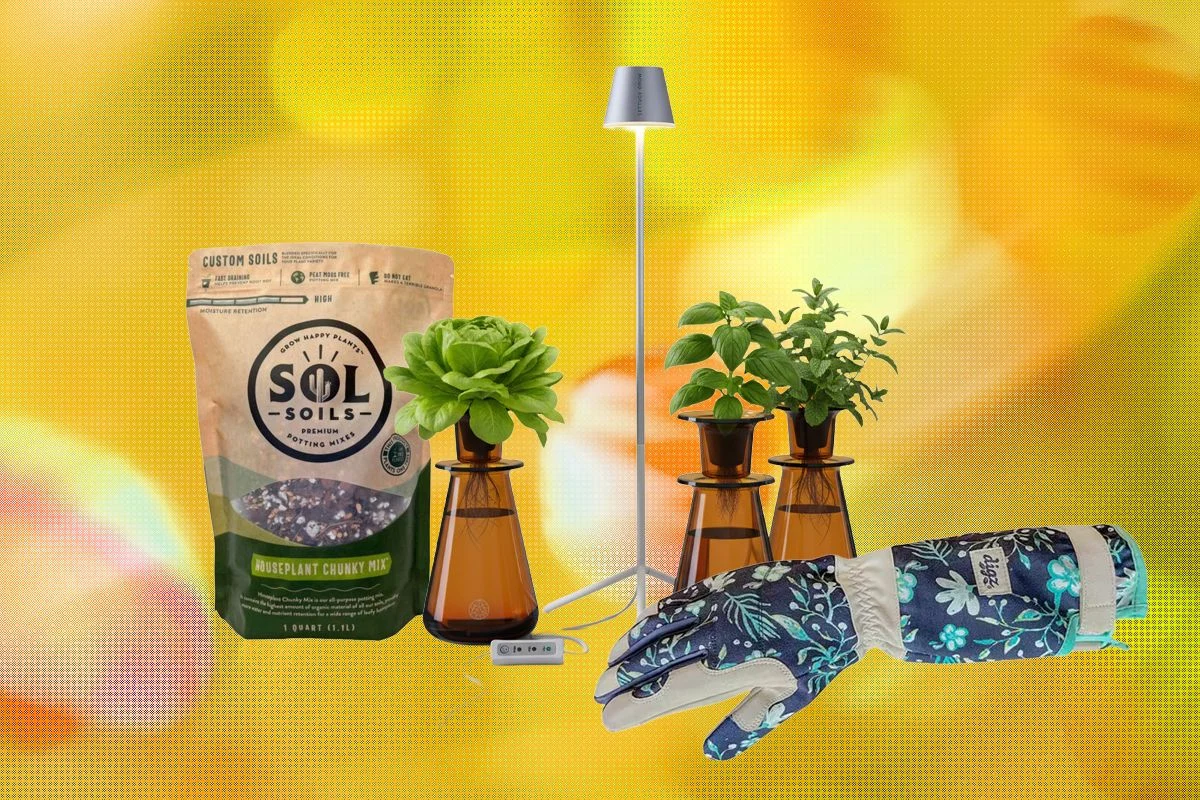
The global home gardening market, which saw an unprecedented surge during the early 2020s, has evolved into a sophisticated industry valued at over $120 billion as of 2026. This growth is driven not merely by aesthetic interests but by a profound shift toward domestic food security, therapeutic horticulture, and technological integration within the home. For the modern plant enthusiast, the traditional gift of a potted plant has become increasingly complex, as space constraints, specific lighting requirements, and seasonal shifts dictate the feasibility of new additions. Industry experts now suggest that the most effective gifts are those that enhance existing collections or automate the arduous aspects of plant maintenance.
Technological Integration in Modern Horticulture
The intersection of interior design and horticultural technology has reached a new zenith with the introduction of smart lighting systems that prioritize both plant health and home aesthetics. A primary example is the Smart Landscape Growframe by Modern Sprout. Measuring 32 by 5 by 11 inches, this metal frame utilizes a full-spectrum LED system inspired by Parisian shadowbox planters. Unlike industrial grow lights, which often emit a disruptive purple or clinical white hue, these contemporary systems are designed to integrate seamlessly into living spaces. Controlled via a dedicated application, users can automate on-off cycles and adjust brightness levels to accommodate various species, from fruiting herbs to succulents.
Supporting this trend is the rise of "no-fuss" hydroponics. The Lettuce Grow Counterstand Set represents a significant shift in the market toward the Kratky method of gardening—a passive hydroponic technique that eliminates the need for noisy pumps or complex electrical components. By utilizing amber glass beakers and nutrient-infused water, these systems allow for the cultivation of edible greens like basil and cilantro within a three-week window. Market data indicates that compact, decorative hydroponic systems have seen a 40% increase in sales among urban dwellers who lack traditional outdoor garden space.

Soil Science and Biological Optimization
As the "plant parent" demographic matures, there is a measurable shift from generalist care to specialized soil science. The industry has moved beyond standard peat-based potting soils toward high-performance, biological additives. Companies like Sol Soils have pioneered "chunky mixes" utilizing coconut husk chips, bark, and pumice to optimize root aeration.
Furthermore, the introduction of mycorrhizal fungi inoculants, such as Sol Biotics, has become a staple for enthusiasts looking to reduce transplant shock. Mycorrhizae form a symbiotic relationship with plant roots, significantly increasing the surface area for nutrient absorption. This biological approach is mirrored in the diagnostic sector; services like Just Good Soil now offer mail-order soil testing kits for $35. These kits analyze pH levels and 12 essential nutrients, providing digital reports that allow gardeners to remediate failing outdoor plots with scientific precision rather than guesswork.
Chronology of the 2026 Gardening Season
The 2026 horticultural calendar has been defined by three distinct phases:
- Q1 (The Indoor Resilience Phase): Focus remained on high-wattage grow lights, such as the LetPot 100-Watt system, to combat the "winter doldrums" and prevent leggy growth in tropical houseplants.
- Q2 (The Medicinal Transition): The release of Vanessa Minton’s "How to Grow Medicinal Herbs" sparked a nationwide trend in functional gardening. Enthusiasts shifted focus from purely ornamental plants to those with poultice, tincture, and syrup applications.
- Q3 (The Sustainable Harvest): Mid-year updates focused on the "circular garden," emphasizing the use of domestic electric composters to recycle kitchen waste into nutrient-dense soil amendments.
The Rise of Domestic Mycology
Fungi cultivation has transitioned from a niche hobby to a mainstream culinary pursuit. Unlike early mushroom kits that were often unreliable, the 2026 market features "fresh-shipped" organic blocks from producers like North Spore. These kits, specifically the Pink and Blue Oyster varieties, are designed for multiple "fruitings," allowing consumers to harvest gourmet mushrooms directly from their kitchen counters.

For advanced mycologists, the introduction of automated "monotubs" has revolutionized the process. These $150 systems automate airflow and humidity, environments that were previously difficult to maintain without professional-grade equipment. This democratization of mycology reflects a broader consumer interest in "superfoods" and meat alternatives grown within the home.
Sustainability and the Circular Economy
Environmental impact remains a primary concern for the modern gardener. The Reencle Prime Electric Composter exemplifies the shift toward zero-waste households. Unlike traditional outdoor compost piles, which can take months to decompose and may attract pests, these indoor units use specialized microbes to break down food scraps into a loamy mixture in a matter of days.
According to data from the Environmental Protection Agency (EPA), food waste accounts for approximately 24% of municipal solid waste in landfills. Domestic composting units like the Reencle Prime mitigate this by allowing users to create a 1:4 ratio of compost to potting soil, effectively turning kitchen waste into a high-value horticultural asset.
Tools, Ergonomics, and Physical Utility
Despite the influx of technology, the physical demands of gardening remain a constant. The 2026 gift market has seen a return to high-quality, "heritage" tools. The Gorilla Poly Garden Dump Cart has emerged as the industry standard for both small-scale backyard projects and multi-acre farm maintenance. With a load capacity ranging from 600 to 1,200 pounds and a quick-release dump latch, these carts replace the inefficient, single-wheeled wheelbarrows of the past.

Protective gear has also seen a refinement in materials. Digz has popularized long-cuff gloves designed to protect the forearms from invasive species like blackberry vines, while Vermont Glove continues to lead the luxury sector with hand-sewn goat-leather designs. Industry analysis suggests that as the average age of gardeners continues to diversify, there is an increased demand for ergonomic handles and lightweight materials to prevent repetitive strain injuries.
Artificial Intelligence and Digital Plant Care
The "Black Thumb" phenomenon—the perceived inability to keep plants alive—is being addressed through Artificial Intelligence. The Planta App, which now boasts millions of premium subscribers, utilizes over 30 parameters, including local weather data and phone-based light meters, to generate customized care schedules.
"The goal is to remove the cognitive load of plant care," stated a lead developer for the app in a recent industry briefing. "By using AI to diagnose problems through photo submissions (Dr. Planta) and adjusting watering schedules based on real-time humidity, we are seeing a 60% increase in plant longevity among first-time owners."
Aesthetic Innovation and Curated Gifting
For the giftee who prioritizes home decor, the market has expanded into "living art." This includes hanging propagation stations from brands like Mkono, which allow for the water-rooting of cuttings in a vertically stacked, space-saving format. Similarly, Treleaf has introduced laser-cut, hand-finished redwood trellises that provide structural support for vining plants like Monstera and Philodendron without the unsightly appearance of traditional plastic stakes.

Succulent "gift boxes" have also disrupted the floral delivery industry. Companies like Lula’s Garden offer heart-shaped or contemporary neutral planters that arrive pre-assembled. Unlike cut flowers, which have a lifespan of roughly seven days, these living arrangements offer a permanent addition to the home, often at a lower price point than premium floral bouquets.
Market Analysis and Future Outlook
The 2026 horticultural landscape is characterized by a "quality over quantity" mindset. Consumers are moving away from disposable, mass-produced plants in favor of rare specimens sourced from online marketplaces like Palmstreet. This "Etsy-fication" of the plant world has created a robust secondary market for rare cuttings and variegated species.
Supporting data suggests that the "functional garden"—one that provides food, medicine, or air purification—will continue to dominate the market through the end of the decade. Implications for the gifting industry are clear: there is a diminishing appetite for "novelty" items and an increasing demand for products that offer measurable utility, scientific insight, or sustainable longevity. As we move into the latter half of 2026, the successful gardener is no longer defined by the size of their plot, but by the sophistication of the ecosystem they maintain within it.