
 Ali Ikhwan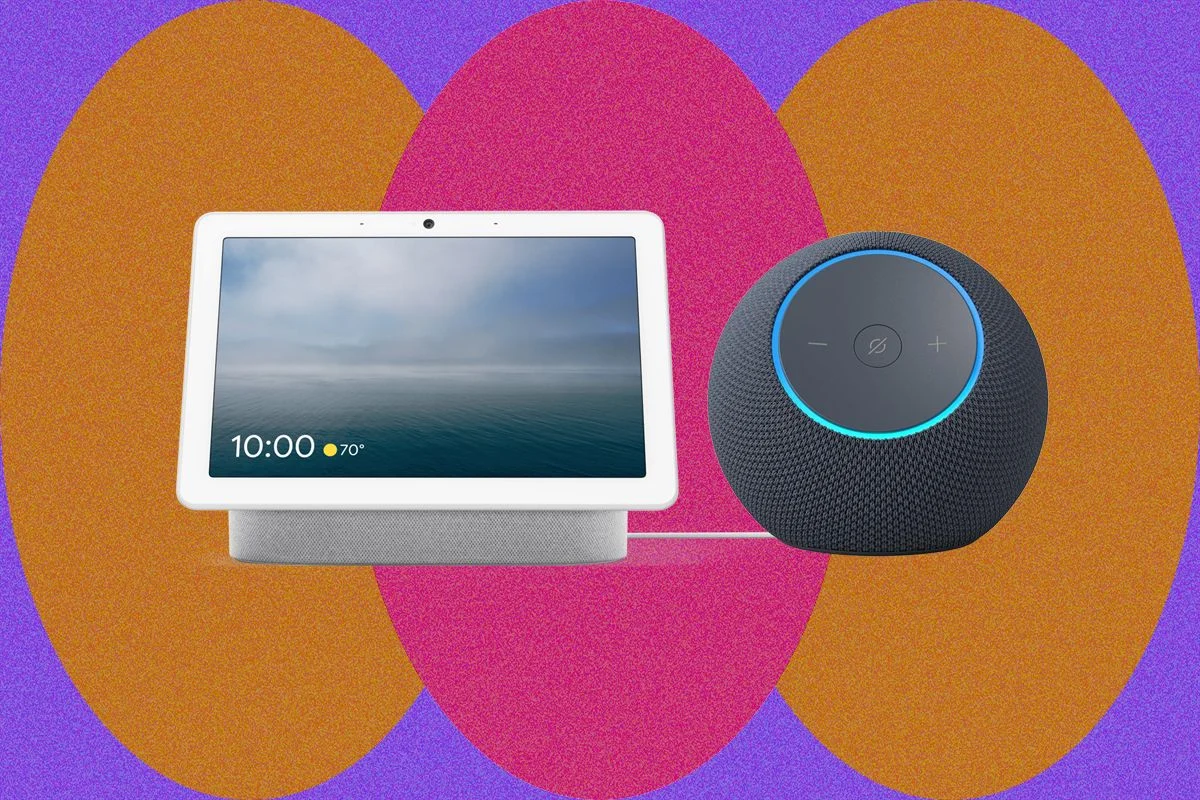
The landscape of the smart speaker market in 2026 is defined by a significant transition from simple voice-activated tools to sophisticated generative artificial intelligence hubs. As the technology matures, the primary competition remains a tripartite struggle between Amazon, Google, and Apple. However, the hardware itself is increasingly becoming a secondary consideration to the software ecosystems and artificial intelligence (AI) models that power them. Finding the optimal smart speaker now requires a nuanced understanding of ecosystem compatibility, subscription models, and the evolving privacy standards governing domestic audio data.
The Evolution of the Smart Speaker Market: 2014–2026
The smart speaker industry has undergone a radical transformation since the debut of the original Amazon Echo in 2014. For the first decade, the focus was on expanding hardware lineups and improving basic voice recognition. By 2024 and 2025, the industry reached a saturation point, leading to a shift toward high-fidelity audio and the integration of large language models (LLMs).
Amazon’s strategy has been one of volume and rapid iteration, frequently launching multiple models annually to cover every possible price point and form factor. Conversely, Google and Apple have maintained leaner product lines. As of mid-2026, Google is in the midst of a significant brand consolidation, moving away from the "Nest" moniker for its core speakers and returning to the "Google Home" branding. Apple continues to focus on its "walled garden" approach, prioritizing seamless integration with the iOS and macOS environments over broad third-party compatibility.
Amazon Alexa and the Rise of Alexa+
Amazon remains the market leader in terms of sheer variety and smart home compatibility. The ecosystem is currently anchored by the Echo Dot Max, launched in late 2025. This model represents the pinnacle of Amazon’s compact speaker engineering, utilizing a small form factor to deliver room-filling sound that rivals the larger Echo Studio models of previous generations.

The Alexa+ Subscription Model
A pivotal shift in the Amazon ecosystem occurred in early 2025 with the introduction of Alexa+. Built on generative AI, Alexa+ allows for more fluid, conversational interactions compared to the rigid command-response structure of the original Alexa. However, this advancement comes with a new economic reality. Access to the full suite of Alexa+ features requires a $20 monthly subscription, though it is included for Amazon Prime members.
This pricing strategy suggests a move toward hardware-as-a-service, where the physical speaker is a gateway to a recurring revenue stream. Furthermore, Amazon’s privacy policy update in late 2025 mandates that all voice recordings be processed in the cloud to facilitate these advanced AI features, effectively ending the "local processing" privacy options that were available on older hardware.
Top Amazon Hardware for 2026
- Echo Dot Max ($100): Noted for its integrated smart home hub and high-density audio drivers. It is currently the recommended "all-rounder" for users within the Amazon ecosystem.
- Echo Show 11 ($220): The flagship smart display featuring spatial audio and an 11-inch screen. While powerful, it has faced criticism for its ad-heavy interface and the inclusion of sponsored content on the home screen.
- Echo Studio (2nd Gen) ($220): The choice for audiophiles, offering the best frequency response and bass depth in the Alexa lineup.
Google Home and the Gemini Integration
Google’s smart speaker strategy in 2026 is characterized by a "wait-and-see" approach as it transitions to its next generation of hardware. The company recently discontinued the Nest Audio and Nest Mini to make room for the "Google Home Speaker," expected to launch in Spring 2026 for $99. This new device is reported to feature a taller, rounded design, marking a departure from the fabric-covered aesthetic of the Nest era.
Gemini for Home
The core of Google’s current offering is Gemini for Home, an AI assistant that replaced the legacy Google Assistant. Unlike Amazon, Google offers a free tier of its advanced assistant, though "Gemini Live"—which enables real-time back-and-forth dialogue—is gated behind the Nest Aware subscription tiers.
- Standard Plan ($10/month): Includes basic Gemini features and 30 days of video history for security cameras.
- Advanced Plan ($20/month): Includes Gemini Live, 60 days of video history, and "Home Brief," an AI-generated daily summary of home activity.
Leading Google Hardware
- Nest Hub Max ($229): Despite its age, it remains the premier smart display for Google users. Its 10-inch screen doubles as a high-quality digital photo frame, and unlike Amazon’s displays, it remains largely free of intrusive advertisements.
- Nest Audio ($120): While being phased out, it remains available through third-party retailers and offers excellent stereo pairing capabilities for those who prefer the current Google ecosystem.
The Apple HomeKit Walled Garden
Apple occupies a specific niche in the 2026 market. While its hardware options are the most limited, its integration with the Apple Home app and Siri makes it the default choice for iPhone users. The HomePod Mini ($99) remains the most successful product in this category for Apple, offering a balance of price and functionality.

While the full-sized HomePod (re-released in 2023) provides superior bass, many analysts and users find its "muddy" mid-range performance disappointing for its $299 price point. The HomePod Mini, however, serves effectively as a Thread-enabled smart home hub, allowing for the control of Matter-compatible devices without the need for additional bridges.
Comparative Analysis: Smart Displays and Privacy
The choice between a screen-less speaker and a smart display often comes down to the user’s tolerance for visual clutter and privacy concerns.
Interface and Content
Amazon’s Echo Show devices have increasingly become vehicles for "discovery" content, including news, recipes, and sponsored ads. While some users appreciate the information density, others find it disruptive. Google’s Nest Hubs, by contrast, prioritize a cleaner interface centered around Google Photos.
Privacy and Local Processing
A significant point of divergence in 2026 is the handling of user data. As generative AI requires massive computing power, both Amazon and Google have shifted toward cloud-based processing.
- Amazon: Has eliminated local voice processing; all data is sent to Amazon servers.
- Google: Processes many basic commands locally but requires cloud access for Gemini-based queries.
- Apple: Continues to emphasize on-device processing for Siri, though its AI capabilities are generally perceived as less advanced than Gemini or Alexa+.
Third-Party Alternatives and Specialized Audio
For users who do not wish to be tethered to a single manufacturer’s hardware, the third-party market remains robust, though compatibility with the latest GenAI assistants can be inconsistent.

- Sonos Era 100 ($189): A premium alternative that supports Alexa but lacks Google Assistant support due to ongoing licensing and technical shifts.
- Bang & Olufsen Beosound Level ($2,250): A luxury, repairable speaker that offers Google Assistant integration, targeting users who view smart speakers as long-term furniture investments rather than disposable tech.
- WiiM A10 ($229): A rising competitor that eschews a built-in voice assistant in favor of broad casting support (AirPlay 2, Google Cast), appealing to privacy-conscious audiophiles.
Regulatory Impact and Longevity
The smart speaker market is also being shaped by new legislation, most notably the UK’s Product Security and Telecommunications Infrastructure Act, which took effect in 2024. This law requires manufacturers to be transparent about how long a device will receive security updates.
This transparency is crucial in 2026, as the rapid evolution of AI threatens to turn older hardware into "bricks." Consumers are now encouraged to check the "support life" of a speaker before purchase—a data point that was rarely publicized in the early 2020s.
Conclusion: Strategic Recommendations for 2026
When selecting a smart speaker in the current market, the decision should be guided by three primary factors: current smartphone ecosystem, willingness to pay for AI subscriptions, and privacy priorities.
For those heavily invested in the Amazon shopping and media ecosystem, the Echo Dot Max provides the most advanced experience, provided the user is comfortable with the Alexa+ subscription model. Users who prioritize a clean visual interface and photo integration should look to the Nest Hub Max, though they may want to wait for the official release of the Google Home Speaker in Spring 2026 to see how it reshapes the lineup. Finally, Apple users are best served by the HomePod Mini, which offers a reliable, if less "intelligent," experience that prioritizes privacy and iOS synergy.
As smart speakers evolve into proactive AI assistants, the industry is moving toward a future where the quality of the conversation is as important as the quality of the sound. The 2026 market reflects this, offering powerful tools that are increasingly integrated into the daily digital lives of their users.







