Muhammad Hendra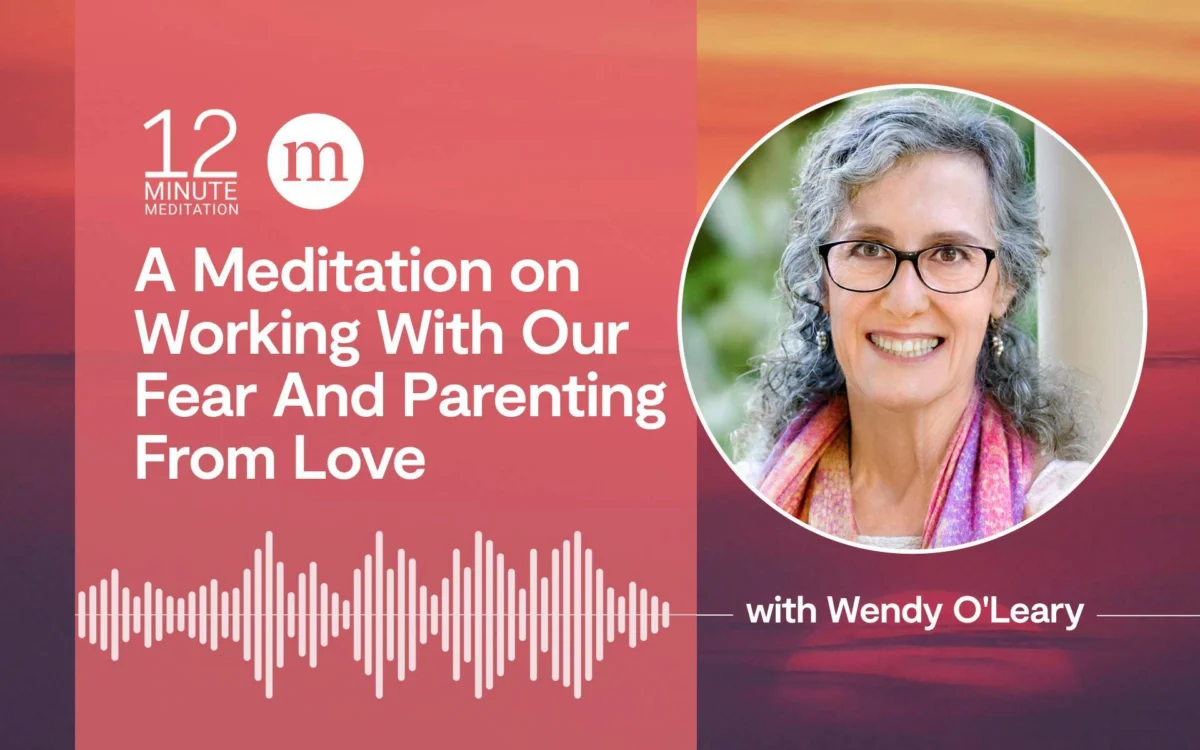
Periods of intense struggle within the parent-child dynamic are a widely recognized challenge for families globally, prompting an increasing focus on strategies that foster parental steadiness and resilience. Amidst the myriad responsibilities and emotional complexities of raising children, caregivers often find themselves grappling with stress, anxiety, and the fundamental question of how to maintain a loving and supportive environment even during moments of profound difficulty. This universal experience underscores the critical need for accessible and effective practices that can help parents anchor themselves in a foundation of compassionate wisdom, ensuring that parenting decisions and interactions are consistently rooted in love and a genuine desire for their children’s well-being.
The Pervasive Landscape of Parental Stress and Its Impact
Parenting in the 21st century presents a unique confluence of pressures that can exacerbate stress levels. Economic anxieties, the pervasive influence of social media creating unrealistic ideals, the constant juggle of work-life balance, and evolving societal expectations for child development contribute significantly to a challenging environment for caregivers. Research consistently highlights elevated levels of stress, burnout, and mental health concerns among parents. A 2021 study by the American Psychological Association, for instance, revealed that 75% of parents reported feeling overwhelmed by parental responsibilities, with mothers often bearing a disproportionately higher mental load. This sustained pressure can lead parents to respond from a place of fear and worry, inadvertently creating distance from the intrinsic love that underpins their concern for their children.
When fear and anxiety become dominant drivers, parental responses can shift from nurturing guidance to reactive control, inadvertently straining the parent-child bond. This phenomenon is not uncommon; psychological studies indicate that stress can impair executive functions, leading to reduced patience, increased irritability, and difficulty in emotional regulation for adults. For children, consistent exposure to parental stress can manifest in various ways, including increased anxiety, behavioral issues, and difficulties in developing their own emotional resilience. Recognizing this intricate interplay between parental well-being and child development, experts advocate for interventions that empower parents to manage their own emotional states effectively.
Reclaiming the Core: The Practice of Compassionate Connection
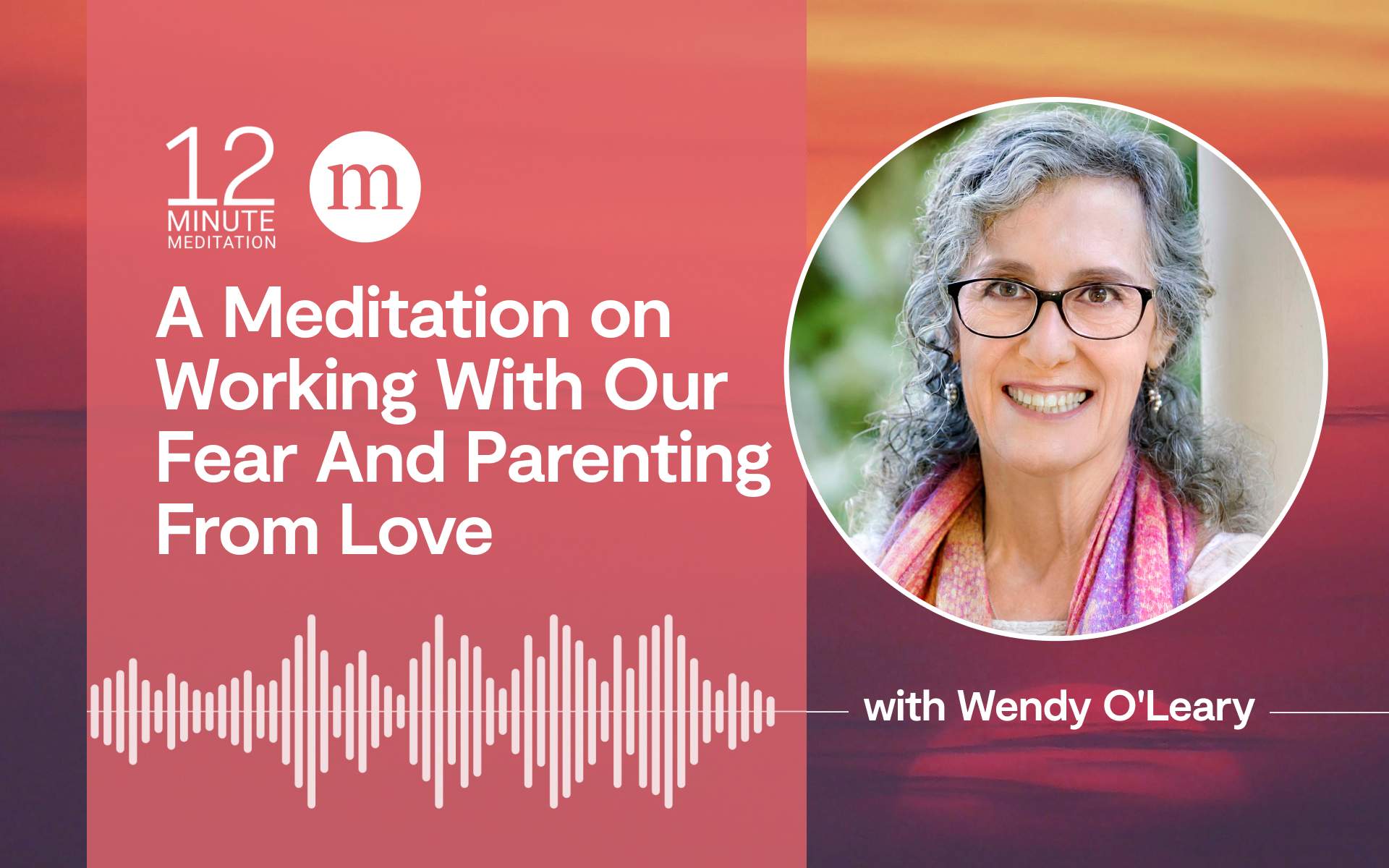
Amidst these challenges, the concept of intentionally reconnecting with the "ground of our love" and the inherent wish for children to be happy and well emerges as a profoundly beneficial practice. This isn’t merely an abstract philosophical notion but a practical approach that can be cultivated through deliberate techniques. Wendy O’Leary, a certified mindfulness teacher and parent educator, offers a structured practice designed to provide a "pause of support and encouragement." This pause serves as a vital interlude, allowing parents to disengage from immediate, often fear-driven reactions and instead tap into a deeper reservoir of compassionate wisdom. The ultimate goal is to facilitate a return to parenting from a place of conscious love, even in the most demanding circumstances.
This practice is rooted in mindfulness, a meditative discipline that emphasizes present-moment awareness and non-judgmental acceptance. By integrating mindfulness, parents can develop a greater capacity to observe their own thoughts and feelings without being overwhelmed by them. This internal shift enables a more considered response to challenging situations, rather than an automatic, stress-induced reaction. The "core of compassionate wisdom" refers to an innate capacity for empathy, understanding, and unconditional positive regard, which can become obscured by daily stressors. Re-establishing this connection is crucial for fostering healthy and resilient family dynamics.
The Foundational Principles of Mindful Parenting
Mindful parenting, as advocated by O’Leary and other experts, encompasses several key principles:
- Self-Compassion: Recognizing that parents are human and will inevitably make mistakes, and extending the same kindness and understanding to oneself that one would offer to a beloved friend. This counters the pervasive self-criticism that often accompanies parental guilt.
- Present Moment Awareness: Being fully present with children, truly listening and observing without distraction or judgment. This enhances connection and allows parents to respond to children’s actual needs rather than their own projections.
- Emotional Regulation: Developing the ability to acknowledge, understand, and manage one’s own emotional reactions, especially intense ones like anger, frustration, or fear. This models healthy emotional processing for children.
- Non-Judgment: Approaching both oneself and one’s children with an open, curious, and accepting attitude, free from harsh criticism or preconceived notions. This fosters a safe environment for growth and learning.
- Empathy: The capacity to understand and share the feelings of another, which is fundamental to responding to children’s needs with sensitivity and care.
By systematically engaging with these principles, parents can transform their approach to daily interactions, shifting from a reactive stance to one that is more intentional and deeply connected to their values.
Supporting Data and Efficacy of Mindfulness in Parenting
The benefits of mindfulness-based interventions for parents are increasingly substantiated by scientific research. Studies published in journals such as Mindfulness and Child Development have demonstrated that parents who engage in mindfulness practices report:
- Reduced Stress and Anxiety: Meta-analyses consistently show significant reductions in parental stress, anxiety, and symptoms of depression.
- Improved Parent-Child Relationships: Parents report greater feelings of closeness, empathy, and satisfaction in their relationships with their children, alongside reduced conflict.
- Enhanced Emotional Regulation: Both parents and, indirectly, their children, exhibit improved emotional regulation skills. Children of mindful parents often show greater social competence and fewer behavioral problems.
- Increased Self-Compassion: Parents develop a more forgiving and understanding attitude towards themselves, which is crucial for coping with the inherent challenges of parenting without succumbing to burnout.
- Greater Patience and Responsiveness: Mindfulness fosters a greater capacity for patience and allows parents to respond to challenging child behaviors with more consideration and less impulsivity.
For example, a study involving mothers of children with developmental disabilities found that a mindfulness-based stress reduction program led to significant decreases in perceived stress and improvements in mood. Another intervention study reported that mindful parenting training improved parental acceptance of their children, decreased parental psychological distress, and enhanced children’s self-regulation. These findings underscore that such practices are not merely anecdotal but are robustly supported by empirical evidence, demonstrating their tangible positive impact on family well-being.
Conceptual Chronology: The Evolution of Mindful Parenting
While not a linear historical event, the integration of mindfulness into parenting advice reflects a broader shift in child development theories and psychological understanding over the past few decades.
- Early 20th Century: Parenting advice often leaned towards more authoritarian models, focusing on strict discipline and obedience, with less emphasis on children’s emotional worlds or parental well-being.
- Mid-20th Century (1940s-1960s): Psychodynamic theories, particularly those of Freud and later Bowlby (attachment theory), began to highlight the importance of the parent-child bond and early emotional experiences. This laid groundwork for understanding the psychological impact of parental behavior.
- Late 20th Century (1970s-1990s): Humanistic psychology and the rise of "positive parenting" movements started advocating for child-centered approaches, emphasizing empathy, communication, and fostering self-esteem. Figures like Thomas Gordon ("Parent Effectiveness Training") were influential. During this period, Jon Kabat-Zinn’s work at the University of Massachusetts Medical School began popularizing secular mindfulness, initially in clinical settings for stress reduction.
- Early 21st Century (2000s-Present): With growing research on neuroplasticity and the benefits of mindfulness, the practice began to permeate mainstream psychology, education, and even corporate wellness. Simultaneously, an increasing recognition of the mental health crisis among parents spurred the adaptation of mindfulness principles specifically for parenting. This era saw the emergence of dedicated mindful parenting programs, books, and resources, including the work of Wendy O’Leary, who bridges general mindfulness with specific family applications. The widespread accessibility of online resources has further accelerated the adoption of these practices.
This conceptual timeline illustrates a progressive understanding of parenting that moves beyond mere behavior management to embrace emotional intelligence, self-awareness, and the cultivation of a deeply compassionate stance towards both oneself and one’s children.
Expert Endorsement and Broader Implications
Leading child development specialists and mental health professionals increasingly advocate for practices like O’Leary’s guided meditation. Dr. Laura Markham, author of "Peaceful Parent, Happy Kids," often emphasizes that "parenting is 90% how we regulate ourselves." Similarly, experts in family therapy frequently highlight the critical role of parental self-regulation in fostering secure attachment and promoting children’s emotional literacy. The consensus among these experts is that a parent’s ability to manage their own stress and emotional reactivity is foundational to effective parenting, far more so than any specific disciplinary technique.
The broader implications of widespread adoption of such practices are significant. On an individual family level, it promises healthier parent-child dynamics, reduced household conflict, and the cultivation of emotionally intelligent and resilient children. For society, fostering more emotionally stable and connected families can lead to a reduction in broader societal issues stemming from childhood adversity and intergenerational trauma. By equipping parents with tools to navigate their internal landscapes, these practices contribute to creating a generation of children who are better prepared to manage their own emotions and engage constructively with the world. Moreover, by legitimizing and providing practical avenues for parental self-care, these initiatives help to normalize the idea that tending to one’s own mental and emotional health is not selfish, but a fundamental component of effective caregiving.
Wendy O’Leary’s Contribution to Parental Well-being
Wendy O’Leary, M.Ed., stands as a prominent figure in this movement, dedicated to empowering families through mindfulness and self-compassion. As a certified mindfulness teacher and parent educator, her work is grounded in both academic understanding and practical application. O’Leary’s expertise in teaching emotional resilience to children and adults is reflected in her published works, which include three children’s books and an adult book focused on self-compassion in families. These resources provide accessible pathways for parents and children to develop crucial life skills.
Her upcoming publication, "Let’s Grow Happiness," a card deck for children created in collaboration with Helen Maffini, further illustrates her commitment to making emotional well-being tangible and engaging for younger audiences. Scheduled for release on April 21, 2026, this resource exemplifies the ongoing effort to integrate mindfulness and self-compassion into daily family life, promoting a proactive approach to mental health from an early age. O’Leary’s contributions underscore the importance of readily available, practical tools that can be seamlessly incorporated into the busy lives of modern families, offering a consistent source of support and guidance.
In conclusion, the journey of parenting, while profoundly rewarding, is also inherently fraught with challenges that can test the limits of patience and emotional fortitude. Recognizing that moments of struggle are universal, practices like those offered by Wendy O’Leary provide a vital lifeline. By offering a structured path to reconnect with compassionate wisdom and to parent from a place of conscious love, these interventions are not merely coping mechanisms but foundational strategies for building resilient families. The increasing evidence supporting the efficacy of mindfulness and self-compassion in reducing parental stress and enhancing family relationships solidifies their role as essential components in the modern approach to child-rearing, promising a more peaceful and connected future for parents and children alike.