Hanik Kholidah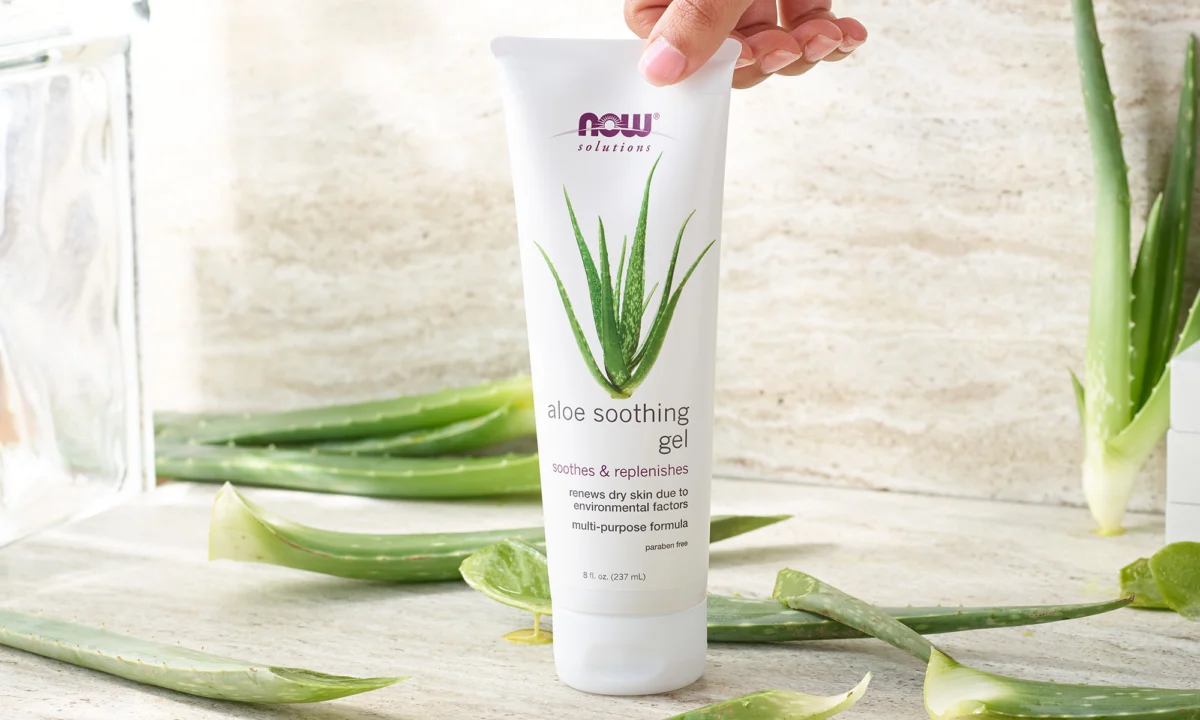
As the summer solstice approaches, bringing with it extended daylight hours and increased outdoor activity, the focus on dermatological health shifts from mere aesthetics to the critical science of skin longevity. While the restorative psychological benefits of sunlight and warmth are well-documented, the physiological toll on the human integumentary system is significant. Summer presents a unique convergence of environmental stressors—high-intensity ultraviolet (UV) radiation, elevated thermal levels, increased humidity, and airborne pollutants—all of which challenge the structural integrity of the skin. To maintain a youthful and functional appearance over the long term, dermatologists and nutritional scientists increasingly advocate for a multi-dimensional approach that prioritizes the skin barrier and collagen preservation.
The Physiological Impact of Summer Environmental Stressors
The skin is the body’s largest organ and its primary interface with the environment. During the summer months, this interface is under constant assault. According to data from the Skin Cancer Foundation, approximately 90 percent of visible skin changes commonly attributed to aging are caused by the sun. This phenomenon, known as photoaging, is the result of cumulative UV exposure that penetrates deep into the dermis, damaging the DNA of skin cells and degrading the extracellular matrix.

Two primary components determine the skin’s long-term health: the skin barrier and collagen reserves. The skin barrier, or stratum corneum, is a complex structure of lipids (ceramides, cholesterol, and fatty acids) and proteins that acts as a seal. Its primary function is to prevent transepidermal water loss (TEWL) and block the entry of pathogens and environmental toxins. When heat and UV radiation disrupt this barrier, the skin becomes permeable, leading to chronic dehydration and inflammation.
Simultaneously, summer conditions accelerate the depletion of collagen, the structural protein responsible for skin firmness and elasticity. UV radiation triggers the production of matrix metalloproteinases (MMPs), enzymes that actively break down collagen fibers. Without proactive intervention, this seasonal degradation leads to a loss of structural "scaffolding," resulting in the fine lines, wrinkles, and sagging associated with premature aging.
A Chronological Approach to Seasonal Skin Resilience
Maintaining skin longevity requires a strategy that evolves with the season. Experts suggest a chronological framework that begins with preparation and ends with restorative care.

Pre-Summer Preparation (April – May)
During this phase, the goal is to fortify the skin’s internal defenses. Increasing the intake of dietary antioxidants and beginning a consistent collagen supplementation routine can build a "reservoir" of nutrients that the skin can draw upon when environmental stress peaks.
Peak Exposure (June – August)
This period demands maximum external protection and internal support. The focus shifts to high-frequency SPF application, physical shielding, and neutralizing the immediate oxidative stress caused by daily sun exposure.
Post-Summer Recovery (September – October)
The final phase involves intensive repair. As UV levels drop, the skin requires ingredients that target hyperpigmentation and deep-layer dehydration to reverse any cumulative damage sustained during the high-heat months.
Data-Driven Strategy: 5 Habits for Skin Longevity
To address these challenges, researchers have identified five core habits rooted in biochemical and dermatological science. These practices move beyond surface-level treatments to support the skin from the inside out.
1. Proactive Collagen Synthesis Support
Collagen levels naturally decline by about 1 percent per year after the age of 20. Summer environmental stress can triple this rate of loss. To counter this, a dual-pronged approach of nutritional intake and targeted supplementation is essential.
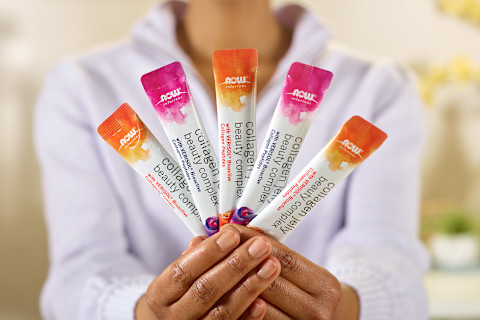
The body requires specific building blocks—primarily the amino acids proline, glycine, and hydroxyproline—to synthesize new collagen. Clinical studies, including those focused on VERISOL® Bioactive Collagen Peptides, have demonstrated that specific peptide chains can bypass the digestive system and reach the dermal layers, stimulating fibroblasts to produce more collagen. Research indicates that consistent supplementation can show measurable improvements in skin elasticity and wrinkle depth within four to eight weeks.

Furthermore, collagen synthesis is a vitamin C-dependent process. Vitamin C acts as a mandatory co-factor for the enzymes prolyl hydroxylase and lysyl hydroxylase, which stabilize the collagen molecule’s triple-helix structure. Without adequate vitamin C, the body cannot effectively produce or repair collagen, making the pairing of peptides and antioxidant vitamins a foundational habit for summer longevity.
2. Implementation of Holistic Sun Care
While Sun Protection Factor (SPF) is a critical component of dermatological health, it is often misused. Market research shows that most consumers apply only 25 to 50 percent of the recommended amount of sunscreen. For effective protection, an adult requires approximately one ounce (a shot glass full) to cover the body.
A holistic sun care routine involves "layering" protection:

- Primary Layer: Broad-spectrum SPF 30 or higher applied every two hours.
- Physical Layer: Utilization of UPF (Ultraviolet Protection Factor) clothing and wide-brimmed hats.
- Behavioral Layer: Seeking shade during peak UV hours (10:00 AM to 4:00 PM).
This multi-layered approach acknowledges that no single product can provide 100 percent protection against the full spectrum of UVA (aging) and UVB (burning) rays.
3. Systematic Internal Antioxidant Neutralization
Topical products can only reach the outermost layers of the skin. To protect the deeper cellular structures from oxidative stress, internal antioxidant support is necessary. Free radicals, generated by UV light and pollution, are unstable molecules that steal electrons from healthy cells, causing cellular "rusting."
Ingredients such as NutroxSun®—a proprietary blend of rosemary and grapefruit extracts—have gained attention in clinical circles for their ability to support the skin’s natural response to UV exposure. These compounds work systemically to increase the "minimal erythema dose" (MED), which is the amount of UV radiation the skin can tolerate before burning. By neutralizing free radicals from within, supplements like NOW® Solutions SolarDefend™ provide a secondary line of defense that complements topical sunscreens.

4. Intentional Post-Exposure Recovery
The skin’s recovery phase is often overlooked. After a day in the heat, the skin undergoes a period of "thermal aging," where the temperature of the dermis remains elevated even after moving into the shade. This heat continues to trigger inflammatory responses.
Aloe vera has remained a staple in post-sun care due to its complex chemical profile, containing over 75 active constituents including salicylic acid (to reduce inflammation), lignins (to enhance penetration), and mucopolysaccharides (to bind moisture). Integrating cooling, hydrating gels that feature aloe, vitamin E, and allantoin helps to immediately lower the skin’s surface temperature and halt the inflammatory cascade that leads to long-term damage.
5. Nighttime Barrier Rejuvenation and Repair
The skin operates on a circadian rhythm. During the day, its primary mode is protection; at night, it shifts into repair and regeneration. Research published in the Journal of Investigative Dermatology highlights that skin cell regeneration doubles between 11:00 PM and 4:00 AM.

This "repair window" is the optimal time to apply active ingredients. For those seeking to address the texture changes and fine lines caused by summer sun, Bakuchiol has emerged as a science-backed alternative to retinol. Bakuchiol provides similar gene-expression regulation as vitamin A but without the photosensitivity or irritation often exacerbated by summer heat. Additionally, evening routines should include high-molecular-weight hyaluronic acid to replenish the "moisture reservoir" that is depleted by daytime heat and air conditioning.
Industry Reactions and Expert Perspectives
The shift toward "skin longevity" rather than "anti-aging" reflects a broader change in the wellness industry. Leading supplement manufacturers, such as NOW Foods, have responded to this demand by developing delivery systems—like collagen jellies and gummies—that encourage the consistency required for clinical results.
"The modern consumer is no longer looking for a quick fix," says an industry analyst specializing in nutricosmetics. "There is a growing understanding that skin health is a reflection of systemic health. The integration of clinical-grade peptides with traditional topical care represents the new standard in dermatological maintenance."

Dermatological associations have also emphasized the importance of barrier health. "A compromised barrier is the root of most inflammatory skin conditions we see in the summer," notes a spokesperson for a leading dermatological research group. "By focusing on lipid replenishment and internal antioxidant support, patients can significantly reduce the cumulative impact of seasonal environmental stress."
Broader Implications for Public Health and Longevity
The implications of science-backed skin care extend beyond vanity. Chronic skin inflammation and barrier dysfunction are linked to a phenomenon known as "inflammaging"—a state of low-grade, systemic inflammation that accelerates the aging process across all organ systems. By maintaining the health of the skin barrier, individuals can potentially reduce the systemic inflammatory load on the body.
Furthermore, as global temperatures continue to rise and summer seasons extend in duration, the necessity for robust skin protection strategies becomes a public health priority. Educating the public on the synergy between nutrition, topical protection, and recovery habits is essential for reducing the long-term incidence of photo-damage and associated skin pathologies.

In conclusion, the pursuit of skin longevity this summer requires a move away from reactive "damage control" toward a proactive, system-based approach. By supporting collagen synthesis, maintaining the integrity of the skin barrier, and neutralizing oxidative stress from both internal and external sources, individuals can enjoy the restorative benefits of the season while ensuring their skin remains resilient, firm, and healthy for years to come.