
 Ali Ikhwan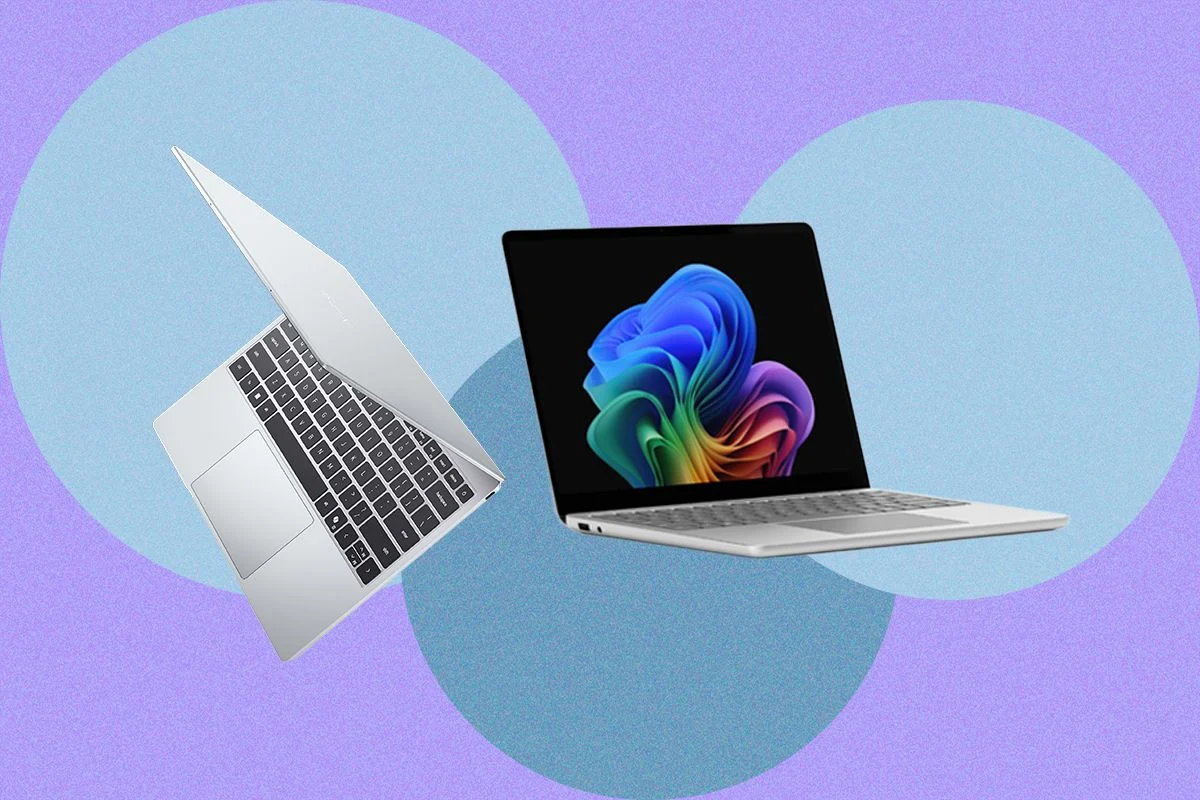
The introduction of the MacBook Neo has acted as a significant catalyst for change within the personal computing industry, fundamentally altering the competitive landscape for entry-level laptops. By establishing a $599 price point, Apple has effectively bridged the gap between its premium brand identity and a previously untapped demographic of budget-conscious consumers. This strategic move has forced major Windows hardware manufacturers to recalibrate their product roadmaps, leading to a resurgence of 8 GB RAM configurations in a market that had recently begun to standardize 16 GB as the baseline. While Dell has responded with a competitive, high-design alternative in the refreshed XPS 13, Microsoft has faced scrutiny for its pricing strategy regarding the new Surface Laptop for Business.
The MacBook Neo and the Shift in Entry-Level Strategy
The MacBook Neo represents a departure from Apple’s traditional hardware cycles. Traditionally, the company serviced the "budget" market by keeping older MacBook Air models in the lineup at discounted prices. The Neo, however, is a purpose-built machine designed to achieve a specific price floor of $599. To reach this aggressive target, Apple utilized a mobile-derived processor—similar to those found in the iPhone—rather than the more expensive M-series chips found in the MacBook Air and Pro lines.
Despite the criticism regarding its base 8 GB of RAM, the MacBook Neo has found success by prioritizing external build quality and display excellence over raw computational power. The device features a 2560 x 1600 resolution display with 500 nits of brightness, housed in a premium chassis. This "luxury-lite" approach targets students and casual users who prioritize aesthetics and portability over intensive tasks like 4K video editing or complex software development.
Dell XPS 13: A Direct Counter-Move
Dell’s response to the MacBook Neo has been the most direct among Windows OEMs. The newly announced Dell XPS 13 mirrors the Neo’s strategy by offering a premium aesthetic at a significantly lower entry price than previous iterations. Starting at $699 for general consumers and $599 for students, the XPS 13 seeks to neutralize Apple’s price advantage while offering specific hardware advantages.
%20052026%20SOURCE%20Microsoft.jpg)
The XPS 13 maintains the iconic CNC-machined aluminum chassis and ultra-thin profile (0.5 inches) that have defined the XPS brand. However, like the Neo, it makes strategic internal compromises. The base model utilizes an Intel Core 5 processor—distinct from the higher-end "Core Ultra" series—and ships with 8 GB of RAM and a 256 GB SSD.
Where Dell attempts to pull ahead is in display technology and configurability. The XPS 13 features a 13.4-inch IPS panel with a 120 Hz refresh rate, doubling the fluidity of the MacBook Neo’s 60 Hz screen while matching its 500-nit brightness and high resolution. Furthermore, unlike the MacBook Neo, which features a capped hardware architecture, the XPS 13 can be configured with up to 32 GB of RAM and 1 TB of storage, providing a clearer upgrade path for users whose needs may evolve.
The Global Memory Shortage and the Return of 8 GB RAM
The industry-wide pivot back to 8 GB RAM configurations is not merely a competitive choice but a response to severe supply chain constraints. Analysts report a persistent memory shortage that has driven up the cost of LPDDR5X and NAND flash storage. This shortage has made it increasingly difficult for manufacturers to maintain low retail prices while offering 16 GB of RAM.
In 2023, the industry trend was moving toward 16 GB as the "new normal" for Windows 11 devices, particularly as AI-driven features like Microsoft’s Copilot+ began to demand more local memory. However, the economic reality of the 2025-2026 market has forced a temporary retreat. For a $599 laptop to remain profitable, manufacturers must find areas to cut costs, and memory capacity has become the primary sacrificial lamb.
Microsoft Surface Laptop for Business: A Controversial Implementation
While Dell has been praised for lowering the barrier to entry for its flagship brand, Microsoft has faced a different reception regarding its latest Surface announcements. Microsoft recently unveiled two tiers of its Surface Laptop for Business: a 13.8-inch flagship and a more compact 13-inch model.

The 13.8-inch model is a standard generational leap, incorporating Intel’s new "Panther Lake" Core Ultra Series 3 chips and maintaining a 16 GB RAM baseline. However, the 13-inch variant has drawn criticism for its $1,200 starting price when configured with only 8 GB of RAM. While business-grade PCs often carry a premium due to extended warranties, enterprise security features (such as TPM 2.0 and BitLocker), and specialized support, the decision to offer 8 GB at a four-figure price point is seen by many as a regression.
Industry observers suggest that Microsoft is attempting to capitalize on the "8 GB normalization" initiated by Apple. However, unlike the MacBook Neo or the Dell XPS 13, the Surface Laptop for Business 13-inch model does not offer a revised chassis or a significantly lower price point to justify the lower memory spec. This has led to concerns that Microsoft may be moving toward a "generational downgrade" in its consumer Surface Laptop 8 line, which is expected to be announced later this year.
Comparative Analysis: Specifications and Market Positioning
The current "budget-premium" market is now divided into three distinct philosophies:
- The Apple Approach (MacBook Neo): Use high-quality displays and chassis paired with mobile-grade silicon to hit the lowest possible price point ($599). It is a closed system with no upgradeability but high brand prestige.
- The Dell Approach (XPS 13): Match the competitor’s price and build quality while offering superior display refresh rates and an optional path to higher performance specs for those willing to pay.
- The Traditional OEM Approach (Acer/Lenovo/HP): Companies like Acer and HP continue to offer devices like the OmniBook 3, which prioritize internal specs. These laptops often provide 16 GB of RAM and more powerful processors at the $500–$600 range but typically use plastic components and lower-tier displays to achieve those numbers.
| Feature | MacBook Neo | Dell XPS 13 (Base) | Surface Laptop (13-inch) |
|---|---|---|---|
| Starting Price | $599 | $699 ($599 student) | $1,200 (Business) |
| Processor | A-Series (Mobile) | Intel Core 5 | Intel Panther Lake |
| RAM | 8 GB | 8 GB | 8 GB |
| Display | 60 Hz / 500 nits | 120 Hz / 500 nits | 60 Hz / 400 nits |
| Chassis | Aluminum | Aluminum | Magnesium/Aluminum |
Future Outlook: The Rise of Ultra-Budget Windows on ARM
The competition in the low-end market is expected to intensify further with the recent announcement of the Qualcomm Snapdragon C. This new chipset is designed specifically for Windows laptops in the $300 to $400 range. Qualcomm’s entry into the "entry-tier" signifies a second front in the laptop wars: while Apple and Dell fight for the $600 "premium-budget" space, a new wave of highly efficient, always-connected ARM-based Windows laptops will soon target the ultra-affordable segment.
The Snapdragon C aims to deliver "multi-day battery life" and integrated AI processing at a fraction of the cost of current X Elite or Intel Ultra chips. This could provide a lifeline for manufacturers like Microsoft and HP, allowing them to offer 8 GB or even 12 GB RAM machines at prices that significantly undercut the MacBook Neo.

Conclusion: A New Era of Laptop Diversity
The "ripple effects" of the MacBook Neo are ultimately a net positive for consumers, despite the controversial return to 8 GB RAM configurations. The market is seeing a renewed focus on build quality and display standards in the sub-$700 category, an area that was previously dominated by "disposable" plastic laptops with poor battery life.
As Dell, Microsoft, and other OEMs adjust to Apple’s aggressive pricing, the Windows ecosystem’s greatest strength—diversity—remains its primary defense. Buyers now have the choice between the refined, simplified experience of the MacBook Neo, the high-performance display of the Dell XPS 13, or the spec-heavy value propositions from Acer and Lenovo. With the impending arrival of the Snapdragon C and the next generation of Surface devices, the competition for the "student and casual" market has never been more sophisticated or more fierce.







