
 Ali Ikhwan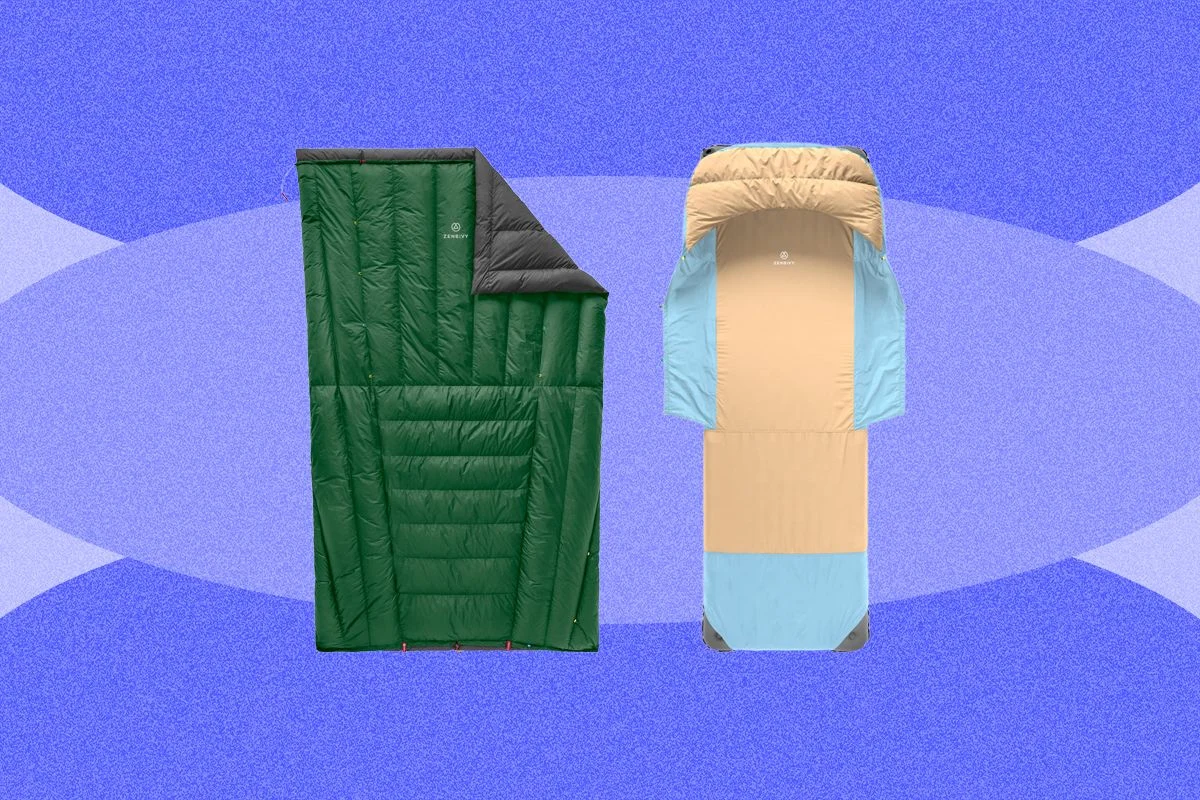
The landscape of backcountry exploration is undergoing a fundamental shift in how adventurers approach sleep systems. For decades, the "mummy" sleeping bag—a restrictive, cocoon-like enclosure—was the undisputed gold standard for hikers, mountaineers, and campers. However, a growing movement within the ultralight backpacking community and broader outdoor industry is increasingly favoring the backpacking quilt. This transition is driven by a combination of thermodynamic efficiency, weight reduction, and a demand for improved sleep ergonomics. Unlike the traditional sleeping bag, which wraps entirely around the user, a quilt functions as a top-layer insulation system, designed to be used in conjunction with a high-performance sleeping pad. This modular approach to backcountry sleep is not merely a niche trend but a significant evolution in outdoor gear design, prioritizing functionality over long-standing tradition.
The Technical Divergence: Understanding the Quilt vs. Sleeping Bag
To understand the rise of the quilt, one must first examine the inherent design limitations of the traditional sleeping bag. The "mummy bag" was designed to trap a layer of warm air around the entire body. However, the fundamental science of insulation reveals a significant inefficiency in this design. Down and synthetic fills provide warmth by creating "loft"—pockets of trapped air that prevent body heat from escaping. When a sleeper lies inside a sleeping bag, the weight of their body compresses the insulation beneath them. This compressed material loses its ability to trap air, rendering the bottom layer of a sleeping bag largely ineffective as a thermal barrier.
The backpacking quilt addresses this inefficiency by removing the bottom layer of the bag entirely. By eliminating the useless, compressed insulation and the associated nylon fabric, manufacturers can significantly reduce the overall weight and packed volume of the sleep system. In this configuration, the user relies on their sleeping pad to provide the necessary insulation from the cold ground. This design has led to the "taco versus burrito" analogy often cited by gear experts: while a sleeping bag wraps the user like a burrito, a quilt provides a soft, warm layer on top, much like a taco shell or a traditional bed duvet.
The Thermodynamics of Backcountry Sleep
The efficiency of a quilt is predicated on the performance of the integrated sleep system. In a traditional setup, the sleeping bag acts as a self-contained unit. In a quilt setup, the sleeping pad becomes a critical thermal component. The effectiveness of this system is measured by the R-value of the pad—a metric of thermal resistance.
For summer conditions, an R-value of approximately 3.0 is generally considered sufficient. However, as temperatures drop, the importance of the pad increases. Data suggests that when using a quilt rated for 20 to 30 degrees Fahrenheit, a pad with an R-value of 5.0 or higher is necessary to maintain core temperature in sub-freezing environments. This reliance on the pad allows the quilt to remain lightweight; for example, a high-end 40-degree quilt may weigh as little as 17 to 22 ounces, whereas a comparable mummy bag often exceeds 30 ounces. For long-distance thru-hikers on trails like the Appalachian Trail or the Pacific Crest Trail, saving 10 to 15 ounces is a substantial advantage that reduces physical strain and increases daily mileage potential.
Ergonomics and the Psychology of Sleep
Beyond technical specifications, the shift toward quilts is heavily influenced by sleep ergonomics. The restrictive nature of mummy bags has long been a point of contention for "active sleepers"—those who frequently shift positions, sleep on their sides, or prefer to sprawl. The "mummy" design, while thermally efficient in extreme cold, can induce feelings of claustrophobia and lead to "sweat-outs" if the user becomes too warm and cannot easily vent the bag.
Quilts offer a level of versatility that traditional bags cannot match. They allow for easy temperature regulation; a user can simply kick a foot out or drape the quilt loosely on warmer nights. Conversely, on colder nights, most modern quilts feature attachment systems—elastic straps that wrap around the sleeping pad—to cinch the quilt down and prevent drafts. This adaptability makes quilts a superior choice for "three-season" camping, where temperatures can fluctuate wildly between dusk and dawn.
Market Leaders and Product Specifications
The market for backpacking quilts was initially dominated by "cottage" manufacturers—small, specialized companies that cater to the ultralight community. However, major retailers have recently entered the space, validating the quilt’s mainstream appeal.
- Enlightened Equipment (The Revelation): Widely regarded as the industry standard for thru-hikers, the Revelation quilt is known for its customizability. It utilizes 850-fill-power down and offers a 20-inch zipper and drawstring at the footbox, allowing it to transition from a flat blanket to a closed-toe sleep system.
- REI Co-op (Magma Trail Quilt): Representing the move into mainstream retail, the Magma offers a competitive warmth-to-weight ratio at a lower price point. It features a zippered footbox and weighs approximately 24 ounces for the long/wide version, making it accessible to the general backpacking public.
- Zenbivy (The Light Bed): Zenbivy has introduced a hybrid "sleep system" that attempts to bridge the gap between quilts and bags. Their design includes a "sheet" that attaches to the sleeping pad with a built-in hood, effectively eliminating the draft issues often associated with traditional quilts.
- Nemo Equipment (Pulse Quilt): Known for innovative design, Nemo’s entry into the quilt market focuses on sustainable materials and integration with their existing line of ultralight sleeping pads.
The Critical Role of the Sleeping Pad
As quilts gain popularity, the technical specifications of sleeping pads have come under increased scrutiny. The transition to a quilt-only system places a premium on the texture and insulation of the pad. Industry data shows that direct skin contact with certain ultralight pad materials, such as the nylon used in the Therm-a-Rest NeoAir XLite NXT, can be uncomfortable due to moisture buildup and noise.
To mitigate this, many quilt users have adopted the use of dedicated base layers or "sleep clothes." Furthermore, the industry has seen a rise in the popularity of high-insulation pads, such as the Exped Ultra 6.5R, which provides a thermal barrier capable of supporting quilt use in "shoulder season" conditions where temperatures dip toward 30 degrees Fahrenheit. The synergy between a high-R-value pad and a down quilt creates a modular system that is lighter and often more comfortable than a single heavy sleeping bag.
Winter Performance and Design Limitations
Despite the advantages of quilts, they are not a universal solution. Professional mountaineers and winter campers remain cautious about adopting quilts for extreme sub-zero environments. The primary deficiency of a quilt in winter is the lack of an integrated hood and a complex draft collar. In temperatures below 15 degrees Fahrenheit, the risk of heat loss through the head and through "bellows action"—where movement forces warm air out the sides of the quilt—becomes a safety concern.
While some advanced systems, like the Zenbivy -5 degree Light Bed, have successfully utilized quilts in deep winter conditions, most experts recommend a 15-degree "cutoff" for standard quilt use. For temperatures colder than this, the "burrito" style mummy bag remains the safest option, providing a redundant seal against the elements that a modular quilt system cannot yet perfectly replicate.
Broader Industry Impact and Implications
The rise of the quilt signifies a broader trend in the outdoor industry toward "modular gear." Consumers are no longer looking for one-size-fits-all solutions; instead, they are investing in components that can be mixed and matched based on the specific requirements of a trip. This shift has forced traditional gear manufacturers to innovate, leading to lighter materials, higher-quality down (such as 900 and 950 fill power), and more sophisticated attachment systems.
Furthermore, the economic impact is notable. Small-scale manufacturers like Katabatic Gear and Feathered Friends have seen increased demand, leading to longer lead times and a robust secondary market for used gear. The success of these companies has prompted major players like REI and Nemo to rethink their product lines, ensuring that quilts are now a staple in any major outdoor equipment store.
Conclusion: The Future of the Backcountry Sleep System
The transition from sleeping bags to quilts represents a logical progression in the pursuit of efficiency. By removing unnecessary material and focusing on the points of contact where insulation actually functions, the outdoor industry has created a more comfortable and portable solution for the modern hiker. While the mummy bag will likely always have a place in high-altitude mountaineering and extreme winter expeditions, the quilt has firmly established itself as the superior choice for three-season backpacking.
As material science continues to advance—potentially introducing new synthetic insulations that mimic the loft of down without the moisture sensitivity—the weight of these systems will likely drop even further. For the modern adventurer, the choice is clear: the era of the restrictive sleeping bag is giving way to the versatility and freedom of the quilt, fundamentally changing the way we experience rest in the wild.







