rifanmuazin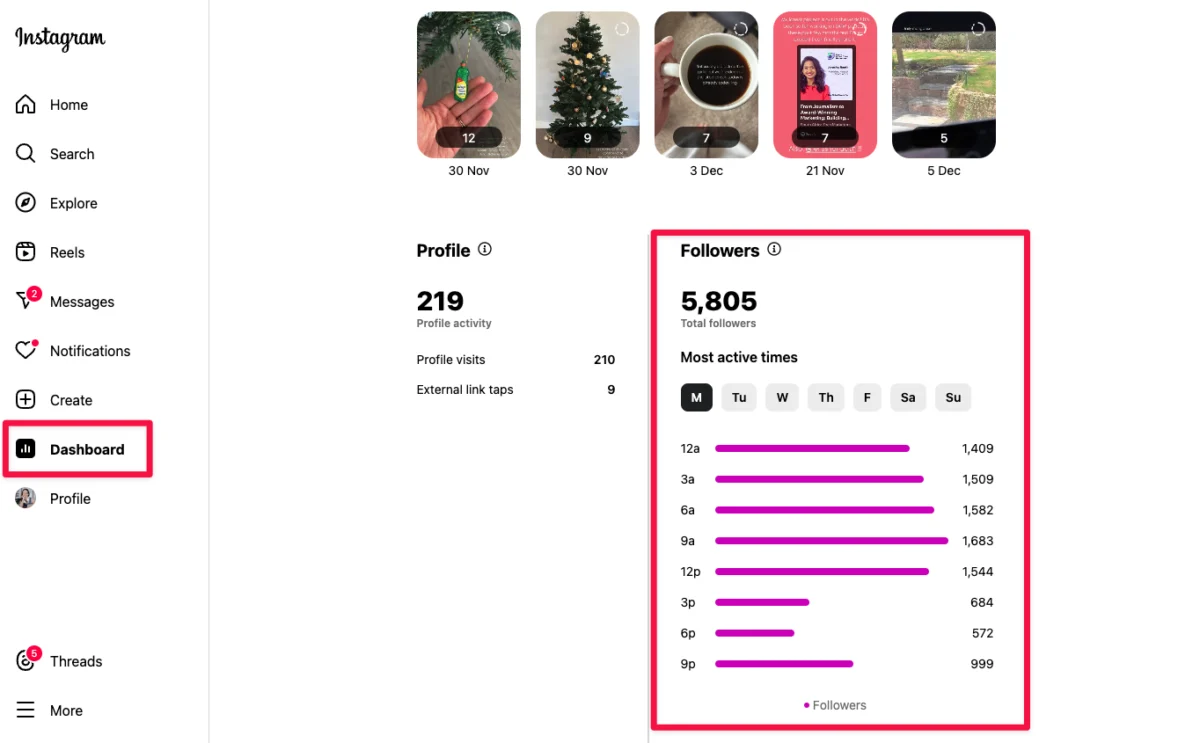
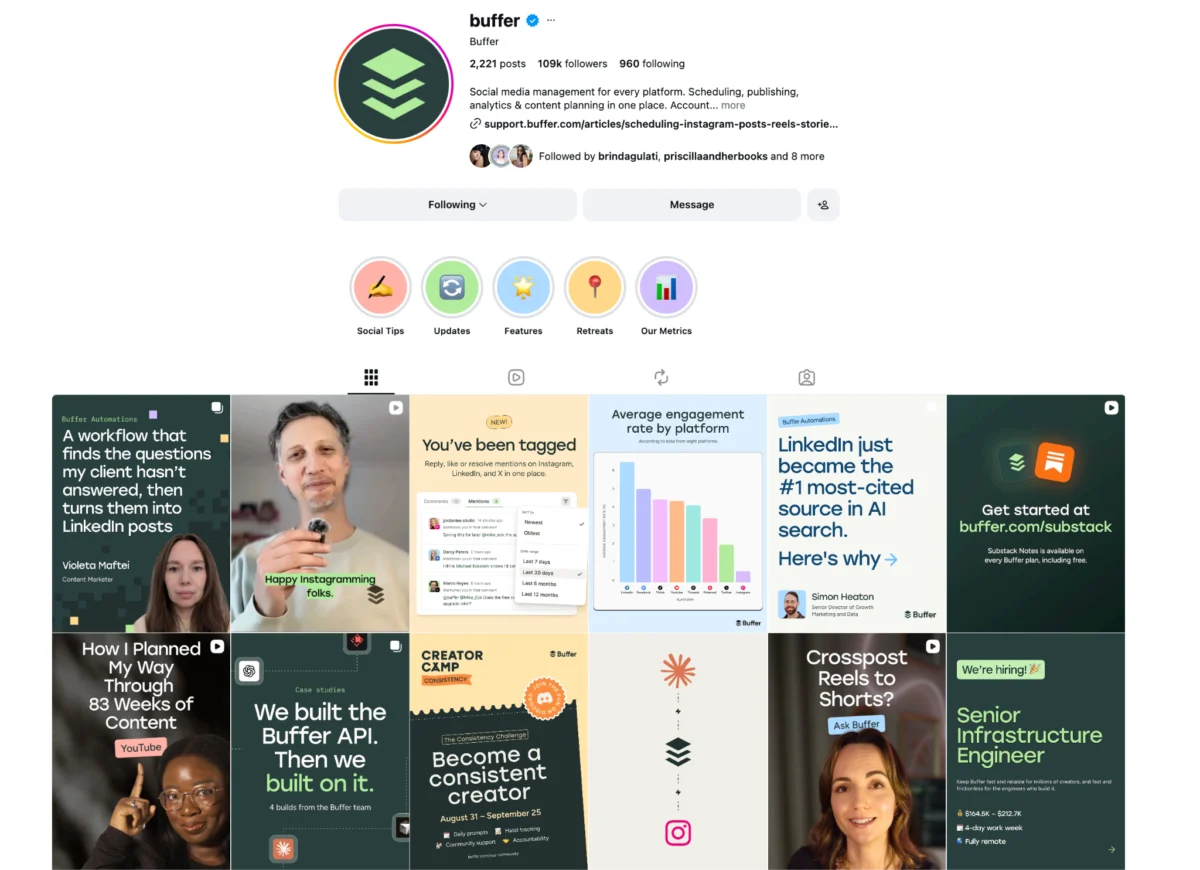
A comprehensive analysis by Buffer, a leading social media management platform, has identified Thursday at 9 a.m., Wednesday at 12 p.m., and Wednesday at 6 p.m. as the most opportune moments to publish content on Instagram for the year 2026. This pivotal insight, drawn from a vast dataset of 9.6 million Instagram posts, underscores the enduring significance of timing in digital content strategy, even as social media algorithms continuously evolve. The findings are a cornerstone of Buffer’s "State of Social Engagement 2026" report, a broader examination of over 52 million posts across ten platforms from more than 200,000 accounts, meticulously gathered between January 2024 and December 2025.
The perennial question of when to post on Instagram has long captivated marketers, creators, and casual users alike. In an era where content saturation is the norm, the precise moment a post goes live can critically influence its visibility and engagement metrics. As the report highlights, dedicating considerable effort to crafting compelling content only to release it into an "Instagram dead zone" can result in minimal interaction, often described as "crickets." Conversely, strategically timed posts—whether Instagram Stories, Reels, feed posts, or Carousels—land on an audience’s feed when they are most active and receptive, significantly increasing the likelihood of success.
The Algorithmic Imperative: Engagement as a Core Metric
![Best Time to Post on Instagram: 2026 Data from 9.6M Posts [Updated May 2026]](https://storage.ghost.io/c/6d/21/6d217297-aa70-41fe-b68d-e29e411dd3ed/content/images/2026/01/best-time-to-post-on-instagram-2026.png)
The Instagram algorithm, a complex system designed to surface the most relevant and engaging content to users, heavily relies on engagement signals. Likes, comments, shares, and reposts are not merely vanity metrics; they are crucial indicators that inform the algorithm about the value and appeal of a piece of content. When a post garners high engagement shortly after publication, the algorithm interprets this as a sign of quality and relevance, subsequently amplifying its reach to a broader audience. This dynamic makes understanding peak engagement times a fundamental component of any effective social media strategy.
Buffer’s methodology for this extensive study involved measuring median engagement rates, calculated as (likes + comments + shares + saves / followers x 100). This approach was specifically chosen to prevent results from being skewed by outlier posts or exceptionally large accounts, thereby ensuring the applicability of the insights to a diverse range of users, from nascent creators to established brands. Furthermore, all recommended times have been normalized to the user’s local timezone, eliminating the need for complex conversions and making the data universally actionable, whether one is located in Eastern Standard Time (EST), Pacific Standard Time (PST), or Indian Standard Time (IST).
Key Findings: Unpacking the 2026 Engagement Landscape
The analysis revealed distinct patterns in user behavior and engagement across the week. While the quality of content remains paramount, timing demonstrably influences reach and interaction rates. Surprisingly, evening hours, specifically from 6 p.m. to 11 p.m., consistently emerged as periods of strong engagement across most days of the week. This trend suggests that a significant portion of Instagram’s global user base, particularly the 25-to-34-year-old demographic (which constitutes over a third of Instagram users, according to Statista), frequently checks the app during their post-work wind-down routines.
![Best Time to Post on Instagram: 2026 Data from 9.6M Posts [Updated May 2026]](https://storage.ghost.io/c/6d/21/6d217297-aa70-41fe-b68d-e29e411dd3ed/content/images/2026/01/best-time-to-post-instagram-2026-heatmap.png)
The Midweek Momentum: Wednesday and Thursday Dominate
Wednesday stands out as the highest-performing day for Instagram engagement, with two of the top three global posting times falling on this day: 12 p.m. and 6 p.m. The midday spike around noon is particularly noteworthy, aligning with typical lunch breaks—a prime window for casual scrolling. This observation suggests that users often turn to social media for a brief respite during their workday, seeking entertainment or updates from their favorite accounts.
Thursday closely follows Wednesday in terms of engagement potential. Intriguingly, Thursday presents a counterintuitive pattern: morning hours, specifically 9 a.m., 8 a.m., and 7 a.m., significantly outperform evening hours. This "Thursday 9 a.m. anomaly" is hypothesized to stem from users engaging with content as they finalize end-of-week plans or seek inspiration for the upcoming weekend. It suggests a proactive, planning-oriented engagement distinct from the more relaxed evening scrolling.
Daily Engagement Breakdown for Strategic Posting:
![Best Time to Post on Instagram: 2026 Data from 9.6M Posts [Updated May 2026]](https://storage.ghost.io/c/6d/21/6d217297-aa70-41fe-b68d-e29e411dd3ed/content/images/2026/01/best-day-to-post-instagram-2026-.png)
- Monday (Moderate Engagement): The best time to post is 7 p.m., with 6 p.m. and 8 p.m. also yielding strong results. Monday evenings mark the audience’s return to their feeds after the initial workday rush, making the early evening a crucial window to capture attention.
- Tuesday (High Engagement): Optimal posting times are 7 p.m., 3 p.m., and 5 p.m. Tuesday solidifies its position as the third strongest day overall, with engagement extending from mid-afternoon into the early evening.
- Wednesday (Highest Engagement): Peak times are 12 p.m., 6 p.m., and 8 a.m. This day boasts the highest engagement rates, with a unique midday surge likely driven by lunch-break activity.
- Thursday (Highest Engagement): The best times are 9 a.m., 8 a.m., and 7 a.m. Thursday is the only weekday where morning engagement consistently surpasses evening activity, suggesting a distinct user behavior pattern.
- Friday (Low Engagement): Posting at 10 p.m., 9 p.m., or 6 a.m. offers the best chance, though overall engagement is significantly lower. Fridays generally represent a "hold-the-line" day rather than a peak opportunity.
- Saturday (Low Engagement): Similar to Friday, Saturday sees significantly reduced engagement. The optimal times are 9 p.m., 10 p.m., and 8 p.m., catering to lighter, end-of-weekend content.
- Sunday (Moderate Engagement): Sunday evenings, specifically 9 p.m., 10 p.m., and 8 p.m., offer the strongest weekend window as users unwind before the start of the new week.
Worst Times and Days to Avoid:
The analysis definitively identified 1 a.m. to 5 a.m. on any given day as the worst times to post, with engagement consistently bottoming out during these overnight hours when most audiences are asleep. Furthermore, Friday and Saturday emerged as the weakest days overall for engagement, regardless of the specific time slot. Social media strategists are advised to reserve their most critical content for midweek to maximize reach and interaction.
Content Type Considerations: Reels, Carousels, and Stories
While the overall peak engagement windows generally apply across all content formats, Buffer’s report acknowledges the nuanced ways users interact with different Instagram features. Adam Mosseri, Head of Instagram, has previously offered insights into user intent: "People tend to look for their closest friends in stories, use explore to discover new content and creators, and be entertained in reels."
![Best Time to Post on Instagram: 2026 Data from 9.6M Posts [Updated May 2026]](https://storage.ghost.io/c/6d/21/6d217297-aa70-41fe-b68d-e29e411dd3ed/content/images/2026/05/image-6.png)
- Instagram Reels: Given their entertainment-led nature, Reels perform best during evening hours (6 p.m. to 11 p.m.) on Wednesdays and Thursdays. This aligns with users seeking entertainment during their wind-down periods.
- Instagram Carousels: These multi-image or video posts, which encourage users to swipe through, see strong engagement during the midday (12 p.m.) and post-work (6 p.m.) windows on Wednesdays, as well as Thursday mornings (9 a.m.). This suggests users engage with Carousels when they have dedicated time to absorb more detailed content.
- Instagram Stories: Due to their 24-hour ephemeral nature, consistency is more crucial than precise timing for Stories. Mosseri recommends sharing one to two Stories daily to maintain a healthy weekly cadence and stay top-of-mind for followers.
Implications for Marketers and Creators
These findings carry significant implications for anyone seeking to optimize their Instagram presence in 2026. For businesses, aligning product launches, promotional campaigns, or crucial announcements with peak engagement times can substantially boost visibility and conversion rates. Content creators and influencers can leverage this data to schedule their most impactful posts for maximum audience interaction, fostering community growth and algorithmic favor.
A Buffer spokesperson, commenting on the report, emphasized the strategic advantage these insights provide: "Understanding these platform-wide trends offers a powerful starting point for any social media strategy. It’s about working smarter, not just harder, to ensure your carefully crafted content reaches its intended audience when they are most receptive."
However, the report also stresses that these general guidelines are a foundation, not a rigid rulebook. The ultimate success lies in a blend of strategic timing and high-quality, relevant content. "Timing can’t save a weak post," the report clarifies, positioning timing as "the cherry on top of your strategy, not the cake itself."
![Best Time to Post on Instagram: 2026 Data from 9.6M Posts [Updated May 2026]](https://storage.ghost.io/c/6d/21/6d217297-aa70-41fe-b68d-e29e411dd3ed/content/images/2026/05/image-7.png)
Beyond General Trends: Personalized Optimization
While the global data provides invaluable benchmarks, the most effective strategy involves personalizing these insights. Both Instagram’s native "Insights" tool (available for Professional accounts) and advanced analytics platforms like Buffer Analytics offer granular data on a specific audience’s activity patterns. These tools can reveal when your unique followers are most active, which may diverge from the broader platform averages.
For instance, Buffer’s internal data shows that while the general audience peaks for Buffer’s Instagram account are between 3 p.m. and 6 p.m., an individual user’s personal audience might be most active between 6 p.m. and 9 p.m., underscoring the importance of proprietary analytics.
The Evolving Algorithm: "Sends per Reach" as a Dominant Signal
![Best Time to Post on Instagram: 2026 Data from 9.6M Posts [Updated May 2026]](https://storage.ghost.io/c/6d/21/6d217297-aa70-41fe-b68d-e29e411dd3ed/content/images/2026/01/buffer-instagram-analytics.png)
The report also delves into the Instagram algorithm’s evolving priorities, highlighting "sends per reach" (how often a post or Reel is DMed to a friend) as Instagram’s number one ranking signal in 2026, according to Adam Mosseri. This emphasis on private sharing signifies a shift towards content that fosters deeper connections and conversations. Strategically timed posts that hit when users are most engaged are more likely to be shared privately, thereby significantly boosting algorithmic favor and overall reach.
Frequency and Consistency: A Holistic Approach
Beyond individual posting times, the report also touches on optimal posting frequency. Buffer’s analysis suggests that posting 3 to 5 times per week (including Reels, Carousels, or photo posts), complemented by 1 to 2 daily Instagram Stories, represents the "sweet spot" for maximizing reach without over-saturating one’s audience. Consistent presence, coupled with intelligent timing, is identified as a robust pathway to sustained growth and engagement.
In conclusion, the "State of Social Engagement 2026" report from Buffer provides critical, data-backed guidance for navigating the intricate landscape of Instagram engagement. By understanding when audiences are most receptive, what content they seek at different times, and how the platform’s algorithm prioritizes interactions, marketers, creators, and individuals can significantly enhance the impact and reach of their Instagram presence in the coming year. The emphasis remains on a strategic, data-informed approach, where timing serves as a powerful accelerator for high-quality content.