
 Ali Ikhwan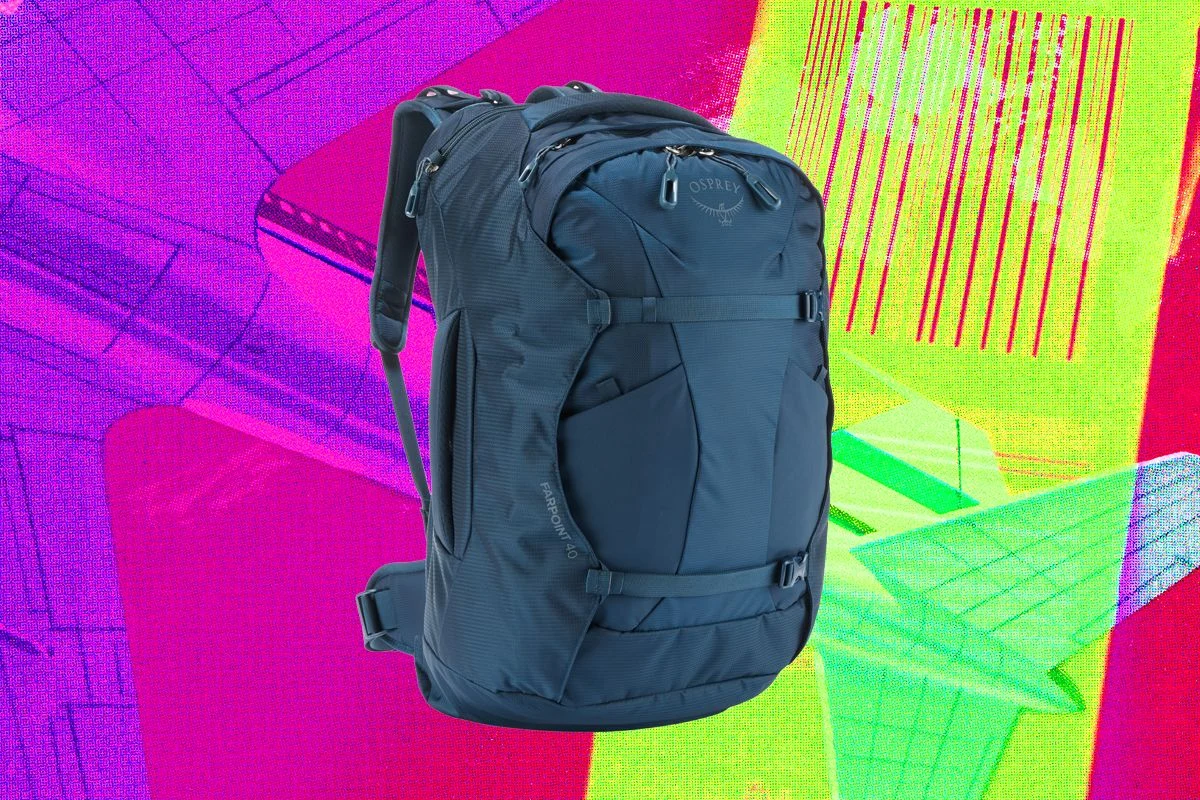
The travel gear industry has witnessed a significant shift toward "one-bag travel," a philosophy that prioritizes mobility and efficiency by eschewing checked luggage in favor of a single, carry-on-compliant backpack. Within this competitive market, the Osprey Farpoint 40 has emerged as a cornerstone for travelers who struggle with the constraints of traditional packing. Originally designed to bridge the gap between a technical trekking pack and a structured suitcase, the Farpoint 40 has undergone several iterations since its inception, solidifying its reputation for durability and ergonomic design. The bag serves a dual purpose: providing enough volume for multi-week excursions while maintaining dimensions that adhere to the strict carry-on regulations of major domestic and international airlines.
Technical Specifications and Design Architecture
The Osprey Farpoint 40 is engineered with a 40-liter capacity, a volume widely considered the "sweet spot" for long-term travel without the need for baggage claim. The bag is constructed from high-tenacity nylon—specifically 450D recycled twist-stop polyester in newer models—which provides significant abrasion resistance. The architectural core of the pack is the LightWire frame suspension. This 3.5mm peripheral frame effectively transfers the weight of the load from the shoulders to the padded hip belt, a feature often missing in standard travel duffels.
The harness system is a distinguishing factor of the Farpoint series. Unlike many travel backpacks that offer rudimentary straps, the Farpoint features a contoured mesh back panel designed for breathability. For scenarios where the bag must be checked or stowed in tight quarters, the entire harness system—including the shoulder straps and hip belt—can be unclipped and zipped behind a dedicated fabric panel. This transformation converts the backpack into a sleek, handheld duffel, preventing straps from becoming entangled in conveyor belts or overhead bin hardware.
A Chronology of Field Testing: 2018 to Present
The durability of the Farpoint 40 is best illustrated through its performance over an extended six-year testing period. The initial assessment began in 2018 during a 20-day multi-city expedition across Asia. This itinerary included diverse urban and transit environments, spanning Shanghai, Tokyo, Osaka, Kyoto, Busan, Seoul, and Hong Kong. Throughout this period, the bag was subjected to the logistical rigors of high-speed rail, international flights, and the dense pedestrian traffic characteristic of East Asian metropolises.
Following the 2018 tour, the bag was utilized for numerous domestic trips within the United States, covering both the East and West Coasts. The testing conditions included:
- Transit Variability: The bag was frequently stowed in overstuffed vehicle trunks, overhead bins of regional jets, and the floors of subway cars.
- Environmental Exposure: It served as a makeshift shield during summer thunderstorms and was subjected to the high humidity and heat of tropical climates.
- Mechanical Stress: The zippers and seams were consistently tested by packing the volume to its absolute limit, requiring the internal compression straps to alleviate tension on the external fasteners.
By 2024, after hundreds of hotel stays and dozens of road trips, the original 2018 unit remained fully functional. Although the exterior showed aesthetic signs of wear—such as fraying on the chest strap and minor staining on the outer shell—the structural integrity of the frame and the fluidity of the zippers remained uncompromised.
Internal Organization and Cargo Management
For the habitual "overpacker," the Farpoint 40 offers a strategic layout designed to maximize space. The main compartment features a large, panel-loading aperture, similar to a suitcase, which allows for easy access to items at the bottom of the bag. Internal compression straps are integrated into the main hold to secure clothing and minimize bulk.
The bag’s organizational ecosystem includes:
- Dedicated Laptop Sleeve: Positioned to protect electronics, the sleeve includes a zippered pocket suitable for tablets or e-readers.
- Mesh Storage: A large zippered mesh pocket on the inner front flap provides a separate area for smaller items such as undergarments, socks, or toiletries.
- External Access Pockets: A small "slash" pocket at the top of the bag allows for the quick retrieval of passports, keys, or liquids during security screenings.
- Dual Front Mesh Pockets: These are designed for water bottles or footwear, though their utility can be limited when the main compartment is fully expanded.
One of the most praised features in long-term reports is the zipper quality. Osprey utilizes heavy-duty YKK zippers that are lockable, providing an added layer of security for travelers staying in communal environments like hostels.

Ergonomics and the User Experience
Despite its 40-liter capacity, the Farpoint 40 is designed to maintain a stable center of gravity. For travelers with smaller frames—such as those approximately 5’1" in height—the pack can appear oversized; however, the adjustable sternum strap and load lifters allow for a customized fit. The inclusion of a built-in whistle on the sternum strap is a safety feature intended for backcountry use that translates well to emergency situations in urban travel.
Ventilation is another critical component of the user experience. The AirScape back panel (in newer versions) or the padded mesh (in older versions) creates a chimney effect, allowing air to circulate between the wearer’s back and the bag. This is particularly relevant for travelers navigating "last-mile" distances on foot in warm climates, where heat dissipation is essential for comfort.
Product Evolution: Farpoint vs. Fairview
In response to consumer feedback regarding fit and anatomy, Osprey introduced the Fairview 40, a women’s-specific counterpart to the Farpoint. The Fairview features a harness designed with a narrower neck width and shoulder straps angled to accommodate a wider range of chest sizes. Additionally, the hip belt on the Fairview is shaped to better fit the female pelvis.
In 2022, Osprey updated both the Farpoint and Fairview lines. The newer models incorporated several changes:
- Weight Reduction: The use of lighter, recycled materials reduced the overall weight of the empty pack.
- Laptop Placement: The laptop sleeve was moved from the front of the bag to the back, closer to the wearer’s spine. This change improved weight distribution and provided better protection for the device.
- Daypack Compatibility: The current version features external attachment points for the Farpoint/Fairview Daypack, allowing for a "turtle-style" carry that expands the total capacity to 55 liters for longer journeys.
Market Context and Industry Standards
The Osprey Farpoint 40 competes in a crowded market alongside brands like Peak Design, Aer, and Patagonia. While competitors often focus on aesthetic minimalism or "tech-heavy" organization, Osprey’s advantage lies in its heritage as a technical pack manufacturer. Industry analysts note that Osprey’s "All Mighty Guarantee"—a lifetime warranty that covers repairs for any reason—remains a significant factor in consumer loyalty.
Data from travel gear aggregators suggests that the 40-liter size remains the most popular category for international travelers. According to TSA guidelines and the International Air Transport Association (IATA), the standard carry-on size is approximately 22 x 14 x 9 inches. The Farpoint 40 is designed to meet these dimensions, though travelers are cautioned that overstuffing the front pockets can occasionally exceed the depth limit, necessitating the use of the external compression straps to "cinch" the bag back into compliance.
Broader Impact and Sustainability
As the travel industry faces increasing scrutiny over its environmental footprint, Osprey has transitioned the Farpoint line toward more sustainable manufacturing processes. The shift to 100% recycled fabrics and PFC/PFAS-free DWR (Durable Water Repellent) coatings reflects a broader trend in the outdoor industry toward "circular" product lifespans. By building a bag that lasts six years or longer, the company effectively reduces the frequency of replacement, thereby lowering the total waste generated per consumer.
Furthermore, the Farpoint 40 has influenced the "digital nomad" movement. By providing a reliable way to transport work equipment (laptops and peripherals) alongside personal belongings in a single rugged container, the bag has become a staple for remote workers who prioritize mobility over permanent residence.
Final Assessment of Utility
The Osprey Farpoint 40 stands as a testament to the efficacy of specialized travel engineering. Its ability to accommodate the needs of an "overpacker" while remaining within the confines of a carry-on shell makes it a unique tool in the modern traveler’s arsenal. While its aesthetics are more functional than fashionable, its performance in varied climates and transit conditions over more than half a decade suggests that it remains one of the most reliable investments in the travel gear market. Whether utilized for a three-week tour of Asia or a weekend domestic trip, the Farpoint 40’s blend of capacity, durability, and ergonomic comfort continues to set the benchmark for the one-bag travel experience.







