Reynand Holland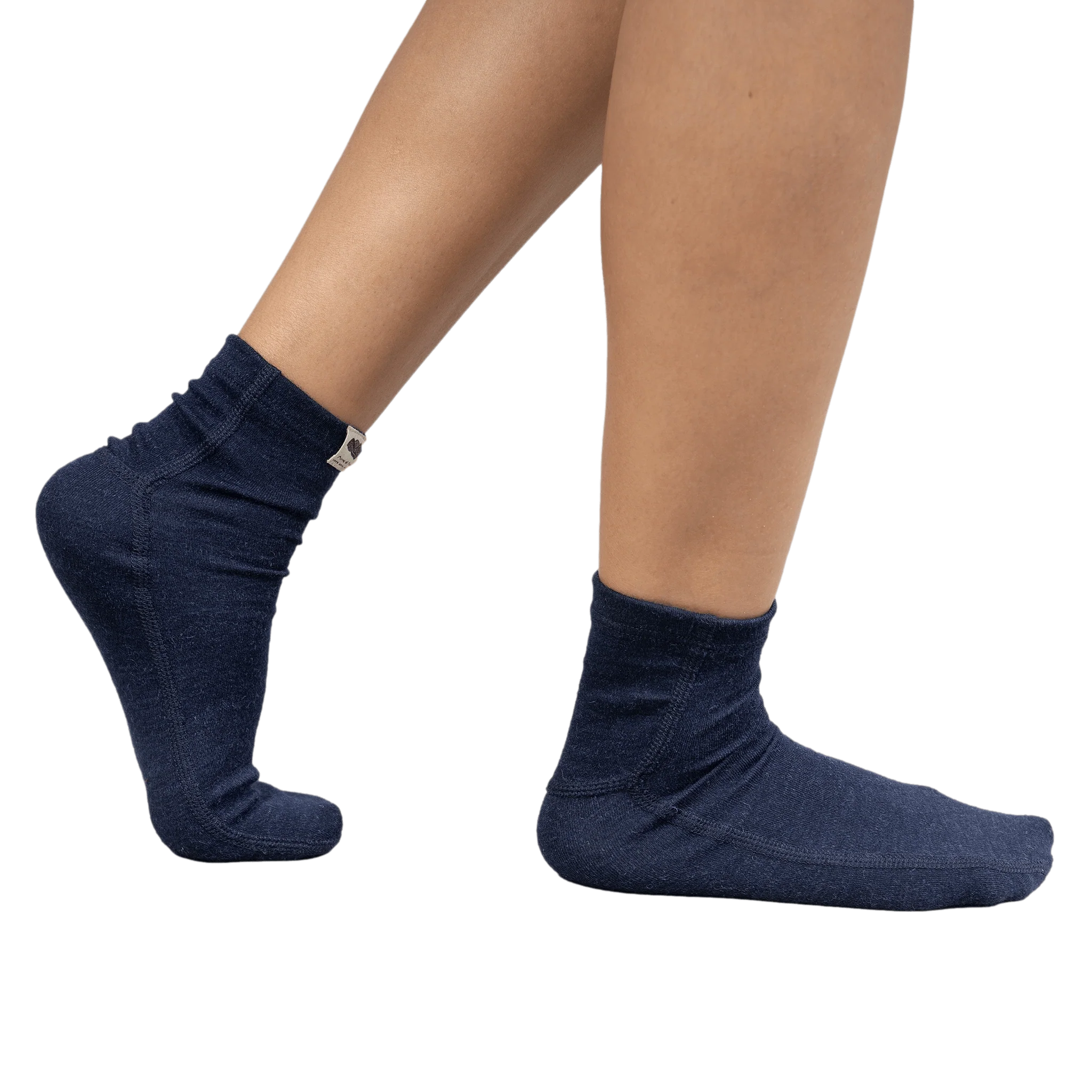
Socks, often overlooked as a mere accessory, play a surprisingly significant role in our daily comfort and well-being. For individuals experiencing itchiness or skin irritation, particularly when wearing brightly colored synthetic socks, the choice of material and dye can be a critical factor. The pervasive use of plastic-based fibers and certain chemical dyes in conventional sock manufacturing poses not only an environmental concern but also a direct risk to consumer health, with potential links to skin sensitization and even carcinogenic effects when absorbed through the skin, especially in the presence of sweat.
The shift towards socks crafted from natural fibers and treated with skin-safe dyes is gaining momentum as consumers become more aware of the potential health implications associated with synthetic materials and toxic chemicals. This movement is driven by a growing understanding that what touches our skin throughout the day, even something as seemingly innocuous as socks, can have a profound impact.
The Chemical Footprint of Footwear
The synthetic fibers commonly found in socks, such as polyester, are often dyed using azo-benzene disperse dyes. These dyes have been identified as potent skin sensitizers, capable of triggering allergic reactions and contact dermatitis in susceptible individuals. Beyond immediate irritation, scientific research has raised concerns about the long-term effects of these chemicals. Studies suggest that when absorbed through the skin, particularly when amplified by the moisture and heat generated during physical activity, these dyes can pose a carcinogenic risk. The intimate and prolonged contact that socks have with our skin makes this absorption pathway a particular area of concern.
Beyond the direct health impacts, the production of synthetic fibers and the dyes used in their coloration contribute significantly to environmental pollution. The manufacturing processes are often energy-intensive, rely on fossil fuels, and can release harmful chemicals into waterways. The non-biodegradable nature of synthetic materials also exacerbates the global plastic waste crisis, with discarded socks contributing to landfill burden and microplastic pollution.
A Paradigm Shift: Embracing Natural and Sustainable Sock Choices
Fortunately, the market is responding to these concerns with a growing array of brands prioritizing natural materials, non-toxic dyes, and ethical production practices. Consumers seeking comfortable, healthy, and environmentally responsible sock options now have a wealth of choices that do not require sacrificing style or pattern. The key lies in understanding what to look for:
Natural Materials: The Foundation of Foot Health
The most impactful change consumers can make is to opt for socks made from 100% natural fibers. While the inclusion of a small percentage of elastane for stretch is common and generally well-tolerated, finding truly synthetic-free options can be challenging. Brands like Cottonique and Arms of Andes have successfully achieved this, offering socks made entirely from natural materials. For most other brands, a blend is typical, and it’s advisable to seek out options where natural fibers form the majority composition.
- Merino Wool: Renowned for its natural odor-resistance and moisture-wicking properties, merino wool is an exceptional choice for socks. Look for certifications like the Responsible Wool Standard (RWS), which guarantees that the wool is sourced ethically and without the painful practice of mulesing.
- Alpaca Wool: Similar to merino, alpaca wool offers excellent warmth, softness, and natural odor control. It’s also a sustainable option, with alpacas generally requiring less land and water than sheep.
- Organic Cotton: A staple in sustainable fashion, organic cotton is grown without synthetic pesticides and fertilizers, making it gentler on the skin and the environment. Certifications like GOTS (Global Organic Textile Standard) ensure rigorous environmental and social criteria.
- Tencel (Lyocell): Derived from wood pulp, Tencel is known for its breathability, softness, and moisture-wicking capabilities. Its production process is also more environmentally friendly than conventional rayon.
- Linen: A strong and durable fiber, linen is highly breathable and becomes softer with wear. It’s also a relatively low-impact crop to grow.
- Bamboo Viscose: While often touted as eco-friendly, it’s important to note that bamboo viscose production can involve harsh chemicals. Look for brands that use closed-loop systems and ensure transparency in their manufacturing processes.
For those not highly sensitive to synthetics, blends incorporating recycled materials like nylon and polyester can be a more sustainable choice than virgin synthetics, provided the natural fiber content remains predominant.
Non-Toxic Dyes and Finishes: Color Without Compromise
The vibrant hues we associate with fun socks can sometimes come at a chemical cost. For individuals with sensitivities, opting for undyed socks is the safest approach, allowing the natural colors of the fibers to shine. For those who prefer colored socks, certifications like Oeko-Tex and bluesign are crucial indicators of safety.
- Oeko-Tex: This independent certification system tests for harmful substances in textiles at every stage of production. Products bearing the Oeko-Tex label are guaranteed to be free from a wide range of chemicals that could be detrimental to human health.
- bluesign®: The bluesign® system goes a step further, not only ensuring that final products are free from harmful chemicals but also scrutinizing the entire production process for resource efficiency, consumer safety, and environmental impact.
Brands that openly share their Restricted Substances Lists (RSLs) demonstrate a commitment to chemical management and consumer safety.
Traceable and Ethical Supply Chains: Knowing Where Your Socks Come From
Transparency in the supply chain is paramount for ensuring ethical production. Brands that openly share information about their manufacturing partners, from raw material sourcing to final assembly, empower consumers to make informed choices. Certifications like Fair Trade, WRAP (Worldwide Responsible Accredited Production), and B Corp provide further assurance that products are made under fair labor conditions and with respect for human rights.
Sustainable Packaging: The Final Touch
Even the packaging of socks can reflect a brand’s commitment to sustainability. The reduction of plastic and the use of compostable, biodegradable, or recycled and recyclable materials are key indicators. Certifications from the Forest Stewardship Council (FSC) for paper and cardboard products signify responsible forest management.
Curated Choices for Conscious Consumers
The following brands represent a selection of those prioritizing natural materials, non-toxic dyes, ethical production, and sustainable packaging, offering consumers a pathway to healthier and more environmentally friendly sock choices.
1. Harvest & Mill: American-Grown, Dye-Free Comfort
Harvest & Mill stands out for its commitment to domestic production and dye-free organic cotton socks. Grown, spun, and knit in the USA, their supply chain is significantly shortened, supporting local economies and reducing transportation emissions. The brand champions sustainability by repurposing or recycling all fabric scraps and utilizing compostable packaging. Their dye-free socks embrace the natural hues of cotton, offering a soft, breathable, and hypoallergenic option for even the most sensitive skin. The crew-style socks provide ample coverage and a comfortable cuff that doesn’t constrict.
2. Subset: Modern Essentials with a Conscience
Formerly known as Knickey, Subset offers PFAS-free and Fair Trade-certified organic cotton socks. Their commitment extends to Oeko-Tex certification, ensuring the absence of harmful chemicals in their dyeing processes. The cotton is sourced from an organic farm in India, where the entire production, from ginning to sewing, takes place. While their socks are noted to be thinner and may contain up to 24% synthetics, their embedded elastic cuffs are designed to avoid direct skin contact, making them a suitable option for those with sensitivities to elastic. They are positioned as a more fashion-forward choice, ideal for pairing with fitted shoes.
3. Paka: Alpaca Warmth with Ethical Roots
Paka, a certified B Corp, crafts durable yet lightweight socks from a blend of alpaca wool and Tencel. These socks are naturally moisture-wicking and odor-resistant, making them ideal for active lifestyles and varying climates. Dyed with Oeko-Tex-certified dyes and spun by Peruvian artisans, Paka prioritizes both quality and ethical craftsmanship. Their commitment to sustainability extends to their biodegradable and compostable packaging. While their socks may contain up to 50% recycled synthetics, the inherent qualities of alpaca wool provide significant comfort and warmth, particularly for those in colder regions.
4. Arms of Andes: Pure Alpaca, Uncompromised
Arms of Andes distinguishes itself by offering 100% alpaca fiber socks, a rarity in the market. Sourced from free-range alpacas in the Andes and certified by Oeko-Tex, these slipper socks are exceptionally soft, moisture-wicking, and well-insulated without any synthetic additions. The brand’s close collaboration with co-op farmers in the Andes ensures ethical sourcing and production from start to finish. Their commitment to minimizing environmental impact is evident in their use of compostable packaging.
5. Cottonique: Allergy-Free Apparel Expertise
Cottonique specializes in entirely synthetic-free apparel, with a particular focus on allergy-free socks. Their 100% cotton socks are latex-free, bleach-free, and hypoallergenic, featuring covered seams to prevent irritation. Developed in consultation with dermatologists, Cottonique products are designed for maximum skin safety. They source organic cotton from India and manufacture in the Philippines, utilizing compostable packaging to further their sustainable mission.
6. Boody: Sustainable Bamboo and Organic Cotton Staples
This Sydney-based brand offers a range of sock thicknesses made from Oeko-Tex-certified organic bamboo viscose, organic cotton, and recycled nylon. Boody adheres to a strict code of conduct and partners with WRAP-certified facilities in China, Vietnam, and India, ensuring ethical manufacturing practices. Their socks provide a comfortable and breathable option for various activities.
7. Kotn: Direct Trade and Traceable Origins
Kotn, a certified B Corp, builds direct trade relationships with Egyptian cotton farmers, ensuring fair prices and traceability throughout its supply chain. Their socks are crafted from organic cotton and dyed using Oeko-Tex-certified dyes. The brand’s commitment to transparency extends to its use of recycled and recyclable packaging. While some of their sock pairs may contain up to 20% synthetics, their overall ethical and sustainable approach makes them a noteworthy choice.
8. Quinn: Eczema-Friendly Design and Ethical Production
Designed with eczema sufferers in mind, Quinn’s garments are built for durability and comfort. Their selection of organic cotton and non-toxic socks includes dye-free, lightweight, and mid-weight options. Designed in Canada and ethically manufactured in Oeko-Tex-certified factories in Portugal and Sri Lanka, Quinn prioritizes both skin health and responsible production. While their cotton is GOTS-certified, the sourcing location is not always specified, and some pairs may contain up to 20% synthetics. The merino wool socks feature a particularly thick heel, offering enhanced warmth and coziness.
9. Cariloha: Bamboo Viscose Comfort with Certifications
This certified B Corp offers hypoallergenic socks made from a blend of bamboo viscose and organic cotton. Their bamboo is sourced from China and is Oeko-Tex and Fair Trade-certified. Cariloha also utilizes FSC-certified paper packaging. While the manufacturing location is not always disclosed, their focus on certified materials and ethical sourcing is commendable.
10. Dedicated: Bold Patterns with Fair Trade Integrity
Dedicated crafts Fair Trade organic cotton socks adorned with vibrant and bold patterns. Their cotton suppliers are WRAP-certified, and the brand provides transparency regarding the manufacturing location of each pair on its product pages. It’s important to note that their socks typically contain up to 25% elastane for stretch.
11. Darn Tough: Vermont-Made Durability and Merino Wool
Darn Tough socks, manufactured in Vermont by a family-owned mill, are synonymous with comfort and durability. Made with RWS-certified merino wool and featuring fun, colorful designs, these socks are also Oeko-Tex-certified. The brand adheres to a strict restricted substances list and employs sustainable packaging practices, including FSC-certified recycled paper, compostable bags, and vegetable-based inks. Their socks can contain up to 50% synthetics, a trade-off for their renowned durability and performance.
12. Nisolo: Upcycled Materials and Living Wages
A certified B Corp, Nisolo is known for its quality leather goods and offers a complementary line of comfortable socks. Made in a family-owned mill in North Carolina, these socks utilize upcycled cotton, linen, wool, and recycled polyester. Nisolo is committed to supply chain transparency and ensuring living wages for its workers. Their packaging is made from recycled materials. A significant consideration is that their socks can contain up to 70% synthetics.
13. Swedish Stockings: Sustainable Hosiery Innovations
Swedish Stockings produces knee-highs and ankle socks with a focus on sustainability. Made in Italy from Oeko-Tex-certified materials including bamboo viscose, organic cotton, organic wool, recycled polyester, and elastane, they offer a range of styles. While some of their socks are fully synthetic, they are actively working towards more sustainable material compositions and production methods.
The Broader Impact: A Call for Conscious Consumption
The increasing availability of ethically produced, naturally-fibered, and non-toxically dyed socks signifies a broader shift in consumer consciousness. As more individuals become aware of the interconnectedness of personal health, environmental well-being, and ethical manufacturing, the demand for such products will continue to grow. This trend not only benefits consumers by providing safer and more comfortable alternatives but also encourages brands to adopt more responsible practices across their entire supply chains. By making informed choices about the socks we wear, we contribute to a more sustainable and healthier future, one step at a time. The implications of this movement extend beyond individual purchases, influencing industry standards and pushing for greater accountability in the textile sector.