Reynand Holland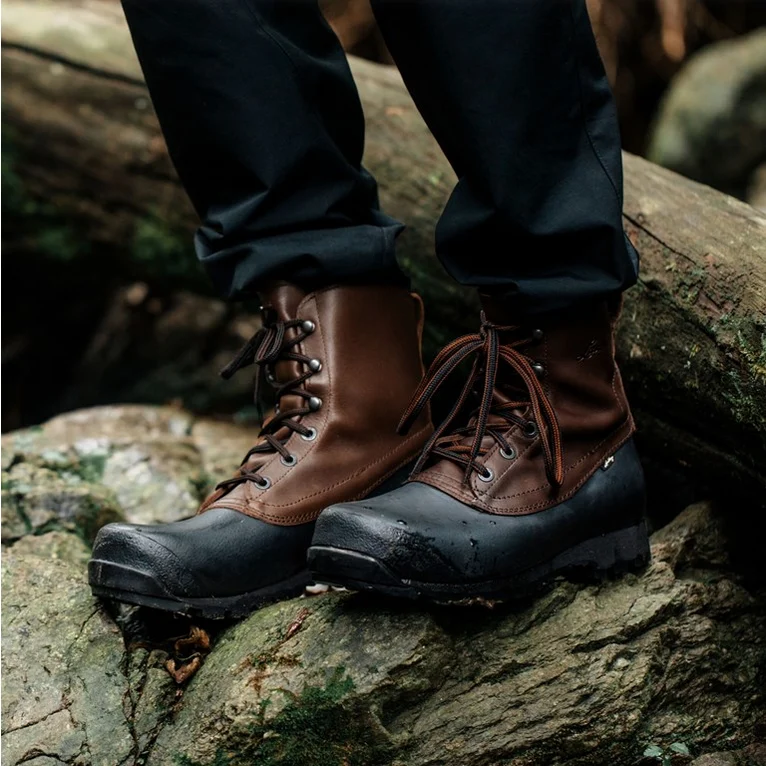
When the winter elements descend, coating landscapes in snow and slush, the footwear chosen is paramount not only for personal comfort and safety but also for environmental stewardship. Truly sustainable winter boots must offer robust weather resistance, possess exceptional durability to withstand years of use, and crucially, be manufactured without the inclusion of toxic waterproof finishes, particularly per- and poly-fluoroalkyl chemicals (PFAS). These "forever chemicals," as they are known by scientists and Durable Water Repellent (DWR) by the industry, have become a pervasive concern in the outdoor gear sector, especially in products designed to combat snow and moisture.
The presence of PFAS in consumer goods, particularly in outdoor and ski gear, has drawn increasing scrutiny from environmental and health advocates. These chemical compounds are lauded by manufacturers for their ability to impart water and stain resistance without compromising breathability, making them a seemingly ideal component for high-performance outerwear and footwear. However, their persistence in the environment and potential health implications are now at the forefront of discussions surrounding sustainable consumer choices.
The Problem with PFAS: A Persistent Threat
The fundamental issue with PFAS lies in their enduring chemical structure, characterized by strong carbon-fluorine bonds. This resilience, which makes them effective water and stain repellents, also means they resist degradation in the environment for extended periods. As PFAS-containing products, such as winter boots, wear down, these chemicals can flake off and enter the surrounding ecosystem. They can contaminate soil, leach into waterways, and ultimately find their way into drinking water supplies. Studies by organizations like the U.S. Environmental Protection Agency (EPA) have extensively documented the widespread presence of PFAS in the environment, raising alarms about long-term exposure risks.
Beyond environmental contamination, PFAS can also pose direct health risks to consumers. Research has linked exposure to these chemicals with a range of adverse health effects, including certain types of cancer, fertility issues, and compromised immune system function. The accumulation of PFAS in the human body, coupled with their ubiquitous presence in consumer products and the environment, creates a complex and concerning public health challenge.
Identifying PFAS-Free Alternatives: A Shift in Industry Standards
The growing awareness of PFAS’s detrimental effects has spurred a movement within the apparel and footwear industries to develop and adopt safer alternatives. Many brands are now actively working to phase out the use of these chemicals in their products, responding to both consumer demand and evolving regulatory landscapes. For consumers seeking to make informed purchasing decisions, understanding how to identify PFAS-free products is essential. Unless a brand explicitly states that its waterproofing finishes are PFAS-free, PFC-free (perfluorinated compounds, a broader category that includes PFAS), or free of fluorinated chemicals, it is prudent to assume that such chemicals may be present.
This growing demand for transparency and safety has led to a burgeoning market of sustainable winter footwear. Numerous brands are now offering stylish and high-performing winter boots that are graded for snow and slush resistance without relying on perfluorinated chemicals. These boots not only aim to keep wearers warm and dry but also prioritize the health of the planet and its inhabitants.
Criteria for Sustainable PFAS-Free Winter Boots
Selecting truly sustainable PFAS-free winter boots involves a multi-faceted approach, considering not only the absence of harmful chemicals but also the materials used, ethical production practices, and the product’s overall lifespan. Key criteria to look for include:
-
Safe and Sustainable Materials: Beyond PFAS-free waterproofing, consumers should scrutinize the primary materials used in boot construction. Naturally water-resistant materials like leather, when sourced responsibly, can be a good option. Certifications from the Leather Working Group (LWG) are an indicator of sustainably processed leather. For boots incorporating recycled materials, look for certifications such as the Global Recycled Standard (GRS), which verifies the recycled content and responsible production. Additionally, certifications from bluesign or adherence to a restricted substances list (RSL) signal a brand’s commitment to responsible chemical management throughout its supply chain.
-
Transparent Supply Chain: A hallmark of a truly sustainable brand is transparency regarding its supply chain. This means understanding where and how products are made, from the sourcing of raw materials to the manufacturing process. Brands that partner with organizations like the Fair Wear Foundation, publicly disclose their factory locations, or uphold a comprehensive code of conduct demonstrate a commitment to ethical labor practices and responsible sourcing.
-
After-Market Repair and Longevity: The concept of sustainability extends to the lifespan of a product. Durable winter boots should be designed for longevity, with brands that offer repair services or readily available replacement parts contributing to this goal. This approach reduces waste and encourages a more circular economy, where products are used and maintained for as long as possible.
Leading Brands in PFAS-Free Winter Footwear
Several brands have emerged as leaders in the production of sustainable, PFAS-free winter boots, offering a range of styles and functionalities that cater to various needs and preferences.
-
Keen Footwear: Keen has taken a pioneering stance in the outdoor industry by being one of the first major brands to commit to a PFAS-free product line. They have openly shared their processes and encouraged other companies to follow suit. Keen’s winter boots are waterproofed using a PFAS-free DWR treatment and are constructed with materials sourced from LWG-certified tanneries. The brand emphasizes ethical manufacturing, with a significant portion of their products made in their own factories and rigorous audits of their suppliers to ensure adherence to their code of conduct. Their price range typically falls between $115 and $250.
-
Jack Wolfskin: This German outdoor brand is dedicated to creating innovative and environmentally conscious gear. Their PFAS-free winter boots often feature their proprietary Texapore technology, providing water and wind resistance. Jack Wolfskin maintains a high level of supply chain transparency, listing all partners, many of whom are bluesign-approved or adhere to strict chemical safety standards. Regular independent inspections ensure fair and safe working conditions across their manufacturing network. Prices for their winter boots range from $120 to $230.
-
Lundhags: With a heritage dating back to 1932, the Swedish brand Lundhags is renowned for its durable and well-crafted outdoor footwear. Their leather boots are manufactured in Europe, often utilizing materials from German tanneries, which contributes to a shorter supply chain. Lundhags distinguishes itself by offering an after-market repair shop, actively promoting the longevity of their products. Their price point is on the higher end, reflecting their commitment to quality and repairability, ranging from $217 to $597.
-
Vaude: Vaude is a German company committed to sustainability across its outdoor product range. Their PFAS-free winter boots utilize a recycled polyester membrane for waterproofing and wind resistance, and they source leather uppers from local tanneries in Germany. Vaude prioritizes product longevity by offering both inexpensive replacement parts and full-service repair options, making it easier for consumers to maintain their footwear. Their boots are priced between $200 and $263.
-
Forsake: Forsake designs LWG-certified waterproof boots in a variety of styles, from casual sneaker-boots to more rugged hiking options. Their parent group maintains a strict code of conduct for all suppliers and conducts regular audits to ensure compliance with ethical and environmental standards. While their commitment to LWG certification is commendable, consumers should verify the specific product page for details on all components, as the sourcing of certain elements like memory foam insoles is not always explicitly detailed. Prices range from $145 to $160.
-
EcoAlf: This certified B-Corp is dedicated to creating vegan and PFAS-free footwear. EcoAlf utilizes GRS-certified recycled polyester and a combination of new and recycled rubber for their boots. They maintain traceability of their supply chain up to Tier 3, demonstrating a commitment to understanding their production process. However, similar to Forsake, clarity on the precise sourcing of all raw materials could be further enhanced. Their price range is $145 to $299.
-
Will’s Vegan Store: Based in the UK, Will’s Vegan Store manufactures its footwear in Italy and Portugal using bio-based leathers and recycled polyester insulation. They emphasize tracing every step of their production process to ensure ethical and sustainable practices. While some of their waterproof shoes feature PFAS-free uppers, consumers are advised to carefully check product descriptions, as not all vegan leather materials are inherently PFAS-free, and some may be plastic-based. Their prices are between $134 and $190.
-
Poppy Barley: Poppy Barley offers LWG-certified water-resistant ankle and calf-length boots, manufactured in audited factories in Europe and Mexico. Their commitment to sustainable sourcing is evident through their LWG certification, though it’s important for consumers to confirm this certification on individual product pages, as not all styles may carry it. The price range for their boots is $293 to $480.
-
REI Used Gear: For budget-conscious consumers and those looking to extend the life of existing products, REI Used Gear offers a platform to buy and sell pre-owned outdoor equipment. This can be a valuable resource for finding discounted winter boots from sustainable brands. While REI is actively working to phase out PFAS across its product lines, it’s crucial for buyers to review product details carefully, as not all brands sold through the platform may be explicitly PFAS-free. Prices can vary significantly, from $22 to $149.50.
The Future of Sustainable Footwear
The increasing focus on PFAS-free alternatives and sustainable production practices in the footwear industry signals a positive shift towards greater environmental responsibility. As consumer awareness grows and brands continue to innovate, the availability of high-quality, durable, and ethically produced winter boots is set to expand. By prioritizing brands that demonstrate transparency, utilize sustainable materials, and commit to product longevity, consumers can make informed choices that protect both their personal well-being and the health of the planet. The journey towards a more sustainable winter, one boot at a time, is well underway.