rifanmuazin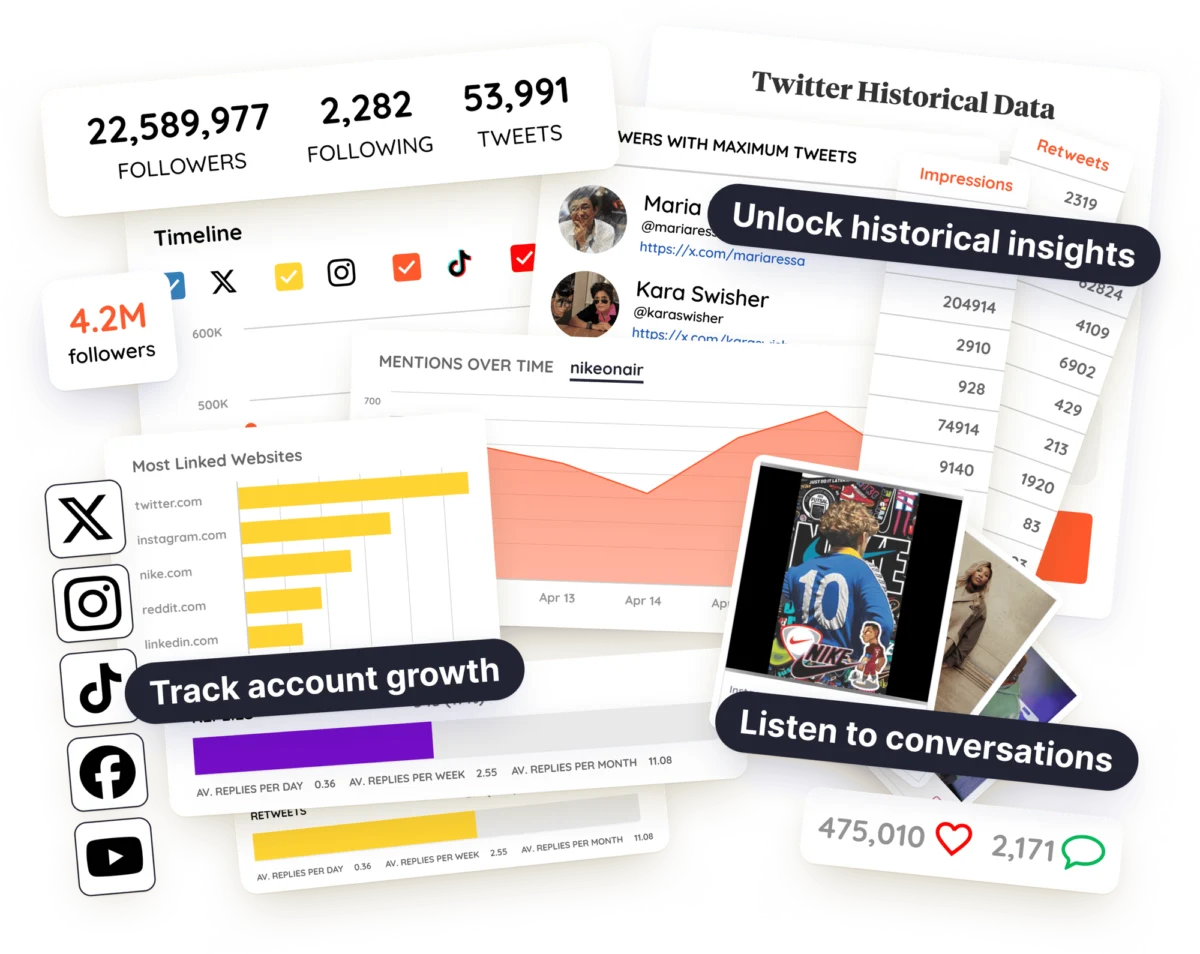
The contemporary social media landscape, characterized by its rapid fragmentation, the continuous emergence of new platforms, the transformative influence of artificial intelligence on content creation, and perpetually shifting algorithms, presents an increasingly complex challenge for marketers. While a robust social media marketing strategy can theoretically exist without an extensive suite of digital tools, the judicious selection and integration of the right software can dramatically enhance efficiency, amplify reach, and provide critical analytical insights. In an environment where the average consumer interacts with multiple platforms daily, managing a brand’s presence effectively across these diverse channels demands more than manual effort; it necessitates strategic technological assistance.

The Imperative for Digital Dexterity: Navigating the Social Media Labyrinth
The sheer volume of tasks involved in modern social media marketing — from crafting engaging content and scheduling posts to actively engaging with diverse audiences, analyzing performance metrics, conducting competitor analyses, staying abreast of nascent trends, and identifying influential voices — has expanded exponentially. For solo entrepreneurs, small business owners, or large marketing teams, a well-curated digital toolbox is no longer a luxury but a fundamental requirement for saving time and focusing on the core objectives: generating compelling content and fostering authentic connections with target audiences. The primary hurdle, however, lies not just in integrating these disparate tools but in discerning which ones genuinely merit investment in terms of time and budget. The global social media management market, valued at an estimated $17.8 billion in 2023, is projected to reach $50.9 billion by 2030, underscoring the growing reliance on these technological solutions by businesses worldwide.
Evolution of Social Media Marketing Tools: A Chronological Perspective
The trajectory of social media marketing tools mirrors the evolution of social media itself. In the early 2010s, tools primarily focused on basic scheduling and cross-posting, offering rudimentary analytics. As platforms matured and audience engagement became more sophisticated, tools began to offer enhanced features like unified inboxes for community management and more granular performance reporting. The mid-2010s saw the rise of dedicated social listening tools, driven by the increasing importance of brand reputation and real-time trend identification. The late 2010s and early 2020s brought an explosion of specialized tools for content creation (especially video), influencer marketing, and advanced analytics, often incorporating artificial intelligence. Today, the emphasis is on comprehensive platforms that integrate multiple functions while also allowing for specialized, best-in-class solutions to be layered on. This modular approach enables marketers to build a custom tech stack that evolves with their strategy.
Core Pillars: Comprehensive Social Media Management Platforms
For many businesses, particularly creators and small to medium-sized enterprises (SMEs), an all-in-one social media management platform forms the bedrock of their digital strategy. These tools consolidate various functionalities, making daily operations significantly smoother.
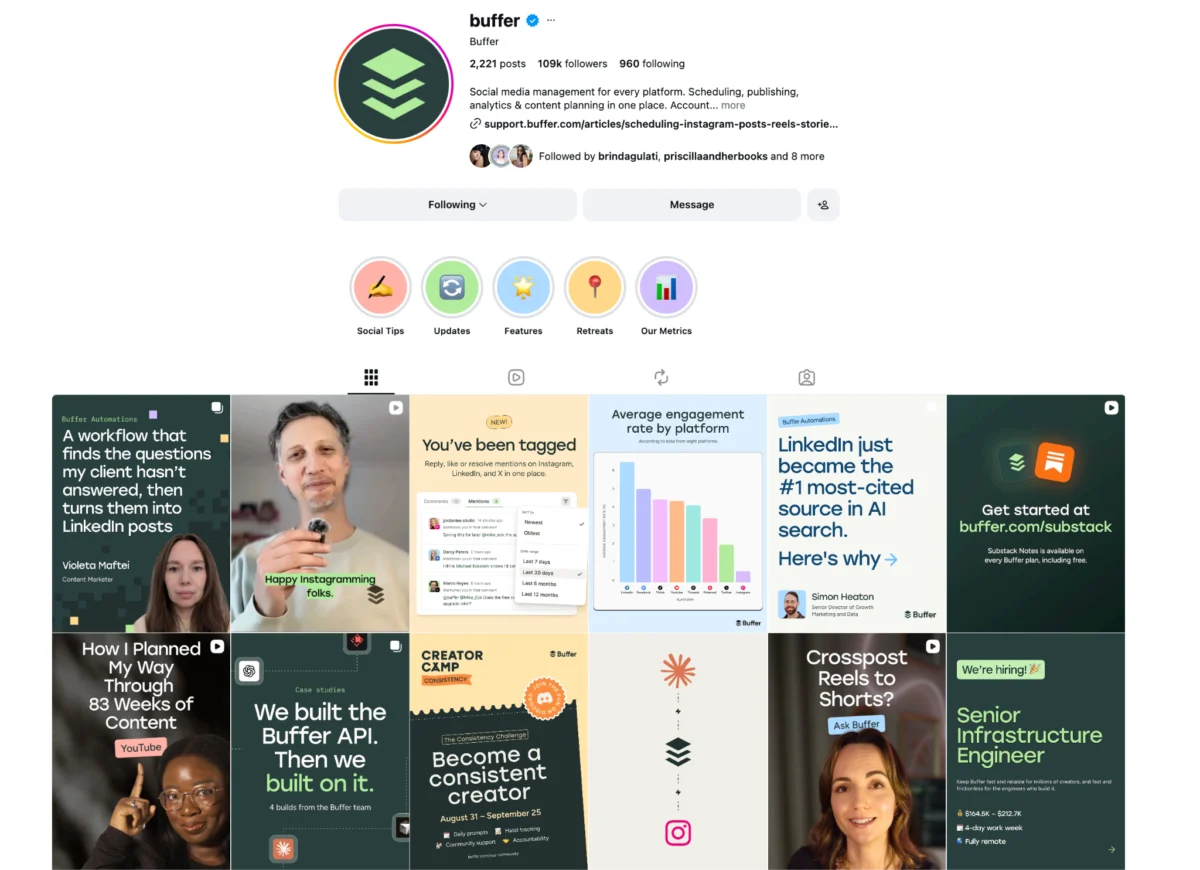
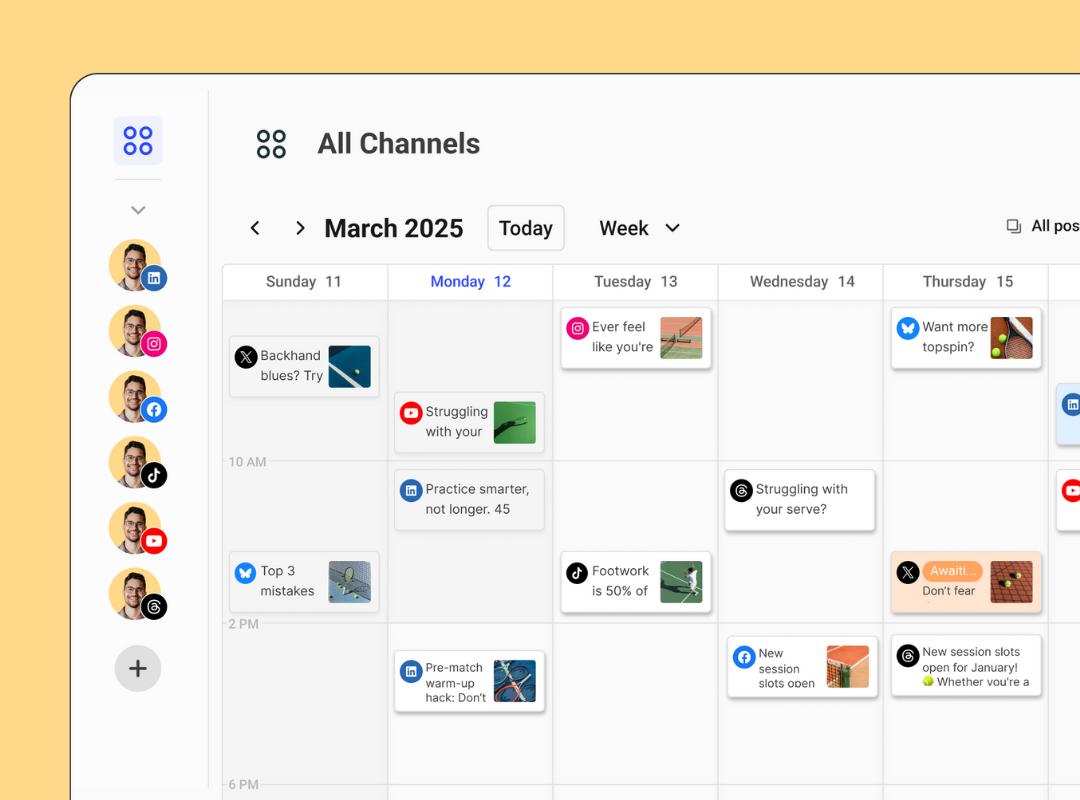
Buffer, for instance, stands out as a highly accessible option for creators and small business owners. Its free-forever plan, covering up to three social channels, provides essential features like content scheduling, an intuitive content ideas space, and a customizable link-in-bio page. Paid plans, starting at $6 per month per channel, expand these capabilities. Buffer’s agility in integrating new platforms like Threads and Bluesky ensures that users can adapt their strategy without the overhead of adopting additional tools. Features like "streaks" for consistent posting and a "create space" for idea storage address common pain points for busy marketers.
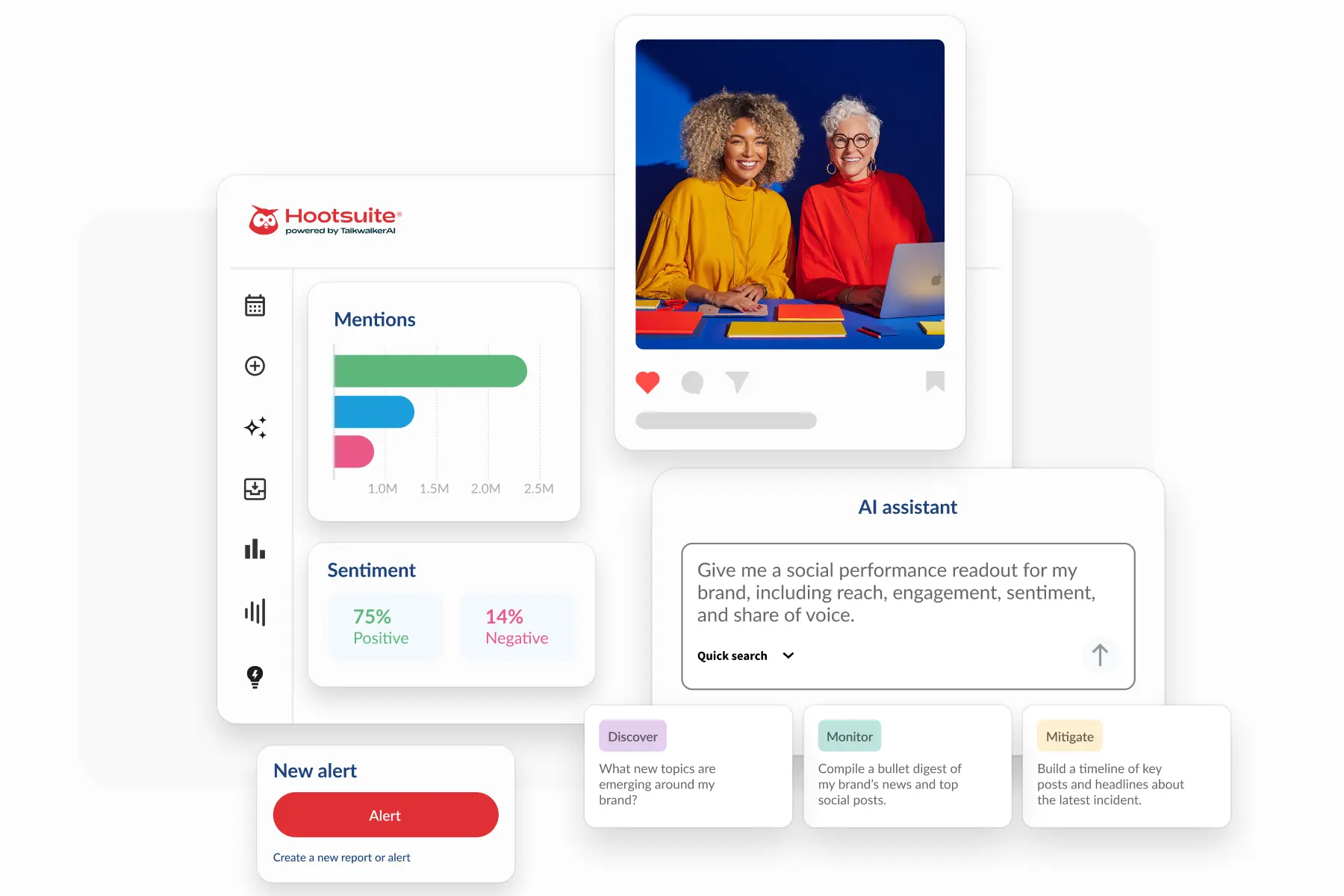
Larger organizations often gravitate towards more robust, enterprise-grade platforms. Hootsuite (starting at $99/month, with a 30-day trial) is a prime example. While offering broad social media management capabilities — publishing, performance tracking, and audience engagement — its strength lies particularly in social listening. Following its acquisition of Talkwalker, Hootsuite has become a formidable player in this domain, allowing users to monitor brand mentions, track sentiment, analyze conversations, and identify emerging trends across various social and web sources. Its trademarked Blue Silk AI helps condense vast datasets into actionable insights, extending monitoring beyond social platforms to forums and podcasts. Hootsuite’s comprehensive feature set makes it suitable for complex teams, though its steeper learning curve and price point may be a barrier for smaller operations.
Similarly, Sprout Social (starting at $199/month, with a 30-day trial) is another all-in-one solution that excels in overall social media presence management. Beyond publishing, analytics, and engagement, Sprout Social offers a sophisticated influencer marketing tool. This allows marketers to discover relevant creators using topic searches, analyze their profiles for brand alignment, and manage campaigns directly within the platform. While its influencer marketing module comes at an additional cost, its integration provides a centralized hub for both organic and influencer strategies, simplifying workflow for marketers handling both responsibilities.
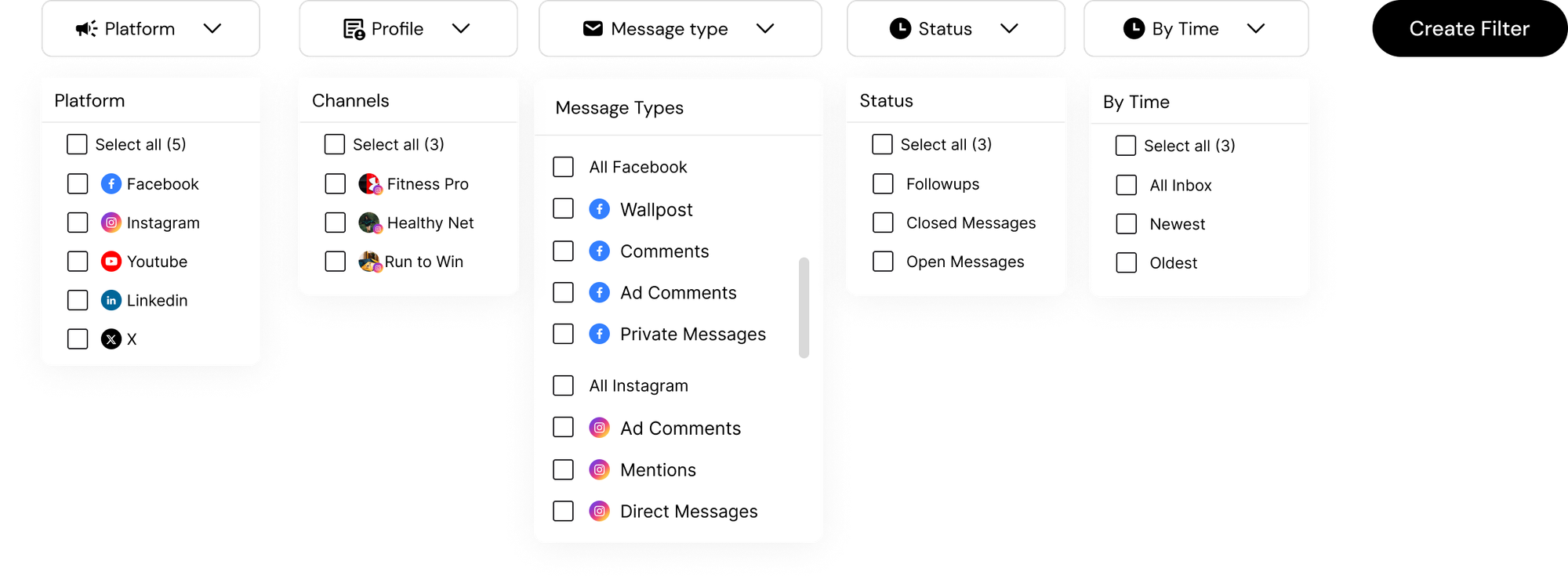
Verlynk (starting at $9.99/month for 10 channels, with a free plan for up to three accounts) offers a versatile suite of tools encompassing scheduling, analytics, and engagement. Its standout feature is a unified social media inbox, which aggregates DMs, comments, and mentions from across various channels into one interface. This inbox can be filtered by platform, audience sentiment, message type, timeline, and conversation status, enabling efficient customer service and lead generation. Real-time alerts ensure prompt responses, and canned responses can streamline handling frequently asked questions. Verlynk is particularly beneficial for creators and marketers heavily reliant on social media for direct customer interaction and lead nurturing.
Deep Dive: Advanced Analytics, Social Listening, and Audience Insights
Beyond basic post metrics, understanding market sentiment, competitive landscapes, and audience psychology is crucial. Specialized tools provide the granular data necessary for data-driven strategy.
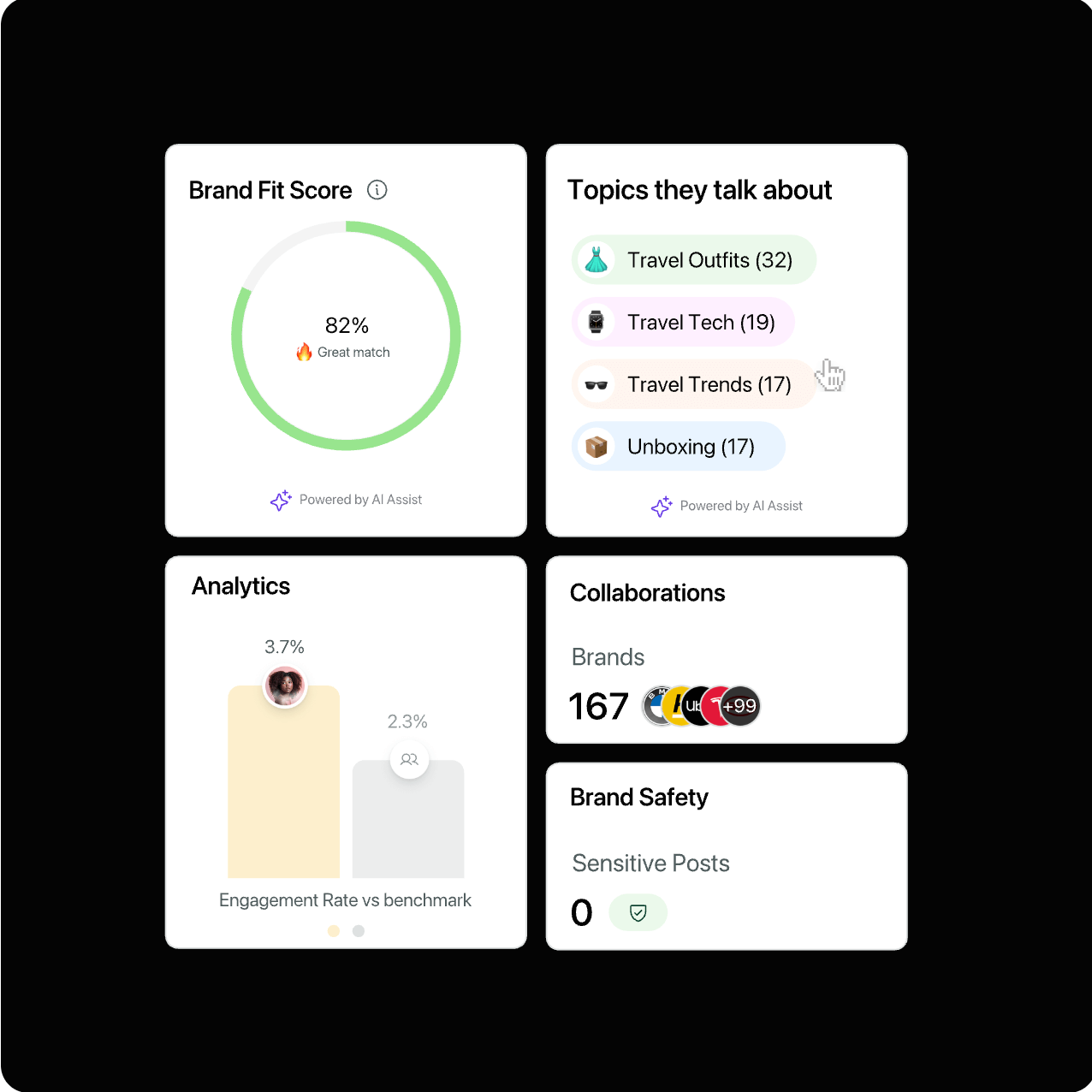
Mention (starting at $599/month, with a 14-day trial) offers comprehensive social listening capabilities, analyzing brand mentions from over a billion sources daily. It tracks sentiment, identifies key influencers, and summarizes findings using AI. With the ability to assign specific mentions to team members, it streamlines customer support and sales inquiries. While its social media management features are less robust than dedicated platforms, its deep listening capabilities are invaluable for large organizations focused on brand reputation and competitive intelligence.
For even more advanced visual insights, YouScan (starting at $499/month, with a 3-day trial) leverages image recognition technology to identify brand logos and products within images across the web. This capability allows businesses to discover user-generated content, spot counterfeits, and identify potential influencer partnerships with individuals already using their products, offering a powerful layer of visual intelligence that traditional text-based listening tools miss. YouScan’s niche strength makes it ideal for established enterprises or agencies with significant brand visibility.
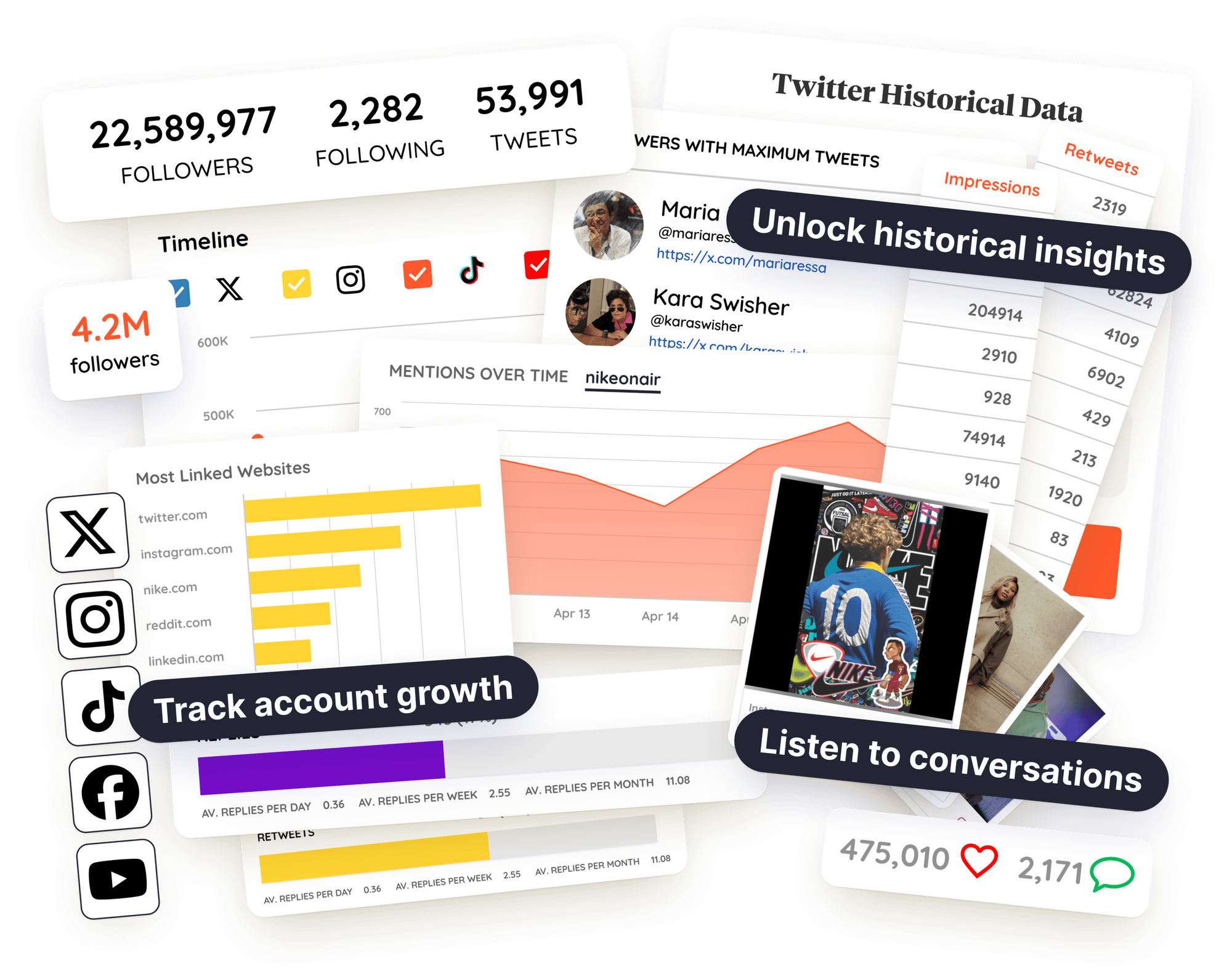
Keyhole provides top-tier social media analytics, enabling in-depth competitor analysis, trend analysis, and product research. Its audience demographics feature uncovers insights into customer behavior, keywords, product needs, and effective marketing approaches. For time-sensitive industries, Keyhole’s real-time data tracks evolving sentiment about specific topics. It acts as a powerful intelligence hub, though it needs to be paired with a separate management tool for content scheduling and direct engagement.
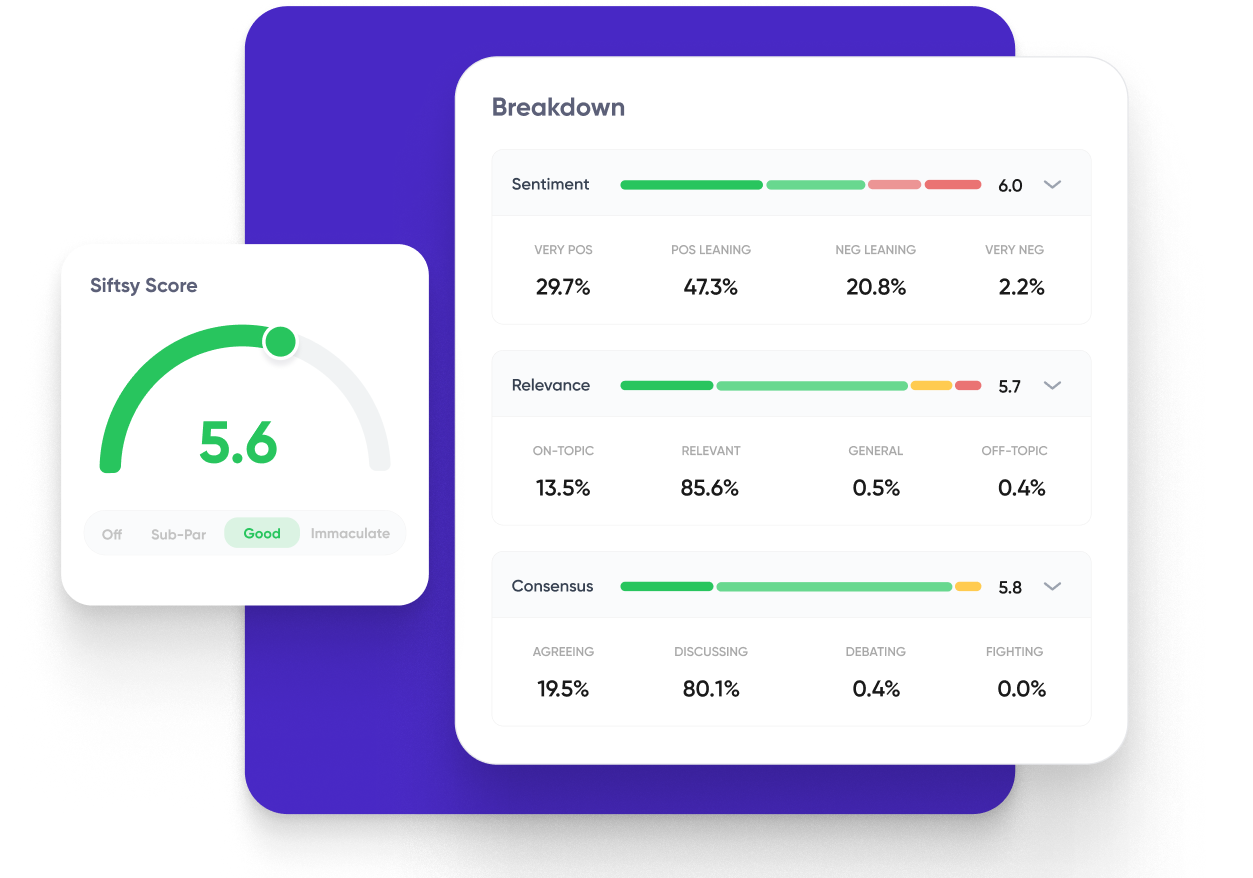
Siftsy offers a qualitative approach to social media analytics, focusing specifically on analyzing comments under social media posts. By pasting a post URL or uploading a CSV, marketers can gauge audience sentiment, identify common questions, and understand user perceptions of products or services. This tool is invaluable for product development, content refinement, and understanding public reaction to campaigns, working across Instagram, LinkedIn, TikTok, and YouTube.
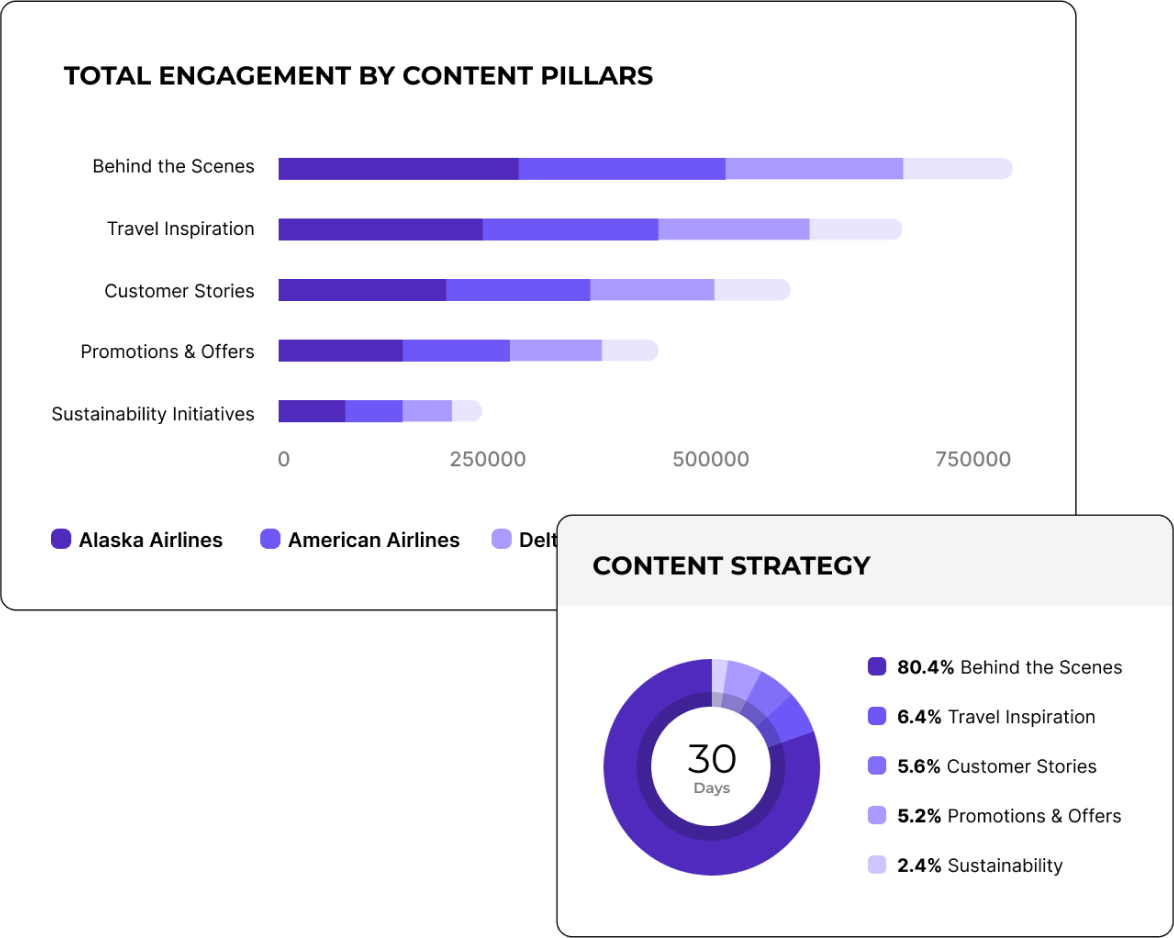
Socialinsider (starting at $99/month, with a 14-day trial) is a dedicated social media analytics tool that provides post-by-post metrics and competitor analysis. Its content analysis feature helps marketers understand which content pillars resonate most with their audience and how their performance compares to competitors. An AI summary of metrics provides strategic insights, freeing marketers from manual data analysis.
Rival IQ (starting at $239/month, with a 14-day trial) specializes in competitive analysis. It benchmarks engagement, follower growth, and other key metrics against industry peers, providing insights into competitor strategies and identifying potentially boosted posts. This data allows businesses to refine their own social media marketing plans and maintain a competitive edge.
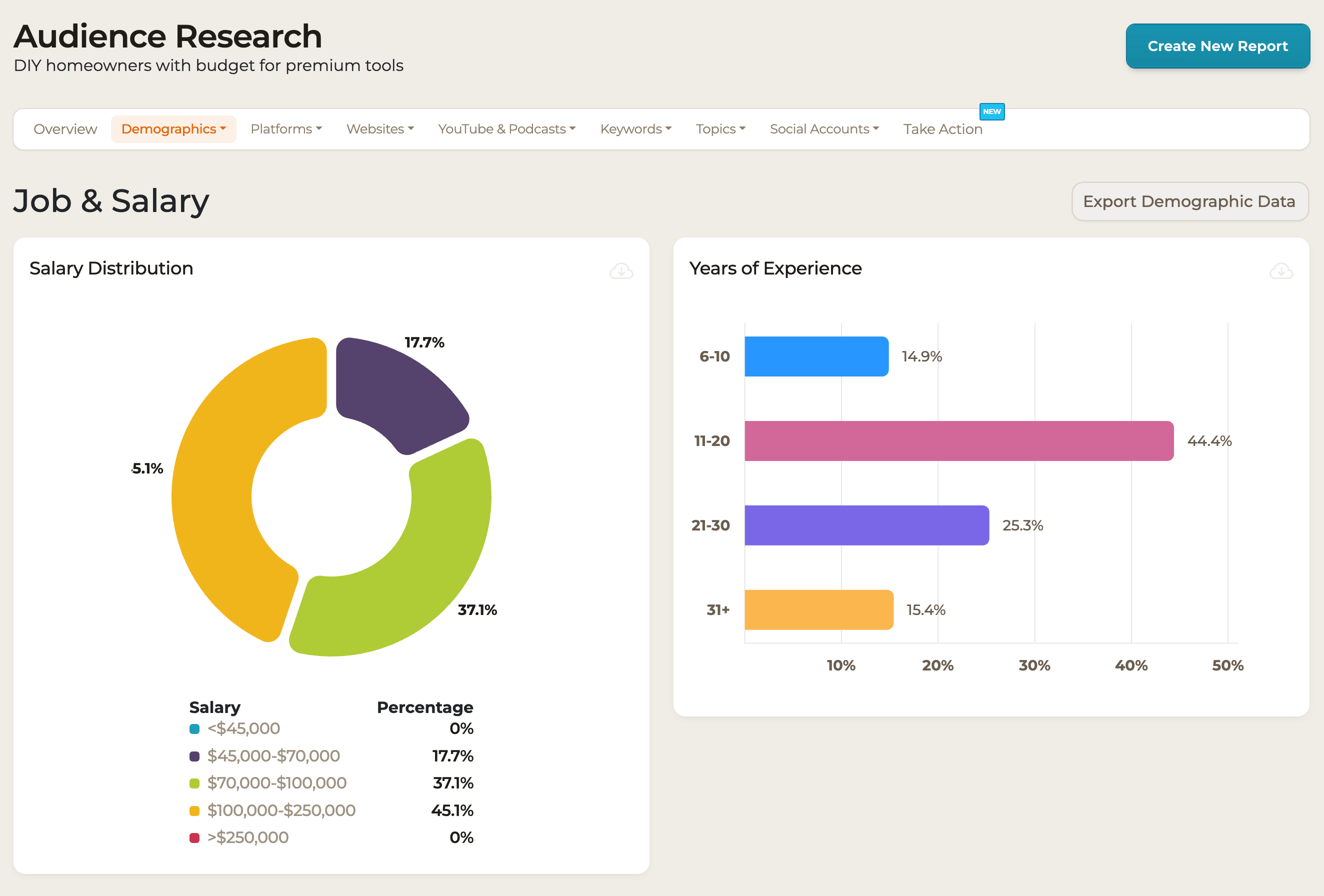
SparkToro (free plan for five reports/month, paid plans from $50/month) is not a traditional social media marketing tool but an audience research powerhouse. It helps marketers understand where their target audience spends their time online – which newsletters they read, podcasts they listen to, influencers they trust, keywords they use, and communities they engage with. This foundational audience intelligence extends beyond social media, informing broader marketing, growth, and sales strategies, and directly impacting social content, partnership decisions, and platform allocation.
Streamlining Content Creation and Repurposing

The demand for high-quality, diverse content across platforms is relentless. Tools that aid in creation, design, and repurposing are essential for maintaining a consistent and engaging presence.
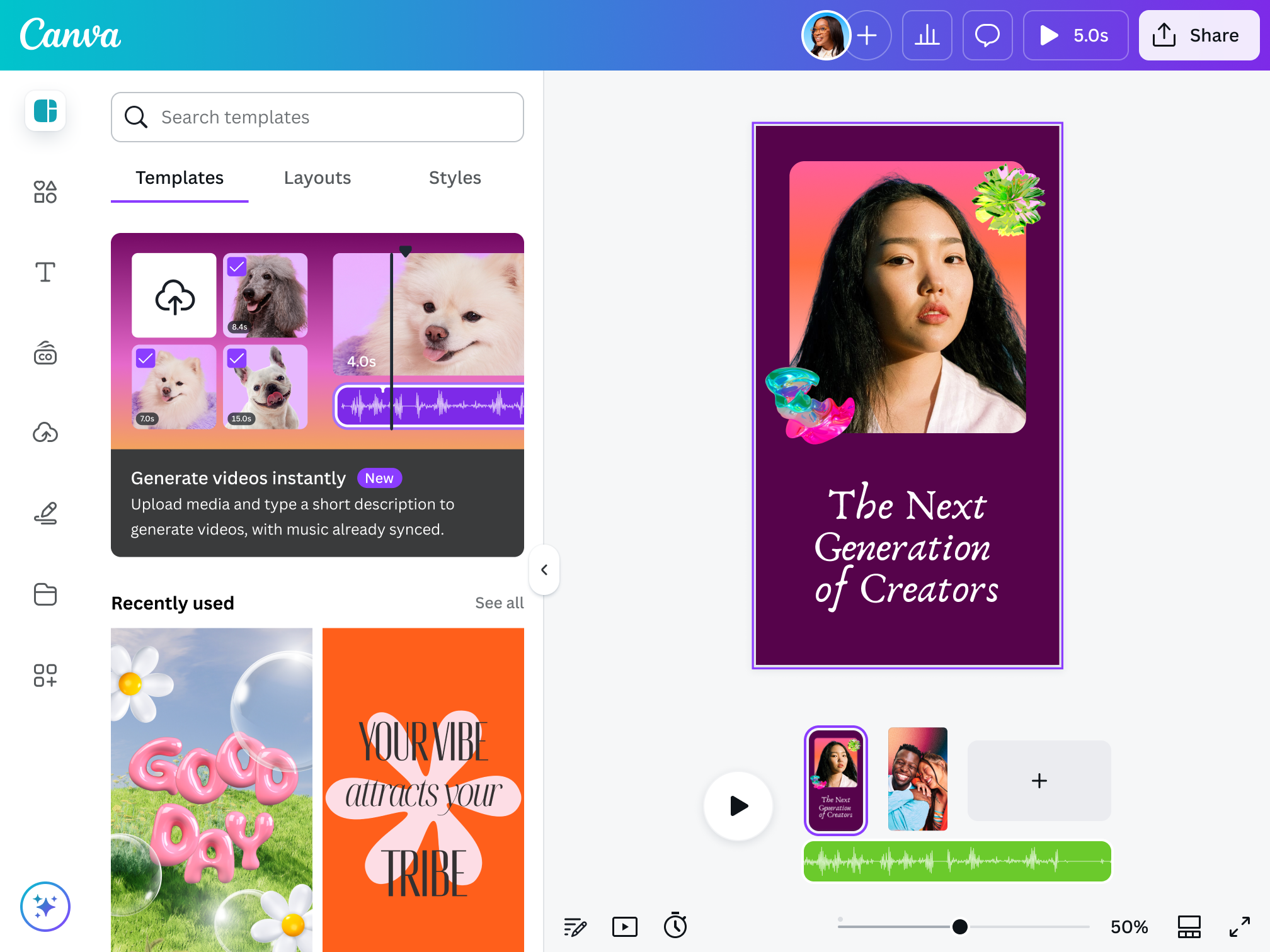
Canva (free plan available, paid from $15/month) has become an indispensable graphic design tool for marketers of all skill levels. Its user-friendly interface, extensive template library, and built-in image specifications for various social media platforms allow for rapid creation of visually appealing content. Teams can collaborate on designs, and some advanced versions even permit direct social media post scheduling.

For video content, CapCut (free plan available, Pro from $19.99/month) is a dominant force, particularly favored for TikTok due to shared ownership with ByteDance. Its intuitive interface offers a wealth of free features, including fonts, transitions, stickers, and AI video generation. Crucially, it allows for easy editing of long videos into "snackable" short-form clips, optimizing content for platforms like YouTube Shorts and Instagram Reels.
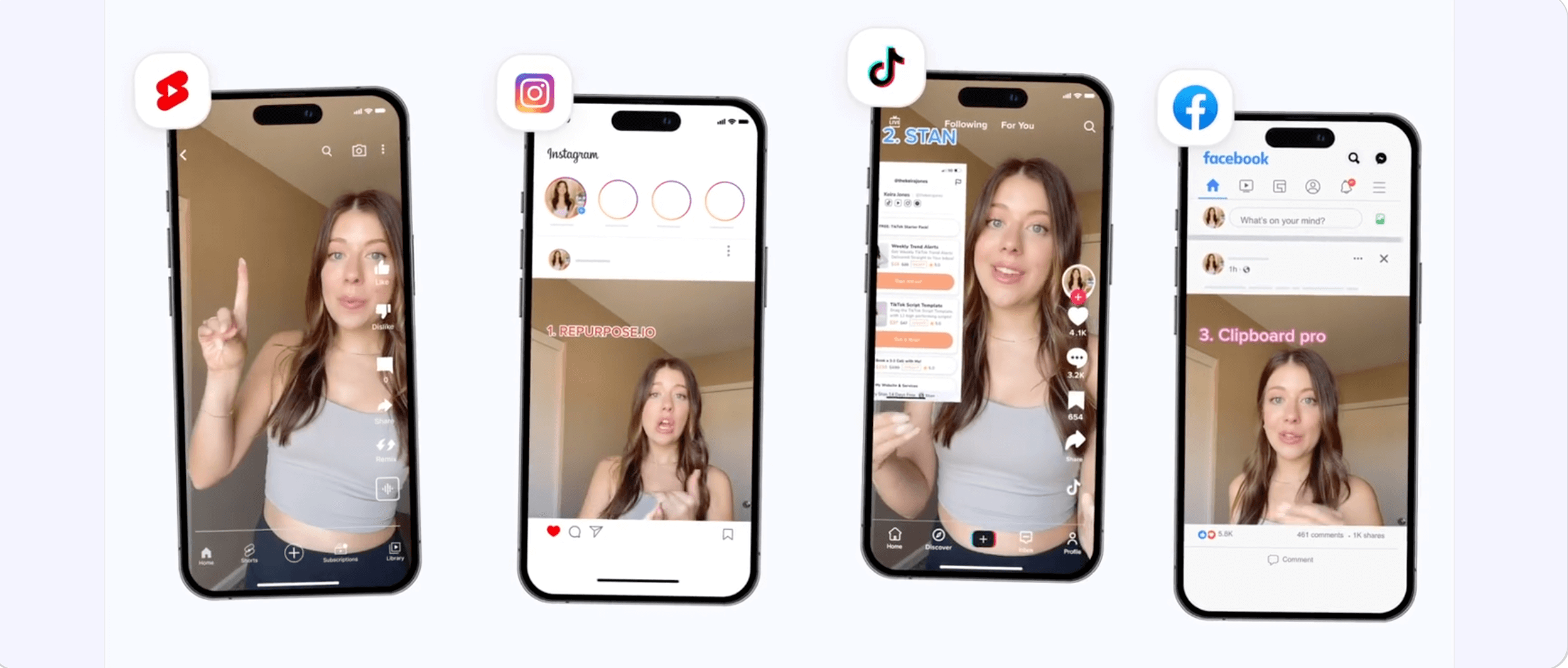
Repurpose.io (paid plans from $35/month, with a 14-day trial) automates the often-cumbersome task of content repurposing. It integrates social media accounts to enable seamless cross-posting, automatically resizing and optimizing videos for different channels. This is a significant time-saver for creators producing short-form video, allowing them to publish once and distribute widely across TikTok, YouTube Shorts, Instagram Reels, and Facebook without manual reformatting. Its focus is primarily on video and audio content.
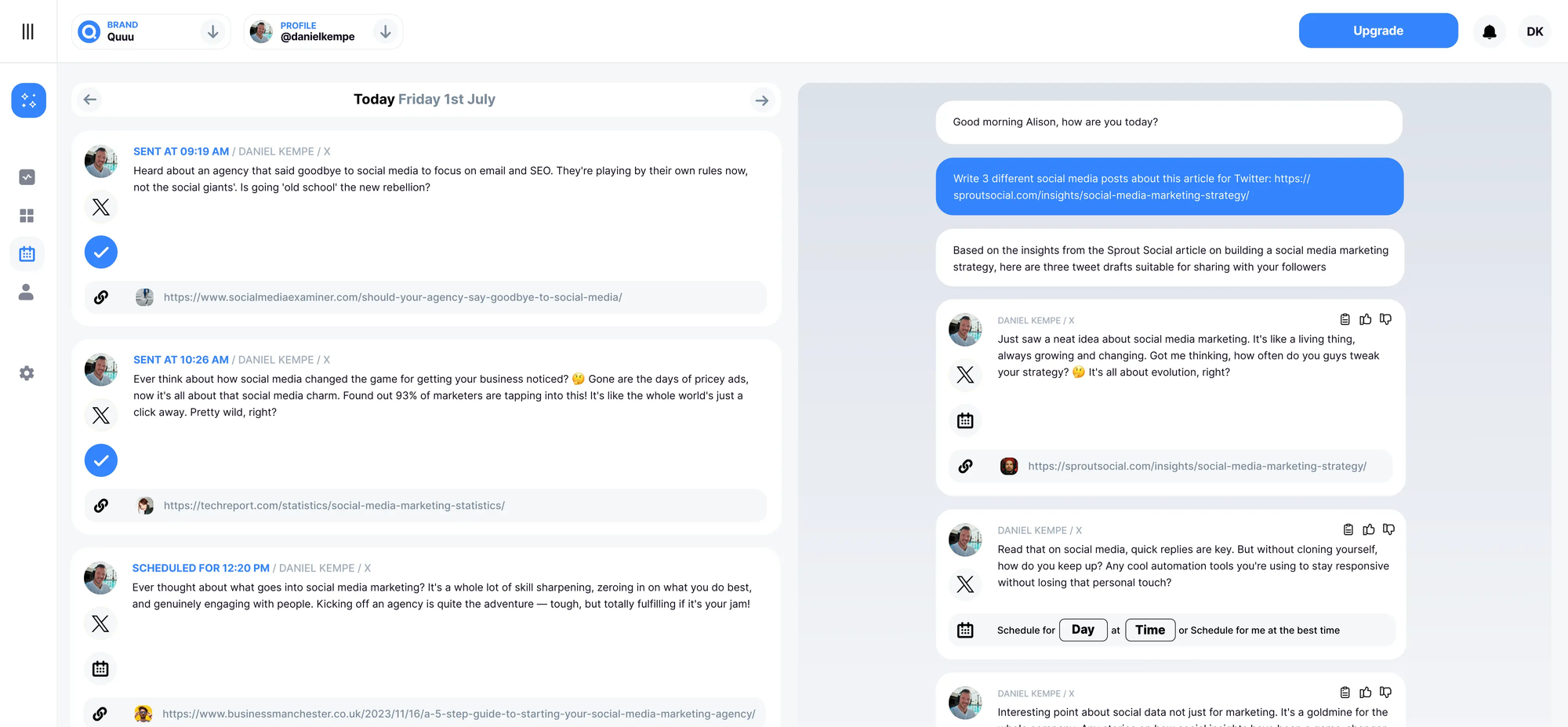
Quuu (paid from $19.79/month per profile, with a 7-day trial) acts as an AI social media assistant, aiding in content curation and generation. It can create post drafts based on provided articles, helping marketers quickly generate ideas and initial copy, which can then be refined to match brand voice. It also functions as a scheduling tool, streamlining the publishing workflow.
For injecting humor and relatability into content, Supermeme.ai (free trial for 10 AI memes, paid from $9.99/month) is a specialized meme generator. Users input text, and the AI generates relevant memes from an extensive database, free of watermarks. It supports branding and offers memes in over 110 languages, adding a fun yet strategic element to social media engagement.

Optimizing Engagement, Automation, and Advertising
Effective social media marketing extends beyond content delivery to proactive engagement, efficient lead management, and optimized advertising.
ManyChat (free for up to 25 contacts, paid from $17/month) is a social media automation tool primarily focused on direct message (DM) automation. It powers interactive campaigns where users comment a keyword to receive automated information via DM. This is invaluable for lead generation, customer support, and initiating conversations at scale without manual monitoring, though it focuses on initial touchpoints rather than ongoing engagement.
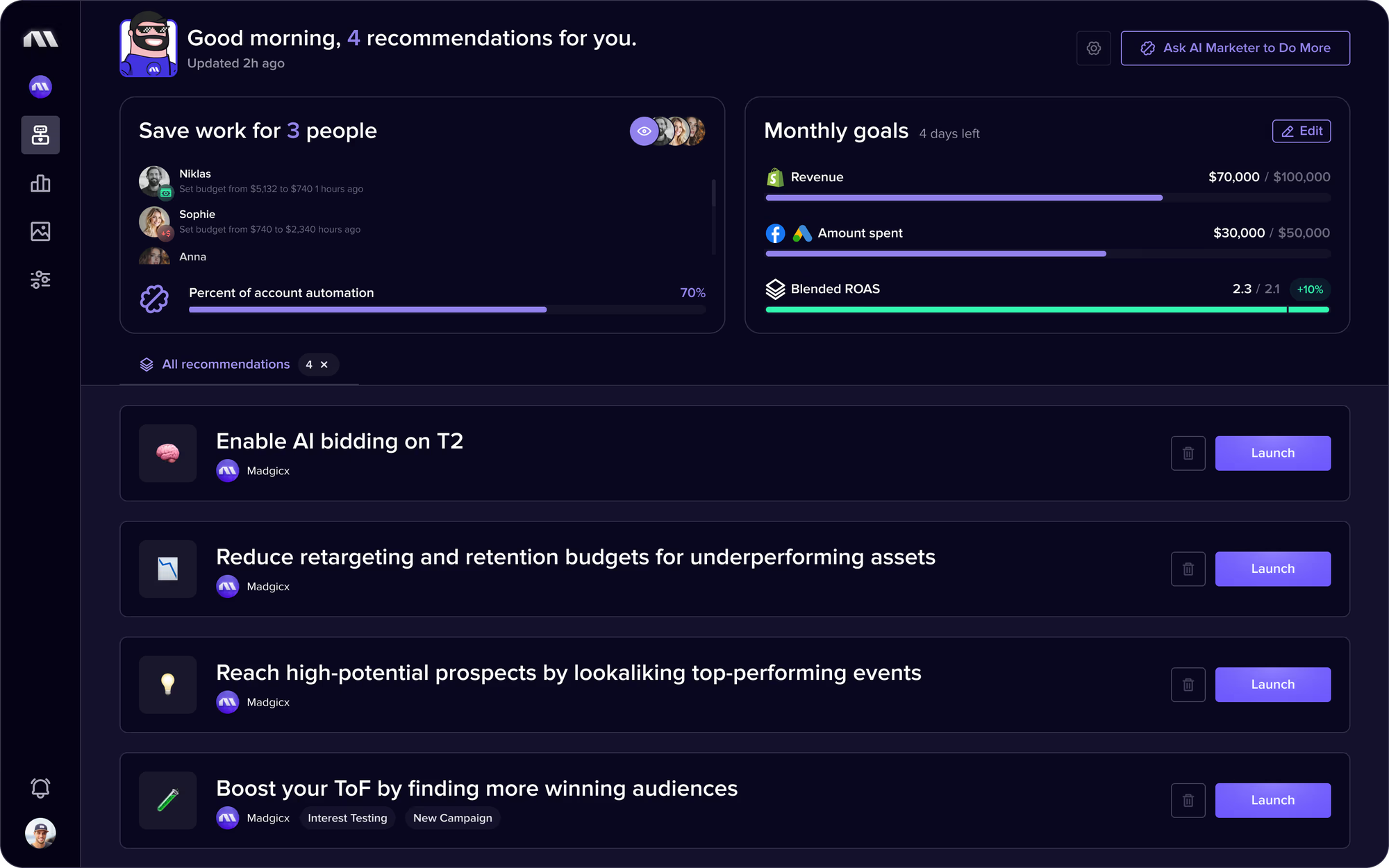
For managing paid social strategies, Madgicx (paid from $45/month, increasing with ad spend, with a 7-day trial) is a powerful tool for optimizing Facebook and Instagram advertising. Its user-friendly dashboard surpasses Meta Ads Manager with features like AI-powered ad creation and optimization recommendations. The AI marketer analyzes ad performance and suggests improvements, beneficial for both beginners and experienced advertisers. Its optional Tracking Pro add-on (+$49/month) extends monitoring to Google Ads, TikTok, Google Analytics, Shopify, and Klaviyo.
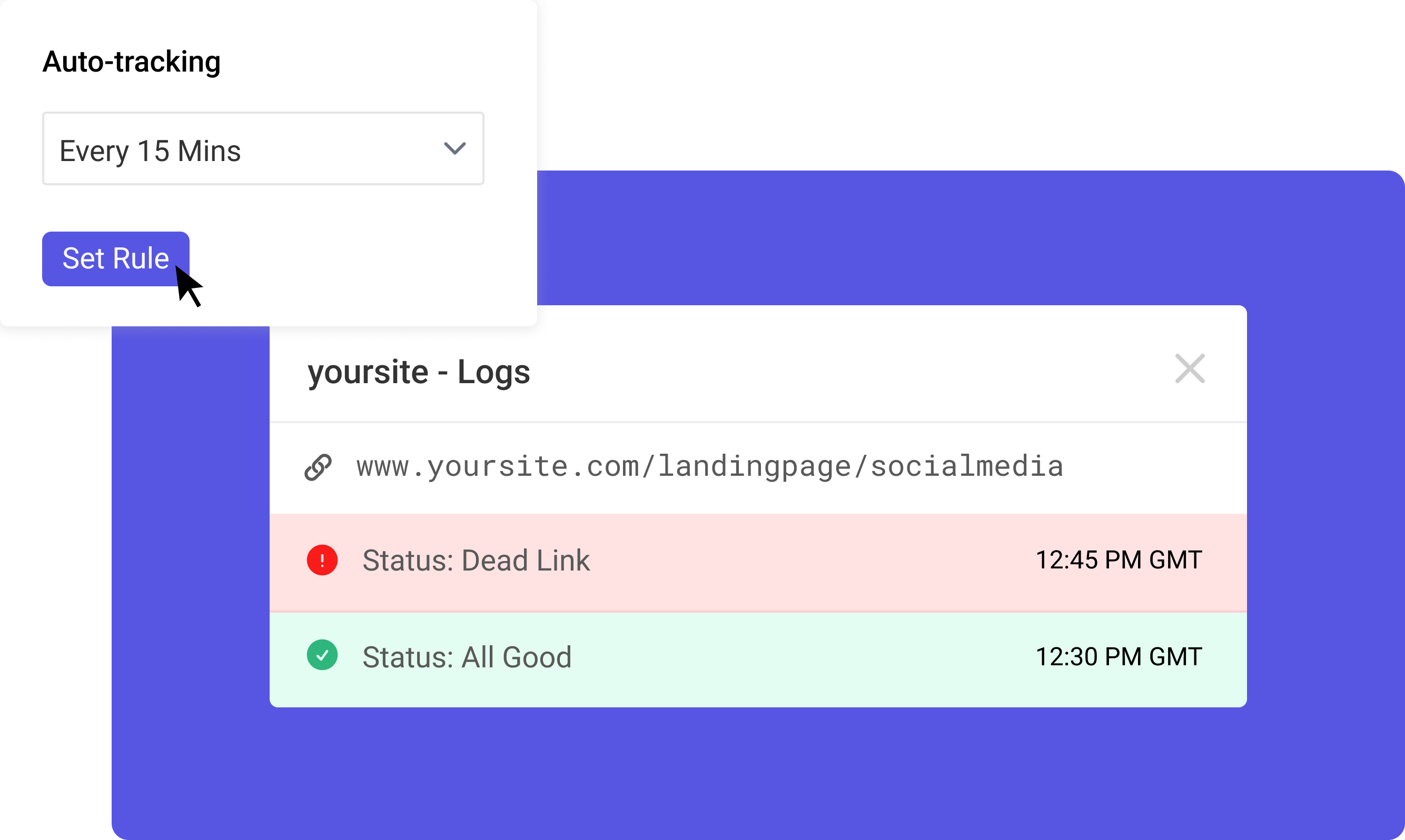
Complementing Madgicx, Kitchn (starting at $209/month, with a 7-day trial) focuses on making advertising execution more efficient across Meta, Snapchat, Pinterest, and TikTok. It offers features like bulk upload, direct cloud integrations, and auto-mapping of ads across placements, accelerating campaign deployment. Its quality assurance features identify dead links and ad errors, ensuring optimal ad performance. While costly, it’s a valuable investment for comprehensive paid social strategies.
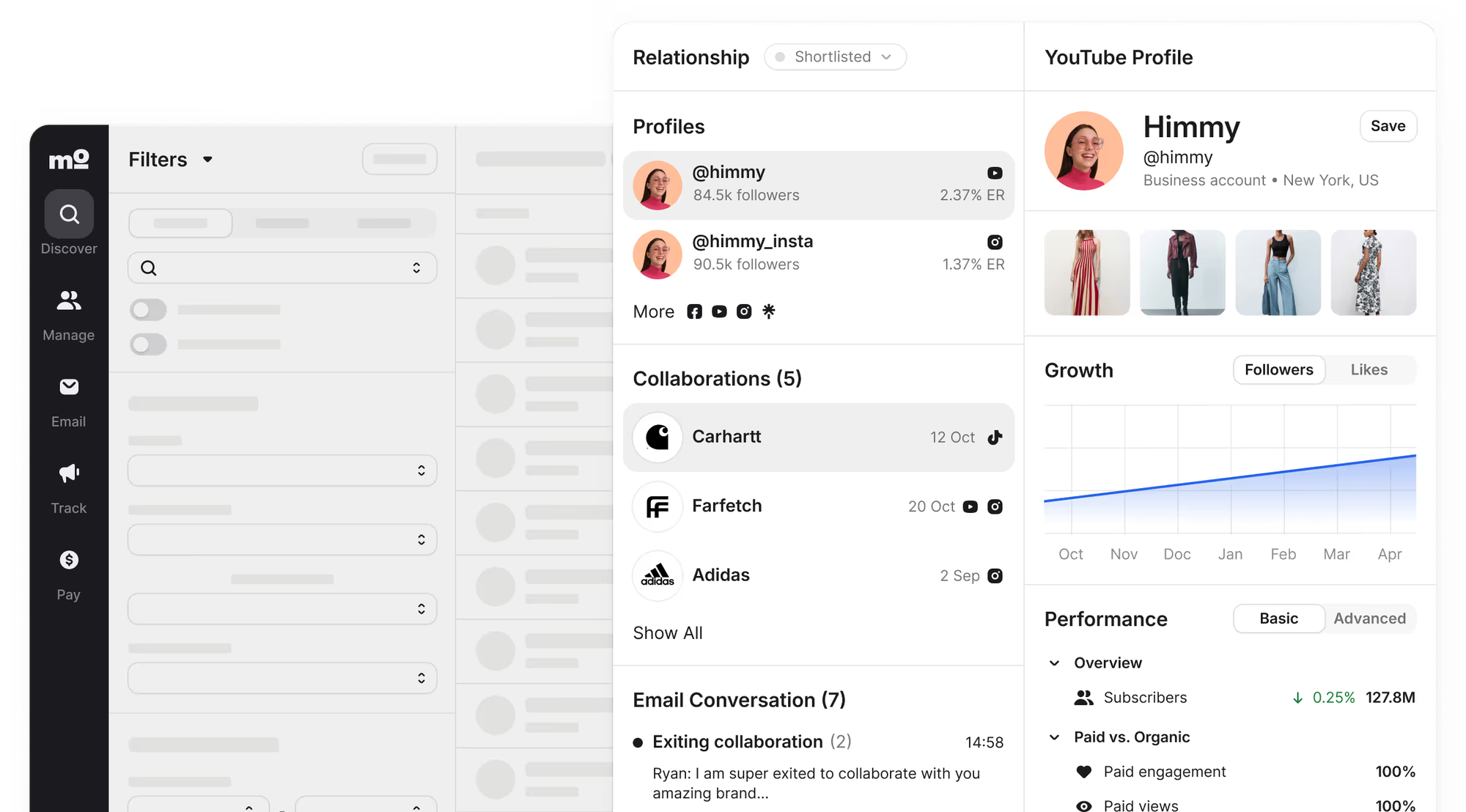
Modash (paid plans from $299/month, with a 14-day trial) is an influencer management tool that streamlines the process of finding, vetting, managing, and reporting on creator marketing efforts. It catalogs influencers across Instagram, YouTube, and TikTok with over 1,000 followers, providing audience demographics, popular posts, and performance benchmarks. This comprehensive vetting and management system is ideal for teams running multiple active influencer campaigns.
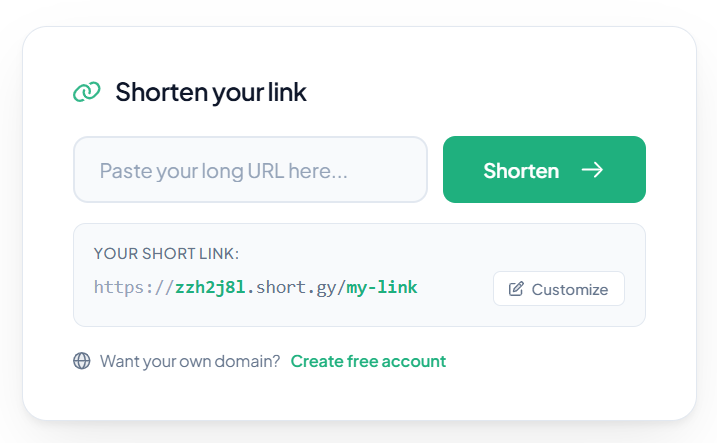
Finally, Short.io (free for up to five custom domains and 1,000 branded links, paid from $5/month) is a URL shortener that creates branded, trackable links. It provides detailed statistics on link performance, including click locations and browser usage. With UTM link integration (easily generated using Buffer’s free UTM generator), marketers can precisely track traffic sources. Paid plans offer advanced features like geo-redirection and password-protected links.
Strategic Tool Adoption: Building a Cohesive Stack
The sheer number and diversity of social media marketing tools available can be overwhelming. There is no universally "correct" number of tools; the ideal stack is dictated by a business’s specific social media strategy, team size, budget, and overarching goals. Industry experts emphasize that the initial approach should be cautious and strategic rather than haphazard.
A common pitfall is to invest in too many tools simultaneously, leading to budget strain and increased mental load for teams. Instead, a phased approach is recommended:
- Start with a Core Management Tool: Begin with an all-in-one platform that handles daily scheduling, publishing, and basic analytics. This establishes a foundational workflow and helps achieve consistency. Platforms like Buffer, with their free-forever options, provide an excellent entry point.
- Layer Specialized Tools as Needs Evolve: Once a comfortable rhythm is established, and specific challenges or opportunities emerge, then introduce specialized tools. For example, if brand mentions become critical, integrate a dedicated social listening tool. If video content is central, add advanced video editing or repurposing software. If influencer marketing scales, invest in an influencer management platform.
- Conduct Regular Audits: Periodically review the entire tool stack. Assess whether each tool is actively used, provides tangible value, and aligns with current strategic objectives. Tools that are underutilized or no longer serve a clear purpose should be discontinued to optimize budget and streamline workflows.
By adopting a structured and iterative approach to tool adoption, businesses can build an efficient, powerful, and cost-effective social media marketing ecosystem that supports their objectives in the ever-changing digital landscape.