rifanmuazin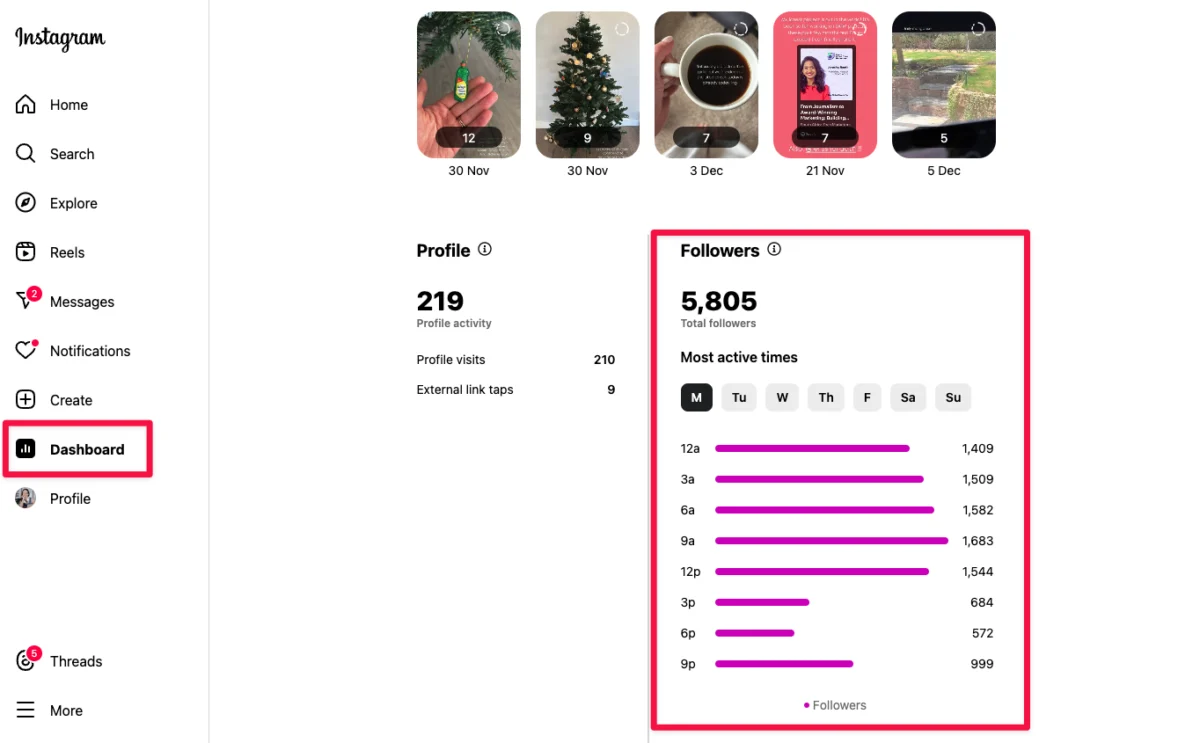
SAN FRANCISCO, CA – January 2026 – New comprehensive research from Buffer reveals that the most effective times to publish content on Instagram in 2026 are Thursday at 9 a.m., Wednesday at 12 p.m., and Wednesday at 6 p.m. This data-driven insight, derived from an exhaustive analysis of 9.6 million Instagram posts, underscores the critical role of timing in maximizing content reach and engagement in the platform’s ever-evolving algorithmic environment.
The findings, a cornerstone of Buffer’s "State of Social Engagement 2026" report, offer a crucial navigational guide for marketers, content creators, businesses, and casual users striving to cut through the digital noise. The study, which meticulously examined over 52 million posts across ten major social media platforms from more than 200,000 accounts between January 2024 and December 2025, highlights that while content quality remains paramount, strategic timing provides a significant advantage in securing audience attention.
The Evolving Algorithm: Why Timing Still Matters
![Best Time to Post on Instagram: 2026 Data from 9.6M Posts [Updated May 2026]](https://storage.ghost.io/c/6d/21/6d217297-aa70-41fe-b68d-e29e411dd3ed/content/images/2026/01/best-time-to-post-on-instagram-2026.png)
In the dynamic world of social media, the perennial question of "when to post" frequently vexes creators. The concern is entirely justified; dedicating significant resources to crafting compelling content only to release it into a digital "dead zone" can result in dishearteningly low engagement. While the days of purely chronological feeds are long past, replaced by sophisticated algorithms designed to prioritize relevance and engagement, timing continues to be a pivotal factor.
Instagram’s algorithm, in particular, heavily favors early engagement. When a post garners immediate likes, comments, shares, and saves, it signals to the algorithm that the content is valuable and resonating with users. This positive feedback loop prompts the algorithm to surface the content to a broader audience, thereby amplifying its reach. The "State of Social Engagement 2026" report specifically measured median engagement rates (likes + comments + shares + saves / followers x 100) to ensure the insights were robust and not skewed by outlier posts or exceptionally large accounts, making them applicable across the spectrum of Instagram users. All recommended times are normalized to the user’s local timezone, eliminating conversion complexities.
Adam Mosseri, Head of Instagram, has repeatedly emphasized the platform’s algorithmic priorities. He notes that users engage with different sections of the app for distinct purposes – Stories for close connections, Explore for discovery, and Reels for entertainment. Crucially, Mosseri also revealed that "sends per reach" (how often a post or Reel is shared via direct message) has become the single most important ranking signal, particularly for Reels and the Discover feed. This shift underscores the value of content that sparks personal sharing, making initial visibility even more vital.
Key Findings: A Snapshot of Peak Engagement
![Best Time to Post on Instagram: 2026 Data from 9.6M Posts [Updated May 2026]](https://storage.ghost.io/c/6d/21/6d217297-aa70-41fe-b68d-e29e411dd3ed/content/images/2026/01/best-time-to-post-instagram-2026-heatmap.png)
Buffer’s analysis revealed consistent patterns, with evening hours (6 p.m. to 11 p.m. local time) demonstrating the strongest engagement across most days of the week. This trend aligns with typical user behavior, particularly among the 25-to-34-year-old demographic, which constitutes over a third of Instagram’s global user base, according to Statista. This age group is more likely to engage with social media during post-work wind-down periods.
The Top Three Global Peak Posting Times for 2026:
- Thursday at 9 a.m.
- Wednesday at 12 p.m.
- Wednesday at 6 p.m.
These specific slots consistently yielded the highest median engagement rates, indicating prime opportunities for content visibility.
A Deeper Dive: Day-by-Day Engagement Patterns
![Best Time to Post on Instagram: 2026 Data from 9.6M Posts [Updated May 2026]](https://storage.ghost.io/c/6d/21/6d217297-aa70-41fe-b68d-e29e411dd3ed/content/images/2026/01/best-day-to-post-instagram-2026-.png)
The study provides a granular breakdown of engagement patterns across the week, illustrating how user behavior shifts.
Wednesday: The Undisputed Engagement Champion
Wednesday emerges as the highest-performing day for Instagram engagement in 2026. The best times are 12 p.m., 6 p.m., and 8 a.m. The midday peak at 12 p.m. is particularly noteworthy, aligning with the "lunch break scroll" phenomenon, where users take a momentary pause from work to browse their feeds. The evening slot at 6 p.m. captures the post-work unwinding period.
Thursday: The Morning Anomaly
Thursday ranks closely behind Wednesday in overall engagement. Intriguingly, it presents the only significant deviation from the evening dominance, with mornings showing superior performance. The best times to post on Thursday are 9 a.m., 8 a.m., and 7 a.m. The 9 a.m. peak is a notable anomaly, with Buffer strategists speculating it might be linked to "end-of-week planning energy," where users check in with creators and brands while mapping out their upcoming weekend activities or professional commitments.
Tuesday: Strong Midweek Performance
Tuesday maintains its position as a strong contender, securing the third-highest engagement tier. The optimal times are 7 p.m., 3 p.m., and 5 p.m. This spread from mid-afternoon into early evening offers flexibility for creators, with 7 p.m. being the standout peak.
![Best Time to Post on Instagram: 2026 Data from 9.6M Posts [Updated May 2026]](https://storage.ghost.io/c/6d/21/6d217297-aa70-41fe-b68d-e29e411dd3ed/content/images/2026/05/image-6.png)
Monday: Easing into the Week
Monday’s engagement is categorized as moderate, reflecting users’ transition back into the work week. The best times are 7 p.m., 6 p.m., and 8 p.m. These evening slots indicate that audiences are settling back into their digital routines after the workday, making the early evening a strategic window to capture attention.
Sunday: Weekend Wind-Down
Sunday falls into the moderate engagement tier. While weekends generally show lower engagement, Sunday evenings offer the best opportunity. The prime times are 9 p.m., 10 p.m., and 8 p.m. This late-evening window captures users unwinding before the start of the new week, making it suitable for lighter, more relaxed content.
Friday and Saturday: The Engagement Trough
Consistently, Friday and Saturday prove to be the weakest days for Instagram engagement. Audiences tend to be less active on the platform, likely engaging in off-screen activities. For Friday, the best (though still low-engagement) times are 10 p.m., 9 p.m., and 6 a.m. Saturday mirrors this trend, with 9 p.m., 10 p.m., and 8 p.m. offering the least unfavorable slots. Content strategists are advised to reserve high-stakes posts for midweek and consider these days for more casual or experimental content.
Worst Times and Days: What to Avoid
![Best Time to Post on Instagram: 2026 Data from 9.6M Posts [Updated May 2026]](https://storage.ghost.io/c/6d/21/6d217297-aa70-41fe-b68d-e29e411dd3ed/content/images/2026/05/image-7.png)
The analysis clearly identifies periods to avoid for optimal reach. The absolute worst times to post on Instagram are between 1 a.m. and 5 a.m. on any day, when engagement consistently bottoms out. This is a logical reflection of audience sleep patterns. Beyond these overnight hours, Friday and Saturday as entire days exhibit significantly lower engagement across most time slots. Specifically, Friday lunchtime and Saturday morning are identified as particularly low-performing periods. The overarching rule remains: avoid posting when your target audience is likely to be asleep or actively disengaged from their devices during peak weekend activities.
Content Type Specifics: Reels, Carousels, and Stories
While the overarching peak times generally apply across all content formats, understanding the nuances of how users interact with different content types can refine posting strategies.
- Instagram Reels: Given Mosseri’s assertion that Reels are primarily for entertainment, the best times to post them align with overall peak evening hours (6 p.m. to 11 p.m.) on Wednesdays and Thursdays. This is when audiences are most likely to be unwinding and receptive to consuming engaging, short-form video content.
- Instagram Carousels: Carousels, which often involve swiping through multiple images or videos, demand more user attention and time. Consequently, their optimal posting times mirror the general midweek peaks: Wednesday at 12 p.m., Wednesday at 6 p.m., and Thursday at 9 a.m. These slots correspond to periods like lunch breaks or post-work hours when users have dedicated time to engage with more in-depth content.
- Instagram Stories: Stories operate on a 24-hour cycle, making consistency more crucial than pinpoint timing. Mosseri has recommended posting one to two Stories daily to maintain a healthy presence. While general evening peaks may offer slightly higher immediate viewership, the ephemeral nature of Stories means regular, daily posting is key to staying top-of-mind for followers.
Finding Your Personal Best Time: Beyond General Averages
![Best Time to Post on Instagram: 2026 Data from 9.6M Posts [Updated May 2026]](https://storage.ghost.io/c/6d/21/6d217297-aa70-41fe-b68d-e29e411dd3ed/content/images/2026/01/buffer-instagram-analytics.png)
While Buffer’s aggregated data provides invaluable benchmarks, the "one-size-fits-all" approach has limitations. The most sophisticated social media strategies incorporate platform-wide trends with audience-specific insights. Marketers, creators, and businesses are strongly encouraged to delve into their own analytics to pinpoint when their specific audience is most active and engaged.
Leveraging Buffer Analytics and Instagram Insights:
- Buffer Analytics: Tools like Buffer offer in-depth analytics that go beyond general trends, highlighting individual account performance, best posts, best days, and best content types. Buffer’s "Answers" feature can automatically identify personalized peak posting times based on an account’s unique reach and engagement data.
- Instagram Insights: Available to Professional (Creator or Business) accounts, Instagram’s native analytics tool provides direct data on follower activity, including "Most active times" by day and hour. Accessing these insights via the mobile app or web interface is a fundamental step in tailoring a truly effective posting schedule.
By cross-referencing global data with proprietary audience analytics, users can fine-tune their strategies, ensuring content is delivered when it has the highest probability of resonating.
Implications for Social Media Strategy in 2026
![Best Time to Post on Instagram: 2026 Data from 9.6M Posts [Updated May 2026]](https://storage.ghost.io/c/6d/21/6d217297-aa70-41fe-b68d-e29e411dd3ed/content/images/2026/01/buffer-instagram-insights.png)
The insights from Buffer’s "State of Social Engagement 2026" report carry significant implications for anyone operating on Instagram:
- Strategic Resource Allocation: Brands and creators can optimize their content creation and scheduling efforts by prioritizing high-quality posts for peak midweek times. This means allocating more resources to content designed for Wednesday and Thursday, potentially reducing investment in high-effort posts for Fridays and Saturdays.
- Competitive Advantage: Adhering to these optimized posting schedules can provide a measurable edge in a crowded digital landscape. Even marginal improvements in engagement, driven by better timing, can lead to increased algorithmic visibility and audience growth.
- Content Calendar Planning: The data offers a clear framework for building annual and weekly content calendars. It encourages a structured approach, where content themes and formats are aligned with the identified peak engagement windows and user mindsets (e.g., entertainment-focused Reels for evenings, informative carousels for lunch breaks).
- Continuous Optimization: The dynamic nature of social media algorithms and user behavior necessitates ongoing monitoring and adaptation. The report emphasizes that these findings represent a snapshot, and successful strategies will involve continuous A/B testing and analysis of individual account performance to stay ahead of future shifts.
- Focus on Engagement Metrics: The emphasis on "sends per reach" as a primary ranking signal reinforces the need to create content that is not just seen, but actively shared and discussed. Timing enhances the likelihood of initial engagement, which then fuels these critical sharing behaviors.
Conclusion: The Art and Science of Instagram Posting
The journey to mastering Instagram is a blend of artistic content creation and scientific data analysis. Buffer’s "State of Social Engagement 2026" report provides a robust scientific foundation, offering clear, data-backed recommendations for when to post. While the overall trends point to midweek evenings as the sweet spot, particularly Wednesday and Thursday, the true mastery lies in combining these global insights with a deep understanding of one’s unique audience.
In an era where attention is the most valuable currency, strategic timing ensures that meticulously crafted content has the best possible chance to land, engage, and ultimately thrive. As Instagram continues to evolve, the commitment to data-driven strategy will remain the cornerstone of effective social media presence.