Angie Faith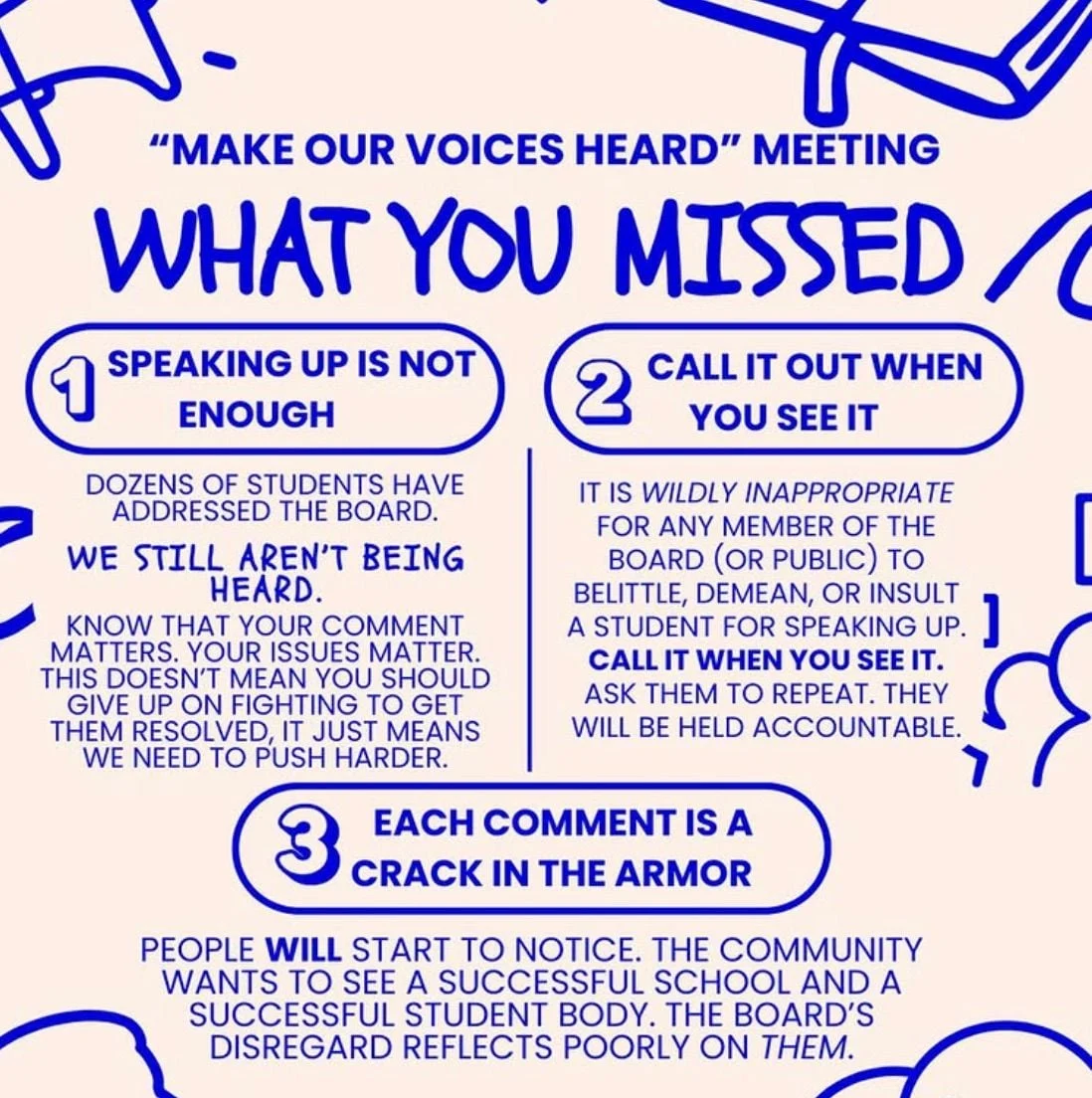
Elizabethtown Area School District Faces Student Uprising Over Book Bans and Curriculum Control
In the face of what many students describe as a growing censorship crisis, high school students in Elizabethtown, Pennsylvania, have mounted a vocal and sustained protest against their school board’s recent decisions to remove several books from the curriculum. The movement, spearheaded by student activists, centers on concerns that these removals represent an attempt to control student perspectives and limit exposure to diverse narratives and challenging, yet crucial, societal issues.
The wave of protests began in the harsh conditions of mid-winter, demonstrating the students’ unwavering commitment to their educational rights. This activism echoes similar sentiments seen in nearby school districts, highlighting a broader trend of student engagement in challenging what they perceive as ideological overreach in public education.
The Genesis of the Protest: Book Removals and Curricular Revisions
The controversy ignited in October 2025 when the Elizabethtown Area School District board, comprising nine members, unanimously voted to remove three books and one poem from the school’s curricula. The stated justification for these removals was the presence of "mature themes." Among the titles targeted were Jeannette Walls’ memoir The Glass Castle, cited for being "too troubling" for young minds, and Angie Thomas’s impactful novel The Hate U Give.
A significant point of contention for the protesting students is that several board members reportedly made these decisions without having read the books in question. This lack of direct engagement with the material has fueled accusations that the removals are driven by ideology rather than pedagogical concerns.
The board’s decision placed an immediate burden on educators, who were tasked with developing entirely new lesson plans that would satisfy both the curriculum requirements and the board’s directives within a compressed timeframe of mere months. Students and some educators argue that these removals are not genuinely about student safety or "parental rights," especially since an established opt-out option for parents already existed. Instead, they contend, the actions reflect a desire for control over the narratives students are exposed to, particularly those voices of the oppressed, marginalized, and underrepresented.
Escalating Rejections and Literary Merit Under Scrutiny
Following the initial book removals, the English department proposed five alternative titles for classroom study. However, in a subsequent unanimous vote, the board rejected all but two: Little Women and The Great Gatsby. This second wave of rejections included John Green’s critically acclaimed novel Turtles All the Way Down, which the board found objectionable due to the protagonist’s struggles with Obsessive-Compulsive Disorder (OCD).
The author, John Green, publicly expressed his distress over this decision. In a statement that was read by a student during a public forum, Green articulated his concerns: "I am deeply distressed to learn that in the Elizabethtown School District, my novel has been denied addition to curricula alongside such significant American novels as Jason Reynolds’ Long Way Down and Emily St. John Mandel’s Station Eleven." He emphasized that Turtles All the Way Down is neither obscene nor pornographic, noting the inherent paradox of a character with a severe phobia of microbes being unable to engage in intimacy without panic attacks. Green stated the book’s aim is to "humanize the experience of mental health disorders and destigmatize people who live with those disorders."
Students involved in the activism believe the preservation of Little Women and The Great Gatsby is due to their status as undisputed classics, making them less susceptible to challenge. They argue this paradox highlights the board’s superficial understanding of literature and education, as the very themes deemed objectionable in contemporary works—such as societal critique and complex human struggles—were precisely what made these classic novels revolutionary and enduring. The students maintain that the classroom is the appropriate venue for exploring these intricate topics, and that shielding students from them is a disservice to their intellectual development.

Student Voices: A Call for Critical Thinking and Representation
Kylee Wood, a junior at Elizabethtown Area High School and co-founder of the EAHS Student Activism Collective, has emerged as a prominent voice in the protest movement. Rather than solely recounting her personal experiences, Wood has focused on articulating the broader implications of the school board’s actions and their impact on students’ fundamental right to education.
"I cannot let these doctrines be the face of my education," Wood stated, encapsulating the sentiment of many students. "The students cannot let these doctrines be the face of their education."
The student protests officially began on January 20, 2026, with weekly demonstrations held in front of the high school. Organizers have expressed their intention to continue these actions until concessions are made by the school board. Beyond these public displays, student organizers are holding monthly meetings to discuss the board’s actions and strategize future steps.
Students involved in the activism have shared powerful testimonies about their motivations and concerns:
- One 15-year-old student articulated the necessity of discussing difficult topics like sexual assault and domestic violence: "Books can change lives. When the school board removes books that make them feel uncomfortable from the curriculum, they are restricting education on topics that some students otherwise would not be exposed to… how else will we ensure that children will be equipped to deal with these extremely challenging situations?"
- Another student, also 15, suggested the board’s focus on profanity and discomfort masks a deeper agenda: "I think the real reason the school board is removing these books is because they do not want us to think critically about the power systems that benefit them as white, middle class citizens of a suburban town. They do not want us to read things that evoke negative emotions because they do not want us to question the morality of the people in power."
- A 17-year-old expressed concern about the broader implications: "They won’t stop at just books, they will try to control the whole curriculum and get rid of teaching kids facts, inserting their opinions instead of letting us form our own."
- A future educator highlighted the importance of teacher autonomy: "I don’t think it’s their place, as people who barely interact with the student body and will not be doing the teaching, to make that call one way or the other."
- Another student emphasized the role of literature in navigating modern life: "Students can access quite literally anything online, so, for more mature content (abuse, poverty, etc.), having a guided space to explore these themes and realities…is very important. Everyone should be able to see themselves in a book, which requires diverse stories and storylines."
Addressing Proponents of Book Bans: A Plea for Nuance and Understanding
When asked what they would say to those in support of book bans, students offered thoughtful rebuttals that challenged common justifications.
One student pointed out the disproportionality of the bans: "Being against your child reading a certain book, and wanting to opt them out of that book, is absolutely valid. However, only a minority of parents do this… If you are of the belief that the only reason more students aren’t opted out of these books is because their parents are unaware of what content the books contain, then a reasonable first step would maybe be to send a letter outlining the content in the book home." The student argued that removing texts for all students based on the preferences of a few is unfair.
Another anonymous student drew a parallel between contemporary challenges and classic literature: "The things said about books today are the same things that were said about books 50 years ago… Books like The Great Gatsby, Catcher in the Rye, 1984, and other classics have a slew of references to alcohol and sexual activity, but they are considered classics, and therefore untouchable." This student argued that objectionable content, when presented within a larger narrative context, serves to illustrate themes of resilience and the realities of human experience, rather than simply titillating or offending.
A sentiment of feeling disregarded was also expressed: "It is awful to feel as if you have no agency. Removing books without consulting teachers or students, and, as was the case with most of the school board, without having read most of the books themselves, emphasizes that this was a political move rather than a practical one."
Broader Implications: Intellectual Freedom and Educational Integrity
The events in Elizabethtown are emblematic of a larger national discourse surrounding intellectual freedom in educational settings. The American Library Association (ALA) has reported a significant surge in book challenges and bans across the United States in recent years, with many targeting books by and about marginalized communities. These challenges often cite reasons such as sexual content, LGBTQ+ themes, and discussions of race and racism.

The implications of such censorship extend beyond the immediate classroom. Critics argue that restricting access to diverse literature can lead to a less informed and less empathetic citizenry. By limiting students’ exposure to different perspectives and challenging topics, schools risk failing to equip them with the critical thinking skills necessary to navigate a complex world and understand societal issues.
Furthermore, the involvement of student activists like those in Elizabethtown signals a growing awareness among young people of their rights and the importance of civic engagement. Their willingness to organize, protest, and voice their concerns in public forums underscores a desire to be active participants in shaping their own educational experiences.
Supporting the Fight for Access: Read For Liberty Pennsylvania
Organizations like Read For Liberty Pennsylvania are actively working to support students, parents, and educators in their efforts to combat censorship. This group collaborates with librarians, students, and community members to develop strategies for ensuring K-12 students have access to relevant materials.
Cathi Fuhrman, Project Director for Read for Liberty PA, stated, "Intellectual Freedom will always be at the core of who we are as librarians, teachers, and educators. Although there are some in power who want to restrict and control the ideas, information, and stories that our students have access to, there is an army of us who are ready to stand by you, stand with you, and lead the fight for the right to read."
Read for Liberty PA offers a helpline and resources for reporting censorship incidents across the state. They advocate for best practices in library selection policies and work to counter opaque administrative regulations that can restrict access to materials. The organization also highlights the critical role of certified school librarians, noting that a significant number of Pennsylvania school districts currently lack these essential professionals.
The ongoing battle for intellectual freedom in schools underscores the fundamental belief that educators and librarians are the trained professionals best equipped to curate curricula and library collections that meet educational standards and foster student development. The student-led movement in Elizabethtown serves as a powerful testament to the enduring value of literature and the critical importance of an education that embraces, rather than shies away from, the complexities of the human experience.
The students of Elizabethtown have made it clear: they will not stand by silently as their educational landscape is reshaped by what they perceive as narrow ideological agendas. Their sustained protests and articulate arguments serve as a potent reminder that the fight for access to diverse literature and unfettered inquiry is a vital component of a robust and equitable education system. As the situation unfolds, the actions of the Elizabethtown Area School District board and the continued resolve of its students will undoubtedly continue to resonate within the broader national conversation on censorship and the future of public education.