Ali Ikhwan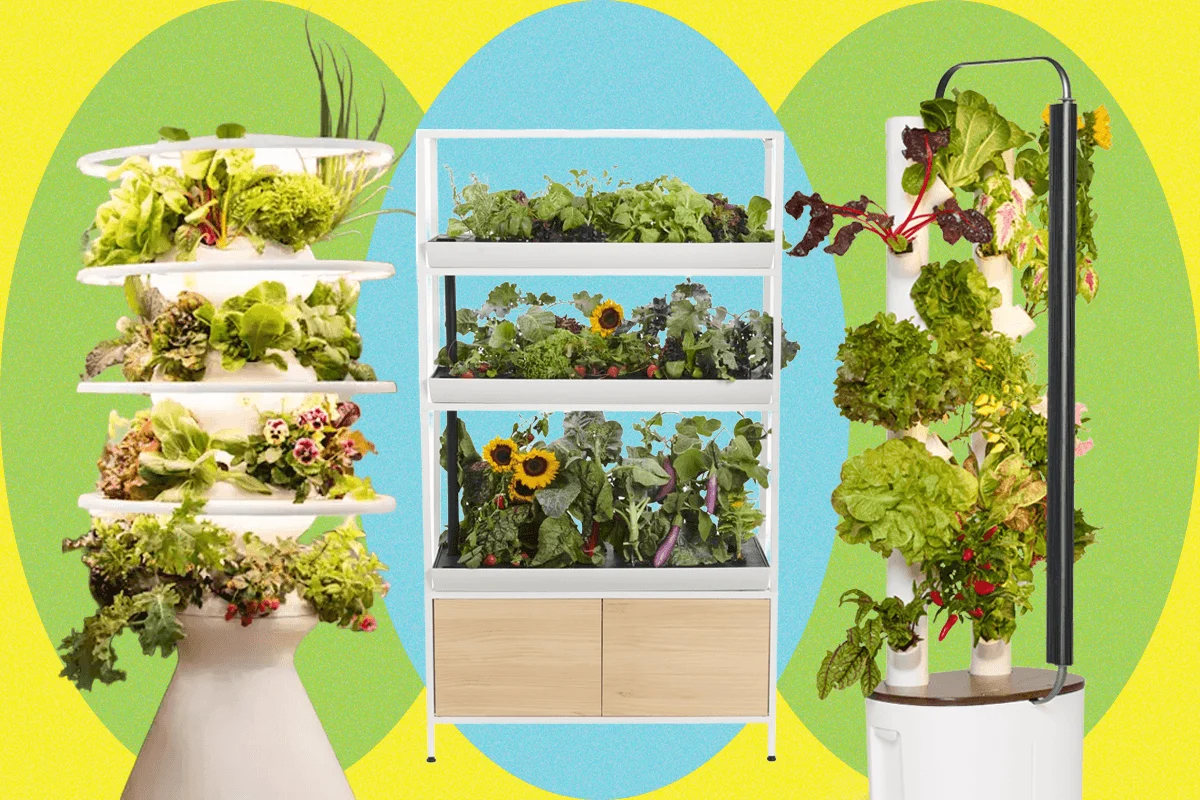
The landscape of domestic agriculture has undergone a significant transformation with the introduction of high-tech, vertical hydroponic systems designed for residential use. Among the most prominent entries in this sector is the Gardyn Home 4.0, a system that integrates automated lighting, irrigation, and artificial intelligence to facilitate the growth of a diverse range of crops within a compact indoor footprint. As urban populations seek greater food autonomy and sustainable living solutions, the Gardyn system represents a shift toward "smart" gardening, though it arrives with complex considerations regarding maintenance, subscription-based software models, and data security.
Technological Architecture and System Design
The Gardyn Home 4.0 and its smaller counterpart, the Studio 2, utilize a proprietary pipe-based hydroponic design. Unlike traditional soil-based gardening, these systems rely on nutrient-infused water circulated through vertical columns. The Home 4.0 model is designed with 30 growth slots, whereas the Studio 2 offers a more compact 16-slot configuration.
A defining characteristic of the Gardyn hardware is the placement of its LED light bars. Positioned in front of the growth columns rather than directly above each plant, the configuration allows for the cultivation of taller varieties that would typically be restricted in tiered shelving systems. This design choice has enabled users to successfully harvest substantial crops, including kohlrabi, cauliflower, and various tall herbs like Thai basil and thyme.
The cultivation process begins with "yCubes," which are proprietary seed pods. These pods feature seeds embedded in mineral wool, a substrate known for its excellent water retention and aeration properties. The yCubes are housed within "yPods," which slot into the main piping system. When the irrigation cycle begins, the yPods fill with water, allowing the roots to extend directly into the nutrient stream—a method that accelerates growth compared to traditional soil methods.
The Role of Kelby: AI and the Subscription Economy
The centerpiece of Gardyn’s "foolproof" marketing is its integrated AI assistant, Kelby. This software suite monitors the health and progress of the garden through a network of attached sensors and cameras. Kelby provides users with customized schedules for lighting and watering, as well as real-time suggestions for maintenance and harvesting.
Industry reports and internal sources indicate that the underlying technology for Kelby is built upon OpenAI’s ChatGPT architecture, modified with a specialized prompt overlay tailored for botanical care. This integration of Large Language Models (LLMs) into home appliances marks a burgeoning trend in the Internet of Things (IoT) market.
Access to Kelby’s full suite of automated features requires a recurring membership fee, currently priced at approximately $259 per year. This subscription model has become a point of discussion among consumer advocates. While the membership includes monthly credits for new yCubes and enables automated "Vacation Mode"—which slows plant growth to minimize water consumption while the user is away—the system can be operated manually without a subscription. However, manual operation requires the user to oversee all lighting and watering schedules through a basic interface, removing the "set-and-forget" convenience that serves as the product’s primary selling point.
Chronology of Security Vulnerabilities and Remediation
As with many internet-connected home devices, the Gardyn system has faced scrutiny regarding its cybersecurity infrastructure. The year 2026 marked a critical period for the company’s technical department following a series of official warnings.
On February 24, 2026, the United States Cybersecurity and Infrastructure Security Agency (CISA) released an initial advisory regarding vulnerabilities in the Gardyn Home and Studio devices. The report identified security weaknesses that could potentially allow unauthorized actors to take remote control of the devices. Of particular concern was the potential for hackers to access plant photos captured by the integrated cameras and obtain sensitive personal information, including names, physical addresses, phone numbers, and email addresses.
A follow-up advisory was issued by CISA on April 2, 2026, detailing further risks associated with the device’s firmware. In response to these findings, Gardyn initiated an emergency software update. The company has since claimed that these vulnerabilities have been remediated through firmware version 619 and subsequent updates. Gardyn’s official statement advised all customers to ensure their devices remain connected to the internet to receive these critical security patches. For users concerned about past compromises, the company established a dedicated support line and a security-focused email channel to handle inquiries.
Operational Logistics and Maintenance Realities
Despite the high level of automation, the Gardyn system requires a disciplined maintenance schedule to prevent mechanical failure and crop loss. Data collected from long-term testing suggests that the system’s ease of "resetting"—the process of cleaning the unit between full planting cycles—ranks relatively low on the user-friendliness scale, often cited as a 2 out of 10.
The maintenance requirements are categorized into three primary tasks:
- Monthly Tank Maintenance: The base reservoir must be completely emptied, scrubbed, and refilled with fresh water and nutrients every four weeks to prevent the buildup of algae and mineral deposits.
- Root Management: Every two to three weeks, users must inspect the root systems. Hydroponic roots can grow aggressively, potentially clogging the internal piping or leading to "root rot" if they wander outside the designated yPod area.
- Nutrient Management: Users must "top off" the tank with water and a 7-3-11 NPK (Nitrogen-Phosphorus-Potassium) plant food solution to maintain the chemical balance necessary for various growth stages.
Failure to adhere to these maintenance protocols can lead to significant labor during the cleaning phase. If roots are allowed to grow unchecked into the column sections, the disassembly and scrubbing process becomes considerably more difficult.
Comparative Analysis: Home 4.0 vs. Studio 2
While both models share the same technological DNA, performance variations have been noted. The Gardyn Home 4.0, with its two-light-bar configuration, generally yields more "lush" and robust plant growth compared to the Studio 2. The Studio 2, while featuring an upgraded camera system and more modern column aesthetics, utilizes only a single light bar. This reduction in light intensity has been observed to result in slower growth rates for light-hungry crops like miniature sunflowers and certain fruiting vegetables.
Technical Specifications Overview:
- Power Consumption: 40 watts (comparable to a standard modern television).
- Light Cycle: 14 to 16 hours per day.
- Pump Cycle: Standardized at 5 minutes, three times daily (though this varies based on Kelby’s AI adjustments).
- Plant Variety: Over 100 species available, ranging from greens (Tokyo bekana) to flowers and small vegetables.
- Dimensions: Approximately 24" H x 16" W x 7" D for the base unit, with columns extending significantly higher.
Broader Impact and Industry Implications
The rise of systems like the Gardyn Home 4.0 reflects a broader shift in the "AgTech" (Agricultural Technology) sector, moving from industrial applications to the consumer kitchen. The global hydroponics market is projected to grow at a Compound Annual Growth Rate (CAGR) of over 12% through the end of the decade, driven by concerns over food supply chains, pesticide use, and the desire for "hyper-local" produce.
However, the Gardyn case study highlights the tension between convenience and privacy in the smart-home era. The integration of AI and cameras into a device as seemingly benign as a vegetable garden brings the same risks associated with smart speakers and security cameras. The CISA advisories serve as a reminder that as the "Internet of Things" expands into every corner of the home, the surface area for potential cyber-attacks increases proportionally.
Furthermore, the "subscription-as-a-service" (SaaS) model applied to gardening raises questions about the long-term cost of ownership. While the initial purchase provides the hardware, the ongoing $259 annual fee essentially places a "tax" on the automation that makes the system viable for busy professionals. For the hobbyist, the ability to grow their own seeds using "seedless yCubes" (sold for $5 each) offers some flexibility, but the proprietary nature of the pods ensures a degree of brand lock-in.
In conclusion, the Gardyn Home 4.0 stands as a high-performance solution for indoor agriculture, capable of producing impressive yields with minimal horticultural knowledge. Its success is rooted in the sophisticated marriage of hardware design and AI-driven software. Nevertheless, prospective users must weigh the benefits of fresh, home-grown cauliflower and Thai basil against the labor-intensive cleaning requirements, the ongoing costs of a subscription model, and the inherent security risks of an internet-connected, camera-equipped household appliance. As the technology matures, the industry will likely see a greater emphasis on "edge computing"—where AI processing happens on the device itself—to alleviate the privacy concerns that defined Gardyn’s 2026 security challenges.