rifanmuazin
Pinterest has firmly established itself as a pivotal platform in the digital landscape, transcending the conventional boundaries of social media to function as a powerful visual discovery engine. With a staggering 619 million global active users, as reported by Pinterest itself, the platform offers a unique ecosystem where inspiration directly translates into action, particularly for consumers seeking products and services. Its distinct operational model, which prioritizes search and discovery over ephemeral social feeds, presents significant opportunities for businesses and creators aiming to cultivate a long-term digital presence and drive conversions.
The Evolution of a Visual Search Powerhouse

Conceived as a digital pinboard, Pinterest launched in March 2010, rapidly evolving from a niche platform for organizing personal interests into a global phenomenon. Its foundational premise allows users to "pin" images and videos, known as "pins," onto thematic "boards," creating curated collections of ideas, products, and inspirations. This mechanism fundamentally differs from the real-time, often fleeting, nature of platforms like TikTok or Instagram. Instead, Pinterest operates akin to a highly visual search engine, where user intent is typically discovery-driven and aspirational. As marketing expert Heather Farris aptly describes, Pinterest is "If Google Images and Instagram were to have a baby." This hybrid functionality positions it as a crucial touchpoint in the consumer journey, particularly during the early stages of planning and consideration.
Unpacking User Behavior: Intent-Driven Engagement
The demographic and behavioral patterns of Pinterest’s vast user base underscore its unique value proposition. Data from Pinterest reveals that over 85% of users have made a purchase based on pins from brands, highlighting a strong inclination towards transactional outcomes. Further solidifying this trend, a 2024 report by DataReportal indicates that 36.6% of active users engage with the app specifically "to follow or research brands and products," making this their primary reason for using the platform. This metric is critical, as it signifies a user base actively seeking solutions and products, often with a clear intent to purchase.
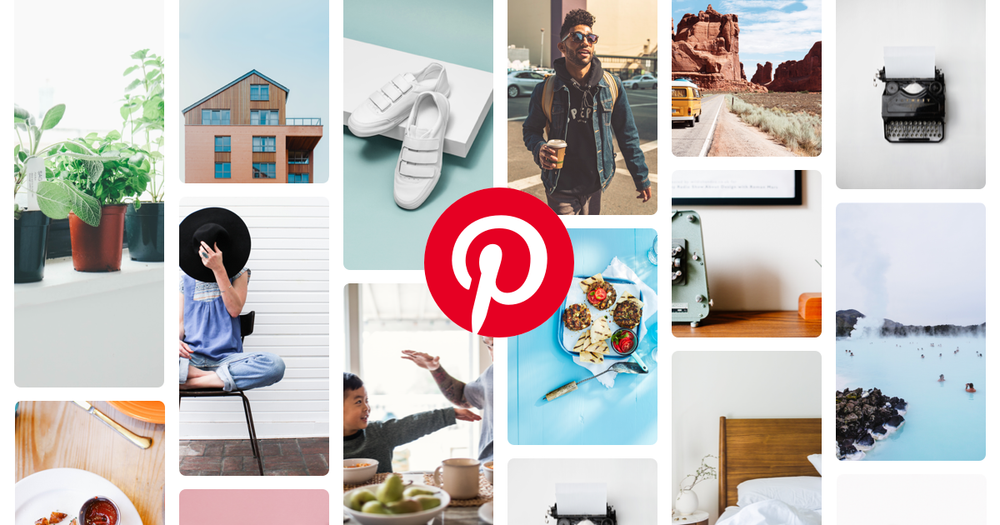
Unlike the passive consumption often observed on other social media platforms, Pinterest users are "planners." They meticulously organize content into curated boards, which serve as visual wish lists, project plans, or mood boards. This proactive engagement means that content discovered on Pinterest is often integrated into future decisions, from home renovations and fashion choices to travel itineraries and educational pursuits. The implication for businesses is clear: Pinterest is not merely a branding tool but a direct pipeline to highly motivated consumers at various stages of their purchasing journey.
Strategic Advantages for Businesses and Creators
For businesses and creators, Pinterest offers a compelling array of benefits that extend beyond mere brand visibility. These include:
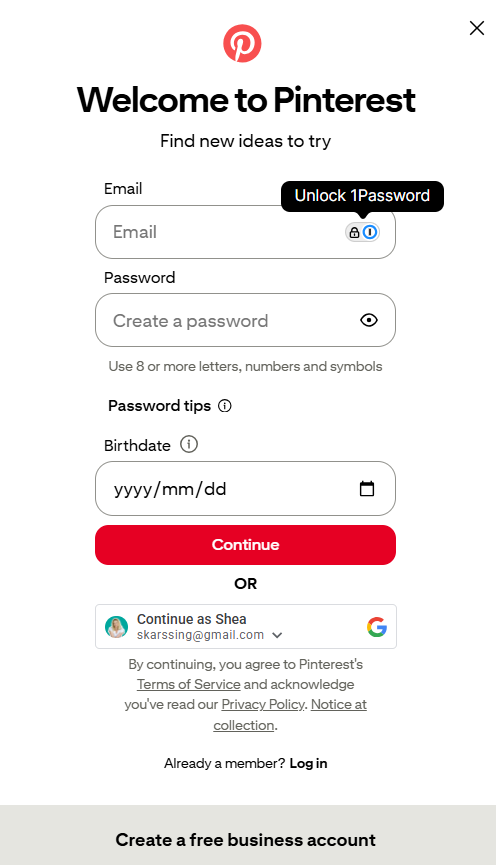
- Lead Generation and Sales: The high purchase intent of users directly translates into opportunities for lead generation and increased sales.
- Enhanced Brand Visibility: Engaging visual content can significantly boost brand awareness among a receptive audience.
- Targeted Traffic Driving: Pins can be directly linked to external websites, driving valuable, intent-driven traffic to e-commerce sites, blogs, or landing pages.
- Community Building: While less overtly "social," Pinterest allows for the creation of niche communities around shared interests.
A key differentiator lies in Pinterest’s algorithm. Unlike many social networks where content visibility is fleeting, Pinterest’s algorithm prioritizes relevance and searchability over recency or follower count. This means that well-optimized pins can continue to generate traffic and engagement months, or even years, after their initial publication. Heather Farris confirms this longevity, stating, "I have personally made pins for my brands that, five, six, or seven years later, are still bringing people to my website." This "evergreen" quality makes Pinterest an invaluable long-term marketing asset, providing sustained returns on content investment.
Niche Performance and Audience Alignment
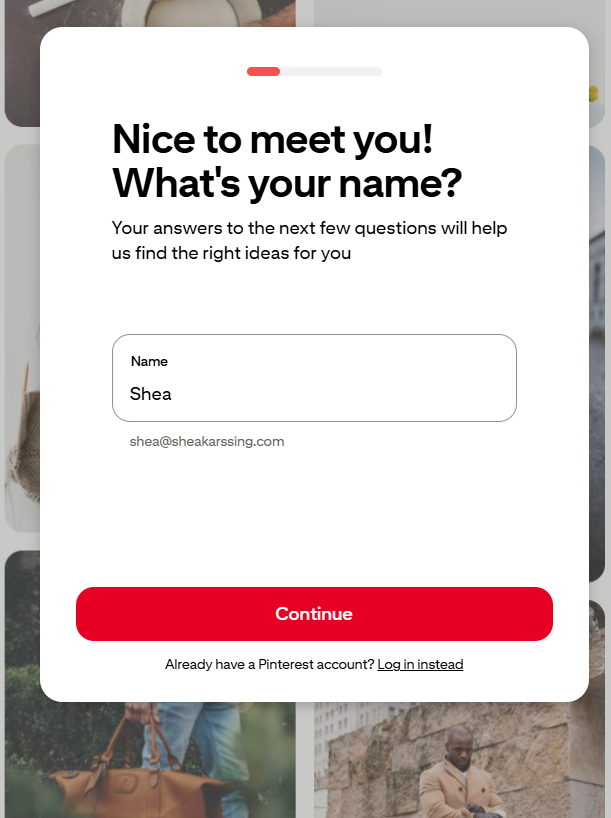
Pinterest’s visual and aspirational nature means it particularly thrives for businesses and creators operating in certain niches. These categories, characterized by strong visual appeal, practical application, or aspirational goals, consistently demonstrate high engagement and conversion rates. Key performing niches include:
- Home Decor & Design: Interior design ideas, DIY projects, furniture, gardening.
- Fashion & Beauty: Outfit inspiration, makeup tutorials, skincare routines, style guides.
- Food & Drink: Recipes, meal planning, cooking tips, entertaining ideas.
- Travel: Destination guides, travel itineraries, packing tips.
- Health & Wellness: Fitness routines, healthy recipes, mental wellness tips.
- Education & Self-Improvement: Study tips, career advice, personal development.
- Weddings & Events: Planning guides, decor ideas, vendor inspiration.
- Parenting: Kids’ activities, baby products, family organization.
- Finance: Budgeting tips, investment advice, financial planning.
Businesses in these sectors find a naturally aligned audience actively seeking inspiration and solutions, making Pinterest a high-impact marketing channel.
Navigating Pinterest: Personal vs. Business Accounts
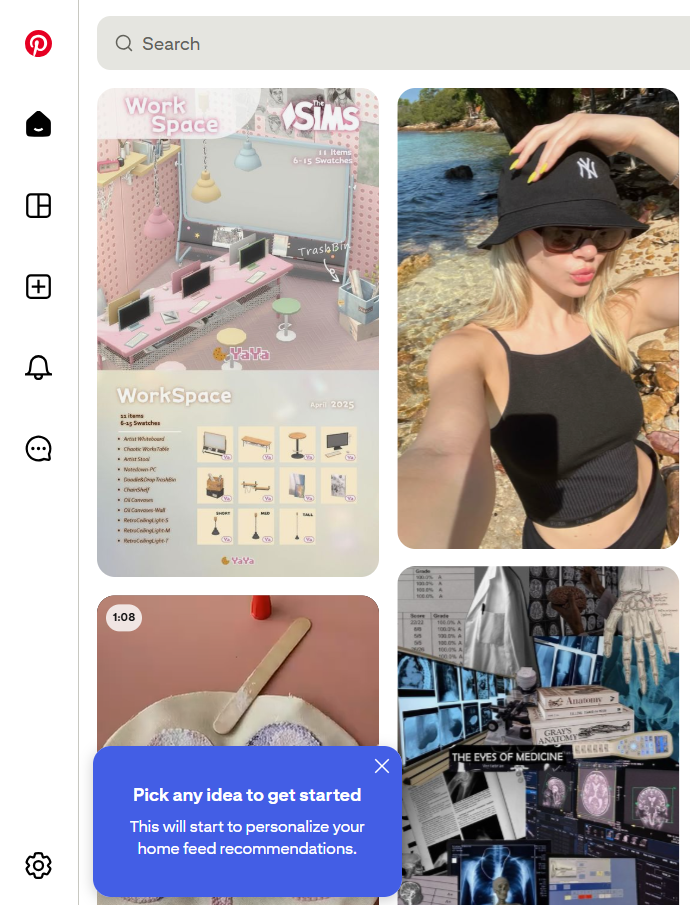
Pinterest offers two primary account types: Personal and Business. While both allow users to create pins and boards, the Business account unlocks a suite of features essential for professional marketing efforts.
| Feature | Personal Account | Business Account |
|---|---|---|
| Save and organize pins | Yes | Yes |
| Create boards | Yes | Yes |
| Pinterest Analytics | No | Yes |
| Advertising (Idea Ads, Video Ads, etc.) | No | Yes |
| Product Catalogs | No | Yes |
| Pinterest Business Hub / Creator Hub | No | Yes |
| Best for | Saving ideas for personal use | Creators, businesses, marketers |
The ability to access Pinterest Analytics, run advertising campaigns, utilize product catalogs, and leverage the Business/Creator Hub makes a Business account indispensable for anyone looking to monetize their presence or track performance. Existing personal accounts can be easily converted to business accounts, or a business profile can be linked to a personal one, offering flexibility for users.
Crafting Effective Pins and Boards: A Strategic Approach
The core of Pinterest engagement revolves around pins and boards. Creating impactful content requires adherence to specific best practices designed to maximize discoverability and user interaction.
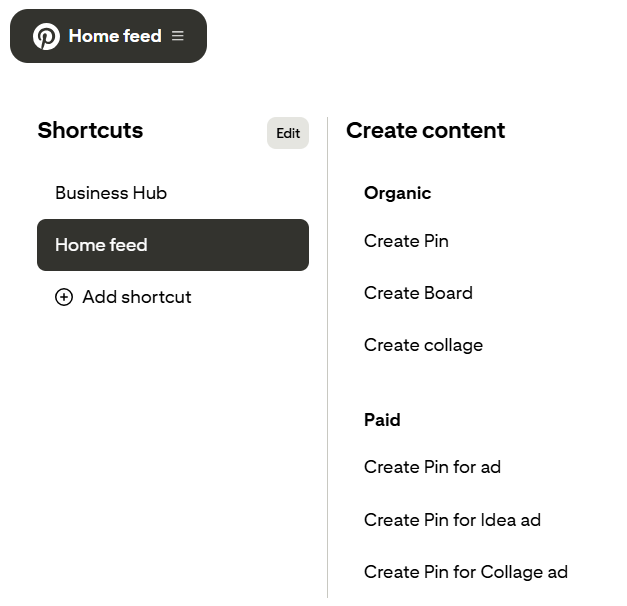
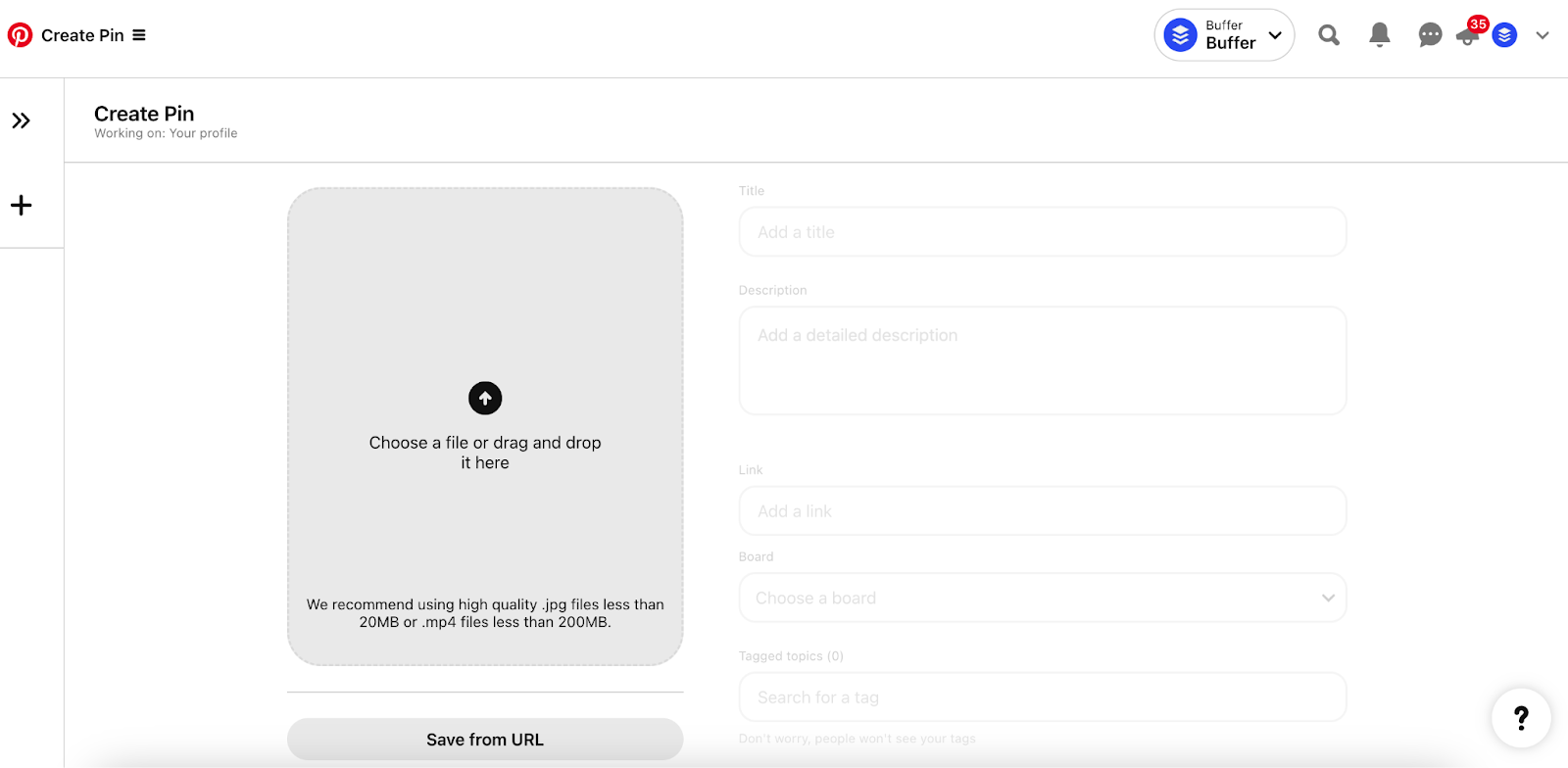
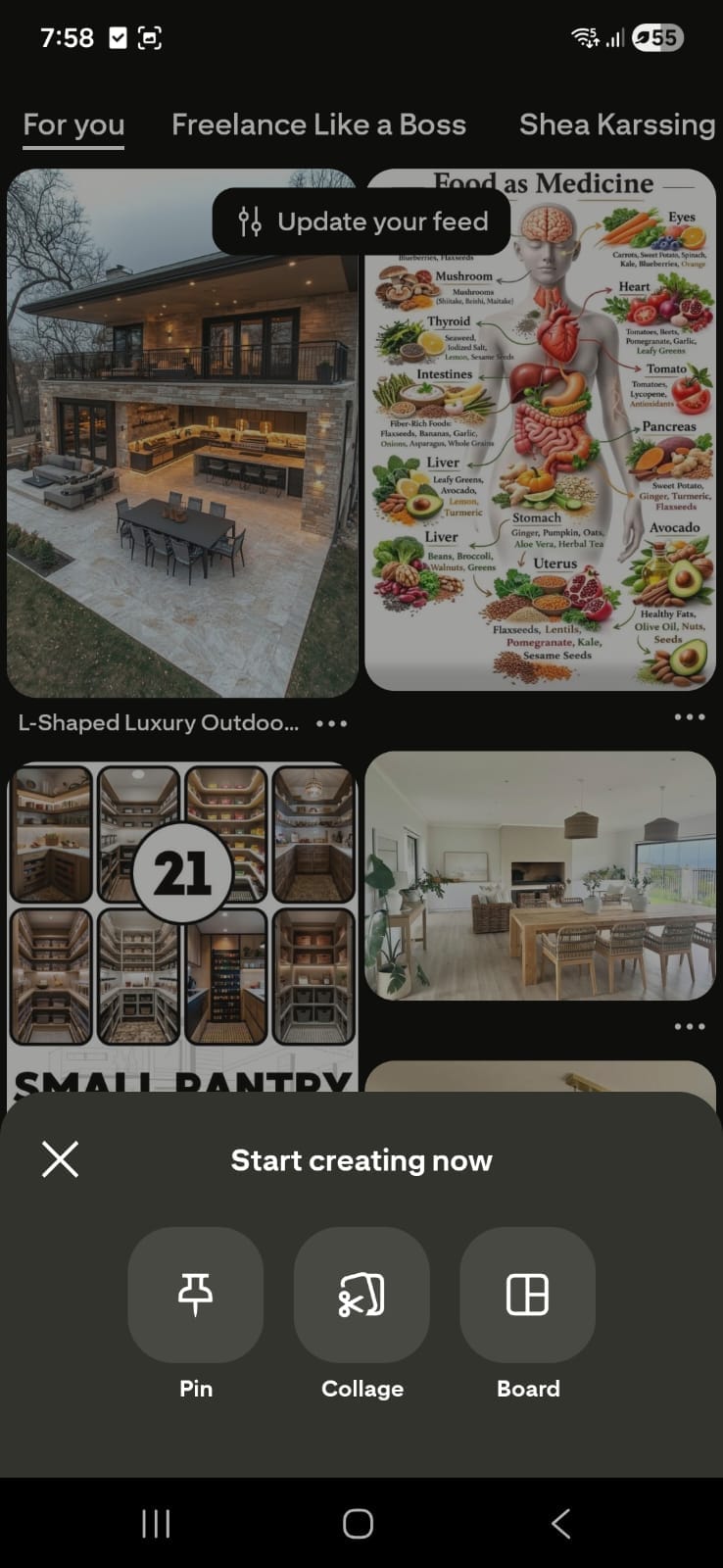
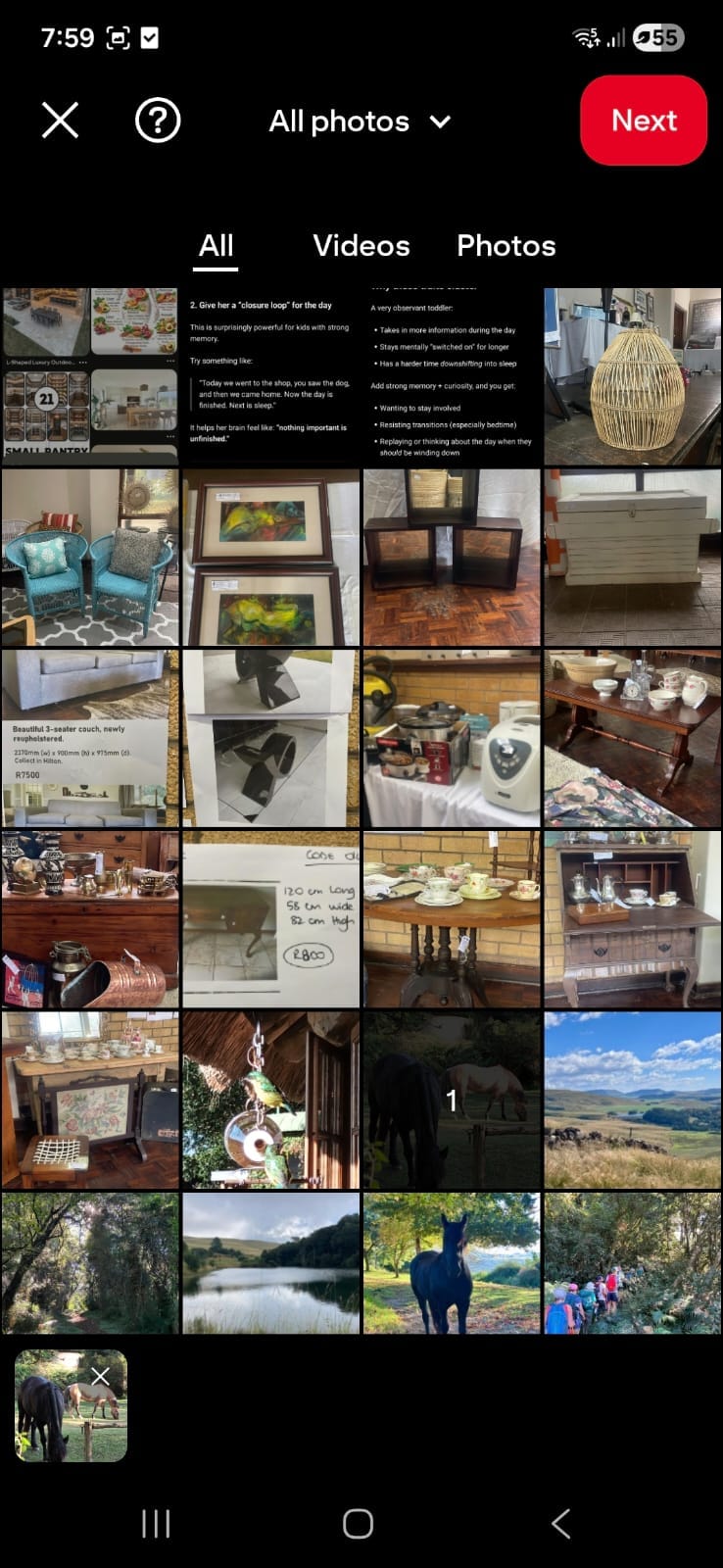
Pin Creation: Pins are the fundamental units of content. They consist of an image or video, a title, a description, and an optional outbound link.
- Visual Dominance: As a visual-first platform, high-quality, eye-catching, and uncluttered images are paramount. Visuals should be on-brand and convey a clear message.
- Vertical Aspect Ratio: Pinterest’s column-based feed favors vertical images, allowing them to occupy more screen real estate. The ideal aspect ratio is 2:3 (e.g., 600 x 900 pixels), though square pins (600 x 600 pixels) also perform well.
- Integrating Video: Video content significantly boosts engagement, often outperforming static images. Videos should be designed for mobile viewing, preferably in square or portrait format. Short videos are excellent for discovery, while longer formats can serve as tutorials or demonstrations.
- Overlay Text: If an image alone doesn’t convey the full message, brief, legible text overlays can add crucial context without cluttering the visual.
- Descriptive Power: Detailed and helpful pin descriptions are vital. They should not only elaborate on the pin’s content but also incorporate a clear call to action (CTA) using verbs like "shop," "make," "find," or "buy," encouraging users to click through to the linked source.
- Outbound Links: Every pin should include a relevant link to the source content. This is fundamental for driving traffic and fulfilling user expectations. Links should be concise, direct, and ideally lead to a dedicated landing page.
Board Creation: Boards serve as organizational hubs for pins, allowing users to categorize content logically.
- Thematic Organization: Boards should be clearly themed and named, reflecting specific interests or product categories.
- Descriptive Board Information: Just like pins, boards benefit from descriptive titles and descriptions, which aid in SEO and provide context.
- Board Covers: A visually appealing board cover enhances the profile’s overall aesthetic and user experience.
- Secret Boards: The option to create secret boards allows creators to curate content privately before making it public, facilitating strategic planning.
Pinterest SEO: The Backbone of Discoverability
Central to Pinterest’s functionality as a search engine is Search Engine Optimization (SEO). Unlike other platforms where hashtags might reign supreme, keywords are the linchpin of discoverability on Pinterest.
- Keyword Research: Businesses must conduct thorough keyword research, considering user search intent. Pinterest’s own search bar offers valuable suggestions for related terms and phrases. Tools for general SEO can also assist in identifying relevant keywords.
- Strategic Placement: Keywords should be naturally integrated into pin titles, pin descriptions, and board titles. Overstuffing keywords, however, can appear spammy and detract from user experience.
- Hashtags as Supporting Elements: While hashtags exist, their role is secondary to keywords. They should be used sparingly (2-5 relevant hashtags per pin) and only as an additional layer of categorization. The primary focus should always be on rich, descriptive content optimized with keywords.
Leveraging Trends and Repurposing Content
To maximize impact, businesses should align their content strategy with Pinterest’s unique user behavior.
- Anticipate Trends: Pinners are proactive planners. Businesses should post seasonal or trend-related content well in advance of actual events or holidays to capture early-stage planning.
- "Repurposing with Purpose": While cross-posting content from other platforms can be efficient, it requires strategic adaptation. Watermarks from other social networks and copyrighted music should be removed to ensure optimal performance on Pinterest, which penalizes such elements. Re-editing videos to fit Pinterest’s preferred aspect ratios and content style is also crucial.
Measuring Success: The Power of Pinterest Analytics
For Business accounts, Pinterest Analytics provides invaluable insights into content performance. Key metrics to monitor include:
- Impressions: The number of times pins were seen. This is a crucial diagnostic metric; low impressions indicate a need to re-evaluate keyword strategy and pin optimization.
- Pin Clicks: The number of clicks on a pin, indicating initial user interest.
- Saves: How many times users saved a pin to their boards, signifying high value and future intent.
- Outbound Clicks: The number of clicks that lead users off Pinterest to the linked website, directly correlating with traffic generation and potential conversions.
Focusing on these metrics in sequence – from initial visibility (impressions) to engagement (clicks, saves) and finally conversion (outbound clicks) – provides a comprehensive understanding of content effectiveness and guides optimization efforts.
The Long Game: Patience and Persistence
Perhaps the most significant difference between Pinterest and other social platforms is the timeline for growth. Pinterest rewards patience and consistent effort. Unlike platforms where content might peak within hours, pins on Pinterest can continue to gain traction for weeks, months, or even years. This "long game" approach allows businesses and creators to build a robust, evergreen content library that generates sustained traffic and engagement over time, making it a powerful, enduring component of any comprehensive digital marketing strategy. The strategic investment in Pinterest content promises compounding returns, making it an indispensable tool for long-term brand building and audience engagement in the digital age.