Indra Kusuma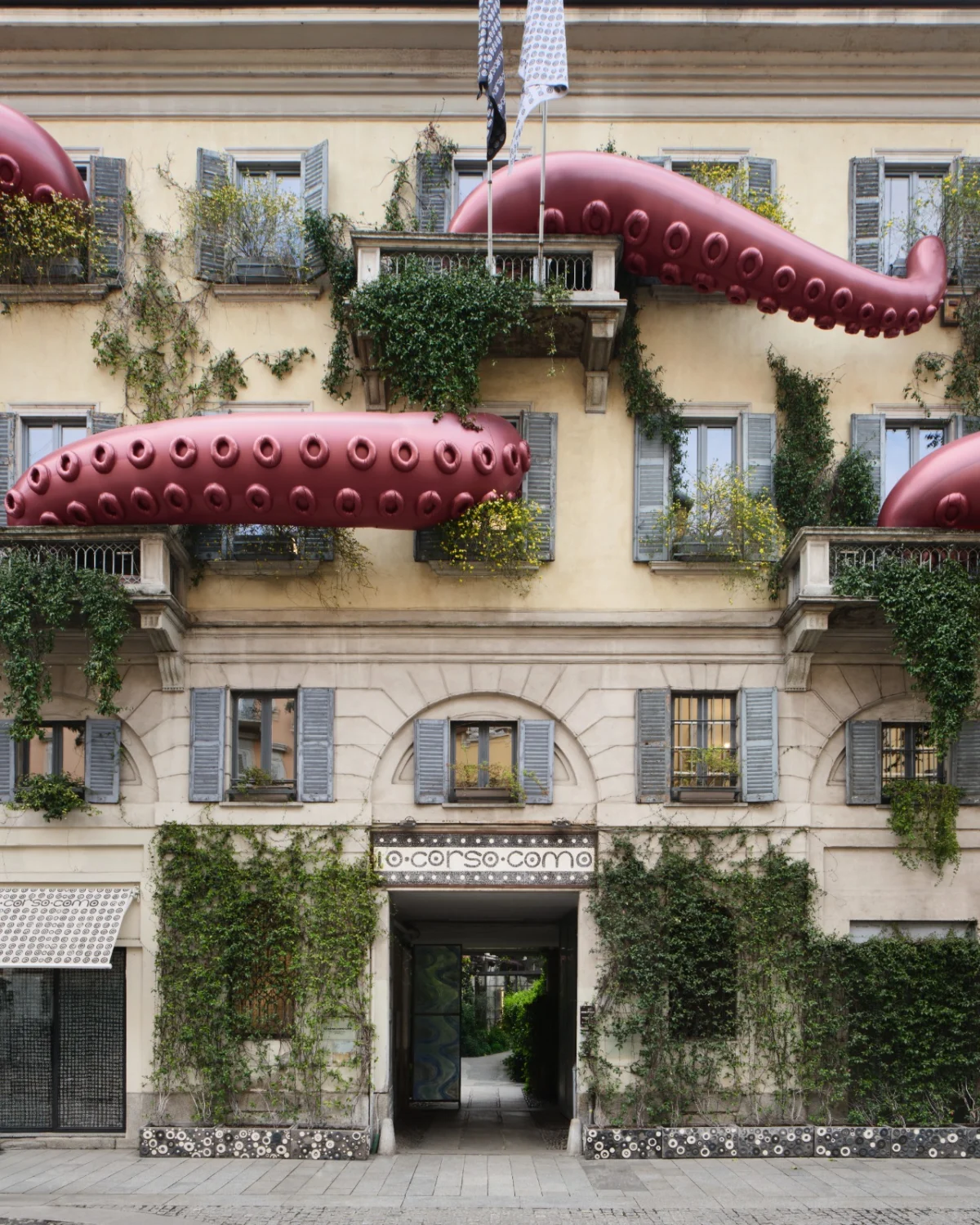
As the undisputed global epicenter for design innovation, Milan consistently pushes the boundaries of creative expression during its annual Design Week. The 2026 edition proved to be no exception, transcending previous iterations in both scale and audacity. Across the city’s myriad districts, a singular, pervasive visual motif emerged, transforming historic palazzi and modern storefronts alike: the humble balloon, elevated to monumental art. This year, giant inflated creatures and expansive air-filled experiences weren’t merely decorative elements; they were central to brand activations, artistic statements, and immersive environments, capturing the imagination of hundreds of thousands of visitors. The trend underscored a broader shift towards highly tactile, interactive, and visually striking installations designed for both physical engagement and widespread digital dissemination.
Milan Design Week: A Global Design Nexus

Milan Design Week, encompassing Salone del Mobile and the sprawling Fuorisalone events, is the world’s most significant annual design fair. Held annually in April, it draws designers, architects, buyers, critics, and enthusiasts from every corner of the globe. Salone del Mobile, established in 1961, is the premier international furniture and design exhibition hosted at the Rho Fiera exhibition center, showcasing the latest trends and innovations from leading manufacturers. Complementing this, Fuorisalone—meaning "outside the Salone"—transforms the entire city into an open-air design laboratory. Districts like Brera, Tortona, 5 Vie, and Isola host an eclectic mix of exhibitions, installations, workshops, and parties, organized by brands, independent designers, art galleries, and cultural institutions.
The sheer scale of Milan Design Week is staggering. In typical years, Salone del Mobile alone attracts over 370,000 visitors from 188 countries, with Fuorisalone events drawing even larger, more diffuse crowds estimated to be in the millions. The economic impact on Milan is substantial, boosting tourism, hospitality, and retail sectors. For brands, participation is a crucial opportunity to launch new products, reinforce brand identity, engage with the design community, and generate global media attention. In recent years, there has been an increasing emphasis on creating memorable, shareable experiences, driven partly by the pervasive influence of social media. This context provides fertile ground for the rise of unconventional, visually impactful mediums like inflatable art.
The Ubiquitous Charm of Inflatables: A Design Phenomenon

While inflatables have a long history in art and design, ranging from the Pop Art sculptures of Claes Oldenburg to the architectural experiments of Archigram, their resurgence at Milan Design Week 2026 marked a distinct moment. The appeal is multifaceted: inflatables offer a blend of playful whimsy, monumental scale at relatively low cost and weight, and an inherent ability to transform space dynamically. Their soft, often undulating forms provide a stark contrast to the rigid lines of urban architecture or traditional exhibition spaces, creating an immediate sense of surprise and wonder.
This year’s trend saw inflatables deployed not just as static objects but as interactive elements, kinetic sculptures, and even performative props. They served as powerful tools for storytelling, brand messaging, and fostering communal experiences. The sheer photographic appeal of these oversized, often brightly colored forms ensured their viral spread across platforms like Instagram and TikTok, extending the reach of Milan Design Week far beyond its physical confines. This strategic deployment underscored a growing understanding among brands and artists of how to leverage experiential design for maximum impact in a digitally connected world.
Here are five standout installations that exemplified this pervasive trend:

1. Moncler’s Octopus Invasion at 10 Corso Como: A ‘Puffy Summer’ Statement
The iconic Milanese concept store and cultural hub, 10 Corso Como, became the stage for one of Milan Design Week 2026’s most arresting spectacles: a colossal, maroon inflatable octopus by luxury fashion brand Moncler. This daring intervention, a key component of Moncler’s "Puffy Summer" campaign, saw gargantuan tentacles erupting from the windows and wrapping around the elegant facade of the multi-story building. The vivid, almost ominous hue of the inflatable creature created a striking contrast against the building’s white stone, immediately drawing eyes from the street and compelling passersby to pause and document the surreal scene.
Moncler, renowned for its high-performance outerwear and innovative approach to luxury, strategically employed the inflatable octopus to embody the "puffy" aesthetic central to its summer collection. The installation transformed 10 Corso Como into an immersive, slightly unsettling environment, inviting visitors to dine or shop "in the belly of the beast." This experiential marketing move was not just visually impactful; it subtly communicated Moncler’s brand identity—combining functionality with audacious design—while also creating a memorable, shareable moment that resonated with the brand’s target demographic. The choice of 10 Corso Como, a landmark synonymous with avant-garde fashion and art, amplified the prestige and cultural resonance of the installation.

2. Serotonin: The Chemistry of Happiness by Sara Ricciardi Studio for American Express
Nestled within the historic Loggia of the Pinacoteca di Brera, a beacon of classical Italian art, Sara Ricciardi Studio presented "Serotonin: The Chemistry of Happiness" for American Express. This installation, part of the Brera Design District 2026 program, offered a vibrant counterpoint to its venerable surroundings. Ricciardi, known for her poetic and often whimsical approach to design, crafted a series of large, tie-dyed blue and pink balloon spheres. These soft, biomorphic forms were strategically placed, creating a dynamic interplay with the rigid classical architecture of columns and arches.
The installation’s title directly referenced the neurotransmitter associated with feelings of well-being and happiness, a concept American Express sought to explore in its engagement with the arts. The juxtaposition of modern, ephemeral inflatables with the enduring stone of the Pinacoteca created a powerful visual metaphor for the transient yet profound nature of joy. Visitors were encouraged to walk within the installation, where the giant balloon-like forms subtly moved and "breathed," imbuing the space with a sense of living energy. This interactive element fostered a personal connection, allowing participants to experience the "chemistry of happiness" firsthand. For American Express, the sponsorship underscored its commitment to cultural initiatives and its desire to connect with consumers through emotionally resonant experiences, reinforcing a brand image of facilitating enriching moments.

3. Škoda Auto x Ulises Studio: Škoda Epiq – A Gamified Experience
One of the most ambitious and widely celebrated installations of Milan Design Week 2026 was the collaboration between Czech automobile manufacturer Škoda Auto and multidisciplinary design firm Ulises Studio. Hosted for a week-long takeover at the grand Palazzo Senato, the "Škoda Epiq" installation was a bold, immersive environment designed to promote the upcoming launch of Škoda’s new all-electric car, the Epiq. Led by Spanish architect and Ulises Studio founder Ricardo Orts, the installation drew inspiration from a "modelling clay" aesthetic, translating it into a vibrant, playful, and interactive adult fun house.
The Palazzo’s historic courtyard and interiors were transformed into a fantastical landscape featuring oversized orange and teal balloon installations, integrated with slides, ball pits, and relaxation zones. A mobile cafe completed the experience, encouraging prolonged engagement. The design successfully blended the futuristic aspirations of an electric vehicle with a nostalgic, tactile playfulness. The concept of gamification was central, allowing visitors to engage with the brand’s messaging through an experience reminiscent of a video game brought to life. The installation’s massive popularity, drawing over 60,000 visitors, culminated in it receiving the top prize for Fuorisalone 2026 as the highest-rated installation. This accolade underscored its success in creating a highly engaging, memorable, and widely acclaimed brand experience that effectively communicated Škoda’s vision for the future of mobility through an innovative design language.

4. Dalfilo’s Dream Walkers: Performance Art for Comfort
Beyond static installations, inflatables found their way into performative contexts, as demonstrated by Dalfilo’s "Dream Walkers." Promoting a new capsule collection of bed linens, "Land of Dreamers," designed by Sara Ricciardi Studio for Dalfilo’s new flagship store on Corso Garibaldi 60, this initiative utilized performance art to capture public attention. A troupe of "Dream Walkers," clad in ethereal all-white outfits, roamed the bustling streets of Brera, each carrying giant, translucent, ruffled pillow-like inflatables.
The sight of these serene figures navigating the urban chaos, bearing their oversized, cloud-like props, created a striking visual anomaly. Conceived by Samira Cogliandro and performed by Cult of Magic, the "Dream Walkers" served as living advertisements, subtly hinting at the comfort and tranquility offered by Dalfilo’s luxury linens. The jumbo balloon pillows, reminiscent of exaggerated comfort, stirred a sense of longing for rest among the often-tired tourists and design professionals navigating the intense schedule of Design Week. This innovative promotional stunt effectively blended art, fashion, and marketing, turning a product launch into a captivating public spectacle that generated curiosity and discussion. It highlighted how even ephemeral art forms could convey sophisticated brand narratives.

5. Marea / Tide by Habits: Kinetic Inflatables and Responsive Environments
Milan-based industrial design studio Habits presented "Marea / Tide," an installation that delved into the intersection of suspension, inflatable art, and kinetic environments. This project spotlighted a new, interactive aerial structure designed to explore how spatial thresholds can shape social interaction. Situated in an interior space adorned with classical statues and high walls, the installation featured striking, shiny black rectangular and oval balloons suspended as a responsive canopy.
"Marea / Tide" was the product of a collaborative effort involving a team of engineers, prototypists, and software experts. The lightweight, helium-filled modules were not static; they reacted in real-time to user engagement through a sophisticated robotic system of monitors, sensors, and micro-fans. This created a fluid choreography, with the modules drawing close and rebounding, mirroring the rhythmic ebb and flow of tides—hence the project’s evocative name. The installation transformed the space into a dynamic, living entity, where the environment itself responded to and shaped the social interactions occurring beneath it. Habits demonstrated the potential of inflatables as components of complex, interactive systems, pushing the boundaries of industrial design into the realm of responsive architecture and intelligent environments. The project underscored a forward-thinking approach to design, where technology and material innovation converge to create truly immersive and adaptive experiences.

Broader Implications and Future Outlook
The pervasive presence of inflatable installations at Milan Design Week 2026 signals several important trends within the design world and experiential marketing. Firstly, it highlights the increasing demand for immersive and interactive experiences that go beyond mere product display. In an era saturated with digital content, physical activations need to be compelling, memorable, and shareable to cut through the noise. Inflatables, with their inherent visual drama and tactile appeal, perfectly fit this paradigm.
Secondly, the trend underscores the growing importance of "Instagrammability" in design events. The visual novelty and grand scale of these balloon installations made them prime fodder for social media, generating organic reach and amplifying the visibility of both the artists and the sponsoring brands. This symbiotic relationship between physical experience and digital dissemination is likely to continue shaping future design showcases.

Thirdly, the collaborations between high-end fashion brands (Moncler), financial services (American Express), automotive manufacturers (Škoda), and home goods (Dalfilo) with design studios like Sara Ricciardi Studio, Ulises Studio, and Habits, demonstrate the expanding role of design in brand communication across diverse industries. Design is no longer just about aesthetics; it is a strategic tool for storytelling, emotional connection, and market differentiation.
However, the widespread use of inflatables also raises questions regarding sustainability. While some materials can be reused or recycled, the environmental footprint of large-scale, temporary installations, including material sourcing, energy consumption for inflation, and end-of-life disposal, remains a point of consideration for the industry. Future iterations of this trend will likely see an increased focus on biodegradable materials, modular designs for reusability, and more sustainable production methods.
In conclusion, Milan Design Week 2026 will be remembered as the year the balloon took center stage, transforming the city into a vibrant, playful, and thought-provoking gallery of air-filled art. From monumental brand activations to intimate interactive spaces, these inflatable spectacles not only captivated visitors but also offered a compelling glimpse into the future of experiential design, where creativity, technology, and strategic messaging converge to create truly unforgettable moments. The phenomenon underscored Milan’s enduring role as a crucible for innovation, continually redefining the boundaries of what design can be.