Reynand Holland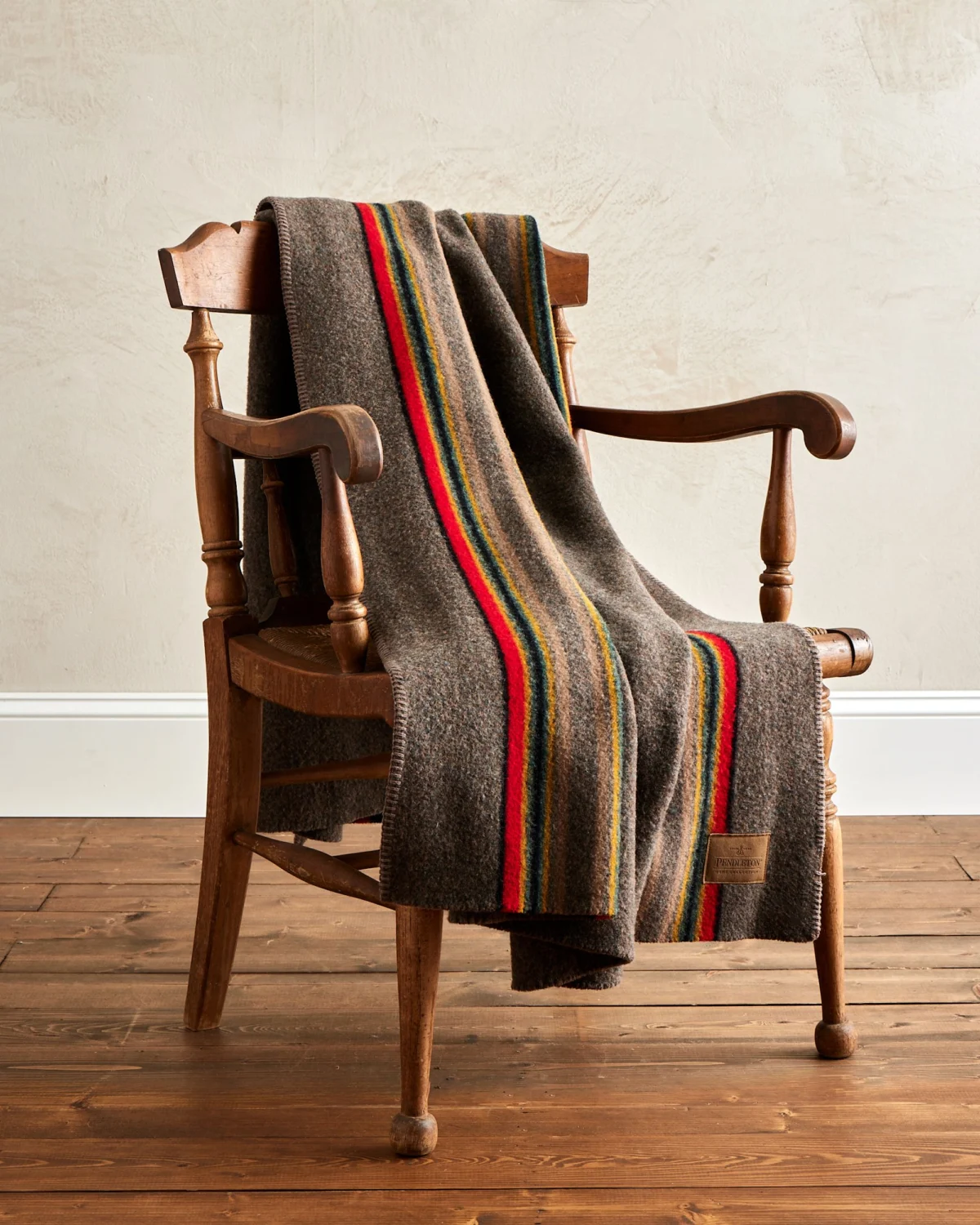
The chill of winter beckons for warmth and comfort, and few items embody this better than a well-chosen blanket. More than just a winter accessory, a cozy throw or quilt can transform long, cold evenings into moments of sanctuary, serve as a comforting companion during holiday travels, or offer a thoughtful and enduring gift for even the most discerning recipient. However, in a market saturated with options, identifying blankets that are not only luxurious but also ethically produced and safe for your home requires careful consideration. This guide delves into the crucial factors to consider when selecting sustainable and skin-safe blankets, and highlights a curated selection of brands committed to quality, transparency, and ethical practices.
The Importance of Skin-Safe Materials and Dyes
The comfort derived from a blanket is significantly impacted by the materials and dyes used in its creation. Many synthetic textiles, commonly found in mass-produced blankets, are treated with azo-benzene disperse dyes. These dyes are known to be immuno-sensitizing, meaning they can trigger skin reactions upon direct contact, a particular concern when snuggling under a blanket for extended periods. Beyond skin contact, these potentially hazardous substances can also become airborne, breaking off into household dust and being inhaled or ingested by family members, including children and pets.
In contrast, natural fibers offer a healthier alternative for both personal well-being and the environment. Materials like organic cotton, alpaca, merino wool, linen, Tencel, and hemp are lauded for their breathability, natural hypoallergenic properties, and significantly reduced environmental footprint compared to their synthetic counterparts. The production of organic cotton, for instance, avoids the use of synthetic pesticides and fertilizers, which can contaminate soil and water systems. Alpaca and merino wool are not only incredibly soft and warm but also naturally odor-resistant, reducing the need for frequent washing and the associated water and energy consumption. Linen, derived from the flax plant, is known for its durability and sustainability, requiring less water to grow than cotton. Tencel, a regenerated cellulosic fiber, is produced through an environmentally responsible closed-loop process. Hemp, a rapidly growing plant, requires minimal water and pesticides, making it a highly sustainable fiber.
To ensure that the dyes and finishes used on these natural fibers are also safe, consumers are advised to look for certifications from reputable organizations. Oeko-Tex Standard 100 guarantees that every component of the textile product has been tested for harmful substances and that the product therefore is harmless for human health. The bluesign® system, on the other hand, takes a holistic approach, aiming to eliminate harmful substances right from the manufacturing stage. It assesses the entire production chain, focusing on resource productivity, consumer safety, water emissions, air emissions, and occupational health and safety. The presence of these certifications provides a strong indicator of a brand’s commitment to producing textiles that are safe for consumers and have a minimized impact on the environment.
Durability and Timeless Style: Investing in Longevity
A truly valuable blanket is one that transcends fleeting trends and offers enduring comfort and aesthetic appeal. Brands that prioritize quality materials and intentional design create blankets intended to be cherished for years, rather than seasons. Wool blankets, for example, possess inherent anti-odor properties, which significantly reduces the frequency of washing required compared to synthetic alternatives. This not only extends the life of the blanket but also conserves water and energy resources. The natural resilience of wool fibers also means they are less prone to pilling and wear, maintaining their structure and softness over time.
Beyond material properties, the design of a blanket plays a crucial role in its longevity. Investing in blankets with timeless styles ensures they will remain a cherished part of your home décor, regardless of evolving interior design trends. Classic patterns, neutral color palettes, and versatile textures tend to endure, offering a sense of continuity and comfort. When purchasing a blanket, it is always advisable to review the material care instructions. Proper care, which may include specific washing temperatures, drying methods, or professional cleaning recommendations, is essential for maximizing the lifespan of any textile product and preserving its quality.
Traceable and Ethical Supply Chains: Supporting Artisans and Fair Practices
The creation of a blanket can represent a rich tapestry of tradition, craftsmanship, and ethical sourcing. Many brands are actively working to connect consumers with the artisans who craft their products, ensuring fair wages, safe working conditions, and the preservation of traditional textile techniques. Investing in blankets from such brands not only brings unique, handcrafted pieces into the home but also directly supports communities and promotes economic empowerment.
When evaluating a brand’s ethical claims, looking for certifications from organizations like Fair Trade USA and the World Fair Trade Organization (WFTO) can provide an extra layer of assurance. Fair Trade certification ensures that farmers and workers receive fair prices for their products, have safe working conditions, and are empowered to invest in their communities. The WFTO guarantees that a business is committed to the 10 Principles of Fair Trade, which encompass fair wages, no child or forced labor, sustainable practices, and transparency. Many brands also emphasize traceability in their supply chains, allowing consumers to understand the origins of the materials and the journey of the product from raw material to finished good. This transparency fosters trust and allows consumers to make informed purchasing decisions aligned with their values.
Curated Selection of Sustainable and Ethical Blanket Brands
1. Pendleton
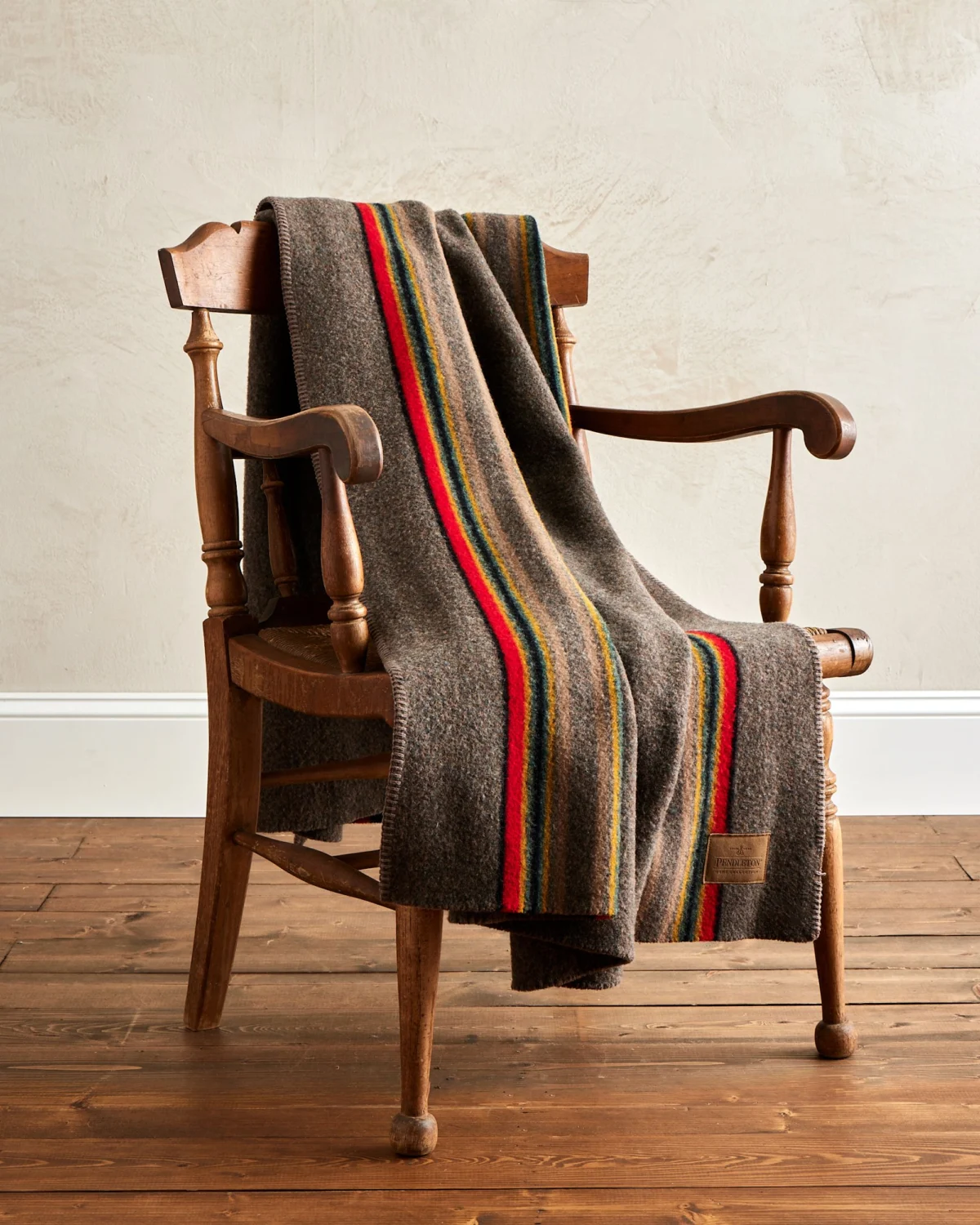
With a heritage dating back to 1909, Pendleton stands as a testament to American wool craftsmanship. The brand operates two of the nation’s last remaining woolen mills, overseeing the entire production process from scouring and dyeing to spinning, weaving, and hand-finishing. Pendleton exclusively uses wool and cotton that are Oeko-Tex certified, ensuring their products are free from harmful substances. Their commitment extends to fostering long-standing relationships with local wool farmers and collaborating with indigenous artists whose iconic patterns are intricately woven into each blanket on traditional looms. This deep connection to both material sourcing and artistic creation results in blankets that are not only warm and durable but also rich in cultural significance.
- Price Range: $60 – $529
- Availability: United States
2. Minna
Minna, a certified B Corp and queer-led business based in Upstate New York, is dedicated to creating ethically produced home goods. Their blankets feature striking abstract patterns and minimalist designs, handmade in small batches using luxurious materials such as alpaca, Oeko-Tex-certified cotton, and merino wool. Minna distinguishes itself by cultivating direct relationships with artisan partners in Central and South America, and transparently listing the name of the artisan responsible for each blanket on its product page, fostering a deeper connection between maker and consumer.
- Price Range: $165 – $398
- Availability: Most countries
3. April Notes
April Notes specializes in creating soft, earth-friendly home linens, with a focus on blankets made from linen, cotton, and merino wool. These textiles are certified free of harmful chemicals and synthetic dyes, boasting natural breathability and hypoallergenic qualities. To combat textile waste and overproduction, April Notes produces its blankets on demand. The brand maintains a close partnership with a boutique atelier in Lithuania, ensuring the preservation of traditional craftsmanship while guaranteeing fair wages and safe working conditions for its artisans.
- Price Range: $149 – $180
- Availability: U.S., Canada, U.K., Australia, New Zealand, Mexico, Norway, Switzerland, Gibraltar, and all European Union countries.
4. Avocado
Renowned for its commitment to sustainable sleep solutions, Avocado, a certified B Corp based in Los Angeles, extends its ethos to cozy bedroom stylings, including their collection of throw blankets. These blankets are crafted from Oeko-Tex-certified organic cotton, alpaca wool, cashmere, merino wool, and recycled cotton. Notably, their alpaca wool throws utilize the natural colors of the wool, eliminating the need for dyes. For other blankets in the collection, azo-free dyes are used. Avocado sources its wool from Northern India and maintains a regularly audited supply chain, ensuring both quality and ethical production.
- Price Range: $39 – $349
- Availability: United States
5. Coyuchi
Coyuchi is a leader in creating high-quality home goods with a minimal environmental footprint. Their blankets are meticulously crafted from organic cotton and wool sourced from India, and are woven in Fair Trade-certified factories located in Turkey, Portugal, and Germany. To assist customers in finding the perfect match, Coyuchi offers a comprehensive blanket guide, providing detailed information on materials, textures, and intended uses.
- Price Range: $58 – $478
- Availability: United States
6. Savvy Rest
As a certified B Corp, Savvy Rest is dedicated to producing organic cotton dye-free blankets in a range of sizes, from throws to king-sized options. The brand emphasizes a fully U.S.-based supply chain, with their organic cotton being grown and woven into blankets domestically. This commitment to local production not only supports American manufacturing but also ensures greater transparency and reduced transportation-related emissions.
- Price Range: $89 – $198
- Availability: United States
7. Under the Canopy
Under the Canopy offers a collection of blankets manufactured in India, Pakistan, Turkey, and China, utilizing Oeko-Tex-certified low-impact dyes. The brand prioritizes sustainable materials, sourcing merino wool from Argentina and organic cotton from Turkey. Their designs are thoughtfully created to be intentional and built to last, promoting a conscious approach to home décor.
- Price Range: $178 – $212
- Availability: United States
8. Boll & Branch
Boll & Branch is a Fair Trade Certified bedding company that places a strong emphasis on non-toxic manufacturing processes to create exceptionally soft and safe blankets. Their throws are expertly crafted by artisans in India, Turkey, and Pakistan, using traceable, Oeko-Tex-certified organic cotton and alpaca. The brand’s commitment to transparency extends to their supply chain, providing consumers with confidence in their ethical sourcing practices.
- Price Range: $149 – $699
- Availability: United States and Canada.
9. Bearaby
Bearaby is renowned for its innovative approach to weighted blankets, designed to aid sleep and alleviate anxiety. Beyond their specialized offerings, the brand also produces comfortable and lightweight throws. Bearaby utilizes Tencel from Austria, organic cotton from India, and Oeko-Tex-certified recycled polyester to create blankets available in various weights and sizes, catering to diverse comfort needs.
- Price Range: $149 – $309
- Availability: United States
10. Cold Picnic
Cold Picnic transforms home goods into artistic statements, utilizing domestically sourced Oeko-Tex-certified recycled cotton. Their blankets are designed in Brooklyn and produced in the U.S. by a family-owned company, ensuring small-batch quality. Their quilts, however, are handcrafted by artisans in India, showcasing a blend of domestic innovation and traditional global craftsmanship.
- Watch out for: Some blankets may contain polyester; check material details if sensitive to synthetics.
- Price Range: $130 – $560
- Availability: Worldwide
11. Parachute
Parachute, a direct-to-consumer brand, is dedicated to providing high-quality and durable home goods. Their blankets feature a timeless modern aesthetic and are made from Oeko-Tex-certified materials, including cotton, alpaca wool, and linen. Parachute partners with Fair Trade manufacturers in Portugal and Turkey, upholding an ethical supply chain and ensuring responsible production.
- Watch out for: Some blankets may contain a small percentage of polyester; review material details if sensitive to synthetics.
- Price Range: $99 – $289
- Availability: United States and Canada.
12. The Citizenry
The Citizenry champions Fair Trade practices, offering warm and lightweight blankets, quilts, and throws crafted from ethically sourced, Oeko-Tex-certified materials such as alpaca wool, mohair, linen, and cotton. The brand provides full transparency by listing all of its international partners and detailing where each blanket was handwoven and loomed on its product pages, connecting consumers directly to the artisans and their craft.
- Watch out for: Some blankets may contain a small amount of polyester; check material composition if sensitive to synthetics.
- Price Range: $189 – $299
- Availability: United States and Canada.
13. Made Trade
Made Trade serves as an online marketplace that rigorously vets every product to ensure genuine sustainability and transparency. The platform allows consumers to shop by their values, enabling them to specifically seek out blankets that are USA Made, handcrafted, or Fair Trade certified. Shoppers can also filter by preferred materials, including cotton, recycled polyester, hemp, linen, and merino and alpaca wool, offering a highly customizable and conscious shopping experience.
- Watch out for: Utilize the filter settings to avoid synthetics and find products aligning with specific sustainability preferences.
- Price Range: $40 – $719
- Availability: United States, Australia, Canada, U.K., most European and Asian countries.
Choosing a blanket is an opportunity to invest in comfort, quality, and ethical production. By understanding the significance of skin-safe materials, durable construction, and transparent supply chains, consumers can make informed decisions that not only enhance their living spaces but also support a more sustainable and equitable textile industry.