Reynand Holland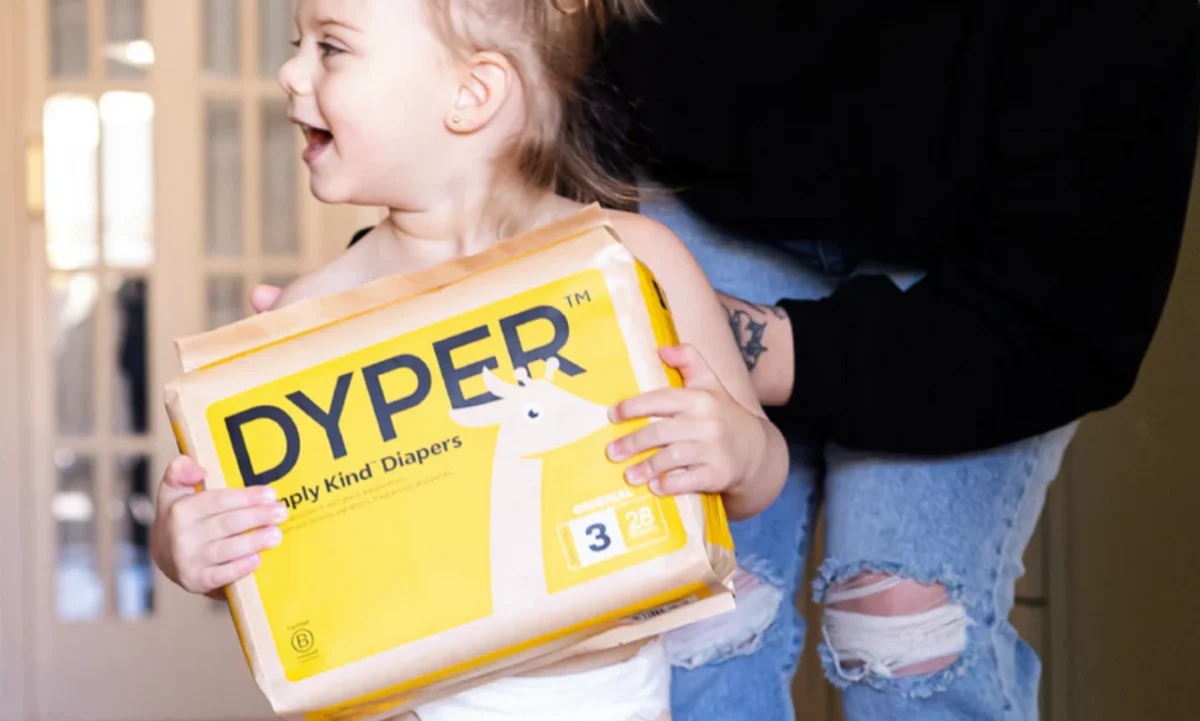
The sheer volume of waste generated by infant care is a stark reality for millions of parents worldwide. A single baby can utilize approximately 6,000 diapers within their first two years of life, a statistic that underscores a significant environmental challenge. While reusable cloth diapers offer an eco-friendly alternative, their practicality is often outweighed by the demands of modern, busy lifestyles. This leaves many parents reliant on conventional single-use disposable diapers, a choice fraught with not only waste concerns but also potential health implications.
The composition of traditional disposable diapers raises questions about their safety. Beyond the plastic materials, the inclusion of fragrances and other chemical additives has been a growing area of concern. Research has linked certain components found in disposable diapers to potential health issues, including endocrine and reproductive disorders, acute skin rashes, and, in some studies, a potential increased risk of certain cancers later in life. This scrutiny is amplified by the fact that regulatory oversight in this area is limited. The Consumer Product Safety Commission, for instance, mandates testing for lead in diapers but does not require comprehensive checks for a wide range of other chemicals, including carcinogens and endocrine-disrupting substances. Consequently, the cumulative exposure of infants to these materials from such a critical developmental stage warrants careful consideration.
The environmental footprint of these diapers is equally substantial. Once used, they are typically discarded as municipal solid waste, contributing significantly to landfill volume. For individuals like Tony Patron, founder of Dyper, this was a visceral realization. The sight of overflowing trash bins, largely comprised of plastic-laden diapers, served as a catalyst for change. This personal observation, coupled with his engineering background, propelled him to seek a more sustainable solution.
The Genesis of Dyper: A Commitment to Innovation and Sustainability
Patron’s journey toward establishing Dyper began with a desire to address the dual challenges of waste generation and potential health risks associated with conventional diapers. Recognizing the limitations of existing options, he envisioned a product that could perform comparably to traditional diapers in terms of absorbency, fit, and comfort, while simultaneously prioritizing the health of infants and the planet. This vision materialized through a strategic merger with another company focused on compostable diaper production, leading to the formation of Dyper.
Dyper’s core mission revolves around the principle of "plants over plastic," aiming to significantly reduce the environmental impact of infant care. The company’s product development philosophy is deeply rooted in the use of biodegradable materials. While acknowledging that certain technological components, such as fasteners, are not yet fully biodegradable, Dyper strives to ensure that the vast majority of its product is compostable. This commitment to material innovation is central to their operational strategy.
Material Innovation and Transparency: The Dyper Difference
A cornerstone of Dyper’s approach is its meticulous selection of materials. The company primarily utilizes plant-based fibers, including bamboo and eucalyptus. Specifically, their bamboo fibers are sourced from FSC-certified forests, ensuring responsible forestry practices. The viscose bamboo used in their diapers comes from suppliers certified by Oeko-Tex, a globally recognized standard for textile safety that tests for harmful substances.

Transparency is another key pillar of Dyper’s brand ethos. The company meticulously labels each layer of their diapers, detailing the specific components used. This commitment to openness empowers conscious parents to make informed decisions about the products their children use. Dyper’s products have earned notable certifications, including USDA BioPreferred status, with their diapers meeting at least 55% plant-based content and their wipes achieving 95% plant-based content. Furthermore, Dyper diapers adhere to Oeko-Tex standards, and the brand has achieved the DermaTest 5-Star Certification. This rigorous certification, awarded by an independent dermatological testing institute, provides assurance that the diapers are hypoallergenic and unlikely to cause skin reactions.
Beyond material composition, Dyper actively engages third-party laboratories to validate the non-toxic and compostable nature of its products. This independent verification underscores the company’s dedication to scientific rigor and product integrity.
Addressing the Health Concerns: A Safer Alternative
The health implications of conventional diaper ingredients have been a significant driver for consumers seeking alternatives. Phthalates, latex, parabens, and other potential irritants are often present in supermarket diapers, raising concerns about their impact on a baby’s sensitive skin and overall well-being. Dyper’s "plants over plastic" philosophy directly addresses these concerns by formulating diapers free from these harmful additives. The natural fibers employed by Dyper are designed to be gentler on a baby’s delicate skin, minimizing the risk of rashes and irritation.
This focus on ingredient safety extends to the sourcing of their materials, ensuring that they are not only effective but also responsibly produced. The use of natural fibers contributes to a softer, more breathable diaper, enhancing comfort for the infant.
The REDYPER Program: Closing the Loop on Diaper Waste
While the diapers themselves are designed with sustainability in mind, Dyper recognizes that the end-of-life management of used diapers remains a critical environmental challenge. To address this, the company offers the optional REDYPER program. This service, available in select regions, provides a convenient solution for parents to have their used diapers and wipes collected for professional composting.
The REDYPER program partners with regional composting facilities capable of processing the plant-based diaper materials. Within approximately 14 to 16 weeks, the compostable components are broken down, effectively diverting significant waste from landfills. Materials that cannot be composted are carefully removed and disposed of responsibly. As of the latest available data, the REDYPER program has successfully diverted over 14 million pounds of waste from landfills, demonstrating a tangible impact on waste reduction efforts. This initiative represents a significant step towards creating a circular economy for disposable diapers, transforming waste into a resource.
Beyond the Product: A Holistic Approach to Sustainability
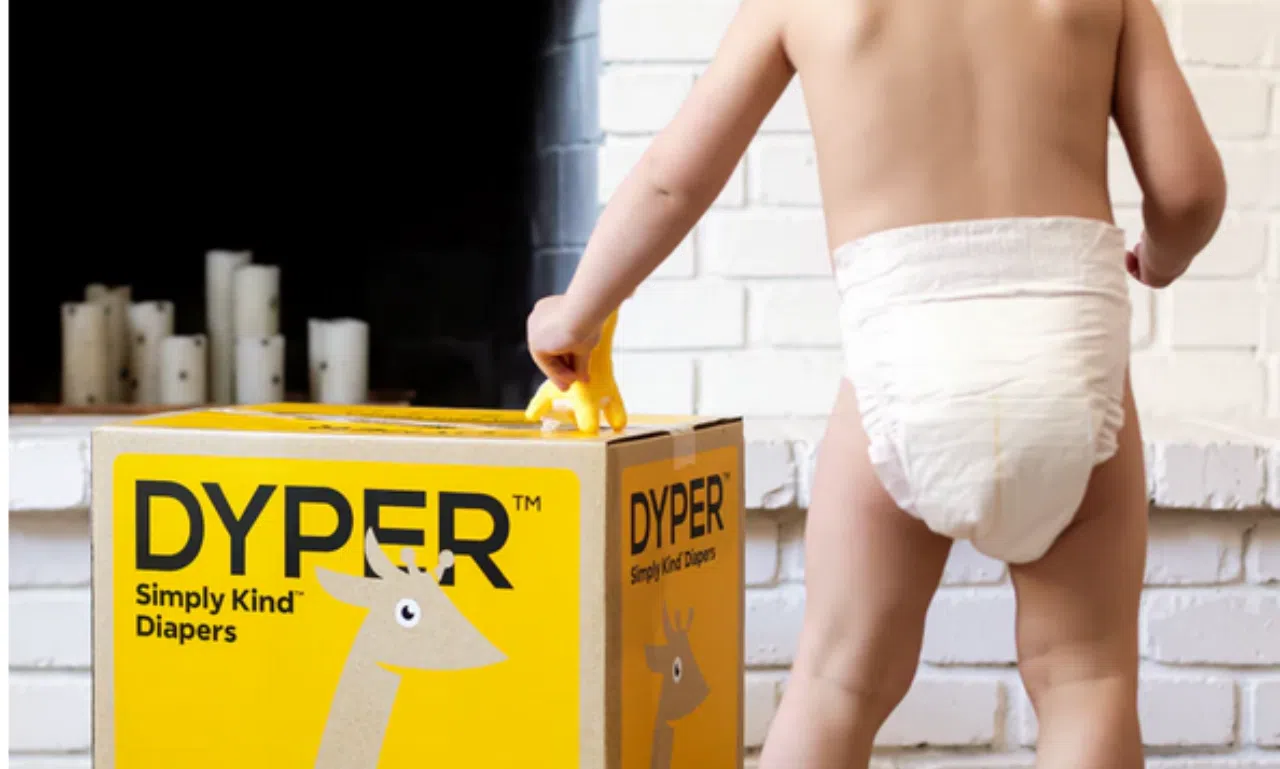
Dyper’s commitment to sustainability is not limited to its diaper products. The company also extends its eco-conscious approach to its packaging. Wherever feasible, Dyper utilizes sustainable packaging materials to further minimize its environmental footprint. This holistic perspective ensures that the brand’s commitment to environmental responsibility permeates every aspect of its operations.
Making Sustainable Choices Accessible and Convenient
The company understands that for many parents, convenience is paramount. Dyper offers flexible purchasing options, including subscriptions and one-time purchases, available in a wide range of sizes to accommodate growing infants. For those enrolled in the REDYPER program, a weekly or biweekly pickup service for used diapers and wipes adds another layer of convenience, making it easier for parents to adopt a more sustainable diapering routine.
By offering both high-performing, safe diapers and convenient waste management solutions, Dyper aims to eliminate the perceived trade-off between functionality and sustainability. Parents no longer have to choose between a diaper that works effectively and one that aligns with their environmental values. Dyper asserts that they provide a comprehensive solution that supports both the baby’s well-being and the health of the planet.
The Broader Impact: Shifting Industry Standards
The emergence of companies like Dyper signifies a broader shift in consumer demand and industry innovation within the infant care sector. As awareness of environmental and health concerns grows, parents are increasingly seeking products that offer a more responsible and healthier alternative to traditional options. Dyper’s success highlights the market’s receptiveness to sustainable and non-toxic baby products.
The company’s proactive approach to transparency, material science, and waste management sets a precedent for other manufacturers in the disposable diaper industry. By demonstrating that high-performance, compostable, and non-toxic diapers are not only possible but also commercially viable, Dyper is actively contributing to pushing industry standards towards greater environmental responsibility and consumer safety. This evolution in the market has the potential to significantly reduce the environmental burden of diaper waste and minimize the exposure of infants to potentially harmful chemicals. The long-term implications include a healthier environment for future generations and a more conscious approach to consumerism in the critical early stages of life.